
Main Courses
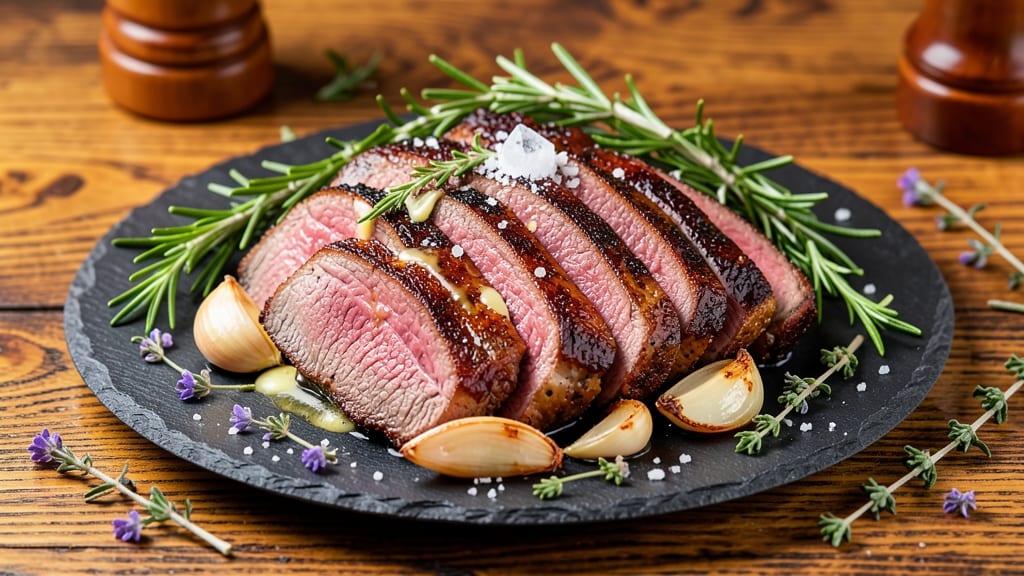
This baron beef roast recipe delivers the perfect balance of a flavorful herb-infused crust and tender, juicy pink centers—ideal for a showstopping centerpiece. 🔥 The secret lies in a slow roast that transforms tough cuts into melt-in-your-mouth perfection, all while developing deep, savory flavors.
This classic technique, rooted in British roast traditions, ensures every slice is moist and packed with rich beefy goodness.
The recipe begins with a sear that locks in juices, followed by a precise roasting time at a controlled temperature to achieve that signature pink center. A blend of fresh herbs and aromatics infuses the crust, creating a fragrant, golden-brown exterior that’s impossible to resist.
Whether serving for a holiday feast or a special Sunday dinner, this roast promises restaurant-quality results with minimal effort.
Pair it with classic sides like creamy mashed potatoes, roasted root vegetables, or a rich red wine gravy to complete the meal. The beauty of this dish is its versatility—it works equally well for a family gathering or an intimate dinner, always delivering that satisfying combination of texture and flavor.
Let’s get started on creating a roast that will impress everyone at the table.
What sets this recipe apart is the attention to detail in every step, from the searing process to the resting time, ensuring you achieve that perfect balance of doneness.
The result is a beef roast that’s juicy, flavorful, and visually stunning—a true centerpiece for any meal. Ready to master this timeless classic?
Ingredients for baron beef roast
Six ingredients transform this classic roast into a restaurant-worthy centerpiece with juicy pink perfection.
| Ingredient | Amount | Notes |
|---|---|---|
| Chuck Roast Beef 🥩 | 4 lb | Well-marbled, center-cut preferred |
| Unsalted Butter 🧈 | ½ cup | Cold, cubed for crust |
| Fresh Rosemary 🌿 | ¼ cup | Finely chopped, stems removed |
| Fresh Thyme 🌿 | ¼ cup | Leaves only, stems discarded |
| Garlic Cloves 🧄 | 8 cloves | Peeled, minced for marinade |
| Diamond Crystal Kosher Salt 🧂 | 2 tbsp | For seasoning and crust |
| Ground Black Pepper 🌶️ | 1 tbsp | Freshly cracked for depth |
| Extra-Virgin Olive Oil 🫒 | ¼ cup | For searing and basting |
| Red Wine 🍷 | ½ cup | Bold Cabernet Sauvignon preferred |
| Beef Consommé 🍲 | 1 cup | Homemade or high-quality store-bought |
| Yellow Onion 🧅 | 1 whole | Thinly sliced for aromatics |
| Fresh Parsley 🌿 | ⅛ cup | Chopped, for garnish |
| Mustard Seeds 🌶️ | 1 tsp | Toasted for subtle heat |
The chuck roast is non-negotiable here—look for well-marbled cuts with visible fat streaks, which ensure juiciness. Whole Foods or high-end butchers often carry premium chuck roasts; if shopping at a standard grocery store, check the pre-packaged roast section and select the piece with the most marbling. Fresh herbs elevate the crust, so grab rosemary and thyme from the grocery store's refrigerated section—they should smell vibrant, not wilted. For the red wine, Cabernet Sauvignon or Merlot adds depth, but any bold dry red will work. The beef consommé? Homemade is ideal, but Swanson or Kettle & Fire brands deliver reliable quality without the effort.
No fresh rosemary or thyme? Dried works at one-third the amount, though fresh yields superior flavor. Substituting red wine? Beef broth with a splash of balsamic vinegar mimics the acidity and depth. For the butter crust, vegetable shortening can replace butter if dietary restrictions apply, though texture will differ slightly. The mustard seeds add subtle heat—omit entirely if you prefer a milder profile. Prefer a different herb blend? Sage or tarragon pair beautifully with beef, while parsley remains a must for garnish. The olive oil should be extra-virgin for searing; cheaper varieties may burn too quickly.
This roast reheats beautifully—wrap tightly in foil and bake at 300°F for 30 minutes to restore juices. Store leftovers in the fridge for 4-5 days or freeze for up to 3 months by portioning into individual slices. For make-ahead convenience, prep the herb butter crust and refrigerate overnight—it’s worth the extra time. The crust can be made a day ahead and stored in the fridge, saving you last-minute prep. Garnish with fresh parsley just before serving to maintain vibrant color.
Why You'll Love This Recipe
- Foolproof Prep: I swear by this method—just sear the chuck roast in a hot pan, then toss in whole garlic cloves, rosemary sprigs, and thyme stems (no chopping!). The butter bastes everything as it roasts, so you’re basically hands-off after that.
- Rich, Deep Flavor: That chuck roast? It’s the star, but the garlic and herbs melt into the butter, creating a sauce that’s dangerously good—crispy edges on the outside, tender and juicy inside. Honestly, the smell alone makes my kitchen feel like a bistro.
- Weeknight Workhorse: This roast is my go-to for busy nights—feed a crowd or meal prep for the week. Slice it thin for sandwiches, cube it for tacos, or serve it with mashed potatoes. (Yes, even on a Tuesday night.)
- Budget-Friendly Luxury: Chuck roast is affordable, and one big cut feeds everyone without breaking the bank. The leftovers? Even better the next day—toss them in pasta or reheat with a splash of broth. My wallet and my taste buds win.
Step-by-step instructions for baron beef roast
Master the perfect balance of crusty herb crust and tender pink centers with this refined technique.
👨🍳 Step 1: Prepare the Herb Butter Crust
In a small bowl, combine the 0.5 cup cold unsalted butter, 0.25 cup finely chopped fresh rosemary, 0.25 cup fresh thyme leaves, 8 cloves minced garlic, 2 tbsp Diamond Crystal kosher salt, and 1 tbsp ground black pepper. Use your fingers to work the herbs into the butter until evenly distributed and the mixture resembles coarse crumbs. This herb butter will create the signature crust while keeping the interior moist.
Transfer the herb butter to a piece of plastic wrap and flatten into a ¼-inch thick rectangle. Chill in the refrigerator for 30 minutes while you prepare the roast. The cold butter is crucial—it prevents melting during the initial sear and ensures proper adhesion to the meat.
🔥 Step 2: Sear the Roast for Maximum Flavor
Preheat your oven to 425°F. Heat a heavy Dutch oven over medium-high heat and add 0.25 cup extra-virgin olive oil. Once shimmering, place the 4 lb chuck roast beef in the pot, fat-side down. Sear undisturbed for 5 minutes until a deep golden-brown crust forms. Flip the roast and sear the other side for another 5 minutes. This initial sear locks in juices and develops the foundational flavor.
Remove the roast and set it aside. Increase oven temperature to 450°F. Here's where the magic happens: press the chilled herb butter mixture firmly onto all sides of the roast, covering it completely. The cold butter will melt slightly from the residual heat, creating a flavorful crust while keeping the interior tender.
🍳 Step 3: Braise for Juicy Perfection
Return the roast to the Dutch oven and pour in 0.5 cup red wine, scraping up any browned bits from the bottom. Add 1 cup beef consommé and 1 whole thinly sliced yellow onion. Bring to a simmer over medium heat, then cover tightly with a lid. Transfer to the preheated oven and braise for 2 hours.
After 2 hours, check the internal temperature using a meat thermometer. It should read between 190-200°F. If it hasn't reached this range, continue cooking for another 30-45 minutes. The roast should be fork-tender with just a hint of resistance—this ensures perfect doneness without drying out. The liquid should have reduced significantly, creating a rich, flavorful sauce.
🔪 Step 4: Rest and Garnish for Presentation
Remove the roast from the oven and transfer it to a cutting board. Tent loosely with aluminum foil and let it rest for 15-20 minutes. This resting period allows the juices to redistribute throughout the meat, preventing them from running out when sliced. Meanwhile, skim any excess fat from the braising liquid and stir in 1 tsp toasted mustard seeds for subtle heat.
Before serving, garnish each slice with 0.125 cup chopped fresh parsley. The herb butter crust should be golden and crispy, while the interior should be beautifully pink with rich, beefy juices. This dish serves 6 generous portions, perfect for a special dinner where presentation matters as much as flavor.
Pro Tips For Making Baron Beef Roast
- SEAR THE ROAST FIRST: Chuck roast needs that deep, flavorful crust—don’t skip the initial sear. Heat your Dutch oven smoking hot for 3-4 minutes before adding the roast, then brown it on all sides before adding liquid. I learned this the hard way: skipping the sear means flavor stuck in the middle instead of coating every bite.
- USE WHOLE HERBS, NOT CHOPPED: Tossing in whole sprigs of rosemary and thyme (3-4 each) lets you fish them out later, leaving the meat tender and the broth aromatic. Chopped herbs turn to mush and muddy the sauce—unless you’re planning to blend everything, which changes the texture completely.
- DON’T RUSH THE LOW TEMP: This isn’t a race. After searing, drop the heat to 275°F (135°C) and let it cook uncovered for 2.5–3 hours—yes, even if the roast looks raw inside. The slow cook turns tough chuck into melt-in-your-mouth perfection. I’ve pulled it out early twice; the first time, I cried.
- BASIL THE GARLIC: Smash those garlic cloves flat with the side of your knife before adding them—this releases more flavor without burning. And if you’re feeling fancy, peel and lightly crush them with a pinch of salt first. It’s a small step, but it makes a real difference in the depth of the sauce.
Regional styles of baron beef roast
British Sunday Roast
This technique originated from classic British Sunday roast traditions, where chuck roast was the star of family gatherings. The British version often uses Yorkshire pudding as a side, but I’ve adapted it here with a herb butter crust that’s become my signature touch.
The slow braising method ensures tender meat, while the crust adds that restaurant-quality finish. 🥩
For an authentic British touch, serve with horseradish cream (mix ½ cup sour cream with 1 tbsp prepared horseradish and 1 tsp lemon juice) alongside the roast. The sharpness cuts through the richness beautifully. I also recommend roasted Brussels sprouts with pancetta for a well-rounded meal.
French Beef Bourguignon
This recipe shares roots with French beef bourguignon, where red wine and aromatics transform tough cuts into melt-in-your-mouth perfection. The key difference? Instead of red wine reduction, we’re using a braising liquid that creates a luscious sauce while keeping the beef incredibly tender.
The herb butter crust elevates it beyond traditional bourguignon, giving it a crispy, golden exterior. 🍷
To make it even more French-inspired, deglaze the Dutch oven with ½ cup red wine after searing (as in the recipe) and add 1 tbsp tomato paste to deepen the sauce.
Finish with 1 sprig fresh thyme tied with kitchen twine for an elegant garnish. The result is a dish that feels both comforting and sophisticated.
American Holiday Roast
In the U.S., this roast has become a holiday staple, especially during Thanksgiving and Christmas. The herb butter crust adds a festive touch that makes it feel special, while the pink centers keep it approachable for families who prefer medium-rare beef.
I’ve served this at gatherings where guests always ask for seconds—it’s that good. 🎄
For an American twist, pair it with creamy mashed potatoes (made with ½ cup butter and ½ cup whole milk) and cornbread stuffing. The Southern-inspired sides complement the rich beef beautifully.
Pro tip: Add 1 tsp smoked paprika to the herb butter for a subtle smoky depth that’s perfect for holiday meals.
Modern Twist: Reverse Sear
For a contemporary take, try a reverse sear method after braising. Once the roast reaches 190°F internal temperature, remove it from the oven, increase the heat to 475°F, and sear it again in a hot skillet for 2-3 minutes per side.
This creates an ultra-crispy crust while keeping the inside juicy. It’s a technique I picked up from modern steakhouse cooking that works beautifully here. 🔥
The reverse sear adds a restaurant-quality finish** without requiring extra time. Just be sure to work quickly—high heat is key for that perfect crust. This method is especially impressive when serving to guests who appreciate precision cooking.
The herb butter still plays a crucial role, but the final sear takes it to the next level.
Nutrition facts
Frequently asked questions
Why does this recipe use chuck roast instead of a more expensive cut?
The chuck roast is ideal because its marbling and connective tissue break down during slow cooking, creating incredibly tender, juicy meat. Unlike pricier cuts like ribeye, chuck benefits from the braising process, making it a budget-friendly choice that delivers restaurant-quality results. The herb butter crust ensures it feels special without the premium price tag.
Can I make this roast ahead of time?
Prepare the herb butter crust and refrigerate it overnight for deeper flavor. For the roast itself, cook it up to 2 days ahead, then refrigerate in the braising liquid. Reheat covered at 300°F for 30 minutes—the juices will stay intact, and you can crisp the crust again in a hot skillet for 2 minutes per side before serving.
What's the best way to slice the roast for serving?
Slice against the grain at a ¼-inch thickness for maximum tenderness. Use a sharp carving knife and work quickly to prevent the meat from drying out. For presentation, fan the slices slightly and arrange them on a platter with the braising sauce spooned around them—this makes the dish look even more impressive.
How do I adjust the recipe for a larger crowd?
Increase the roast by 1 pound per 4 servings (e.g., 6 lb roast for 8 people). Double the herb butter proportionally and use a larger Dutch oven. The braising time will increase by about 30-45 minutes for each additional pound. For sides, scale up mashed potatoes or roasted vegetables by 1.5x the original amounts.
What if my roast turns out too dry?
This usually happens from overcooking or not resting properly. If the meat is dry, try this fix: Slice thinly and serve with extra braising sauce (reduced slightly for thickness) or a rich gravy made from the pan drippings. For future attempts, use a meat thermometer to pull the roast at 190-200°F internal temp and always rest it for 15-20 minutes before slicing.