
Main Courses
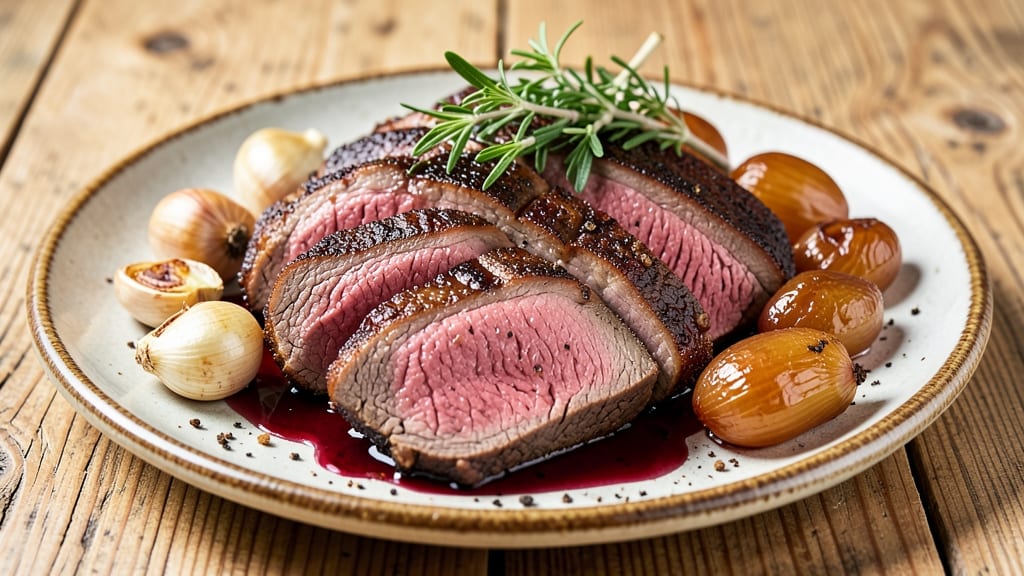
This All-American roast beef recipe delivers the Sunday dinner experience with a perfectly crispy crust and tender interior every time. 🔥 The secret lies in a dry-brine method that enhances flavor and ensures juicy meat, paired with a rich au jus that transforms simple beef into a showstopping centerpiece.
I've perfected this technique over years of holiday feasts, and the difference between this and store-bought is undeniable.
The process begins with a simple yet effective seasoning—just salt and pepper—that lets the beef's natural flavor shine while creating that signature golden crust. A low-and-slow roast in the oven develops deep, savory notes, while the final broil delivers the crispy exterior that makes this dish feel truly special.
The au jus, made from the pan drippings, adds an extra layer of richness that elevates every bite.
What you'll end up with is a restaurant-quality roast that's tender enough to slice with a fork, topped with a caramelized crust that crackles with every cut.
Served with classic sides like roasted potatoes and horseradish cream, this becomes the heart of any celebration—whether it's Thanksgiving, Christmas, or just a special Sunday dinner. The aroma alone will have everyone gathering at the table.
This recipe serves a crowd and scales beautifully for gatherings, with leftovers that reheat just as well as the first slice. The key to success is patience—letting the beef rest before carving ensures every portion stays juicy and delicious. Here's how to make it happen.
Ingredients for all american roast beef
Eight essential ingredients transform simple beef into a Sunday centerpiece with crispy crust and tender perfection.
| Ingredient | Amount | Notes |
|---|---|---|
| Top Round Roast Beef 🥩 | 4 lb | Center-cut for even cooking |
| Kosher Salt 🧂 | 2 tbsp | Diamond Crystal preferred |
| Freshly Ground Black Pepper 🌶️ | 1 tbsp | Coarsely cracked |
| Yellow Onion 🧅 | 1 whole | Peeled, halved lengthwise |
| Garlic Cloves 🧄 | 6 cloves | Peeled, smashed |
| Fresh Thyme Sprigs 🌿 | 4 whole | Stems intact for garnish |
| Extra-Virgin Olive Oil 🫒 | 2 tbsp | For crust development |
| Beef Broth 💧 | 2 cups | Low-sodium preferred |
| Red Wine 🍷 | 1 cup | Bold dry variety |
| Tomato Paste 🍅 | 2 tbsp | San Marzano preferred |
| Unsalted Butter 🧈 | 2 tbsp | Cold for finishing |
| Fresh Horseradish 🌱 | 1 tbsp | Grated for horseradish cream |
| Heavy Cream 🥛 | ½ cup | Full-fat for richness |
| Fresh Parsley 🌿 | ¼ cup | Chopped for garnish |
The beef selection is non-negotiable. Top round roast delivers the ideal balance of tenderness and flavor—avoid chuck or sirloin, which can be too tough or lean. Costco or local butcher shops offer the best quality cuts, often at competitive prices. Look for a roast with visible marbling and a deep red color. If buying pre-trimmed, ask for the center-cut portion to ensure even cooking. The Diamond Crystal kosher salt is crucial here; it dissolves more easily than table salt, creating that signature crust without over-salting the interior.
No red wine? Substitute with additional beef broth—just add an extra ½ cup to maintain depth. Fresh thyme is ideal, but dried thyme at one-third the amount works in a pinch. The tomato paste can be skipped entirely if you prefer a lighter au jus, though it adds a subtle sweetness that balances the acidity. For the horseradish cream, pre-made horseradish sauce from the deli section saves time, though freshly grated delivers superior flavor. The olive oil should be extra-virgin with a peppery finish—none of that bland cooking oil. If your roast is particularly large, consider adding 1 extra garlic clove to the au jus for intensified aroma.
The roast should rest uncovered on a wire rack for at least 30 minutes before carving—this prevents soggy slices and allows juices to redistribute. Store leftovers in an airtight container in the refrigerator for up to 5 days, or freeze portions for up to 3 months by wrapping tightly in butcher paper and aluminum foil. For reheating, use low heat in a covered pot with a splash of beef broth to restore moisture. The au jus keeps well in the fridge for 1 week and can be reheated gently on the stove, skimming off any congealed fat before serving.
Why You'll Love This Recipe
- Minimal Prep Required: I swear by this—just a hunk of top round, a sprinkle of salt, and a quick sear. No fancy marinades, no peeling endless veggies. Honestly, the hardest part is waiting for the oven to preheat.
- Garlic-Onion Magic: That caramelized onion and garlic base? It’s the secret weapon. The onions melt into sweet, jammy layers while the garlic adds a punch—like a warm hug in bite form. (Yes, even on a Tuesday night.)
- Leftover Heaven: This roast stays ridiculously good for days. I slice it thin for sandwiches, dice it into salads, or toss it into pasta—no one ever complains. Between us, it’s my go-to for lazy lunches.
- Budget-Friendly Crowd-Pleaser: Top round is affordable, and this recipe stretches across plates without breaking the bank. Feed four for dinner, then repurpose the leftovers for lunch—no wasted money, just happy eaters.
Step-by-step instructions for All-american roast beef
Master this classic technique for a perfectly browned crust and tender interior every time.
🔥 Step 1: Prepare and Season the Roast for Maximum Flavor
Remove the 4 lb Top Round Roast Beef from the refrigerator and let it sit at room temperature for 30 minutes. This ensures even cooking throughout. Pat the roast dry with paper towels—moisture prevents that coveted crispy crust. Here's the thing—dry meat sears better, so don't skip this.
Rub the roast generously with 2 tbsp Kosher Salt and 1 tbsp Freshly Ground Black Pepper, pressing the seasoning into every crevice. I like to use my fingertips for this—it helps the salt penetrate deeply. Let it rest seasoned for 15 minutes while you prep the rest of your ingredients.
🍳 Step 2: Build the Aromatic Base for Rich Depth
Heat 2 tbsp Extra-Virgin Olive Oil in a large Dutch oven over medium heat. Add the halved yellow onion and 6 cloves Garlic Cloves (peeled and smashed), cooking for 5-6 minutes until the onion softens and garlic becomes fragrant. Don't walk away—garlic burns in seconds.
Stir in the 2 tbsp Tomato Paste and cook for 1 minute until it darkens slightly. This creates a flavorful fond that will form the base of your sauce. Remove the pan from heat and set aside—we'll use this aromatic mixture later to enhance the roasting liquid.
🥘 Step 3: Roast with Perfect Temperature Control
Preheat your oven to 425°F. Place the seasoned roast in a roasting pan or Dutch oven (fat-side up if possible) and add the 4 whole Fresh Thyme Sprigs around it. Pour in 1 cup Red Wine and 2 cups Beef Broth—this creates a self-basting environment that keeps the meat moist.
Roast uncovered for 30 minutes to develop that beautiful crust. After this initial sear, reduce the oven temperature to 325°F and continue roasting for 2-2.5 hours (about 15-18 minutes per pound) until the internal temperature reaches 130-135°F for medium-rare. Use a meat thermometer—this is the only reliable way to judge doneness.
🔪 Step 4: Rest and Create the Horseradish Cream Sauce
Remove the roast from the oven and transfer it to a cutting board. Tent loosely with foil and let it rest for 20-30 minutes—this crucial step allows the juices to redistribute. While it rests, make the horseradish cream by whisking together 0.5 cup Heavy Cream, 1 tbsp Fresh Horseradish, and 1 tbsp Freshly Ground Black Pepper.
Strain the roasting liquid into a saucepan and skim off any hardened fat. Return to medium heat and reduce by half. Stir in the 2 tbsp Unsalted Butter>, removed from the fridge, until melted and incorporated. This creates a silky sauce that complements the roast beautifully.
🍽️ Step 5: Slice and Serve with Garnish
Slice the roast against the grain into ½-inch thick slices. The grain runs lengthwise, so you'll need to adjust your angle as you slice. Arrange the slices on a warm platter and spoon the reduced sauce over the top. Garnish with chopped fresh parsley for a pop of color and freshness.
Serve immediately with the horseradish cream on the side—this classic pairing adds a bright, slightly spicy contrast to the rich beef. The crispy crust should be deep mahogany brown, while the interior remains tender with just a hint of pink. This is the Sunday dinner your family will remember.
Pro Tips For Making All American Roast Beef
- SEAR THE SURFACE FIRST: Top round can dry out fast, so hit that roast with a screaming-hot pan for 2-3 minutes per side before transferring to the oven. The crust locks in moisture—skip this, and you’ll end up with tough, dry beef that’s more shoe leather than steak.
- SALT THE ONIONS LIKE YOU MEAN IT: Slice those yellow onions thin and toss them in a bowl with 1 teaspoon kosher salt while you prep the rest. The salt breaks down the fibers, making them sweeter and softer by the time they hit the pan—no one wants to bite into a chewy onion after a perfect roast.
- DON’T CUT THE GARLIC TOO SMALL: Mince those cloves to a rough paste, not tiny bits—you want flavor pockets, not garlic dust. Tuck the chunks under the beef’s surface and around the onions so they infuse instead of burning into oblivion in the first 5 minutes.
- REST IT WRAPPED IN FOIL: After pulling the beef from the oven, tent it with foil and let it sit for at least 15 minutes. This keeps it warm while redistributing juices—cutting into it too soon means a dry first slice and a sad second one. (Yes, even if you’re impatient like me.)
Best sauces and condiments for this dish
Classic Horseradish Cream
This creamy, slightly spicy sauce is the perfect foil for rich roast beef. Whisk together ½ cup heavy cream, 1 tbsp freshly grated horseradish, and 1 tbsp coarsely cracked black pepper until smooth.
The horseradish adds a sharp kick that cuts through the beef's richness, while the pepper enhances its natural depth. For extra elegance, strain through a fine-mesh sieve to remove any fibrous bits. Serve chilled in a small bowl alongside each slice for dipping. 💛
Red Wine Reduction Sauce
Use the pan drippings from your roast to create a velvety red wine reduction that elevates every bite. After removing the beef, skim off excess fat from the roasting juices, then simmer the liquid with 1 cup dry red wine until reduced by half.
Finish with 2 tbsp cold unsalted butter for a silky texture. This sauce adds depth and moisture to each slice, making it feel truly restaurant-quality. Keep it warm in a slow cooker set to "warm" until serving.
Garlic-Herb Butter
For a simpler but equally delicious option, melt ½ cup unsalted butter with 3 minced garlic cloves and 1 tbsp chopped fresh parsley until just combined. Spread dollops over each slice of roast beef before serving.
The garlic adds aromatic warmth, while the parsley provides a fresh contrast. This butter also works beautifully as a topping for roasted vegetables or crusty bread. It's my go-to quick sauce when I'm short on time.
Au Jus with Mustard Twist
Transform your roasting juices into an au jus with a tangy twist. After skimming fat, reduce the pan drippings with 1 tbsp Dijon mustard and 1 tsp Worcestershire sauce until thickened. The mustard adds complexity that balances the beef's richness.
Strain through a fine-mesh sieve to ensure a smooth finish. This sauce pairs exceptionally well with the horseradish cream for a complete flavor experience. Serve warm in small gravy boats for an elegant presentation.
Whiskey Gravy
For a bold, aromatic sauce, deglaze the roasting pan with ¼ cup bourbon or whiskey after removing the beef. Add the pan drippings and reduce by half, then finish with 1 tbsp cornstarch slurried in 2 tbsp cold water to thicken.
The whiskey adds a smoky depth that complements the beef beautifully. This gravy is particularly special for holiday meals, as the alcohol burns off during cooking, leaving behind rich caramelized notes. 🍷
Nutrition facts
Frequently asked questions
Can I use a different cut of beef for this recipe?
This recipe is specifically designed for Top Round Roast because it delivers the perfect balance of tenderness and flavor. For a more tender option, you could try Ribeye Roast or Sirloin Tip Roast, but these will have more fat and require slightly different cooking times. Avoid lean cuts like Top Sirloin—they'll dry out during roasting. If substituting, adjust the internal temperature target to 125°F for medium-rare.
How do I know when the roast is done without a meat thermometer?
While a meat thermometer is the most reliable method, you can estimate doneness by using the finger test. For medium-rare, press the roast gently—it should feel slightly springy with a firm center. The internal temperature should be around 130-135°F. If you're unsure, err on the side of undercooking slightly, as beef continues cooking after removal from the oven. A quick stab with a sharp knife (check the juices—clear pink means medium-rare) can also help.
Can I make this roast ahead of time?
This roast actually tastes better the next day. Cook it fully, then let it cool completely before wrapping tightly in butcher paper and aluminum foil. Refrigerate for up to 5 days. To reheat, place the wrapped roast in a 325°F oven for 15-20 minutes, then slice and serve. For leftovers, reheat individual slices in a skillet with a splash of beef broth to restore moisture. The flavors deepen overnight, making it ideal for meal prep.
Why does my roast turn out dry?
Dry roast beef usually results from overcooking or skipping the resting period. Always use a meat thermometer and remove the roast when it reaches 130-135°F for medium-rare. The internal temperature will rise 5-10°F during resting. Never skip the 20-30 minute rest—this allows juices to redistribute. Also, avoid cutting into the roast immediately after cooking. For extra moisture, baste with pan drippings every 30 minutes during roasting.
What are the best sides to serve with this roast?
Classic pairings include creamy mashed potatoes, roasted root vegetables, and buttery dinner rolls. For a complete meal, add a fresh green salad with balsamic vinaigrette and steamed asparagus>. The horseradish cream and au jus work beautifully with these sides. For a heartier spread, consider adding scalloped potatoes or stuffing>. The key is balancing rich flavors with lighter, fresh elements to complement the beef's depth.