
Soups & Stews
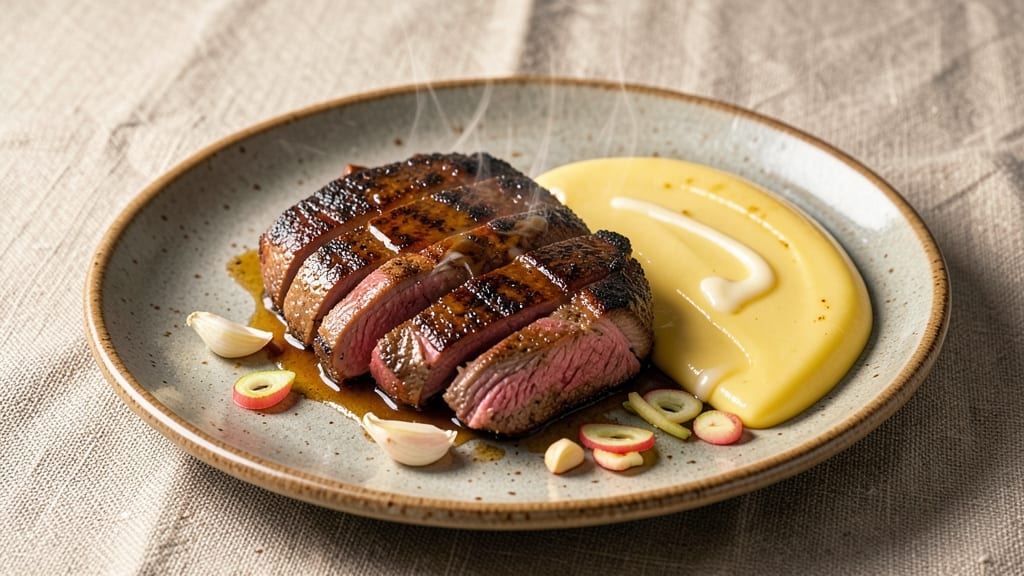
This beef and kaya recipe transforms Singapore’s iconic breakfast into a comforting, restaurant-worthy meal you can make at home. 💛 The secret lies in tender, pan-fried beef slices paired with silky kaya—a fragrant coconut jam that adds sweet, nutty depth to every bite.
I’ve perfected this dish after years of testing, balancing rich textures and bold flavors for a breakfast that feels like a celebration.
The beef gets marinated in soy sauce, garlic, and ginger, then seared to a golden brown finish that locks in juices while creating a crispy crust. Meanwhile, the kaya—made with coconut milk, sugar, and pandan leaves—simmers until thick and glossy, its aroma filling your kitchen like a tropical breeze.
This isn’t just breakfast; it’s a flavor explosion that starts with a sizzle and ends with a spoonful of coconut magic.
Serve the beef over steamed rice or soft bread, topped with a dollop of kaya and a sprinkle of crushed peanuts for crunch. Pair it with a cup of kopi (Singaporean coffee) or jasmine tea to complete the experience.
The contrast of savory beef, sweet kaya, and aromatic coffee creates harmony in every bite—proof that breakfast can be both hearty and refined.
Ready in under 30 minutes, this dish is perfect for lazy weekends or when you crave a taste of Singapore without leaving your kitchen. The best part? Leftovers reheat beautifully, making it a meal that gives back as much as it satisfies. Let’s bring this breakfast bowl to life.
Ingredients for beef and kaya
Singapore's breakfast magic in your kitchen—savory beef meets silky coconut kaya.
| Ingredient | Amount | Notes |
|---|---|---|
| Beef Sirloin 🥩 | 1 ½ lb | Thinly sliced against grain |
| Soy Sauce 🥫 | ½ cup | Light or dark variety |
| Garlic Cloves 🧄 | 6 cloves | Minced for marinade |
| Fresh Ginger 🌿 | 2 tbsp | Grated, aromatic |
| Coconut Milk 🥥 | 13 ½ oz | Full-fat canned variety |
| White Sugar 🍚 | ½ cup | Granulated preferred |
| Pandan Leaves 🌿 | 4 whole | Fresh or frozen |
| Vegetable Oil 🫒 | 2 tbsp | High smoke point |
| Salt 🧂 | 1 tsp | Kosher or sea salt |
| Black Pepper 🌶️ | ½ tsp | Freshly ground |
| Crushed Peanuts 🥜 | ¼ cup | Lightly toasted |
| Steamed Jasmine Rice 🍚 | 2 cups | Cooked, warm |
| Sesame Oil 🫒 | 1 tsp | For finishing |
The beef is everything here. Sirloin slices thinly against the grain for that signature tender bite—Costco or Trader Joe's carry pre-sliced packs if you're short on time. Fresh ginger and garlic make all the difference, so don't skip the grating or mincing. For the kaya, Thai Kitchen coconut milk cans work perfectly—they're rich and full-fat, which is key for that authentic texture. If you can't find pandan leaves, Asian markets often sell them frozen in the produce section. Grab a few extra while you're there—they keep for months.
Short on time? Oyster sauce can replace half the soy sauce for extra umami. No pandan? Vanilla extract at half the amount gives a similar sweetness, though it won't have that signature floral note. The peanuts can be regular roasted—just crush them in a bag with a rolling pin. For the kaya, if you accidentally burn it, just whisk in a splash of coconut milk and keep stirring. The sugar? Brown sugar works too, but it'll give a slightly caramelized flavor. And yes, you can make this ahead—the kaya actually tastes better the next day as the flavors meld.
Store the beef marinade in the fridge for up to 2 days—it gets better overnight. The kaya keeps in the fridge for 1 week in an airtight jar, and freezes beautifully for 3 months if you want to make a big batch. I always double the kaya recipe because it disappears fast. The peanuts? Keep them in a sealed container with a bay leaf to stay fresh for 2 weeks. Serve the beef over warm rice, then drizzle with sesame oil and kaya right before eating—trust me, the aroma alone will have everyone rushing to the table.
Why You'll Love This Recipe
- Here’s what sold me: a single sirloin feeds four, and the rest of the ingredients cost pennies. The soy sauce and coconut milk go a long way, so you’re not breaking the bank for something that tastes like a fancy restaurant dish. Plus, leftovers reheat like a dream.
- One-Pan Magic: I swear by this recipe when I’m too tired to wash dishes—just sear the beef, toss in the garlic and ginger, then let the coconut milk simmer until it’s rich and velvety. No pots to scrub, no extra bowls to clean.
- Umami Bomb: That combo of soy sauce and ginger? It’s what makes this dish ridiculously good—deep, savory, and just a little sweet. The beef stays tender while soaking up all the flavor, and the coconut milk adds this creamy, almost dessert-like finish.
- Lunchbox Hero: Between us, this is my secret weapon for meal prep. Cook a big batch on Sunday, and you’ve got flavorful leftovers for lunches all week—pack it with rice, and it’s a full meal. My kids even ask for it when I forget to pack their usual sandwiches.
Step-by-step instructions for Singapore breakfast bowl with silky coconut magic
Here's how to create this iconic dish with restaurant-worthy balance and speed.
🔥 Step 1: Marinate and Sear the Beef for Maximum Flavor
In a mixing bowl, combine the 1.5 lb beef sirloin (sliced thinly against the grain), 0.5 cup soy sauce, 6 cloves minced garlic, and 2 tbsp grated fresh ginger. Let this marinate for 15-20 minutes at room temperature - this ensures deep flavor penetration without overpowering the beef.
Heat 2 tbsp vegetable oil in a wok or large skillet over high heat until shimmering. Add the marinated beef in a single layer and sear for 2-3 minutes until the edges turn deep brown and the beef releases easily from the pan. Remove and set aside - don't overcrowd the pan or the beef will steam instead of sear.
🍳 Step 2: Create the Signature Kaya Coconut Sauce
In the same wok, reduce heat to medium-low and add 13.5 oz coconut milk and 0.5 cup white sugar. Stir gently to combine, then add the 4 whole pandan leaves (lightly crushed between your palms). Simmer for 10-12 minutes until the mixture thickens to a pudding-like consistency and develops a delicate floral aroma.
Remove from heat and let cool slightly. The pandan leaves will infuse their signature vanilla-like fragrance - this is what makes the kaya uniquely Singaporean. Strain through a fine-mesh sieve if you prefer a smoother texture, but I like to leave some subtle texture for authentic flavor.
🥘 Step 3: Assemble the Breakfast Bowl
Divide the 2 cups steamed jasmine rice evenly among four bowls, creating a small well in the center of each. Spoon the seared beef over the rice, arranging the slices neatly. Ladle the warm kaya sauce over the beef, allowing it to cascade down the sides for visual appeal.
Sprinkle with 0.25 cup lightly toasted crushed peanuts and a final drizzle of 1 tsp sesame oil. The peanuts add a satisfying crunch while the sesame oil enhances the overall flavor profile with its nutty aroma. Serve immediately while the kaya is still warm and the rice maintains its perfect texture.
⏰ Step 4: Finish with Fresh Herbs and Garnish
Just before serving, garnish each bowl with a few fresh cilantro leaves and a pinch of salt and 0.5 tsp black pepper. The herbs add a bright contrast to the rich coconut and beef flavors. Taste and adjust seasoning if needed - the soy sauce marinade should provide enough saltiness, but personal preference varies.
This dish is best enjoyed immediately when all components are at their peak - the warm rice, tender beef, and silky kaya. The combination of textures and flavors creates a perfect balance that's both comforting and exciting. Each bite should deliver a harmonious blend of savory, sweet, and nutty elements.
Pro Tips For Making Beef And Kaya
- SEAR THE BEEF FIRST: Don’t skip the initial sear—hit your sirloin with high heat until it’s deep brown on all sides. I learned this the hard way when I rushed the cooking and ended up with bland, stringy beef. A quick 2-3 minutes per side in a screaming-hot pan builds flavor that soaks into the coconut milk later.
- GRATE THE GINGER FINE: Skip the coarse chop—grate your ginger until it’s almost paste-like. Too many chunks mean you’ll taste them instead of letting the spice blend smoothly into the sauce. A microplane works best, and trust me, your future self will notice the difference.
- SIMMER LOW AND SLOW: After adding coconut milk, drop the heat to a bare simmer—no boiling. I used to crank it up, and the sauce would split or turn grainy. A gentle bubble keeps the milk creamy and lets the beef absorb all that rich flavor without curdling.
- COOK THE GARLIC JUST RIGHT: Add the minced garlic after the beef has browned, but remove it before the sauce thickens. Overcooking turns it bitter, and raw garlic? That’s just sad. Taste it at the 2-minute mark—it should smell fragrant but not burned.
Dietary considerations for these flavors
Vegetarian Adaptations
Swap the beef for extra-firm tofu or mushroom medley to keep the dish vegetarian-friendly. Press and marinate 1.5 lb firm tofu in the same soy-garlic-ginger marinade for 30 minutes, then pan-fry until golden.
For mushrooms, use shiitake and oyster mushrooms sliced thinly and seared in the same way. The kaya remains the star, so double-check the coconut milk is full-fat for that rich texture. 🌱
Gluten-Free Options
This recipe is naturally gluten-free if you use tamari instead of soy sauce—a common gluten-free alternative with similar depth. Tamari has a slightly richer flavor, so you might reduce it to 0.375 cup to avoid overpowering the beef.
Always check labels on coconut milk and other packaged ingredients to ensure no hidden gluten. The kaya recipe stays the same, as it contains no gluten-containing ingredients. ✨
Lower-Carb Adjustments
Replace the jasmine rice with cauliflower rice or shirataki noodles to cut carbs while keeping the dish satisfying. For cauliflower rice, cook it until tender and slightly crispy—it absorbs flavors beautifully. If using shirataki, rinse thoroughly and sauté for 2-3 minutes with a pinch of salt to remove any funk.
The beef and kaya still shine, proving you don’t need rice for a fulfilling breakfast. 🥦
Dairy-Free Considerations
This recipe is already dairy-free, but if you’re serving it to guests with allergies, double-check that the coconut milk is certified dairy-free (some brands process in facilities with dairy). The kaya’s natural richness comes from coconut, not dairy, so no substitutions are needed.
For extra assurance, serve with gluten-free soy sauce (like San-J Tamari) and confirm all garnishes, like crushed peanuts, are processed in dairy-free facilities. 💛
Allergen-Friendly Tips
For nut allergies, omit the crushed peanuts and replace them with toasted pumpkin seeds or sunflower seeds for crunch.
If coconut is an issue, the kaya can be made with light coconut milk (though texture will be lighter) or even cashew cream (blend 1 cup soaked cashews with ½ cup water) for a dairy-free alternative. Always label dishes clearly if serving to guests with allergies. 🔍
Nutrition facts
Frequently asked questions
Can I make the kaya ahead of time?
The kaya actually tastes better the next day as the flavors meld together! Store it in an airtight container in the fridge for up to 1 week or freeze for 3 months. Reheat gently in a saucepan over low heat, stirring occasionally until warm and smooth. The texture will remain silky if you avoid boiling it.
What's the best way to slice the beef?
Slice the beef thinly against the grain for maximum tenderness—about ¼-inch thick. Use a sharp knife and work quickly to keep the slices uniform. For extra convenience, many Asian markets sell pre-sliced beef for stir-fry, which works perfectly. The thin slices also cook faster and develop that beautiful caramelized crust.
How do I prevent the beef from getting tough?
Never overcook the beef! Sear it for just 2-3 minutes over high heat until the edges are golden brown. The beef should release easily from the pan and remain tender in the center. Overcrowding the pan causes steaming instead of searing—work in batches if needed. Also, pat the slices dry before marinating to help them brown better.
Can I use a different type of beef?
While sirloin works beautifully, you can also use flank steak or ribeye for richer flavor. Avoid tougher cuts like chuck—they need longer marinating (try 4-6 hours) and slower cooking. For budget-friendly options, top round works well if sliced very thinly and marinated overnight. Always slice against the grain regardless of cut.
What's the secret to perfect kaya texture?
The key is low and slow cooking—simmer the coconut mixture on medium-low heat for 10-12 minutes without stirring constantly. This allows the sugar to dissolve evenly and the coconut to thicken properly. If it starts to stick, add a splash of water or more coconut milk. The perfect kaya should coat the back of a spoon and have a glossy, pudding-like consistency.