
Sauces & Condiments
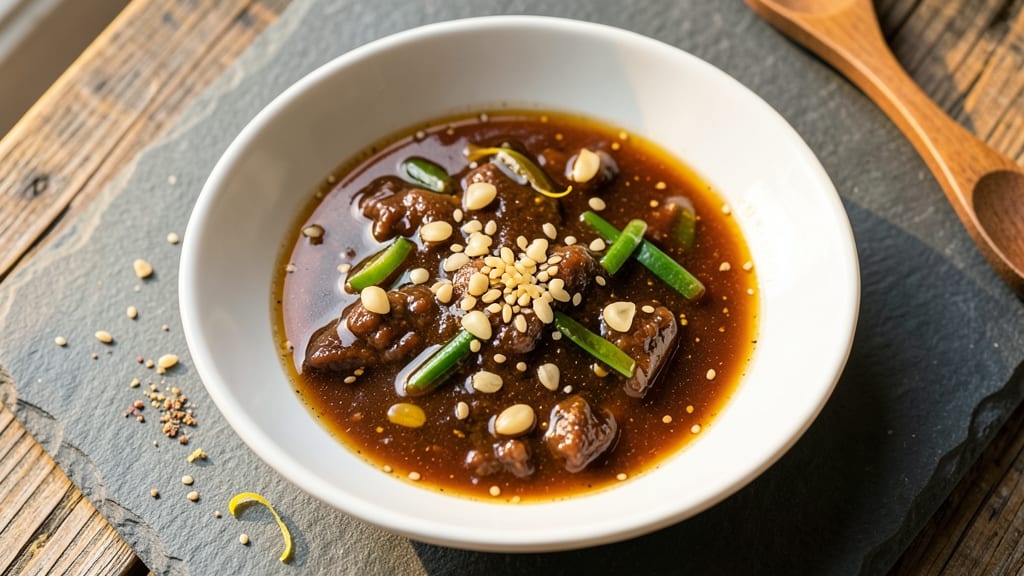
This Asian beef stir-fry sauce recipe transforms simple ingredients into a bold, aromatic sauce that elevates any stir-fry in just 15 minutes. The secret lies in balancing sweet, tangy, and umami flavors—soy sauce, ginger, garlic, and a touch of sesame oil create depth that lingers on the palate.
I developed this sauce after years of testing, ensuring it delivers restaurant-quality results without the fuss of complicated techniques.
What makes this sauce stand out is its versatility—it works with beef, chicken, tofu, or vegetables, and the ingredients are easy to find. The sauce starts with a rich soy base, brightened by fresh ginger and garlic, then rounded out with a hint of honey for balance.
A splash of rice vinegar adds tang, while sesame oil infuses nutty warmth. The result? A glossy, sticky sauce that clings perfectly to proteins and vegetables.
This sauce is designed to be made ahead and stored for up to 2 weeks in the fridge, making it ideal for meal prep. Whether you're cooking for a weeknight dinner or prepping for a busy schedule, this recipe ensures you always have a flavorful sauce on hand.
The flavors deepen as it sits, so the longer you store it, the better it tastes.
Use it as a stir-fry sauce, a marinade, or even a dipping sauce for dumplings. The simplicity of the ingredients doesn’t compromise on flavor—every component plays a crucial role in creating a sauce that’s both aromatic and deeply satisfying. Let’s get started on making this essential pantry staple.
Ingredients for asian beef stir fry sauce
Nine simple ingredients blend into a restaurant-quality stir-fry sauce that transforms any dish.
| Ingredient | Amount | Notes |
|---|---|---|
| Soy Sauce 🍶 | ½ cup | High-quality, light soy preferred |
| Rice Vinegar 🍶 | 2 tbsp | White or seasoned variety |
| Fresh Ginger 🌿 | 2 tbsp | Finely grated, peel removed |
| Garlic Cloves 🧄 | 4 cloves | Minced or finely chopped |
| Honey 🍯 | 1 ½ tbsp | Pure, high-quality honey |
| Sesame Oil 🫒 | 1 tbsp | Toasted sesame oil preferred |
| Cornstarch 🌾 | 1 tsp | For thickening consistency |
| Water 💧 | 1 tbsp | To dissolve cornstarch |
| Red Pepper Flakes 🌶️ | ½ tsp | Adjust for heat preference |
| Salt 🧂 | ½ tsp | Kosher or sea salt |
The soy sauce is the foundation—opt for Kikkoman or Lee Kum Kee for authentic flavor. Fresh ginger and garlic are non-negotiable; peeling and grating ginger (not mincing) releases more aroma. If you're short on time, jarred minced garlic works, but fresh tastes better. Honey should be pure—Manuka or clover adds subtle depth. For sesame oil, toasted varieties from Trader Joe's or Asian markets have richer flavor. Cornstarch is key for that glossy finish—Bob's Red Mill is a reliable brand.
No rice vinegar? Apple cider vinegar works in a pinch, though it’s slightly sweeter. Substitute maple syrup for honey if avoiding sugar. For extra umami, add 1 tbsp fish sauce (if not vegetarian) or 1 tsp mushroom powder. If you dislike spice, skip the red pepper flakes entirely. The sauce thickens as it cools, so add water gradually if it’s too stiff. For a smoother texture, strain through a fine-mesh sieve after mixing.
This sauce keeps for 2 weeks in the fridge in an airtight container, with flavors deepening over time. For longer storage, freeze in ice cube trays—thaw and stir before use. Double the batch if prepping for the week; it reheats beautifully and tastes even better the next day. Store sesame oil separately if you dislike its strong flavor dominating over time.
Why You'll Love This Recipe
- Five-Ingredient Magic: This sauce comes together with stuff you already have—no fancy shopping list. I swear, I’ve made it three times this month using pantry staples, and each time, the balance of salty soy, bright vinegar, and that fresh ginger zing never fails.
- Sweet-Savory Balance: The honey cuts through the sharpness of garlic and ginger like a perfect hug. Honestly, the first time I tasted it, I thought, "Wait, this is why takeout feels so good?"—but way cheaper and healthier.
- Weeknight to Party: Slap this on beef, toss it with veggies, or even drizzle it over noodles—it’s my go-to for lazy Tuesdays and last-minute dinner guests. (Yes, even on a Tuesday night.) The sauce keeps well, so I double it and stash it for when I’m too tired to think.
- Pocketbook Perk: A little goes a long way, and with soy sauce and honey as the base, you’re not breaking the bank. I’ll be real: my grocery bill stays sane, and my freezer stays stocked with this sauce for months—no waste, just flavor.
Step-by-step instructions for wok-hot soy-ginger stir fry sauce
This sauce comes together in minutes with bold umami and perfect balance.
Prepare Aromatics and Sweetener
In a small bowl, combine the 2 tablespoons finely grated fresh ginger with the 4 minced garlic cloves. Set aside—this aromatic base will form the flavor foundation of your sauce. In a separate small bowl, whisk together the 1.5 tablespoons honey with the 0.5 cup soy sauce and 0.5 teaspoon salt until fully dissolved. This sweet-savory blend should look smooth and homogeneous, with no visible honey granules remaining.
I like to use a fine-mesh grater for the ginger to ensure even distribution of flavor throughout the sauce. For the garlic, I prefer a microplane or garlic press to create a fine texture that disperses completely when cooking. This preparation step prevents any large chunks that might remain uncooked in your final sauce.
Create the Thickening Slurry
In a small measuring cup, combine the 1 teaspoon cornstarch with the 1 tablespoon water to create a smooth slurry. Whisk vigorously until completely dissolved—there should be no visible cornstarch particles. This mixture will transform your sauce from thin to perfectly glossy and clingy.
The key here is complete dissolution. Any undissolved cornstarch will create lumps in your sauce, no matter how much you stir later. If you notice any graininess, simply add another teaspoon of water and whisk again until smooth. Set this slurry aside until you're ready to thicken the sauce.
Build the Sauce Base
Heat a small saucepan over medium heat. Add the ginger-garlic mixture and sauté for 1-2 minutes until fragrant but not browned. This step develops the aromatic foundation without letting the garlic burn, which would create bitter flavors. Immediately add the honey-soy mixture and bring to a gentle simmer.
Stir constantly for 2-3 minutes until the mixture reduces slightly and becomes slightly syrupy. You'll notice the sauce darkening slightly as the flavors meld together. This is where the magic happens—the soy sauce develops its deep umami character while the honey adds natural sweetness to balance the acidity from the vinegar we'll add next.
Finish with Acid and Oil
Reduce heat to low and add the 2 tablespoons rice vinegar and 0.5 teaspoon red pepper flakes. Stir continuously for 1 minute until the vinegar is fully incorporated and the sauce begins to thicken slightly. The vinegar will cause the sauce to bubble gently—this is normal and indicates proper acidity balance.
Remove the pan from heat and stir in the 1 tablespoon sesame oil. The oil should immediately coat the sauce, giving it that signature glossy finish and adding nutty depth. Taste and adjust seasoning if needed—you might want to add a touch more soy sauce for saltiness or honey for sweetness, but the current balance should be perfect for most stir fry applications.
Thicken and Test Consistency
Return the sauce to medium heat and gradually whisk in the cornstarch slurry. Stir constantly for 1-2 minutes until the sauce thickens to your desired consistency—it should coat the back of a spoon but still be pourable. The sauce should be glossy with a slight sheen, indicating proper thickening.
For perfect stir fry sauce, the consistency should be thick enough to cling to ingredients but still flow smoothly when tossed. If it thickens too much, simply whisk in 1 teaspoon water at a time until you reach the ideal texture. Let the sauce cool slightly before using—it will thicken further as it sits, so it's better to have it slightly thinner when hot.
Pro Tips For Making Asian Beef Stir Fry Sauce
- MINCE THE GINGER FINE: I learned this the hard way—chunky ginger slices scream "amateur." Use the flat side of your knife to smash the ginger first, then mince it into tiny specks. It dissolves smoothly into the sauce instead of lurking as chewy bits, and the flavor spreads evenly. (Yes, it takes 30 seconds longer, but your sauce will taste like it came from a wok house.)
- COOK GARLIC LOW AND SLOW: That sizzling garlic smell is intoxicating, but it burns faster than you think. Once the oil is shimmering, add the garlic and reduce the heat to just medium-low. Stir constantly and pull it out before it turns golden—nutty brown means bitter, and no one wants that in their stir-fry sauce. (I now set a timer for 30 seconds max.)
- BALANCE THE VINEGAR LAST: Rice vinegar’s acidity cuts through the sweetness, but add it too early and it’ll cook off, leaving your sauce flat. Stir it in at the very end, right before tossing with the beef. Taste as you go—you can always add more, but you can’t take it out. (Pro move: Add a tiny splash of water if the sauce gets too thick from the honey.)
- SWAP HONEY FOR SESAME PASTE: Honey’s great, but sesame paste adds depth without overpowering. Use a 1:1 ratio, but bloom it in the hot oil first for 10 seconds—it’ll release that nutty aroma instantly. The sauce turns richer, and the texture clings better to the beef. (I keep a small jar in the fridge now; it’s worth the $5.)
Essential equipment for this dish
Small Saucepan
Your 10-inch stainless steel saucepan (like the All-Clad Stainless or Calphalon brands) is essential for even heat distribution while making this sauce. The flat bottom prevents hot spots that can burn your aromatics.
I always use a saucepan with a tight-fitting lid—though we won't need it here, it's handy for reheating later. 🔥
Fine-Mesh Grater
A Microplane or Box Grater with fine holes is a game-changer for ginger. It creates ultra-fine particles that dissolve completely into the sauce, unlike pre-grated ginger which often contains starch.
I keep one in my kitchen specifically for ginger and garlic because it makes such a difference in texture and flavor distribution.
Whisk and Silicone Spatula
Your balloon whisk (like the OXO Good Grips model) ensures smooth cornstarch slurry and prevents lumps. Pair it with a heat-resistant silicone spatula for stirring the sauce without scratching your pan. The whisk's wire design also helps incorporate the sesame oil evenly at the end for that signature glossy finish.
Measuring Tools
Precision matters with this recipe, so invest in quality measuring tools. A stainless steel measuring spoons set (like We Are Spoons) ensures accurate measurements for the cornstarch and red pepper flakes.
For liquids, use a clear glass measuring cup—you'll notice the difference when measuring the rice vinegar and sesame oil. I also recommend a digital kitchen scale if you want to measure ingredients by weight for even more consistency.
Fine-Mesh Strainer
While optional, a fine-mesh strainer (like the Heston Blumenthal brand) comes in handy if you prefer a completely smooth sauce. Strain out any tiny ginger or garlic particles after cooking for an ultra-refined texture.
This step is particularly useful if you're using this sauce for elegant presentations or if you dislike any texture in your final dish.
Storage Containers
For leftovers, transfer your sauce to glass airtight containers (like Le Parfait or Weck jars) for up to 2 weeks of fridge storage. The glass preserves flavor better than plastic and won't absorb odors.
I also recommend labeling containers with the date—this sauce tastes even better after a few days as the flavors meld together. For freezing, use silicone ice cube trays so you can thaw just what you need for a single stir-fry.
Nutrition facts
Frequently asked questions
Can I make this sauce without cornstarch?
The cornstarch creates that perfect glossy, clingy texture—but you can substitute 1 teaspoon arrowroot powder or even 1 tablespoon tomato paste for thickening. Just know the sauce will be slightly less glossy. For a completely cornstarch-free version, reduce the sauce longer over low heat until it reaches your desired consistency.
How do I adjust the heat level?
This recipe includes 0.5 teaspoon red pepper flakes for mild heat. For medium heat, increase to 1 teaspoon or add 1 teaspoon sriracha. For extra spicy, use 1 tablespoon gochujang (Korean chili paste)**strong>—it adds depth along with heat. Always taste before adding more!
Will this sauce work with other proteins besides beef?
This sauce works beautifully with chicken, pork, shrimp, or even tofu. For seafood, reduce the rice vinegar to 1 tablespoon to prevent over-acidity. The sauce's balance makes it versatile—just adjust cooking times for different proteins. It's also fantastic as a dipping sauce for dumplings or spring rolls!
Can I make this sauce ahead and freeze it?
Yes, this sauce actually tastes better after resting! Store in an airtight container for up to 2 weeks in the fridge. For freezing, portion into ice cube trays—thaw one cube at a time for single servings. The flavors deepen over time, so it's perfect for meal prep. Just give it a quick stir before using to restore that glossy texture.
What if my sauce is too thin or too thick?
If too thin, whisk in 0.5 teaspoon more cornstarch mixed with 1 teaspoon water. If too thick, thin with 1 teaspoon warm water at a time. The sauce will continue thickening as it cools, so it's better to have it slightly thinner when hot. For stir-fry, you want it to coat ingredients but still flow freely when tossed.