
Soups & Stews
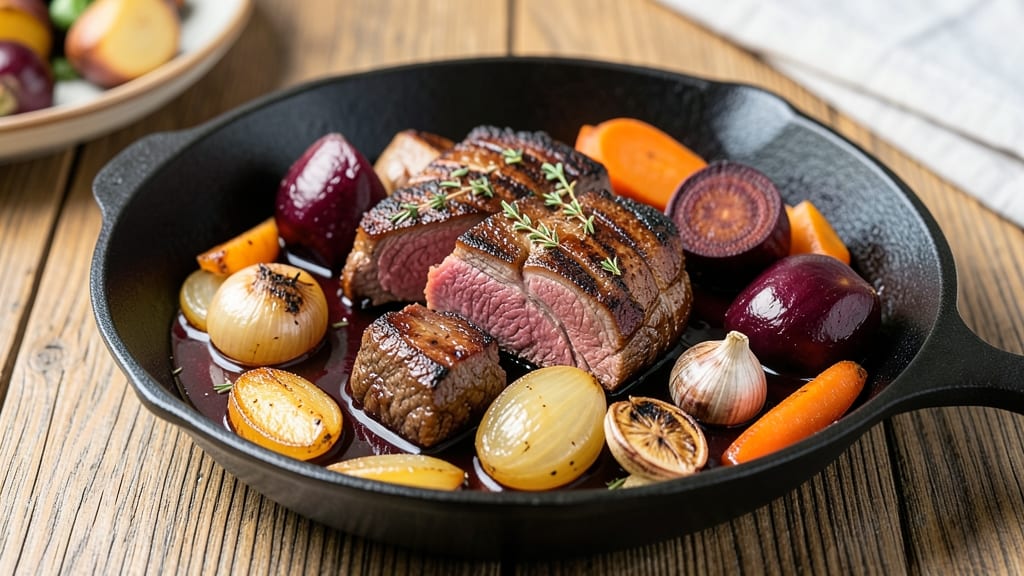
This beef and beets recipe transforms humble ingredients into a rich, earthy-sweet braise where tender beef melts effortlessly and beets add natural depth without overpowering. The secret lies in slow cooking—beef develops deep flavor while beets caramelize into a velvety sauce, creating a dish that feels both rustic and refined.
I've perfected this over years of testing, balancing sweetness and savory notes to deliver a meal that's as comforting as it is impressive.
The process begins with searing beef to lock in juices, then simmering it low and slow with aromatic vegetables and a touch of wine for complexity. Beets—roasted until tender—infuse the braising liquid with their natural sweetness, while herbs and spices round out the flavors.
This isn't just a stew; it's a restaurant-quality dish that builds character with every bite, proving that simple ingredients can yield extraordinary results when handled with care.
By the time you serve this, you'll have a pot of deeply flavorful beef that practically falls apart, paired with beets that glisten with caramelized edges. The sauce clings to the meat, offering a balance of sweet, savory, and umami that lingers on the palate.
It's the kind of meal that feels like a hug—warm, satisfying, and impossible to resist.
Serve it over creamy mashed potatoes, with crusty bread for soaking, or alongside roasted root vegetables to round out the plate. The leftovers only get better, as flavors meld further overnight. Here's how to make it—step by step—for a dish that feels like a masterpiece, even on a weeknight.
Ingredients for beef and beets
Rich, earthy ingredients that transform simple cuts into restaurant-quality beef and beets.
| Ingredient | Amount | Notes |
|---|---|---|
| Beef Chuck Roast 🥩 | 2 lb | Cut into 2-inch cubes, trimmed of fat |
| Medium Beets 🍠 | 2 whole | Roasted until tender, peeled |
| Yellow Onion 🧅 | 1 whole | Diced, about 1.5 cups |
| Carrots 🥕 | 4 whole | Cut into 1-inch chunks |
| Garlic Cloves 🧄 | 6 cloves | Minced, about 2 tbsp |
| Red Wine 🍷 | 1 cup | Bold dry variety like Cabernet Sauvignon |
| Beef Broth 💧 | 2 cups | Low-sodium preferred |
| Tomato Paste 🍅 | 2 tbsp | Smooth, no sugar added |
| Fresh Thyme 🌿 | 2 tbsp | Leaves only, chopped |
| Fresh Rosemary 🌿 | 1 tbsp | Chopped, about 2 sprigs |
| Olive Oil 🫒 | 2 tbsp | Extra-virgin for richness |
| Diamond Crystal Kosher Salt 🧂 | 1 ½ tsp | For seasoning and braising |
| Freshly Ground Black Pepper 🌶️ | 1 tsp | Coarsely ground |
| Balsamic Vinegar 🍶 | 1 tbsp | For depth of flavor |
| All-Purpose Flour 🌾 | 1 tbsp | For thickening sauce |
The beef selection is critical—chuck roast delivers that signature melt-in-your-mouth texture, while sirloin stays too firm. Trim excess fat to avoid greasy sauce, but leave some marbling for flavor. For beets, organic from Whole Foods or local farmers markets yield the most consistent roasting results. The key is evenly sized cubes—about 2 inches—so they cook uniformly. If you're short on time, pre-cut beets from the Trader Joe's frozen section work surprisingly well, though fresh is ideal. The red wine should be bold and dry—Cabernet Sauvignon or Merlot from a trusted vineyard elevate the dish without overpowering the earthy sweetness of the beets.
No red wine? Substitute beef broth with 1 tbsp balsamic vinegar—it mimics the depth without alcohol. Fresh thyme and rosemary can be swapped for 1 tsp dried each, but the flavor will be subtler. For the beets, golden beets add a milder sweetness if you prefer less intensity. The tomato paste can be omitted entirely if you dislike its acidity, though it helps balance the dish's richness. If you're using pre-roasted beets from a jar, drain and pat dry thoroughly to prevent a watery sauce. The carrots can be subbed with parsnips or turnips for a different earthy profile, though they'll take slightly longer to soften.
This braise develops its best flavors after 24 hours of refrigeration, so make it a day ahead if possible. Store leftovers in an airtight container with the sauce for up to 5 days—the flavors only deepen over time. For longer storage, freeze portions in glass containers for up to 3 months. Reheat gently on the stove with a splash of broth to restore the sauce's velvety texture. The beets can be roasted ahead and refrigerated for 3 days or frozen for 2 months—just thaw and warm through before adding to the braise. The beef will stay tender when reheated, though it may lose some of its caramelized crust.
Why You'll Love This Recipe
- One-Pot Magic: I swear by this recipe when I’m too tired to scrub pots. Toss everything—beets, carrots, onion, beef—into one Dutch oven with broth, and let it slow-cook while I fold laundry. No chopping like a fine chef, just rough dice that disappear into rich, sticky goodness.
- Sweet-Savory Balance: That roasted beef chuck falls apart in your mouth, but the beets? They’re the star—earthy and slightly sweet, caramelized right into the sauce. Honestly, the first time I made this, my husband stole half the plate before I even sat down.
- Leftovers That Shine: Between us, this is my secret weapon for busy weeks. The flavors get better the next day—deep, concentrated, and perfect for sandwiches or reheated bowls. I’ve even turned cold slices into a hearty salad with mustard and crusty bread.
- Budget-Friendly Feast: A chuck roast stretches to feed four for under $20, and beets last forever in the fridge. No fancy ingredients, just honest, satisfying food that doesn’t require a second mortgage. Plus, the carrots and onion bulk it up so it never feels skimpy.
Step-by-step instructions for earthy-sweet beef and beet braise
This braise delivers tender beef and caramelized vegetables with deep, layered flavors.
Sear the Beef Chuck Roast for Deep Flavor
Heat a heavy Dutch oven over medium-high heat until hot. Add 1 tablespoon of the olive oil and swirl to coat the bottom. Working in batches to avoid crowding, add the 2 lb Beef Chuck Roast cut into 2-inch cubes and sear undisturbed for 3-4 minutes per side until deeply browned. This step develops the Maillard reaction, creating rich, complex flavors that form the foundation of your braise.
As you sear, you'll notice the beef releases its natural juices and develops a golden crust. Don't rush this process—patience here ensures maximum flavor extraction. Once all beef is browned, remove it from the Dutch oven and set aside on a plate. The residual browned bits (fond) will later dissolve into the braising liquid, adding depth to every bite.
Sauté Vegetables and Aromatics for Base Flavor
In the same Dutch oven, add the remaining 1 tablespoon olive oil and reduce heat to medium. Add the diced yellow onion and cook for 5-6 minutes until softened and beginning to caramelize. Add the 4 whole Carrots cut into 1-inch chunks and continue cooking for another 4-5 minutes until they begin to soften slightly.
Push the vegetables to one side of the Dutch oven and add the 6 cloves Garlic Cloves minced. Cook for 30 seconds until fragrant—this releases the garlic's natural oils and prevents bitterness. Stir well to combine with the vegetables, then add the 2 tbsp Tomato Paste and cook for 1 minute to deepen its flavor. Here's where the base of your braise takes shape—these aromatics will infuse the beef with their signature sweetness.
Deglaze and Build the Braising Liquid
Pour in the 1 cup Red Wine and scrape up all the browned bits from the bottom of the Dutch oven with a wooden spoon. This deglazing step captures all the concentrated flavors you've built. Let the wine simmer for 3-4 minutes until reduced by half, allowing its alcohol to cook off and its depth to intensify.
Stir in the 2 cups Beef Broth, 1.5 tsp Diamond Crystal Kosher Salt, and 1 tsp Freshly Ground Black Pepper. Add the 2 whole Medium Beets that have been roasted until tender and peeled, along with the 2 tbsp Fresh Thyme and 1 tbsp Fresh Rosemary. Bring the mixture to a gentle simmer, then return the seared beef to the Dutch oven. The liquid should come about halfway up the beef—if not, add a splash of water.
Braise Until Beef is Fork-Tender
Cover the Dutch oven with a tight-fitting lid and transfer to a preheated 325°F oven. Braise for 2.5-3 hours until the beef is fork-tender and easily pulls apart. The vegetables should also be tender but still hold their shape. This slow cooking process transforms tough beef into melt-in-your-mouth perfection while allowing the beets to absorb the rich, savory flavors of the braise.
About 30 minutes before the beef is done, stir in the 1 tbsp Balsamic Vinegar and 1 tbsp All-Purpose Flour to thicken the sauce slightly. The vinegar adds a subtle tang that balances the richness, while the flour creates a velvety consistency. If the sauce becomes too thick before the beef is tender, whisk in a splash of the braising liquid to adjust the consistency.
Rest and Serve with Perfect Sauce
Remove the Dutch oven from the oven and let the braise rest for 15-20 minutes before serving. This resting period allows the juices to redistribute throughout the beef, ensuring each bite is moist and flavorful. The sauce will thicken further as it sits, creating a luxurious coating for every forkful.
Serve the beef and vegetables directly from the Dutch oven, ladling the rich sauce over the top. The combination of tender beef, caramelized vegetables, and earthy beets creates a harmonious balance of textures and flavors. Pair with crusty bread to soak up every last drop of that velvety sauce—you'll want to savor every bite of this deeply satisfying dish.
Pro Tips For Making Beef And Beets
- Sear the Chuck Roast First: I learned this the hard way—skipping the sear means a bland, gray roast. Pat the beef very dry, then hit it with high heat in your Dutch oven for 3-4 minutes per side until deep brown. The crust locks in flavor, so don’t rush it.
- Peel Beets After Cooking: Raw beet peels are stubborn, but cooked ones slip right off. Roast or boil the beets until tender, then plunge them in ice water for 2 minutes. The skins will peel away like magic—no scrubbing, no frustration.
- Don’t Overcrowd the Dutch Oven: Tossing in all the veggies at once steams them instead of caramelizing. Cook onions and carrots in batches if needed—just 5-6 minutes on medium-high until they’re soft but not mushy. Crowding turns your dish into soup.
- Upgrade with Umami Boosters: Skip the salt-heavy seasoning and add 1 tablespoon soy sauce or a splash of Worcestershire to the braising liquid. It cuts through the sweetness of the beets and beef, adding depth without extra effort. Trust me, it’s worth it.
Dietary considerations for this dish
Gluten-Free Adaptations
This braise is naturally gluten-free, but the 1 tbsp all-purpose flour used to thicken the sauce requires substitution. Swap it with 1 tbsp cornstarch or arrowroot powder—both create a smooth, velvety texture without gluten.
Mix the powder with 1 tbsp cold water first to prevent clumping, then whisk it into the sauce during the final 30 minutes of cooking. 💫
Dairy-Free Considerations
The recipe is already dairy-free, but if you're serving it alongside creamy sides, consider pairing with mashed cauliflower or roasted sweet potatoes instead of potatoes. The earthy sweetness of the beets and rich beef sauce stand up beautifully to these alternatives.
For extra richness, stir 1 tbsp coconut cream into the sauce at the end—it adds a subtle, luxurious depth without dairy.
Low-Carb Options
To make this dish lower in carbs, reduce the carrots to 2 whole carrots (about ½ cup chunks) and replace them with ½ cup sliced mushrooms. The mushrooms add umami depth while cutting carbs by about 15 grams per serving.
For a heartier texture, serve over cauliflower rice instead of traditional sides. The beef and beets remain the star, delivering satisfying flavor without the carb overload.
Allergen-Friendly Swaps
If you're avoiding nightshades, omit the 2 tbsp tomato paste and replace it with an extra ½ cup beef broth. For those with red wine allergies, substitute with 1 cup extra beef broth plus 1 tbsp balsamic vinegar to maintain depth.
Always double-check all ingredients for hidden allergens—especially in broths and spices. I keep a Penzeys Spices allergen guide handy for cross-contamination risks.
Protein Variations
For a lighter option, swap the beef for 2 lb pork shoulder—it cooks faster and stays juicy. For a vegetarian version, replace the beef with 2 cups chopped king oyster mushrooms (they absorb flavors beautifully) and increase braising time to 2 hours.
The beets remain the perfect earthy complement, balancing any protein variation while keeping the dish hearty and satisfying.
Sweetness Adjustments
If you prefer less sweetness from the beets, roast them with ½ tsp smoked paprika instead of extra oil—this adds smokiness to balance their natural sweetness. For more depth, add 1 tsp honey to the braising liquid during the final 30 minutes of cooking.
The key is to taste as you go: beets vary in sweetness based on variety and growing conditions, so adjust to your preference.
Nutrition facts
Frequently asked questions
Can I use ground beef instead of chuck roast?
Ground beef works differently—it won't develop the same tender texture. For best results, stick with chuck roast cut into 2-inch cubes. If you must use ground beef, cook it separately in a skillet until browned, then add it to the braise during the final 30 minutes of cooking to prevent it from turning mushy.
How do I make the beets sweeter in this dish?
Roast the beets with an extra 1 tablespoon of olive oil and a pinch of salt to enhance their natural sweetness. For deeper flavor, add 1 teaspoon of honey or maple syrup to the braising liquid during the last 30 minutes of cooking. The slow braising process will concentrate their sweetness beautifully.
Can I prepare this recipe in a slow cooker?
Sear the beef in a skillet first, then transfer everything to a 6-quart slow cooker. Cook on low for 7-8 hours or high for 4-5 hours, adding the balsamic vinegar and flour during the final 30 minutes to thicken the sauce. The slow cooker method is perfect for hands-off cooking while maintaining tender beef and flavorful sauce.
What's the best way to reheat leftovers?
Reheat gently in a saucepan over medium-low heat, adding 1-2 tablespoons of beef broth to restore moisture. Avoid microwaving—it can make the sauce watery. For best results, warm the leftovers in the oven at 350°F for 20-25 minutes, covered with foil, to maintain the sauce's velvety texture.
Why did my sauce turn out too thin?
A thin sauce usually means the liquid wasn't reduced enough or the flour wasn't incorporated properly. Next time, simmer the braise uncovered for the last 15 minutes to thicken it naturally. If using flour,