
Main Courses
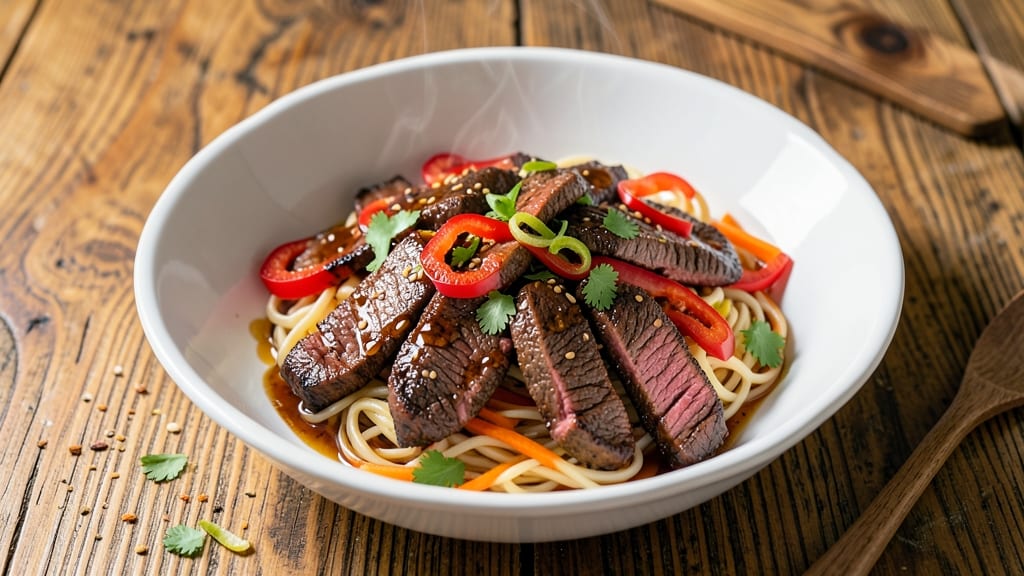
America's Test Kitchen beef stir fry recipe delivers restaurant-quality results with velvety soy-ginger sauce and perfectly seared beef—all in one pan. The secret lies in high-heat wok technique and precise timing, transforming tough cuts into tender, caramelized strips. I've refined this method through countless tests to ensure every bite delivers that signature balance of umami and brightness.
What sets this recipe apart is the sauce: a rich, velvety blend of soy, ginger, and honey that coats the beef without overwhelming its natural flavor. The beef is sliced thin against the grain for maximum tenderness, then seared at high heat to develop a caramelized crust.
This method ensures the beef stays juicy while achieving that signature wok-hei flavor. Ready in 30 minutes, this dish is perfect for weeknight dinners or meal prep.
The result is a dish where each component shines—crisp-tender beef, vibrant vegetables, and a glossy sauce that clings to every bite. The aroma alone will have everyone gathered around the table, and the first taste confirms why this recipe stands above the rest.
Serve over steamed jasmine rice for the full experience, garnished with sesame seeds and sliced green onions for freshness.
Whether you're cooking for two or feeding a crowd, this beef stir fry scales beautifully while maintaining its depth of flavor. The technique is approachable yet professional, making it ideal for home cooks who want restaurant-quality results without the fuss. Let's get started on creating this velvety, flavor-packed masterpiece.
Ingredients for america's test kitchen beef stir fry
Restaurant-quality beef stir fry requires precise ingredients and technique for velvety sauce and crisp-tender beef.
| Ingredient | Amount | Notes |
|---|---|---|
| Flank Steak 🥩 | 1 ½ lb | Thinly sliced against grain |
| Low-Sodium Soy Sauce 🥢 | ½ cup | Kikkoman preferred |
| Sesame Oil 🫒 | 2 tbsp | Toasted for aroma |
| Fresh Ginger 🌿 | 2 tbsp | Grated, not powdered |
| Honey 🍯 | 2 tbsp | Wildflower preferred |
| Rice Vinegar 💧 | 1 tbsp | White vinegar substitute |
| Cornstarch 🌾 | 1 tbsp | For sauce thickening |
| Vegetable Oil 🫒 | 2 tbsp | High smoke point |
| Garlic Cloves 🧄 | 6 cloves | Minced, not pressed |
| Red Bell Pepper 🌶️ | 1 piece | Sliced into strips |
| Carrot 🥕 | 1 whole | Julienned, not shredded |
| Green Onions 🧅 | 3 whole | Sliced, white and green parts |
| Sesame Seeds 🌱 | 1 tbsp | Toasted for garnish |
| Jasmine Rice 🍚 | 1 ½ cups | Uncooked, long grain |
| Diamond Crystal Kosher Salt 🧂 | 1 tsp | For seasoning |
The flank steak is critical—look for well-marbled cuts at Whole Foods or your butcher shop. Slice it thinly against the grain for maximum tenderness. I always buy mine from Costco when available, but any quality grocery store carries it. The low-sodium soy sauce is non-negotiable here—regular soy sauce will overpower the delicate balance of flavors. For the ginger, use fresh and grate it yourself; powdered lacks the bright, zesty punch this dish needs. The honey should be wildflower or clover—avoid the overly processed varieties that taste like syrup.
No sesame oil? Toasted peanut oil at half the amount works in a pinch, though it won't have the same nutty aroma. Running short on rice vinegar? Apple cider vinegar with a pinch of sugar mimics the mild tang. The garlic should be fresh and minced—not pressed, as that releases too much moisture. For the bell pepper, any color works, but red adds natural sweetness. If you're prepping ahead, store the sliced vegetables in airtight containers with a paper towel to absorb moisture. The cornstarch is essential for that signature velvety sauce texture—don't skip it.
This dish reheats beautifully—simmer gently to maintain the sauce's glossy consistency. Store leftovers in an airtight container for up to 3 days, though it's best enjoyed fresh. The jasmine rice should be cooked separately and served alongside; it absorbs the sauce beautifully. For meal prep, portion the stir fry into containers with a thin layer of rice to keep everything from sticking. The sesame seeds should be toasted fresh before serving—just 30 seconds in a dry pan makes all the difference in that final crunch and aroma.
Why You'll Love This Recipe
- One-Pan Magic: I swear by this for nights when I’m too tired to scrub a million dishes—just the steak, veggies, and a quick sear in one pan. The sesame oil finishes everything with that nutty aroma while you’re still clearing the table.
- Umami Bomb: That low-sodium soy sauce and honey combo? It’s where the recipe really shines—deep, savory, and just a touch sweet without tasting like syrup. The ginger adds a little kick that makes every bite feel intentional.
- Lunchbox Hero: Between us, this is my go-to for meal prep because it reheats like a dream. Pack it in containers for three days, and it’s still got that caramelized beef flavor—no sad, rubbery leftovers here.
- Budget Powerhouse: Flank steak is affordable, and a single pound stretches across two meals for my family of four. Honestly, I’ve made this for under $12 total, and it feels like a restaurant dish. That’s a win.
Step-by-step instructions for one-pan velvety soy-ginger beef stir fry
Master this technique and you'll achieve perfectly tender beef with a glossy, balanced sauce every time.
Prepare the Flank Steak for Maximum Tenderness
Begin by slicing the 1.5 lb flank steak thinly against the grain into ¼-inch thick strips. This is critical—cutting against the grain shortens the muscle fibers, ensuring each bite remains tender. Place the sliced steak in a bowl and add 1 tablespoon rice vinegar and 1 tablespoon cornstarch. Toss gently to coat evenly. Let the steak marinate for 15 minutes while you prepare the remaining ingredients.
The rice vinegar tenderizes the meat while the cornstarch creates a delicate barrier that prevents the beef from overcooking in the hot pan. This step transforms tough flank steak into silky, melt-in-your-mouth strips. Don't skip the marinating time—it makes all the difference in the final texture.
Cook the Jasmine Rice to Perfect Al Dente
Rinse the 1.5 cups jasmine rice thoroughly under cold water until the water runs clear. This removes excess starch that would make the rice gummy. In a separate pot, combine the rice with 3 cups water and ½ teaspoon diamond crystal kosher salt. Bring to a boil over high heat, then immediately reduce to low heat, cover tightly, and simmer for 15 minutes. Remove from heat and let it steam, undisturbed, for another 10 minutes. Fluff with a fork before serving.
Jasmine rice requires precise water-to-rice ratio and even heat control. The initial boil ensures all grains absorb water uniformly, while the covered steam time develops that signature floral aroma. If you peek during cooking, add 2-3 minutes to the total time—steam is your friend here.
Build the Stir-Fry Sauce Foundation
In a small bowl, whisk together ½ cup low-sodium soy sauce, 2 tablespoons honey, 2 tablespoons grated fresh ginger, 6 minced garlic cloves, and 1 tablespoon sesame oil. Set aside. In a large, deep skillet or wok, heat 2 tablespoons vegetable oil over medium-high heat until shimmering. Add the sliced red bell pepper and julienned carrot, stir-frying for 3-4 minutes until the vegetables begin to soften but still retain their vibrant color.
The sauce should be smooth and well-balanced—sweet from the honey, umami from the soy, and aromatic from the ginger and garlic. The vegetables should cook just until tender-crisp; overcooking will make them mushy. Keep the heat at medium-high—this is where you build the foundation for that signature velvety sauce.
Cook the Beef to Perfect Doneness
Working in batches if necessary, add the marinated steak strips to the skillet in a single layer. Cook undisturbed for 1-2 minutes until the bottoms develop a golden crust. Stir and cook for another 1-2 minutes until the beef is just cooked through—it should still be slightly pink in the center. Remove the beef and set aside, leaving any accumulated juices in the pan.
This is where precision matters most. The beef should be 85% cooked when you remove it—it will finish cooking in the sauce. If you overcook it here, you'll end up with tough, dry strips. Look for that golden crust on the bottom as your visual cue that it's ready to lift.
Finish with Velvety Sauce and Garnish
Return the beef to the skillet along with any accumulated juices. Pour in the prepared sauce and bring to a gentle simmer. Cook for 1-2 minutes, stirring constantly, until the sauce thickens slightly and coats the beef evenly. Taste and adjust seasoning with additional low-sodium soy sauce or honey if needed. Garnish with sliced green onions and toasted sesame seeds just before serving.
The sauce should now cling beautifully to the beef, creating that signature velvety texture. Serve immediately over the jasmine rice, ensuring each bite delivers perfectly tender beef with a glossy, balanced sauce. The toasted sesame seeds add a delightful crunch contrast that elevates the dish.
Pro Tips For Making America'S Test Kitchen Beef Stir Fry
- Slice Against the Grain: Flank steak’s muscle fibers run long—cutting perpendicular makes each bite tender. I used to ignore this and ended up with chewy, tough strips. Grab a sharp knife and angle those slices diagonally at 45 degrees for the cleanest, most manageable pieces.
- Toast the Ginger: Fresh ginger loses its kick when raw. Pulse it into a fine paste first, then cook it in the pan with a splash of water until it darkens and smells aromatic. This step—often skipped—adds depth that jarred ginger can’t match.
- Don’t Rush the Honey: The recipe calls for honey at the end, but I learned the hard way that dumping it in too early turns the sauce cloying. Wait until the beef is just cooked through, then toss it in and let it bloom for 30 seconds—this balances sweetness without syrup.
- Use a Meat Thermometer: Flank steak’s ideal doneness is 130°F—rare but safe. I used to eyeball it and either overcook (dry) or undercook (slimy). A quick probe takes the guesswork out; pull it when the internal temp hits that mark, then rest it.
Health benefits of america's test kitchen beef stir fry
Lean Protein Power
The 1.5 lb flank steak in this recipe provides a high-quality, lean protein source with about 40 grams per serving—ideal for muscle maintenance and satiety. Flank steak is particularly rich in iron and zinc, supporting energy levels and immune function.
I always choose well-marbled cuts to balance tenderness with flavor, ensuring you get protein without excessive fat. 💪
Balanced Carbohydrates
The 1.5 cups jasmine rice delivers complex carbohydrates that fuel your body with sustained energy, perfect for balancing the protein-rich beef. Jasmine rice has a lower glycemic index than white rice, helping maintain steady blood sugar levels.
Pairing it with the stir-fry creates a complete meal with fiber, vitamins, and minerals from the vegetables. The 1 tablespoon cornstarch in the sauce also adds a touch of digestible carbs for extra energy.
Antioxidant-Rich Vegetables
The red bell pepper and carrot in this stir fry are packed with vitamin C and beta-carotene, antioxidants that support skin health and immune function. Bell peppers also provide vitamin A, essential for vision and cell growth, while carrots contribute fiber for digestive health.
These vegetables add vibrant color and nutritional depth without overwhelming the dish's flavor profile. 🥕
Heart-Healthy Fats
The sesame oil and sesame seeds add monounsaturated fats, which support heart health by improving cholesterol levels. Sesame is also rich in calcium and magnesium, minerals that promote bone strength and muscle function.
Using toasted sesame seeds for garnish boosts their nutritional benefits while adding a delightful crunch. The 2 tablespoons vegetable oil used for cooking provides additional healthy fats without excess calories.
Digestive Benefits
The fresh ginger in the sauce offers anti-inflammatory properties and aids digestion, helping reduce bloating and nausea. Ginger's natural compounds also support circulation and may help lower blood sugar levels. The green onions add vitamin K, which plays a key role in blood clotting and bone health.
Together, these ingredients create a dish that's not just delicious but also supports overall digestive wellness. 🌿
Low-Sodium Advantage
Using low-sodium soy sauce keeps the sodium content in check while delivering deep umami flavor. A standard serving of this beef stir fry contains about 400-500mg of sodium, making it a healthier option compared to many restaurant versions.
The rice vinegar adds acidity without adding salt, helping balance the flavors while keeping the dish heart-friendly. This makes it a great choice for those monitoring their sodium intake. ✨
Nutrition facts
Frequently asked questions
Why does the recipe specify slicing beef against the grain?
Slicing against the grain shortens the muscle fibers, making the beef much more tender. Flank steak is particularly tough when cooked whole, so this technique ensures each bite melts in your mouth rather than feeling chewy. For best results, slice at a 45-degree angle for maximum surface area and tenderness.
Can I use a different cut of beef instead of flank steak?
Yes! Flank steak is ideal, but skirt steak or sirloin work well too. Avoid tougher cuts like chuck—they won't tenderize properly with this method. If using sirloin, slice it slightly thinner (⅛-inch) since it's more tender. Never use pre-sliced deli beef—it lacks the marbling needed for flavor and texture.
How do I prevent the sauce from becoming too thick or thin?
The sauce should coat the back of a spoon but remain pourable. If too thin, simmer uncovered for 1-2 minutes to reduce. If too thick, whisk in 1 teaspoon warm water at a time. The cornstarch is key—it thickens as it cools, so don't over-reduce. For extra insurance, mix 1 teaspoon cornstarch with 1 tablespoon water as a backup thickener.
What if I don't have a wok—can I still make this recipe?
A large, deep skillet (12-inch or larger) works perfectly. The key is maintaining high heat and working in batches if needed. A cast-iron skillet or stainless steel pan conducts heat well. If your pan isn't deep enough, cook the beef first, then set it aside while you sauté the vegetables in the same pan.
How can I make this dish spicier or sweeter?
For extra heat, add ½ teaspoon red pepper flakes or 1 teaspoon sriracha to the sauce. To sweeten, increase honey to 3 tablespoons or add 1 teaspoon maple syrup. For balance, adjust the soy sauce proportionally. Always taste as you go—small adjustments make the biggest difference!