
Soups & Stews
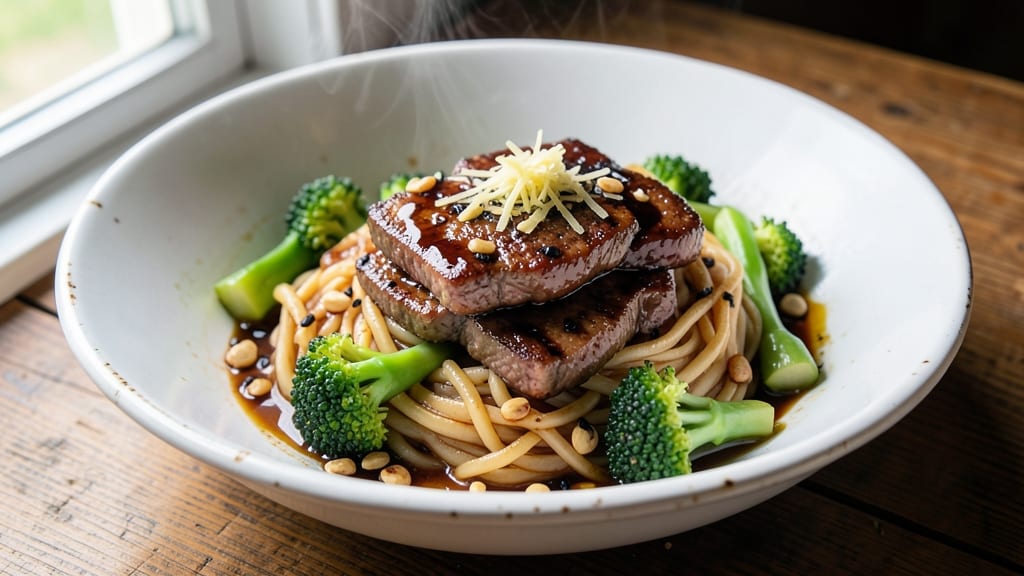
This beef and broccoli udon stir fry recipe delivers restaurant-quality flavors with silky noodles and perfectly caramelized beef—all in under 30 minutes. The secret lies in high-heat searing for tender beef and a savory-sweet sauce that coats every strand of udon. I developed this recipe after craving the rich umami and satisfying texture of my favorite takeout dish, but with a lighter, more balanced approach at home.
The technique is straightforward: sear thinly sliced beef until deeply browned, then stir-fry crisp-tender broccoli before combining everything with udon noodles and a homemade sauce. Unlike traditional versions that rely on heavy soy-based sauces, this recipe balances sweet and savory with a touch of ginger and garlic for depth.
The result is a dish that's both comforting and refined—ideal for weeknight dinners or meal prep.
What makes this recipe stand out is the contrast of textures: tender beef bites, crisp broccoli florets, and silky udon that soak up the sauce without turning mushy. The caramelized edges on the beef add a smoky depth, while the sauce ties everything together with a glossy, aromatic finish.
Serve it with a sprinkle of sesame seeds and green onions for freshness, or drizzle with a little chili oil for heat.
Whether you're cooking for one or feeding a crowd, this stir fry scales effortlessly. Use pre-cooked udon noodles to save time, or make it from scratch for a more authentic touch.
The key is keeping everything moving in the pan—just like a wok—so the beef stays juicy and the broccoli stays crisp. Let's get started!
Ingredients for beef and broccoli udon stir fry
Silky udon, tender beef, and crisp broccoli—just nine key ingredients for a restaurant-worthy stir fry.
| Ingredient | Amount | Notes |
|---|---|---|
| Flank Steak 🥩 | 1 lb | Thinly sliced against grain |
| Dried Udon Noodles 🍜 | 8 oz | Pre-cooked, or fresh if preferred |
| Broccoli Florets 🥦 | 4 cups | Cut into bite-sized pieces |
| Garlic Cloves 🧄 | 4 cloves | Minced finely for sauce |
| Fresh Ginger 🌿 | 1 tbsp | Grated finely, or 1 tsp ground |
| Sesame Oil 🫒 | 1 tbsp | For aroma, not cooking |
| Soy Sauce 🍶 | ½ cup | Low-sodium preferred |
| Honey 🍯 | 1 tbsp | For balanced sweetness |
| Rice Vinegar 🍶 | 1 tbsp | White or seasoned |
| Vegetable Oil 🫒 | 2 tbsp | High smoke point preferred |
| Sesame Seeds 🌾 | 1 tbsp | Toasted for garnish |
| Green Onions 🧅 | 3 whole | Sliced thinly for garnish |
| Salt 🧂 | 1 tsp | Kosher or sea salt |
| Black Pepper 🌶️ | ½ tsp | Freshly ground preferred |
The beef is where the magic happens. Flank steak delivers that perfect chew, but sirloin or ribeye work too—just slice it thinly against the grain. Look for well-marbled cuts at your local butcher or the meat counter for the best texture. Udon noodles? Pre-cooked dried udon is the easiest option, but fresh udon (found in the freezer section) gives a more authentic texture. If you can't find udon, soba noodles are a decent swap, though they'll be slightly thinner. Broccoli should be bright green and firm—Trader Joe's or Whole Foods often have the freshest florets.
No sesame oil? Toasted sesame seeds plus a neutral oil will give you that nutty aroma. Short on honey? Maple syrup or agave nectar work in a pinch, though honey's floral notes are ideal. The sauce is the heart of this dish—balance is key. Taste as you go: more soy for saltiness, vinegar for tang, or honey for sweetness. For extra depth, a dash of fish sauce (if not vegetarian) or soy sauce with a pinch of sugar can replace the honey. And if you're prepping ahead, cook the beef and broccoli separately—they reheat beautifully when combined later.
Store prepped ingredients separately for up to 3 days in the fridge. The sauce keeps for 5 days if refrigerated. For meal prep, portion the cooked beef and veggies into containers, then reheat with fresh noodles and sauce. The udon absorbs the sauce better when hot, so microwave for 30 seconds before tossing. Garnishes like sesame seeds and green onions can wait until serving—they add freshness that wilts when reheated. Freeze the sauce separately for up to 3 months if you want to make it ahead.
Why You'll Love This Recipe
- One-Pan Magic: I swear by this—no chopping boards, no extra bowls, just a single wok or skillet where the garlic sizzles, the ginger blooms, and the flank steak caramelizes right alongside the broccoli. The udon noodles? Toss them in last, soak up the sauce, and boom—done. My lazy nights thank me every time.
- Umami Bomb: That first bite of tender flank steak with its crispy edges? Then the broccoli—still bright and snappy—cutting through the rich, salty-sweet sauce. The ginger and garlic aren’t just background players; they’re the stars here, making this dish ridiculously addictive. Honestly, I’ve made it for takeout nights and still reached for seconds.
- Lunchbox Hero: Between us, this is my go-to for meal prep. Cook a big batch on Sunday, and I’ve got three days of lunches: reheat the noodles with a splash of water, and the stir-fry stays just as good. My kids grab it for school—yes, even the picky one—because it’s not "bland" or "weird." Just solid, satisfying food that travels well.
- Budget Flex: Flank steak stretches farther than you’d think when sliced thin, and dried udon is cheaper than fresh pasta. Broccoli’s a veggie that doesn’t judge your wallet, and a few cloves of garlic plus a thumb of ginger? That’s it for the fancy stuff. I’ll be real: this feeds four for under $15, and leftovers taste just as good cold the next day.
Step-by-step instructions for beef and broccoli udon stir fry
Master this technique and you'll achieve perfectly caramelized beef bites with silky udon noodles every time.
🍳 Step 1: Marinate and Sear the Flank Steak
Slice the 1 lb flank steak thinly against the grain into ¼-inch strips. In a bowl, combine the steak with 0.5 cup soy sauce, 1 tbsp honey, 1 tbsp rice vinegar, 1 tsp salt, and 0.5 tsp black pepper. Marinate for at least 20 minutes—this ensures tender, flavorful beef. Heat 1 tbsp vegetable oil in a large skillet over high heat until shimmering. Add the steak in a single layer and sear for 2-3 minutes without stirring, until deep golden brown and slightly charred on the edges. Flip and cook another 1-2 minutes until fully cooked. Remove and set aside.
Here's the thing—don't overcrowd the pan. If you need to work in batches, that's fine, but keep the heat high to maintain that perfect sear. The steak should release easily from the pan when ready, indicating it's cooked through. If it sticks, reduce the heat slightly and let it cook longer without moving it.
🍳 Step 2: Cook the Udon Noodles
Bring a pot of water to a rolling boil and cook the 8 oz dried udon noodles according to package instructions—usually 4-5 minutes for al dente texture. Drain and rinse briefly under cold water to stop the cooking process. Toss the noodles with 1 tbsp sesame oil to prevent sticking and keep them silky. Set aside in a large bowl.
I like to reserve ½ cup of pasta water before draining—this starchy liquid comes in handy later if the sauce needs thinning. Don't skip rinsing the noodles; it removes excess starch that can make them gummy. The noodles should be tender but still hold their shape when tossed.
🍳 Step 3: Stir-Fry the Broccoli and Aromatics
In the same skillet (no need to clean it—the fond adds flavor), heat the remaining 1 tbsp vegetable oil over medium-high heat. Add the 4 cups broccoli florets and stir-fry for 3-4 minutes until bright green and just tender-crisp. Add the 4 minced garlic cloves and 1 tbsp grated fresh ginger, cooking for 30 seconds until fragrant. Push the vegetables to one side of the pan and add the cooked steak back in.
Watch the broccoli carefully—it should stay vibrant and slightly crisp. Overcooking turns it mushy, which ruins the texture contrast we want in this dish. The garlic and ginger should sizzle and release their aroma almost immediately; if they burn, reduce the heat slightly. This is where the foundation of your stir-fry flavor builds.
🥘 Step 4: Combine and Finish the Stir-Fry
Return all the ingredients to the skillet and toss everything together. Add the cooked udon noodles and stir-fry for 1-2 minutes until everything is well coated and heated through. Taste and adjust seasoning if needed—you might want to add a splash of reserved pasta water to loosen the sauce slightly. The dish should be flavorful but not overly saucy.
This is the moment that matters: balance is key. The sauce should cling to the noodles and beef without being watery. If it's too thick, add a little pasta water; if it's too thin, let it reduce for another 30 seconds. The beef should be caramelized, the broccoli bright, and the noodles silky—each bite should deliver all these textures together.
🍽️ Step 5: Garnish and Serve Immediately
Transfer the stir-fry to serving bowls and garnish with 1 tbsp toasted sesame seeds and 3 sliced green onions. Serve immediately while hot—this dish doesn't wait. The contrast of textures and temperatures makes every bite exciting: crisp broccoli, tender beef, and silky noodles all coming together in one perfect mouthful.
Real talk: the sesame seeds should be toasted in a dry skillet over medium heat for 30-60 seconds until fragrant and golden. This adds an extra layer of flavor that takes the dish from good to exceptional. Don't skip this step—it's what separates homemade from takeout.
Pro Tips For Making Beef And Broccoli Udon Stir Fry
- Slice Thin, Cook Fast: I learned this the hard way—thinly sliced flank steak (about ⅛-inch thick) sears in seconds and stays tender. If you’re using a knife, angle it sharply and slice against the grain; if you’re lazy like me, a sharp meat slicer does the job. Once sliced, keep it cold until you’re ready to cook—it prevents the edges from drying out while you prep everything else.
- Blanch Broccoli First: Broccoli that’s been blanched for 90 seconds in boiling water stays vibrant and cooks faster in the stir-fry. Skip this, and you’ll end up with mushy florets fighting for space in the pan. Drain well and shock in ice water to stop the cooking—then it’s ready to hit the wok without turning into soup.
- Don’t Crowd the Pan: After burning three batches of beef, I finally realized: high heat is your friend, but a packed pan is your enemy. Work in batches if needed—two slices at a time max—so the steak gets that perfect crust instead of steaming. The broccoli can handle a slightly busier pan, but the beef needs space to breathe.
- Toast Udon Noodles Dry: This isn’t the prettiest method, but it’s the tastiest: cook your udon, drain, and spread them out on a baking sheet. Toss with a little oil and toast under the broiler for 2–3 minutes until they’re just crisping at the edges. The extra texture makes all the difference—no soggy noodles here. (Yes, even if you’re impatient like me.)
Storing and reheating your leftovers
Fridge Storage Tips
Store cooked beef and broccoli separately in airtight containers for up to 3 days. The sauce keeps well too—just refrigerate it in a sealed jar. I like using glass containers because they prevent odors from seeping in.
The udon noodles will absorb moisture, so keep them in a separate container or lightly toss them with a paper towel to absorb excess liquid. 🥫
Freezer Prep
Freeze the sauce separately for up to 3 months in a freezer-safe container. For the beef and broccoli, portion them into single-serving bags with 1 inch of headspace to prevent freezer burn.
Label everything with dates—trust me, you'll forget! When reheating, thaw overnight in the fridge for best texture. 🧊
Reheating Methods
For stovetop reheating, combine all ingredients in a skillet over medium heat with 2 tbsp water or broth. Cover and heat for 3-4 minutes, stirring occasionally.
The sauce will thicken as it warms. For microwave reheating, cover with a damp paper towel and heat in 1-minute intervals until steaming hot—this prevents soggy noodles. 🔥
Texture Rescue
If your udon noodles turn mushy after reheating, toss them with 1 tsp sesame oil and a pinch of salt. The oil helps restore that silky texture. For extra crisp broccoli, add it fresh to the pan during reheating for 1-2 minutes—it'll perk right up!
This trick saves any leftovers from becoming a sad, soggy mess. ✨
Make-Ahead Sauce
Make the sauce ahead of time and store it in the fridge. When ready to cook, simply reheat it in a small saucepan over low heat until warmed through.
I often double the sauce recipe because it's so versatile—use it for other stir-fries or even as a marinade for grilled meats. The flavors actually deepen overnight! 🍜
Garnish Fresh
Always add sesame seeds and green onions fresh after reheating. These garnishes add brightness and crunch that reheating would otherwise destroy. Toast the sesame seeds right before serving—30 seconds in a dry pan is all it takes for that nutty aroma to pop.
This final step makes all the difference! 🌿
Nutrition facts
Frequently asked questions
Can I substitute udon noodles with another type?
For a similar texture, try soba noodles (buckwheat-based) or rice noodles. If you want a chewier option, ramen noodles work too, though they're thicker. Just adjust cooking times—udon is pre-cooked, while fresh noodles need 2-3 minutes in boiling water. Avoid egg noodles; they'll turn gummy in the stir-fry.
How do I get the beef tender and caramelized?
The secret is thin slicing against the grain and high heat. Slice the steak ¼-inch thick and sear in batches over high heat for 2-3 minutes per side without stirring. The marinade (soy sauce, honey, vinegar) tenderizes while creating a caramelized crust. Never overcrowd the pan—this steams instead of sears.
Why is my broccoli turning mushy?
Broccoli cooks fast—overcooking is the #1 culprit. Stir-fry for 3-4 minutes max over medium-high heat until bright green and just tender. Crowding the pan or low heat causes steaming. For extra crispness, blanch broccoli in boiling water for 30 seconds first, then finish in the pan. The goal is al dente, not soft!
Can I make this vegetarian?
Swap the beef for mushrooms (shiitake or oyster) or extra-firm tofu. For tofu, press and pan-fry until golden before adding to the stir-fry. Boost umami with 1 tbsp soy sauce + ½ tsp miso paste in the sauce. The texture contrast still works—just adjust cooking times (tofu needs 4-5 minutes to brown).
How spicy should the sauce be?
The recipe is mild by default, but you can adjust! For heat, add ½ tsp chili flakes or 1 tsp chili garlic sauce to the sauce. For smoky depth, stir in ½ tsp smoked paprika. Always taste as you go—the sauce should balance sweet, salty, and umami. Start with ½ tsp red pepper flakes if you're unsure, then add more to taste.