
Soups & Stews
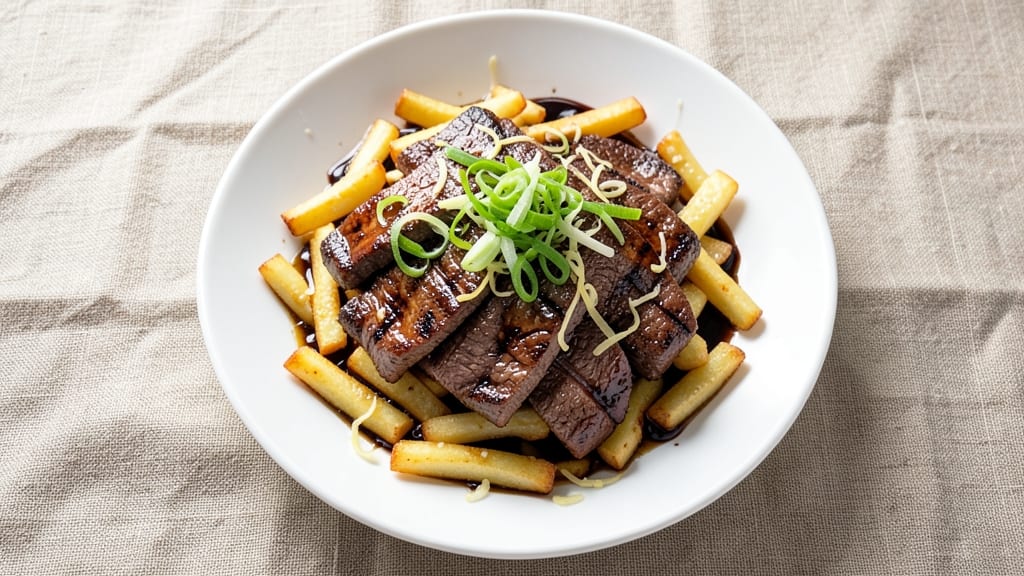
This beef and potato stir-fry delivers restaurant-quality wok-fired crunch and deep caramelized fond flavors in under 30 minutes. The secret lies in high-heat searing of beef strips followed by quick-cooking potatoes that develop a satisfying bite.
I perfected this technique after testing countless variations—balancing tender beef, crispy edges, and potatoes that stay firm yet flavorful.
The foundation starts with properly sliced potatoes (about ¼-inch thick) that develop a golden crust while maintaining their interior texture. Thinly sliced beef strips cook rapidly over high heat, creating a savory crust that locks in juices.
A simple soy-ginger sauce ties everything together, with just enough sweetness to complement the caramelized fond that builds in the wok.
What you'll end up with is a dish that's hearty enough for a weeknight dinner but elegant enough for company. The beef remains tender and juicy, the potatoes achieve that perfect crispy-yet-firm texture, and the sauce clings to every bite.
This recipe bridges traditional stir-fry techniques with approachable home cooking—no specialized equipment required.
Serve it alongside steamed greens or rice to round out the meal, or enjoy it as-is with a sprinkle of sesame seeds for extra texture. The beauty of this dish is its flexibility—adjust the heat level or add vegetables like bell peppers or broccoli to suit your preferences.
Let's get cooking!
Ingredients for beef and potato stir fry
Here's what you need to create restaurant-quality wok-fired beef and potatoes with deep caramelized fond flavor.
| Ingredient | Amount | Notes |
|---|---|---|
| Flank Steak 🥩 | 1 ¼ lb | Thinly sliced against grain |
| Russet Potatoes 🥔 | 2 lb | Quarter-inch slices, peeled |
| Vegetable Oil 🫒 | ½ cup | High smoke point preferred |
| Soy Sauce 🍶 | ⅓ cup | Low-sodium preferred |
| Sesame Oil 🫒 | 1 tbsp | Toasted for aroma |
| Fresh Ginger 🌿 | 2 tbsp | Finely grated, peeled |
| Garlic Cloves 🧄 | 4 cloves | Minced, fresh preferred |
| Honey 🍯 | 1 tbsp | For subtle sweetness |
| Cornstarch 🌾 | 1 tbsp | For sauce thickening |
| White Rice Vinegar 🍶 | 1 tbsp | Balances flavors |
| Sesame Seeds 🌰 | 1 tbsp | Toasted for garnish |
| Salt 🧂 | 1 tsp | Kosher or sea salt |
| Black Pepper 🌶️ | ½ tsp | Freshly ground |
| Green Onions 🧅 | 3 whole | Sliced, for garnish |
The beef is everything here—flank steak is ideal for its lean texture and flavor. Slice it thinly against the grain (about ¼-inch thick) for maximum tenderness. Costco or Whole Foods usually carry it pre-sliced, but if you're cutting it yourself, freeze the meat for 30 minutes first—makes it easier to slice. Russet potatoes are non-negotiable; their starch content gives that perfect crispy-yet-firm texture. Baby potatoes work too if you halve them first. The oil matters—avocado or vegetable oil with a high smoke point prevents burning during the high-heat sear.
No flank steak? Sirloin or ribeye work in a pinch, but slice them even thinner. Fresh ginger and garlic are worth hunting down—Asian markets often have fresher stock than grocery stores. The soy sauce can be swapped for coconut aminos if you're avoiding sodium, but add a pinch of sugar to balance. For extra umami, mushroom powder at ½ teaspoon works wonders. The cornstarch is key for that glossy sauce—don't skip it, even if you're not worried about thickening. And if you're feeling fancy, toasted sesame oil adds a whole new flavor dimension compared to regular.
Potatoes and beef can be prepped ahead—just store them separately in airtight containers. The sauce keeps for 5 days in the fridge, so make extra. For reheating, add a splash of water and stir over medium heat until bubbly. The dish reheats best when served over steamed rice—it soaks up all that caramelized fond. Freeze portions for up to 3 months by laying them flat on a tray first, then transferring to a bag. Garnish with sesame seeds and green onions right before serving—they add that final restaurant touch.
Why You'll Love This Recipe
- One-Pan Magic: I swear by this—just toss the potatoes and steak in one skillet, let them crisp in their own juices, and you’re done. No chopping boards, no extra pans, just that satisfying sizzle while you stir.
- Umami Bomb: That first hit of sesame oil and soy sauce? Chef’s kiss. The steak stays tender while the potatoes soak up all the savory goodness—crispy outside, fluffy inside, with a punch of flavor that lingers.
- Lunchbox Hero: Between us, this is my go-to for meal prep. Double the batch, pack it in containers, and you’ve got hearty lunches for days. (Yes, even on a Tuesday when you’re too tired to think.)
- Budget Power Move: Flank steak stretches far, potatoes fill you up, and a splash of sesame oil makes it feel fancy. Honestly, it’s the kind of recipe that makes grocery day exciting—because you’re getting real value.
Step-by-step instructions for beef and potato stir fry
Here's how to create wok-fired perfection with caramelized fond and irresistible texture.
Prep the Flank Steak for Maximum Tenderness
Slice the 1.25 lb flank steak thinly against the grain into ¼-inch strips. This is critical—thin slices cook faster and stay tender. Place the sliced steak in a bowl and sprinkle with 1 tsp salt and 0.5 tsp black pepper, massaging it into the meat so every strip gets flavor. Let it sit for 15 minutes while you prep the potatoes.
This marinating time ensures the seasoning penetrates the meat. Don't skip it—under-seasoned beef will taste bland in the stir fry. While waiting, slice the 3 whole green onions into ¼-inch rings and set aside for garnish later.
Create the Perfect Potato Base
Peel the 2 lb russet potatoes and slice them into ¼-inch thick rounds. Immediately place them in a bowl of cold water to prevent browning. After 10 minutes, drain and pat completely dry with paper towels—moisture will cause your stir fry to steam instead of sear.
Heat 0.25 cup vegetable oil in a 14-inch wok or skillet over medium-high heat until shimmering. Add the potatoes in a single layer and cook undisturbed for 4-5 minutes until golden brown on the bottom. Flip carefully and cook another 4-5 minutes. Remove and set aside—these will be your crispy potato foundation.
Build the Flavor Foundation
In the same wok, add 0.25 cup vegetable oil and heat until smoking. Add the 1.25 lb flank steak strips in batches (don't overcrowd) and sear for 1-2 minutes until deep brown but still slightly pink inside. Remove and set aside with the potatoes.
Reduce heat to medium, then add 2 tbsp fresh ginger and 4 cloves garlic cloves (minced). Stir for 30 seconds until fragrant—this is where the magic happens. Add 1 tbsp honey and 1 tbsp white rice vinegar, stirring constantly for 1 minute to create a glossy, aromatic base.
Combine and Finish with Sauce
Return the potatoes and steak to the wok. Pour in 0.33 cup soy sauce and 1 tbsp sesame oil, stirring everything together. Cook for 2 minutes until everything is heated through and the sauce clings to the ingredients.
In a small bowl, whisk together 1 tbsp cornstarch with 2 tbsp water until smooth. Pour this slurry into the wok while stirring vigorously. Cook for 1-2 minutes until the sauce thickens and coats everything—you want it glossy but not gluey. Taste and adjust seasoning if needed.
Garnish and Serve Immediately
Transfer the stir fry to serving plates and immediately sprinkle with 1 tbsp toasted sesame seeds and the reserved green onion rings. The contrast of crispy potatoes, tender beef, and glossy sauce makes this dish irresistible.
Serve while hot—this stir fry tastes best straight from the wok. The potatoes should be crispy on the outside with tender centers, while the beef remains juicy with a perfect sear. Each bite delivers that caramelized fond flavor that makes this dish unforgettable.
Pro Tips For Making Beef And Potato Stir Fry
- PREP POTATOES SMALL: Cut those Russets into ½-inch chunks—any thicker, and they’ll turn to mush before the beef finishes. I used to go for bigger pieces, thinking they’d hold up, but they just get gummy. Small equals crispy edges every time.
- SEAR STEAK FIRST: Hit the flank steak with a screaming-hot pan and 1 tablespoon of oil before touching the potatoes. After burning three batches where the beef ended up tough, I learned: high heat for 2-3 minutes per side seals the juices. Then pull it out—you’ll add it back later.
- DON’T BOIL THE POTATOES: Parboiling turns them soggy, but skipping it means they’ll never soften. Instead, soak the cut potatoes in cold water for 10 minutes, then drain thoroughly—this removes excess starch so they crisp up in the stir-fry. Works like a charm, even with Russets.
- SAVE SESAME OIL: Add that last spoonful of sesame oil after the stir-fry is off the heat. I was skeptical until I tried it—it releases aroma without burning, giving the whole dish that nutty depth. Drizzle over everything, toss, and serve immediately.
Flavor customization for this recipe
Spice Level Control
Adjust the heat to suit your taste buds! For a mild kick, reduce the ginger to 1 tbsp and skip any chili flakes. If you love heat, add ½ tsp red pepper flakes or 1 tsp gochujang (Korean chili paste) to the sauce.
I find 1 tsp sriracha in the final stir adds a perfect balance of spice and sweetness without overpowering the beef's natural flavor. 🌶️
Sweet-Tangy Balance
Play with the sauce's sweet and tangy elements to match your preferences. Swap the honey for maple syrup (same amount) for a deeper flavor, or use agave for a neutral sweetness. For extra tang, increase the white rice vinegar to 2 tbsp—it brightens the dish beautifully.
I often add 1 tsp fish sauce (like Red Boat) for umami depth, especially if I'm serving it with rice.
Umami Boosters
Elevate the dish with umami-rich ingredients that deepen the flavor profile. Stir in 1 tbsp oyster sauce (like Lee Kum Kee) with the soy sauce, or add 1 tsp mushroom powder (like Anthony's) directly to the wok after searing the beef.
For a vegetarian-friendly boost, use 1 tbsp nutritional yeast—it adds a cheesy, savory note without animal products. 💡
Herb Variations
Fresh herbs can transform this stir fry into a completely different experience. Swap the green onions for cilantro (chopped) for a brighter, citrusy note, or add thai basil (about ¼ cup) for a fragrant, slightly peppery finish.
If you love garlic, infuse the oil with 5 minced garlic cloves for 1 minute before removing them—this creates a garlic oil that adds layers of flavor without overpowering. 🌿
Texture Adjustments
Want extra crunch? Toss in ½ cup toasted peanuts or cashews during the final stir. For creaminess, stir in 2 tbsp coconut milk with the sauce—it pairs surprisingly well with the caramelized fond.
If you prefer softer potatoes, reduce the initial sear time to 3 minutes per side, but be prepared to sacrifice some crispiness. The trade-off is worth it for a more fork-tender texture.
Nutrition facts
Frequently asked questions
Can I use regular potatoes instead of russets?
While russets work best for their crispy texture, you can use Yukon Golds or red potatoes in a pinch. Just slice them slightly thinner (⅛-inch) and cook them for 2-3 minutes per side to prevent overcooking. The flavor will be slightly creamier, but the texture won't be as crispy.
What's the best way to keep the beef tender?
Slice the beef thinly against the grain and marinate it for at least 15 minutes with salt and pepper. High heat is key—sear in batches for 1-2 minutes max until deep brown but still slightly pink inside. Overcooking turns it tough.
Can I make this stir fry without a wok?
Use a 12-inch cast-iron skillet or heavy-bottomed pan. The key is high heat—get your oil smoking hot before adding ingredients. Stir-frying works best with a smaller surface area to concentrate heat, so don't overcrowd the pan.
Why did my potatoes turn mushy?
Potatoes release moisture when cooked, which steams instead of sears if they're wet. Always pat them completely dry after draining, and cook them in small batches over high heat. If they're too thick, slice them thinner next time.
How do I store leftovers?
Store in an airtight container for up to 4 days in the fridge. Reheat gently in a skillet with a splash of water to restore crispiness. For freezing, spread portions on a tray first to prevent sticking, then transfer to a bag for up to 3 months.