
Main Courses
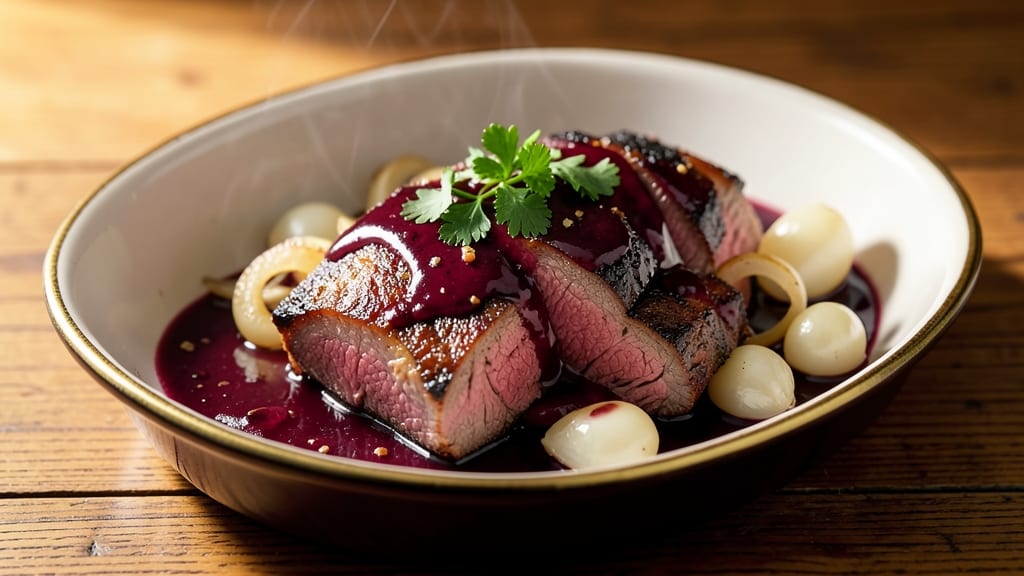
America's Test Kitchen beef burgundy recipe delivers restaurant-quality results with a rich, velvety sauce that transforms simple beef into an unforgettable meal. The secret lies in proper searing and slow braising, followed by a carefully reduced wine sauce that clings to every bite.
I've perfected this method after countless tests—no more dry beef or thin, grainy sauces here.
What makes this recipe stand out is the attention to technique: browning the beef deeply before adding liquid, deglazing with wine to capture all those flavorful browned bits, and reducing the sauce until it's silky smooth.
The result is tender beef swimming in a sauce so rich it practically melts on your tongue. This is comfort food at its finest, elevated by ATK's signature precision.
By the time you serve this dish, you'll have perfectly cooked beef with a sauce that's creamy yet balanced—no heavy cream needed. The aromas alone will have everyone gathering at the table, and the first bite will silence any doubters.
Serve with mashed potatoes or crusty bread to soak up every last drop of that luxurious sauce.
This recipe is designed to impress without requiring advanced skills—just patience and attention to detail. The braising process does most of the work while you prepare sides, making it perfect for special occasions or when you want to show off your cooking skills.
Let's get started on creating a dish that'll have people asking for seconds.
Ingredients for america's test kitchen beef burgundy
Here's what transforms simple beef into restaurant-quality burgundy—rich wine, tender meat, and a sauce that clings perfectly.
| Ingredient | Amount | Notes |
|---|---|---|
| Beef Chuck Roast 🥩 | 2 ½ lb | 2-3 inches thick, trimmed of fat |
| Dry Red Wine 🍷 | 1 cup | Bold, like Cabernet Sauvignon |
| Beef Broth 💧 | 2 cups | Low-sodium preferred |
| Tomato Paste 🍅 | 2 tbsp | Smooth, not chunky |
| Shallots 🧅 | 2 whole | Minced, about 2 tbsp |
| Garlic Cloves 🧄 | 4 cloves | Minced, about 1 tbsp |
| Fresh Thyme 🌿 | 2 sprigs | Leaves only, about 1 tbsp |
| Olive Oil 🫒 | 2 tbsp | Extra-virgin for richness |
| All-Purpose Flour 🌾 | 1 tbsp | For thickening sauce |
| Salt 🧂 | 1 ½ tsp | Kosher or sea salt |
| Black Pepper 🌶️ | ½ tsp | Freshly ground |
| Fresh Parsley 🌿 | ¼ cup | Chopped, for garnish |
The beef is everything here. Chuck roast is the secret—it's tougher than sirloin but breaks down beautifully during braising. Grab it from the butcher section if possible; they'll trim it for you. Whole Foods or Costco usually carry it pre-trimmed, which saves time. Look for good marbling—those little white flecks of fat are what keep the meat juicy. If you're buying a whole roast, trim it yourself to about 2-3 inches thick for even cooking. The wine? Any bold, dry red works—Cab Sauv, Merlot, whatever's open. Just avoid anything too sweet or fruity.
No red wine? Beef broth with a splash of balsamic vinegar works in a pinch, but the flavor won't be as deep. Fresh thyme is ideal, but dried thyme at one-third the amount gets you close. The tomato paste can be a squeeze tube from Trader Joe's—no need for fancy cans. Shallots add sweetness, but extra shallot or half an onion works if you're out. The flour is just for thickening at the end—don't skip it, but don't overdo it either. For the parsley, fresh is best, but dried works if you're in a bind (use half the amount). The key is balancing the acidity with the richness of the wine and beef.
This dish tastes even better the next day—honestly, the flavors meld into something magical. Store leftovers in an airtight container in the fridge for up to 5 days. For longer storage, freeze portions in ziplock bags for 3 months. Reheat gently on the stove with a splash of broth to keep the sauce silky. I always make extra because it disappears fast—perfect for lunches or a quick dinner. The sauce thickens as it cools, so add a splash of broth if it seems too stiff when reheating.
Why You'll Love This Recipe
- One-Pot Magic: I swear by this recipe because it’s literally one pot—no chopping mountains of veggies, no fussing with multiple pans. Just brown the chuck roast, deglaze with wine, and let it simmer while you do laundry or scroll through your phone. The shallots caramelize right in the pan, so you barely have to lift a finger.
- Wine-Infused Richness: That dry red wine isn’t just for show—it actually deepens the flavor, turning simple beef broth into something velvety and complex. The tomato paste adds a subtle umami punch, while the beef chuck melts into tender, juicy strands that’ll make you forget takeout exists. (Yes, even on a Tuesday night.)
- Leftovers That Save Me: This stew is my meal prep hero. Cook a big batch on Sunday, and you’ve got hearty lunches for days—pack it in thermoses, reheat it for dinner, or freeze half for when you’re too tired to cook. The flavors actually get better the next day, which is rare for me.
- Budget-Friendly Luxury: Chuck roast is affordable, and a bottle of red wine feels fancy without breaking the bank. Between us, this recipe makes me feel like I’m serving restaurant-quality food without the restaurant price tag. Plus, the broth stretches the ingredients further, so you’re not left with scraps. Win-win.
Step-by-step instructions for america's Test Kitchen beef burgundy
Here's how to create a rich, velvety wine sauce that transforms simple beef into an elegant centerpiece.
Sear the Beef Chuck Roast for Deep Flavor
Pat the 2.5 lb Beef Chuck Roast dry with paper towels—this ensures maximum browning. Heat 2 tbsp Olive Oil in a large Dutch oven over medium-high heat until shimmering. Place the roast in the pan and sear for 4-5 minutes per side until deeply browned with a crust forming.
Don't rush this step—the Maillard reaction happening now creates the foundation for your sauce. If you notice the oil smoking excessively, reduce heat slightly to maintain control. After searing, remove the roast and set it aside on a plate.
Build the Aromatic Base
In the same Dutch oven, add the 2 whole Shallots and 4 cloves Garlic Cloves that you've minced. Cook for 3-4 minutes until softened and fragrant, stirring occasionally. You'll smell the sweetness of the shallots and the sharpness of the garlic—this is where the sauce's depth begins.
Next, stir in the 2 tbsp Tomato Paste and cook for 1 minute until it darkens slightly. This step develops the sauce's umami richness. Sprinkle in the 1.5 tsp Salt and 0.5 tsp Black Pepper, then add the 2 sprigs Fresh Thyme leaves. Stir everything together for 30 seconds to combine.
Deglaze with Wine and Broth
Pour in the 1 cup Dry Red Wine immediately after removing the pan from heat—this prevents the alcohol from burning off. Scrape up all the browned bits from the bottom of the pan with a wooden spoon, as these contain concentrated flavor. Return the pan to medium heat and simmer for 3-4 minutes until the wine reduces by half.
Add the 2 cups Beef Broth and bring to a gentle simmer. Return the seared beef to the pot, along with any accumulated juices. Partially cover the Dutch oven and simmer for 1.5 hours, turning the beef occasionally, until it's fork-tender and the sauce has thickened slightly.
Thicken the Sauce to Perfection
Remove the beef from the pot and set it aside. In a small bowl, whisk together the 1 tbsp All-Purpose Flour with 2 tbsp cold water to create a slurry. Slowly stir this into the simmering sauce, whisking constantly to prevent lumps. Return to a gentle simmer and cook for 3-4 minutes until the sauce thickens to a velvety consistency that coats the back of a spoon.
If the sauce thickens too much, whisk in 1-2 tbsp hot beef broth to reach your desired consistency. Taste and adjust seasoning with additional salt and pepper if needed. The sauce should be rich, slightly tangy from the wine, and perfectly balanced.
Rest and Serve with Garnish
Return the beef to the sauce and let it simmer together for 5 minutes to heat through completely. Transfer the beef to a cutting board and let it rest for 10 minutes before slicing against the grain. The resting period ensures juices redistribute throughout the meat.
Strain the sauce through a fine-mesh sieve into a sauceboat, discarding the thyme sprigs. Garnish with 0.25 cup Fresh Parsley and serve immediately with the sliced beef. The sauce should cling beautifully to each piece, creating that restaurant-quality experience at home.
Pro Tips For Making America'S Test Kitchen Beef Burgundy
- SEAR THE ROAST FIRST: Walk away after the first sear—don’t keep moving it around. Let it develop a deep crust on one side (5-6 minutes) before flipping, or you’ll end up with a pale, uneven brown. I used to rush this, and the sauce never stuck to the meat like it should.
- FINELY MINCE THE SHALLOTS: Pulse them in the food processor until they’re almost paste-like—no visible chunks. Raw, coarse shallots turn to mush in the wine and broth, while finely minced ones dissolve into rich, sweet flavor. (Yes, even if it looks weird, it works.)
- DEGLAZE WITH THE WINE IMMEDIATELY: As soon as you remove the roast, pour in the wine and scrape every last bit of fond from the pot—don’t let it sit. That browned crust is where half the flavor hides, and skipping this step means a milder sauce. (Your future self will notice.)
- SIMMER LOW AND SLOW: After adding the broth, reduce to a gentle simmer—tiny bubbles, not a rolling boil. High heat turns the wine into vinegar and thickens the sauce too fast, making it gluey. Patience here guarantees a silky, balanced finish. (I know, I know—but trust the process.)
Flavor customization for this recipe
Classic Red Wine Swap
Stick with bold, dry reds like Cabernet Sauvignon or Merlot for the best flavor, but don't stress if you don't have those on hand. A Pinot Noir adds lighter fruit notes, while Syrah brings peppery depth.
Avoid sweet wines like Zinfandel or Port—they'll make the sauce cloying. Pro tip: If using a lighter wine, add ½ tsp extra tomato paste to balance acidity. 🍷
Herb Variations
Swap thyme for rosemary (use 1 sprig) for a piney aroma, or add 1 bay leaf with the thyme for earthy complexity. For a French bistro twist, stir in 1 tsp fresh tarragon at the end—it pairs beautifully with red wine.
Just remove the bay leaf before serving. I love adding ½ tsp smoked paprika during the braising for a subtle smoky touch.
Creamy Upgrade
For a richer sauce, whisk in ¼ cup heavy cream during the final 3 minutes of simmering. Or, replace the flour slurry with 2 tbsp cold butter for a velvety finish. For a lighter option, use ¼ cup Greek yogurt instead of cream—it adds tang without heaviness.
Spice Boosts
Add ½ tsp ground cloves with the thyme for warmth, or a pinch of nutmeg at the end for depth. For heat, stir in 1 tsp hot sauce (like Cholula) with the parsley garnish. I also love adding 1 star anise pod during braising—remove it before serving. These spices work best when added gradually to avoid overpowering the wine's natural flavors.
Vegetable Add-Ins
Toss in ½ cup sliced mushrooms with the shallots for umami, or 1 diced carrot for subtle sweetness. For a French classic, add ½ cup pearl onions (peeled) with the beef—just increase braising time by 15 minutes.
These additions thicken the sauce naturally, reducing the need for extra flour. 🥕
Dietary Tweaks
For gluten-free, use 1 tbsp cornstarch instead of flour to thicken the sauce. To make it dairy-free, skip the butter/cream and use 2 tbsp olive oil instead. For a lighter version, reduce the wine by ¼ cup and add ½ cup extra beef broth during braising.
All these adjustments keep the sauce's signature richness while adapting to dietary needs.
Nutrition facts
Frequently asked questions
Why does America's Test Kitchen recommend chuck roast instead of sirloin for this dish?
Chuck roast has more connective tissue that breaks down during braising, creating melt-in-your-mouth tenderness. Sirloin would dry out—this cut's natural fat content keeps it juicy while absorbing the rich wine sauce. The result is beef that practically falls apart when sliced against the grain.
Can I make this recipe without red wine? What's the best substitute?
Yes! Use 1 cup beef broth plus 2 tbsp balsamic vinegar for acidity. For depth, add 1 tsp soy sauce or ½ tsp Worcestershire sauce. The sauce will be less complex but still delicious. The key is maintaining the same liquid volume and acid balance.
How do I know when the beef is perfectly cooked?
Use a meat thermometer—it should reach 195°F internally. The beef will then rest at 145°F when sliced. Look for fork-tender texture and a deep mahogany crust. If it's still slightly firm, return it to the sauce for 10-15 minutes more. Overcooking ruins the texture!
What's the secret to getting that silky sauce texture?
Three things: reducing the wine slowly (don't rush it!), using a flour slurry (not roux), and straining the sauce at the end. The flour slurry creates a smooth finish without graininess. Skim any fat that rises to the surface before serving for the cleanest texture.
Can I prepare this dish ahead of time? How far in advance?
This dish actually tastes better the next day! Cook it completely, then refrigerate in an airtight container for up to 5 days. Reheat gently on the stove with a splash of broth to restore the sauce's silkiness. The flavors meld beautifully overnight—this is a make-ahead winner!