
Soups & Stews
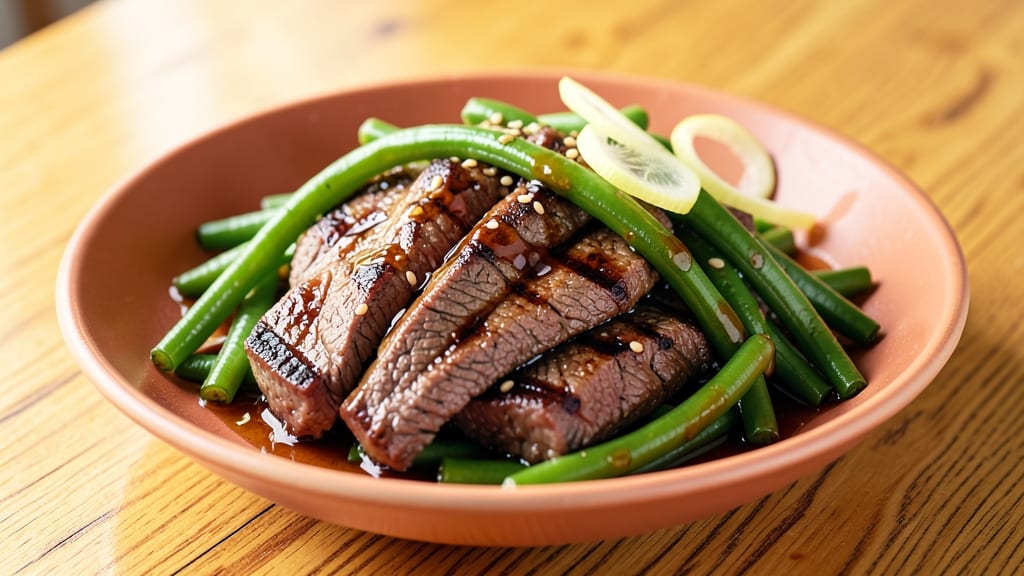
This beef and string bean stir fry delivers the perfect balance of wok-fired crunch and silky soy-ginger flavor in just 25 minutes.
The secret lies in high-heat searing of thinly sliced beef followed by quick-cooked string beans that stay crisp-tender, all tossed in a savory-sweet sauce with a hint of fresh ginger.
I developed this recipe after years of testing stir-fry techniques, and it never fails to impress—whether for a weeknight dinner or meal prep.
The foundation starts with properly prepped ingredients: beef sliced against the grain for tenderness and string beans cut into even pieces to cook uniformly. A hot wok or skillet is critical—it creates that signature caramelized crust on the beef while keeping the vegetables vibrant.
The sauce, made with soy sauce, honey, and ginger, adds depth without overpowering the natural flavors of the beef and vegetables.
What you'll end up with is a dish that's restaurant-quality yet simple to make at home: perfectly seared beef strips with a glossy sheen, crisp-tender string beans, and a sauce that clings to every bite.
The aroma alone will have everyone gathering around the table, and the first forkful delivers that satisfying combination of textures and flavors. This stir fry pairs beautifully with steamed jasmine rice to soak up every last bit of sauce.
Ready in 25 minutes, this recipe is perfect for busy weeknights or meal prepping for the week ahead. The flavors actually improve as it sits, making it ideal for leftovers. Let's get cooking—your taste buds will thank you for this wok-fired masterpiece.
Ingredients for beef and string bean stir fry
High-quality beef and vibrant string beans transform into a restaurant-style stir fry with just 13 ingredients.
| Ingredient | Amount | Notes |
|---|---|---|
| Flank Steak 🥩 | 1 lb | Thinly sliced against grain |
| String Beans 🌱 | 1 ½ lbs | Trimmed, cut into 2-inch pieces |
| Fresh Ginger 🌿 | 2 tbsp | Finely minced, peeled |
| Low-Sodium Soy Sauce 🥄 | ½ cup | Kikkoman preferred |
| Honey 🍯 | 2 tbsp | Pure, high-quality |
| Sesame Oil 🫒 | 1 tbsp | Toasted, for aroma |
| Neutral Vegetable Oil 🫒 | 2 tbsp | High smoke point |
| Garlic Cloves 🧄 | 4 cloves | Minced, fresh |
| Green Onions 🧅 | ¼ cup | Sliced, white and green parts |
| Toasted Sesame Seeds 🌾 | 1 tbsp | For garnish |
| Kosher Salt 🧂 | 1 ½ tsp | Diamond Crystal preferred |
| Ground Black Pepper 🌶️ | ½ tsp | Freshly cracked |
| Jasmine Rice 🍚 | 1 ½ cups | Uncooked, for serving |
The flank steak is non-negotiable for this dish—its lean texture slices beautifully against the grain, delivering that signature wok-fired tenderness. Look for well-marbled cuts at specialty butchers or the meat department's freshest display. String beans should be bright green and crisp, not limp or yellowing. I always grab organic string beans from Whole Foods if I'm treating myself, but the regular grocery store variety works perfectly fine for weeknight cooking. For the ginger, fresh is mandatory—the aromatic oils in dried ginger simply can't replicate the bright, zesty punch of freshly minced. If you're short on time, Trader Joe's carries pre-minced ginger in jars, though it lacks the same depth.
No low-sodium soy sauce? Regular soy sauce with an extra pinch of salt works, but reduce the honey slightly to balance the saltiness. Substituting honey for maple syrup is a game-changer if you're avoiding refined sugar—use the same amount, but add a splash of water to thin the sauce. Sesame oil can be tricky; look for 100% pure, toasted sesame oil in the international aisle, not the cooking oil section. The garlic and green onions can be swapped for shallots if you're feeling adventurous, but fresh is always better than powdered. For those with nut allergies, omit the sesame seeds and garnish with extra green onions instead. The rice? Jasmine rice is ideal, but basmati holds up well too—just don't skip steaming it properly.
Prepped ingredients keep for 3 days in the fridge if stored in airtight containers, but the stir fry itself reheats beautifully—30 seconds in the microwave or 2 minutes in a hot skillet with a splash of water revives those wok-fired flavors. For meal prep, I portion the sauce separately and toss it with the stir fry just before eating to maintain crispness. The rice? Cook a big batch and freeze portions—it reheats perfectly and pairs with this dish for days. If you're making this ahead, hold off on adding the sesame oil until serving to preserve its delicate aroma.
Why You'll Love This Recipe
- One-Pan Magic: I swear by this recipe when I’m too tired to scrub a million dishes. Flank steak and string beans hit the pan together, and by the time the ginger sizzles, the kitchen’s basically clean—just a spatula to rinse.
- Sweet-Savory Balance: That honey-soy glaze? It’s the secret weapon. The low-sodium soy keeps it rich without the salt overload, while the honey cuts through the beef’s chew, leaving you with a bite that’s dangerously addictive.
- Lunchbox Hero: Between us, this is my go-to for meal prep. Toss the leftovers into rice cups the next day, and suddenly you’ve got a lunch that feels fancy but costs next to nothing. My kid even eats it cold—no complaints.
- Budget-Friendly Powerhouse: Flank steak stretches further than you’d think, and string beans are one of those veggies that never break the bank. A single pan, five ingredients, and you’ve got a meal that feeds four for under $15. (Yes, even on a Tuesday night.)
Step-by-step instructions for beef and string bean stir fry
Master this wok technique for perfectly seared beef and crisp-tender string beans with balanced soy-ginger sweetness.
🔥 Step 1: Prepare the Flank Steak for Maximum Tenderness
Slice the 1 lb flank steak thinly against the grain using a sharp knife, cutting through the muscle fibers for maximum tenderness. Arrange the slices on a plate and season immediately with all 1.5 tsp kosher salt and 0.5 tsp ground black pepper, massaging the seasoning into the meat. This step is critical—salting early allows the salt to penetrate and tenderize the beef.
Let the seasoned beef rest at room temperature for 15-20 minutes while you prepare the remaining ingredients. This resting period ensures even cooking. I like to cover the plate loosely with plastic wrap to prevent drying while allowing airflow. The beef should reach about 60°F before cooking—you'll notice it's no longer icy cold to the touch.
🍳 Step 2: Build the Stir-Fry Base with Aromatics
Heat a wok or large skillet over high heat until smoking, then add 2 tbsp neutral vegetable oil. Once the oil shimmers (about 30 seconds), add the 4 minced garlic cloves and 2 tbsp finely minced fresh ginger. Stir constantly for 30 seconds until fragrant—this prevents burning while developing the foundation flavors.
Add the 1.5 lbs trimmed string beans and stir-fry for 3-4 minutes until they begin to soften but still maintain a crisp texture. You're aiming for "crisp-tender," where they yield slightly when pierced with a fork but don't turn mushy. Remove the string beans to a plate and set aside, leaving the aromatic oils in the wok.
🔥 Step 3: Sear the Beef in Batches for Perfect Doneness
Working in batches if needed, add half of the seasoned beef to the hot wok. Let the beef sear undisturbed for 30-45 seconds until deeply browned on one side—this creates the Maillard reaction for rich flavor. Flip the beef and cook for another 30-45 seconds until it reaches 130-135°F internal temperature (medium-rare). Remove to a clean plate and repeat with remaining beef.
Here's the thing—don't overcrowd the wok. If you add too much beef at once, it'll steam instead of sear. The beef should sizzle vigorously when added, and you should see a golden crust forming immediately. If it looks like it's not browning quickly enough, your wok isn't hot enough—let it heat up longer before proceeding.
🥘 Step 4: Combine and Finish with Soy-Ginger Sauce
Return the string beans to the wok and add the 0.5 cup low-sodium soy sauce and 2 tbsp honey. Stir well to combine, then add the seared beef back to the wok. Cook for 1-2 minutes until everything is evenly coated and heated through. The sauce should reduce slightly but still cling to the ingredients.
Drizzle with 1 tbsp sesame oil and toss gently to distribute. The oil should lightly coat the beef and beans, adding nutty aroma without overpowering. Taste and adjust seasoning—you might need a splash more soy sauce if the dish tastes too sweet. The final sauce should balance sweet, salty, and umami flavors with a hint of ginger's sharpness.
🍽️ Step 5: Serve Over Jasmine Rice with Garnish
Cook the 1.5 cups jasmine rice according to package instructions until tender and fluffy. Divide the rice among serving plates and top with the beef and string bean stir fry. Garnish with 0.25 cup sliced green onions and 1 tbsp toasted sesame seeds just before serving.
This dish shines when served immediately while the beef is still warm and the vegetables maintain their crisp texture. The rice should be perfectly cooked—each grain distinct but tender. The sesame seeds add a final textural contrast that elevates the entire dish. Serve with extra soy sauce on the side for those who prefer more saltiness.
Pro Tips For Making Beef And String Bean Stir Fry
- Slice Against the Grain: Cut your flank steak perpendicular to the grain—thin slices, not thick. I learned this the hard way when my stir-fry turned into chewy rubber. Aim for ¼-inch strips, and use a sharp knife or meat slicer if you’ve got one.
- Blanch the Beans First: Toss string beans in boiling water for 30 seconds before stir-frying—just enough to soften slightly. This keeps them from turning mushy later, and they’ll absorb the soy-honey glaze better. (Yes, even if you’re impatient like me.)
- Don’t Crowd the Pan: Cook the beef in batches if your pan’s smaller than 12 inches—overloading steams the meat instead of searing it. Hot oil, not steam, builds that caramelized crust. I skip this step and end up with bland, soggy beef every time.
- Deglaze with Ginger First: After searing the beef, scrape up those browned bits with a splash of cold water, then add the grated ginger and a tiny bit of honey. The ginger blooms faster this way, and the sauce won’t taste like it’s playing second fiddle to the soy. (Your future self will notice.)
Troubleshooting this recipe
Beef Too Tough?
If your beef turns out chewy rather than tender, it’s likely not sliced thinly enough or wasn’t rested properly. Always cut against the grain—use a sharp knife and slice at a 45-degree angle for maximum tenderness.
Also, ensure your beef rests at room temperature for 15-20 minutes before cooking to prevent uneven doneness. 🔥
String Beans Mushy?
Overcooking is the usual culprit here. String beans should cook for no more than 4 minutes—they’re done when they’re just tender with a slight crunch. If they’re already limp when raw, soak them in ice water for 10 minutes before cooking to refresh their texture.
Remove them from the wok immediately after they’re done to prevent further cooking.
Sauce Too Thin?
If your sauce isn’t coating the ingredients properly, reduce it longer or add 1 tsp cornstarch mixed with 1 tbsp water to thicken. Stir it in during the final 30 seconds of cooking.
For extra depth, simmer the sauce separately for 2-3 minutes before tossing with the beef and beans. A splash of rice vinegar can also help balance the flavor if it’s too sweet.
Beef Not Browning?
Your wok or skillet isn’t hot enough! Let it heat until it’s smoking before adding oil. If it’s not searing properly, increase the heat to high and wait another 30 seconds.
Use a carbon steel or cast-iron wok—they retain heat better than nonstick. Pat the beef very dry with paper towels before cooking to ensure a good sear.
Leftover Sauce Too Salty?
If your sauce tastes overly salty, balance it with 1 tsp honey or a pinch of brown sugar to mellow the flavor. A splash of orange juice or lime zest can also brighten it up.
For future batches, reduce the soy sauce slightly or use low-sodium soy sauce to start. Taste as you go—adjustments are easier early in the process! 💡
Rice Too Dry?
If your jasmine rice turns out dry, it likely didn’t absorb enough liquid. Use the 1:1.5 rice-to-water ratio (e.g., 1.5 cups rice + 2.25 cups water) and let it steam uninterrupted for 15 minutes after boiling.
For extra fluffiness, fluff the rice with a fork immediately after cooking. If it’s still dry, sprinkle with 1 tsp warm water and cover for 5 minutes to steam again.
Nutrition facts
Frequently asked questions
Can I substitute flank steak with another cut of beef?
Yes! Sirloin or ribeye work well—just slice them thinly against the grain for tenderness. Avoid tougher cuts like chuck or round, as they won't sear properly. For extra flavor, try flank steak from grass-fed beef, but reduce cooking time by 15-30 seconds since it's leaner.
How do I keep the string beans crisp-tender?
Cook them for only 3-4 minutes over high heat, then remove immediately. If using pre-cut beans, trim ends and blanch in boiling water for 1 minute before stir-frying. For extra crunch, add them back to the wok for just 30 seconds at the very end.
What if I don't have a wok?
Use a large skillet or cast-iron pan—just make sure it's well-seasoned and heats up quickly. A nonstick pan works too, but avoid overcrowding the ingredients. The key is maintaining high heat to achieve that signature stir-fry texture.
Can I make this gluten-free?
Replace soy sauce with tamari or coconut aminos (use 1/3 cup for similar saltiness). For extra umami, add 1 tbsp gluten-free fish sauce or mushroom powder. The dish will still be flavorful without traditional soy sauce.
How long will leftovers keep?
Store in an airtight container in the fridge for 4-5 days. Reheat gently in a skillet with 1 tsp sesame oil over medium heat for 2-3 minutes to restore texture. For best results, reheat only the portion you'll eat—this keeps the string beans crisp.