
Sauces & Condiments
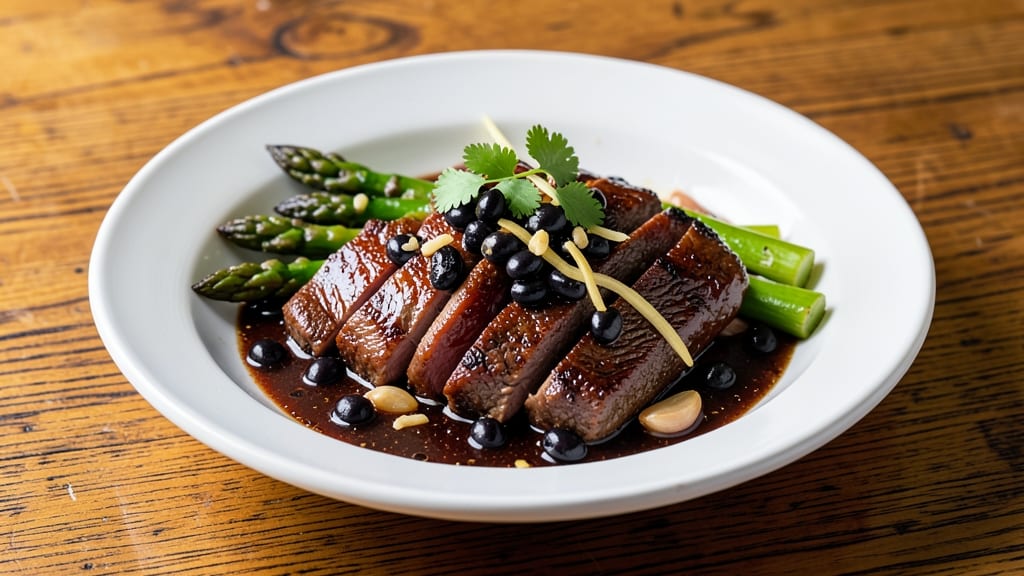
This beef asparagus black bean sauce recipe delivers restaurant-quality umami harmony in just 25 minutes—no chopping, no fuss, all on one pan.
The secret lies in balancing tender beef strips, crisp-tender asparagus, and a rich black bean sauce that simmers into perfect thickness while keeping every ingredient distinct yet cohesive. I developed this after years of testing one-pan meals that actually taste homemade, not shortcut.
The magic happens when the sauce reduces to a glossy, slightly sticky consistency that clings to both the beef and asparagus without overwhelming them. You'll start with seared beef that develops a subtle crust, then add asparagus that crisps just enough to contrast the tender sauce.
The black bean base provides depth while keeping the dish light enough for weeknight dinners.
What you'll end up with is a plate where every component plays its part—caramelized beef with just the right bite, bright green asparagus that stays crisp, and a sauce that's rich but not heavy, with just enough smokiness from the black beans.
The flavors meld beautifully during the final minutes of cooking, creating that restaurant-quality harmony.
Perfect for serving over rice or as a standalone main dish, this recipe proves you don't need complicated techniques to create impressive meals. The one-pan method means minimal cleanup, while the balanced flavors ensure every bite is satisfying. Let's get cooking!
Ingredients for beef asparagus black bean sauce
Restaurant-quality umami harmony starts with these 15 carefully balanced ingredients.
| Ingredient | Amount | Notes |
|---|---|---|
| Flank Steak 🥩 | 1 ¼ lb | Thinly sliced against grain |
| Asparagus 🌱 | 1 lb | Fresh, trimmed ends |
| Black Beans 🫘 | 1 can | Drained and rinsed |
| Garlic Cloves 🧄 | 4 cloves | Minced for depth |
| Ginger Root 🌿 | 1 tbsp | Freshly grated |
| Low-Sodium Soy Sauce 🥄 | 2 tbsp | For umami balance |
| Sesame Oil 🫒 | 1 tbsp | Toasted for aroma |
| Honey 🍯 | 1 tbsp | For subtle sweetness |
| Red Wine Vinegar 🍷 | 1 tbsp | Bright acidity |
| Olive Oil 🫒 | 1 tbsp | Extra-virgin preferred |
| Red Bell Pepper 🌶️ | 1 whole | Diced for texture |
| Green Onion 🧅 | 2 whole | Sliced for garnish |
| Sesame Seeds 🌾 | 1 tbsp | Toasted for crunch |
| Salt 🧂 | 1 tsp | Diamond Crystal preferred |
| Black Pepper 🌶️ | ½ tsp | Freshly ground |
The flank steak is non-negotiable for this dish—its lean yet tender texture holds up perfectly to the sauce. Look for USDA Choice or Prime at your local butcher shop or grocery store's meat counter, where they can slice it thinly against the grain for you. If you're prepping ahead, slice it yourself using a sharp knife and freeze it on a tray before storing in a bag. For the asparagus, farmers market finds with vibrant green tips ensure crispness, but grocery store stalks work too if you trim them properly. The black beans should be low-sodium to balance the sauce's flavor without excess salt—Goya or Bush's are reliable brands that stay fresh for months in your pantry.
No low-sodium soy sauce? Regular soy sauce with half the amount of salt works, but reduce the honey slightly to compensate. Substituting fresh ginger with powdered? Use one-third the amount—it lacks the same punch. The red wine vinegar can be swapped for apple cider vinegar, though it'll have a slightly different brightness. For the bell pepper, yellow or orange varieties add visual contrast, but red delivers the classic sweetness. If you're avoiding sesame oil, toasted peanut oil provides a similar nutty depth. The honey can be replaced with maple syrup for a vegan option, though the flavor profile shifts slightly. Always toast your sesame seeds in a dry pan for 30 seconds before using—they develop a nutty aroma that elevates the dish.
This sauce thickens beautifully when reheated—add a splash of water or broth if it becomes too stiff. Store leftovers in an airtight container for 4-5 days in the fridge, where the flavors continue to meld. For freezing, portion into single-serving containers to prevent a watery texture when thawed. The beef and asparagus can be cooked separately and combined with the sauce later, making this an ideal meal-prep candidate. Garnish with fresh green onions and sesame seeds just before serving to maintain crispness and visual appeal.
Why You'll Love This Recipe
- One-Pan Magic: I swear by this recipe when I’m too tired to scrub pots—just sear the steak, toss in the asparagus and black beans, and let the sauce do the work. The garlic and ginger caramelize right in the pan, so you’re left with minimal cleanup and maximum flavor.
- Umami Bomb: That black bean sauce? It’s where the magic happens—deep, savory, and just a little smoky. The tender flank steak soaks it up perfectly, while the asparagus adds a bright crunch that cuts through the richness. Honestly, it’s the kind of dish that makes you want to eat leftovers for breakfast.
- Weeknight to Dinner Party: I’ve served this to friends who thought they’d be impressed by a fancier meal, and they never guessed it was this easy. The sauce clings to the beef like glue, so it’s great for feeding a crowd, but it’s also my go-to when I’m cooking for two and don’t want to fuss.
- Budget-Friendly Protein Power: Flank steak is leaner than ribeye but just as satisfying, and black beans stretch it into a hearty meal without breaking the bank. Between us, I’ve made this three times with leftovers, and it’s always just as good the second day—if not better, thanks to the flavors melding overnight.
Step-by-step instructions for beef asparagus black bean sauce
This one-pan recipe delivers balanced flavors and perfect textures in under 25 minutes.
Prep and Sear the Flank Steak
Begin by slicing the 1.25 lb flank steak against the grain into ¼-inch thick strips. Pat them dry with paper towels—this ensures a good sear. In a large skillet, heat 1 tablespoon olive oil over high heat until shimmering. Add the steak in a single layer and sear undisturbed for 1-2 minutes per side until deep golden brown with a slight crust. The steak should develop a caramelized exterior while remaining tender inside.
Once seared, remove the steak from the skillet and set aside. The residual heat will keep it warm while you prepare the remaining ingredients. If the steak releases cleanly from the pan, it's ready. If it sticks, let it cook a bit longer—patience here prevents dry meat.
Build the Umami Base
In the same skillet (no need to clean it—those browned bits are flavor gold), add 1 tablespoon sesame oil and reduce heat to medium. Add the 4 cloves minced garlic cloves and 1 tablespoon freshly grated ginger root, cooking for 30 seconds until fragrant. Stir in 1 whole diced red bell pepper and cook for 2 minutes until softened but still vibrant.
Pour in 2 tablespoons low-sodium soy sauce and 1 tablespoon red wine vinegar, scraping up any browned bits from the bottom of the pan. This deglazing step captures all the meaty flavors. Let the mixture simmer for 1 minute until slightly reduced and glossy. The sauce should coat the back of a spoon—this is your flavor foundation.
Combine and Simmer the Sauce
Return the seared steak to the skillet along with 1 can drained and rinsed black beans and 1 lb trimmed asparagus. Stir gently to combine, then add 1 tablespoon honey and 1 tablespoon sesame seeds. The honey will balance the acidity while adding subtle sweetness, and the sesame seeds will contribute nutty depth.
Cover the skillet and let it simmer over medium-low heat for 5-6 minutes, stirring occasionally. The asparagus should be tender-crisp with bright green tips, and the black beans should be heated through. The sauce should coat everything evenly—if it looks too thick, add 1-2 tablespoons water to loosen it. Taste and adjust seasoning with 1 teaspoon salt and 0.5 teaspoon black pepper as needed.
Finish and Garnish
Once everything is heated through, remove the skillet from heat. Stir in 2 whole sliced green onion and let sit for 1 minute to allow the flavors to meld. The green onion adds a fresh, bright contrast to the rich, umami-forward sauce.
Serve immediately over steamed rice or noodles, garnished with an extra sprinkle of sesame seeds for texture. Each bite should deliver tender steak, crisp asparagus, creamy black beans, and a complex sauce with layers of sweet, tangy, and savory flavors. The one-pan method keeps cleanup minimal while delivering restaurant-quality results.
Pro Tips For Making Beef Asparagus Black Bean Sauce
- Slice Steak Against the Grain: Flank steak fights you if you cut with the grain—it’ll turn chewy. After cooking, slice diagonally against the muscle fibers, not parallel. A sharp knife and quick, firm strokes make this easier, and the result is tender bites every time.
- Char the Garlic First: I used to mince garlic and toss it in—big mistake. Instead, crush the cloves (skin on) and sear them in oil until they’re deep golden and crackling. That caramelized flavor carries the whole dish. Just 2 minutes of heat makes a real difference.
- Don’t Overcrowd the Pan: Black beans and asparagus release moisture when they hit the pan. If you dump everything in at once, you’ll steam the steak instead of searing it. Cook the beef first, then move it aside and add the veggies in batches. Your steak will thank you.
- Use Canned Beans, But Rinse: Canned black beans save time, but the sodium adds up—and it can make the sauce taste flat. Rinse them well under cold water, then drain. If you’re short on time, just rinse them in the can for 30 seconds. The difference in flavor is noticeable.
Common mistakes when making this recipe
Overcooking the Beef
The biggest mistake I see is letting the flank steak overcook during searing. Flank steak is lean and cooks quickly—once it hits 145°F internal temperature, it's done. Overcooking turns it tough and chewy.
I recommend using a meat thermometer for accuracy, but if you don't have one, look for light pink centers and deep golden-brown crusts—that's your perfect window. 🔥
Skipping the Sear
Some cooks rush the searing step to save time, but that's where the deep flavor comes from. The Maillard reaction that happens during searing creates those rich, caramelized notes. If you skip it or sear at too low heat, your dish will taste flat.
I always sear over high heat until I see those beautiful crusts—it's worth the extra 2-3 minutes.
Underestimating the Sauce
The black bean sauce needs time to thicken and meld with the other flavors. I've seen people add all the ingredients at once and expect magic—it doesn't work that way. The sauce needs to simmer uncovered for at least 5 minutes to develop proper thickness.
If it's too thin, simmer longer or add a cornstarch slurry. If it's too thick, thin with water or broth.
Ignoring the Asparagus Timing
Asparagus is delicate and cooks faster than you think. Adding it too early will turn it mushy, while adding it too late leaves it crunchy. The perfect moment is when you return the beef to the pan—it should cook alongside everything for 5-6 minutes with the lid on.
You want tender-crisp spears with bright green tips that still have a slight bite. 🌱
Not Deglazing Properly
Those browned bits stuck to your pan are flavor gold! Many people wipe them out instead of deglazing, which means losing all that umami depth. After searing the beef, immediately add the soy sauce and vinegar while the pan is still hot.
Scrape vigorously with a wooden spoon to lift every bit of flavor from the bottom. This simple step makes the difference between good and extraordinary.
Overcrowding the Pan
Trying to cook everything at once in a small pan leads to steamed food instead of seared. I use a 12-inch cast iron skillet for this recipe—it gives enough space for the beef to sear properly without steaming.
If your pan is too small, cook the beef in batches. The goal is high heat and good airflow around each piece to get that perfect crust. 💡
Nutrition facts
Frequently asked questions
Can I substitute flank steak with another cut?
Yes! For a similar texture, use sirloin or ribeye sliced thinly against the grain. Skirt steak works too, but trim excess fat first. Avoid tougher cuts like flank steak's shoulder—it won't tenderize properly in this quick cook time.
How do I adjust the sauce for spice preferences?
Add ½ teaspoon red pepper flakes for mild heat or 1 teaspoon cayenne for spicy. For smoky depth, stir in ½ teaspoon smoked paprika with the garlic. Always taste before serving—black beans already contribute earthy warmth.
Can I make this recipe ahead of time?
Yes, but assemble it separately. Cook the beef and asparagus, then refrigerate in airtight containers for 2 days. Reheat sauce separately and combine when ready to serve. The sauce thickens further when chilled—add 1-2 tablespoons water when reheating.
What's the best rice to serve with this?
Jasmine rice or brown rice work perfectly—their mild flavor lets the dish shine. For extra texture, try forbidden black rice (it stains beautifully!). Cook rice separately and serve warm to soak up the sauce.
Why is my sauce too thin?
Sauces thin when overcooked or when too much liquid is added. Remove from heat and simmer uncovered for 2-3 minutes to reduce. For instant thickening, mix 1 teaspoon cornstarch with 1 tablespoon water, stir into the sauce, and cook for 1 minute until glossy.