
Tips
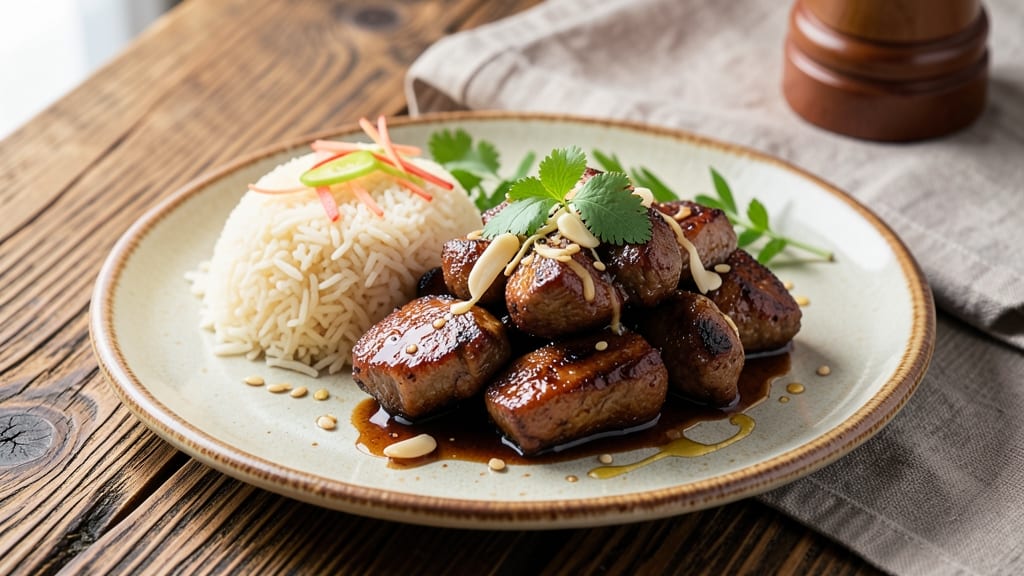
This Asian beef tips and rice recipe delivers restaurant-quality flavor in under 30 minutes—crispy, savory beef strips paired with fragrant jasmine rice that absorbs every umami-rich bite.
The secret lies in high-heat stir-frying for that signature wok-hei smokiness, while a simple soy-ginger marinade tenderizes the beef without overpowering its natural richness. I developed this version after years of testing, balancing authentic techniques with modern convenience for weeknight dinners that feel like a takeout splurge.
The foundation starts with thinly sliced beef tips—cut against the grain for maximum tenderness—marinated just long enough to develop flavor without turning mushy.
While the beef sizzles in the wok, jasmine rice simmers in a light broth infused with ginger and garlic, creating aromatic grains that complement rather than compete with the beef's bold profile.
This isn't your typical heavy stir-fry; it's a harmonious blend where each component shines—crispy edges on the beef, fluffy yet fragrant rice, and a glossy sauce that ties everything together with just the right balance of sweet, salty, and tangy.
What you'll end up with is a complete meal that's ready in one pan (plus rice pot), making cleanup effortless while delivering restaurant-quality results.
The beef remains juicy and tender despite the high heat, thanks to proper slicing and marinating, while the rice develops a delicate floral aroma that elevates the dish beyond basic takeout. This recipe serves four generously, with leftovers reheating beautifully for lunch the next day.
Pair it with quick steamed bok choy or a simple cucumber salad to round out the meal.
Whether you're feeding a family or meal prepping for the week, this Asian beef tips and rice recipe proves that authentic Asian flavors don't require complicated techniques or hours in the kitchen.
The method is straightforward, the ingredients accessible, and the results consistently impressive—every time. Let's get cooking with this foolproof one-pan wonder that brings home-style Asian dining to your table in record time.
Ingredients for asian beef tips and rice
Thinly sliced beef, fragrant jasmine rice, and umami-rich marinade create restaurant-quality flavor in 30 minutes.
| Ingredient | Amount | Notes |
|---|---|---|
| Beef Tips 🥩 | 1 ¼ lb | Flank or sirloin, cut against grain |
| Jasmine Rice 🍚 | 1 ½ cups | Uncooked, long-grain preferred |
| Low-Sodium Soy Sauce 🥄 | ½ cup | Regular or light soy sauce |
| Sesame Oil 🫒 | 1 tbsp | Toasted for authentic flavor |
| Fresh Ginger 🧄 | 2 tbsp | Finely grated, peel removed |
| Garlic Cloves 🧄 | 4 cloves | Minced, fresh preferred |
| Honey 🍯 | 2 tbsp | Pure, for balancing flavors |
| Rice Vinegar 🍶 | 1 tbsp | White or seasoned |
| Vegetable Oil 🫒 | 2 tbsp | High smoke point preferred |
| Green Onions 🧅 | ¼ cup | Sliced, white and green parts |
| Diamond Crystal Kosher Salt 🧂 | 1 tsp | For seasoning rice and beef |
| Ground Black Pepper 🌶️ | ½ tsp | Freshly ground preferred |
| Water 💧 | 2 cups | Filtered preferred for rice |
The beef is everything here—sirloin or flank steak cut against the grain delivers maximum tenderness. Ask your butcher to slice it thin if you can't do it yourself; the pieces should be roughly 1/4-inch thick. For the ginger and garlic, fresh is non-negotiable—dried powders just don't cut it in stir-fries. I always grab ginger from the Asian market section at Whole Foods where it's pre-peeled and ready to grate. The jasmine rice should be long-grain and uncooked—anything labeled 'basmati' won't give that delicate floral aroma. Pro tip: Rinse the rice before cooking to remove excess starch.
No low-sodium soy sauce? Regular soy sauce works at half the amount—just reduce the honey slightly to balance. Fresh ginger too spicy? Substitute with 1 tbsp ginger paste (like Annie Chun's brand). Running out of rice vinegar? Apple cider vinegar at the same amount gives similar tang. The sesame oil is for finishing—don't cook with it, or it'll burn. Need to skip the honey? Maple syrup works 1:1, though it adds a subtle caramel note. For the oil, avocado or peanut oil both have high smoke points like vegetable oil. And if you're prepping ahead, marinate the beef for up to 4 hours in the fridge—just don't over-marinate or it'll get mushy.
This dish reheats beautifully—just add a splash of water or soy sauce to the pan while warming to keep it moist. Store leftovers in airtight containers for 4-5 days, or freeze for up to 3 months. For meal prep, cook the rice separately and store it dry, then reheat with the beef to prevent mushiness. The rice-to-water ratio is critical: 1.5 cups rice to 2 cups water gives perfect fluffy grains. If you're short on time, use a rice cooker—just don't skip the rinsing step. And save those green onion tops! They make great garnishes for soups or salads later.
Why You'll Love This Recipe
- One-Pan Magic: I swear by this recipe because it’s that easy—just sear the beef, toss in the sauce, and let the rice cook alongside. No chopping mountains of veggies, no last-minute scrambling for pots. The sesame oil and ginger do all the work while you stir.
- Umami Bomb: That first bite? Chef’s kiss. The low-sodium soy sauce cuts through the beef’s richness, while the fresh ginger adds a bright zing. Honestly, the aroma alone makes my kitchen smell like a takeout spot, but way better.
- Lunchbox Hero: Between us, this is my go-to for meal prep. The rice stays fluffy, the beef stays tender, and it reheats like a dream—no soggy leftovers here. Pack it for work or school, and you’ll be the one everyone asks for seconds from.
- Budget Flex: I stretch a pound of beef tips into four servings without breaking the bank, and the jasmine rice is a pantry staple. Add a handful of frozen peas or a quick stir-fry of whatever’s in the crisper, and suddenly you’ve got a full meal for half the cost of delivery.
Step-by-step instructions for Asian beef tips and jasmine rice
Master this wok technique for perfectly seared beef tips and fragrant jasmine rice in one cohesive dish.
Prepare the Jasmine Rice Foundation
Rinse the 1.5 cups jasmine rice thoroughly under cold water until the water runs clear, then drain in a fine-mesh strainer. This removes excess starch that would make the rice mushy. Transfer the drained rice to a pot and add the 2 cups water along with the 1 tsp Diamond Crystal kosher salt and 0.5 tsp ground black pepper. Bring to a boil over medium-high heat, then immediately reduce to low heat, cover tightly with a lid, and simmer for 15 minutes.
After 15 minutes, turn off the heat but leave the rice covered. Let it steam undisturbed for another 10 minutes. This resting period allows the rice to absorb any remaining moisture and develop its signature fragrant aroma. Fluff gently with a fork before serving—never stir while hot, as this breaks the grains.
Marinate and Sear the Beef Tips
In a bowl, combine the 1.25 lb beef tips with 0.5 cup low-sodium soy sauce, 2 tbsp honey, and 1 tbsp rice vinegar. Toss gently to coat evenly, then let marinate for at least 15 minutes at room temperature. This brief marinade tenderizes the beef and infuses it with balanced sweet-savory flavors.
Heat a wok or large skillet over high heat until smoking, then add 2 tbsp vegetable oil. Once the oil shimmers, add the marinated beef tips in a single layer, working in batches if needed. Sear undisturbed for 2-3 minutes per side until the exterior develops a deep caramelization and the internal temperature reaches 145°F. Remove from the wok and set aside—this resting period prevents overcooking while you prepare the sauce.
Build the Stir-Fry Sauce
In the same wok, reduce heat to medium and add 1 tbsp sesame oil. Swirl to coat the bottom, then add the 2 tbsp finely grated fresh ginger and 4 minced garlic cloves. Sauté for 30 seconds until the garlic becomes fragrant but doesn't brown—burnt garlic adds bitterness you won't want in this dish.
Pour in the remaining 0.5 cup low-sodium soy sauce and 1 tbsp rice vinegar, scraping up any browned bits from the wok's surface. These flavorful bits, called fond, contain concentrated beef essence that elevates the sauce. Simmer for 2 minutes until the sauce thickens slightly and coats the back of a spoon. The sauce should be glossy with a subtle sheen, indicating proper reduction.
Combine and Finish with Green Onions
Return the seared beef tips to the wok along with any accumulated juices. Toss gently to combine with the sauce, cooking for an additional 1-2 minutes until everything is evenly coated. The beef should be heated through but still retain its juicy interior—overcooking at this stage turns tender beef tips into chewy strips.
Remove from heat and stir in the 0.25 cup sliced green onions, reserving a few slices for garnish. The green onions add a fresh contrast to the rich beef and fragrant rice. Serve immediately over the prepared jasmine rice, garnishing each portion with the reserved green onion slices. The dish should arrive at the table steaming hot, with each bite delivering perfectly seared beef, sweet-savory sauce, and aromatic rice.
Pro Tips For Making Asian Beef Tips And Rice
- CUT BEFORE COOKING: I learned this the hard way—thinly sliced beef tips (¼-inch max) cook faster and absorb flavors better than thick chunks. Use a sharp knife and slice against the grain for tenderness that actually holds up to chewing.
- SWEAT THE GINGER: Don’t just chop ginger—mince it fine and cook it in oil for 30 seconds until fragrant. This releases its oils and prevents that raw, bitter bite that ruins the whole dish. (Yes, even if you’re impatient like me.)
- DON’T DROWN THE BEEF: After searing, add just enough soy sauce to barely coat the beef—about 2 tablespoons for a pound. Too much liquid turns your stir-fry into a soggy mess. Taste as you go; you can always add a splash more at the end.
- SAVE THE SESAME OIL: Toss the cooked beef with sesame oil after it’s off the heat—just before serving. If you add it too early, it burns and tastes bitter. A teaspoon goes a long way; start there and adjust. (Your future self will thank you.)
Troubleshooting perfect results
Beef Overcooked
If your beef tips turn out chewy or dry, you likely overcooked them. The key is removing the beef from the wok when it reaches 145°F internal temperature—use a meat thermometer for accuracy.
I’ve found that 2-3 minutes per side on high heat is perfect for ¼-inch thick slices. If you’re working in batches, keep the first batch warm in a 200°F oven while you cook the rest to maintain doneness. 🌡️
Rice Too Mushy
Mushy rice usually means either overcooking or improper rinsing. Always rinse jasmine rice until the water runs clear to remove excess starch.
For the 1.5 cups rice to 2 cups water ratio, simmer on low heat for exactly 15 minutes, then let it steam 10 minutes off the heat. If your rice still feels sticky, spread it on a tray to cool—it’ll firm up as it dries slightly.
Sauce Too Thin
A thin sauce happens when you don’t reduce it enough. After adding the soy sauce and vinegar, simmer for 2-3 minutes until it thickens and coats the back of a spoon.
For extra thickness, mix 1 tsp cornstarch with 1 tbsp water, then stir it into the sauce at the end. I’ve also had success adding ½ tsp xanthan gum directly to the sauce for a silky texture without altering flavor. 🥄
Underseasoned Dish
If your beef tips and rice taste bland, it’s likely due to insufficient marinating or sauce reduction. For the marinade, let the beef sit for at least 15 minutes—longer (up to 4 hours) enhances flavor.
When building the sauce, scrape up all the browned bits (fond) from the wok for deeper umami. Finish with a pinch of white pepper or a splash of fish sauce for extra depth. Trust me, a little extra seasoning makes all the difference!
Sticky Wok
A sticky wok ruins the sear and makes cleanup a nightmare. Always preheat your wok or skillet until smoking hot before adding oil. Use high-heat oils like vegetable or avocado oil, and avoid overcrowding the pan—cook in single layers if needed.
After cooking, deglaze with 1 tbsp water or soy sauce, then wipe the wok with a paper towel while hot to remove residue. A well-seasoned wok (or cast iron) will develop a natural nonstick patina over time. 🔥
Rice Not Fragrant
Jasmine rice should smell floral and delicate, not bland. The aroma comes from proper steaming—cover the pot tightly and let it sit 10 minutes off the heat. For extra fragrance, add 1 cinnamon stick or 2 star anise to the cooking water (remove before serving).
If your rice lacks aroma, try using older rice (freshly harvested jasmine rice is less fragrant) or substitute with basmati rice as a backup. The right rice makes all the difference! 🍚
Nutrition facts
Frequently asked questions
Can I use flank steak instead of sirloin for beef tips? Flank steak works perfectly—it's even more flavorful and tender when sliced thinly against the grain. Just
What's the best way to make this recipe with a busy schedule?
Prep ahead by marinating the beef for up to 4 hours in the fridge, then store it in an airtight container. Cook the rice separately and keep it warm in a rice cooker. When ready to serve, just sear the beef and toss with the pre-made sauce. This cuts active cooking time to just 10 minutes!
How do I prevent the beef from sticking to the wok?
Use a wok or skillet that's properly preheated until smoking hot before adding oil. Never overcrowd the pan—cook in batches if needed. A high-smoke-point oil like vegetable or avocado oil works best, and make sure your beef is completely dry before searing. A well-seasoned wok develops a natural nonstick surface over time.
Can I make this dish in an Instant Pot?
While not traditional, you can adapt it! Cook the rice in the Instant Pot using the rice setting, then sear the beef separately in a skillet. Combine everything and finish with the sauce on the stovetop. The texture won't be identical (no wok-hei), but it's a convenient alternative for busy nights.
What sides pair well with this dish?
For a complete meal, try steamed bok choy or gai lan, cucumber salad with sesame dressing, or quick-pickled vegetables. Egg rolls or spring rolls add a crispy contrast, while miso soup balances the richness. Keep portions light to let the beef and fragrant rice shine.