
Soups & Stews
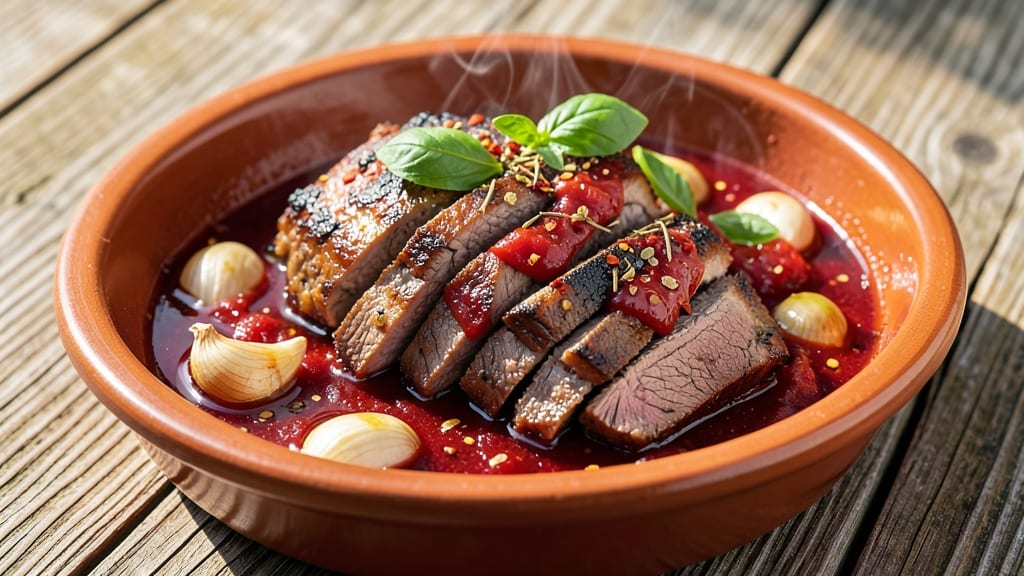
This beef arrabiata recipe delivers restaurant-quality depth with just a few simple ingredients—tender beef simmered in a rich, wine-infused tomato sauce that balances bold flavors perfectly.
The secret lies in slow cooking the beef until fork-tender while building layers of garlic, chili, and herbs that meld into a sauce so vibrant it transforms any weeknight into a dinner party.
I've perfected this technique over years of testing, ensuring the sauce never turns mushy or the beef dries out, even with long simmering.
The beauty of this dish is its versatility—serve it over al dente pasta for a hearty meal or alongside crusty bread to soak up every last drop of that velvety sauce.
What makes it special is the balance of acidity from the tomatoes, warmth from the red wine, and a subtle kick from chili flakes that lingers just enough to satisfy.
The beef stays juicy and flavorful, absorbing the sauce without falling apart, while the aromatics infuse every bite with authentic Italian character.
What you'll achieve is a dish that's rich yet not heavy, deeply flavorful without being overpowering, and satisfying in every spoonful. The sauce thickens slightly as it cooks, creating a perfect consistency that clings to both beef and pasta.
This recipe proves you don't need complicated techniques to create something impressive—just patience and the right balance of ingredients.
Perfect for feeding a crowd or a cozy dinner for two, this beef arrabiata adapts beautifully to variations like adding cream for richness or swapping white wine for a brighter profile.
The instructions are straightforward, but the results are anything but ordinary—this is comfort food that feels special. Let's get cooking.
Ingredients for beef arrabiata
Nine essential ingredients transform simple beef into restaurant-quality arrabiata perfection.
| Ingredient | Amount | Notes |
|---|---|---|
| Chuck Roast Beef 🥩 | 1 ½ lb | Pre-cubed for even cooking |
| San Marzano Crushed Tomatoes 🍅 | 28 oz | High-quality canned tomatoes |
| Dry Red Wine 🍷 | ½ cup | Bold variety like Cabernet |
| Garlic Cloves 🧄 | 4 cloves | Freshly minced for aroma |
| Red Chili Flakes 🌶️ | 1 tbsp | Adjust for preferred heat |
| Dried Oregano 🌿 | 1 tsp | Italian variety preferred |
| Ground Black Pepper 🌶️ | ½ tsp | Freshly cracked preferred |
| Kosher Salt 🧂 | 1 ½ tsp | Adjust to taste |
| Olive Oil 🫒 | 2 tbsp | Extra-virgin for richness |
| Fresh Rosemary 🌿 | ¼ cup | Chopped, stems removed |
| Fresh Parsley 🌿 | ¼ cup | Chopped for garnish |
| Tomato Paste 🍅 | 1 tbsp | Squeeze tube preferred |
| Red Wine Vinegar 💧 | 1 tbsp | Balances acidity |
The beef choice matters—chuck roast delivers that melt-in-your-mouth texture when slow-cooked. Look for cuts with good marbling at Whole Foods or your local butcher for optimal flavor. San Marzano tomatoes are non-negotiable here; their natural sweetness and acidity balance perfectly. If you can't find them, Muir Glen is a solid alternative. The red wine should be bold—Cabernet Sauvignon or Merlot work best, but whatever's open in your cabinet will do. Fresh garlic and rosemary elevate this dish from ordinary to extraordinary, so don't skip them unless you're using dried substitutes at one-third the amount.
No red wine? Beef broth with a splash of balsamic vinegar mimics the depth. Dried herbs work in a pinch, but fresh is ideal—Trader Joe's often has affordable bundles. The tomato paste can be skipped if you prefer a lighter sauce, but it adds that concentrated umami punch. For extra richness, stir in 1/4 cup heavy cream at the end. The chili flakes are adjustable—start with less if you're sensitive to heat. Every ingredient here serves a purpose: the wine deglazes the pan, the vinegar brightens, and the herbs infuse that authentic Italian character. Don't rush the simmering—patience lets all those flavors meld together.
This sauce improves overnight, so make extra if you can. Store in an airtight container in the fridge for up to 5 days or freeze for 3 months. The beef stays juicy when reheated gently—just add a splash of water or broth. For serving, keep the sauce warm in a slow cooker on low heat. The aroma alone will have everyone gathering at the table. If you're making it ahead, assemble everything except the beef, refrigerate the sauce separately, and cook the beef fresh—this keeps it from drying out. Leftovers reheat beautifully, making this a perfect meal prep option for busy weeks.
Why You'll Love This Recipe
- One-Pot Magic: I swear by this—just sear the chuck roast, pour in the wine and tomatoes, and let it simmer. No chopping, no fussing, just hands-off cooking while you do whatever else needs doing.
- Wine-Infused Richness: That dry red wine? It’s the secret—deep, savory, and just a little tangy. The San Marzano tomatoes sweeten it out, and the chili flakes? They add this perfect little kick without overpowering.
- Weeknight to Weekend: Make it for a lazy Tuesday with crusty bread, or double the batch for a dinner party. The slow-cooked beef gets tender, the sauce thickens just right—it’s my go-to for any occasion that doesn’t require a fancy menu.
- Budget-Friendly Feast: Chuck roast is cheap, but it feels luxurious here. A single roast stretches to four meals, and the wine and tomatoes make it taste like you spent hours (but you didn’t). Leftovers? Even better the next day.
Step-by-step instructions for beef arrabiata
Here's how to create a rich, wine-infused tomato sauce that tenderizes the beef perfectly.
Sear the Chuck Roast Beef
Heat the 2 tablespoons olive oil in a large Dutch oven over medium-high heat until shimmering. Pat the 1.5 lb chuck roast beef dry with paper towels and add it to the pot in a single layer. Let it sear undisturbed for 3-4 minutes until a deep golden-brown crust forms on one side.
Flip the beef pieces and repeat on the second side, then break them into 1-inch cubes for even cooking. Transfer the seared beef to a plate and set aside. This initial searing develops deep flavor through the Maillard reaction, which will carry through the entire dish. Don't be tempted to crowd the pan—this prevents proper browning.
Build the Flavor Base
In the same Dutch oven, reduce the heat to medium and add the 1 tablespoon tomato paste. Stir for 1 minute until it darkens slightly and coats the bottom of the pot. This paste forms the flavor foundation for the sauce.
Add the 4 cloves minced garlic cloves and cook for 30 seconds until fragrant—don't let it burn, as this creates bitterness. Stir in the 1 tablespoon red chili flakes, 1 teaspoon dried oregano, 0.5 teaspoon ground black pepper, and 1.5 teaspoons kosher salt, mixing well to distribute the spices evenly. The aromatics should release their oils and create a rich, spiced base.
Deglaze and Simmer
Pour in the 0.5 cup dry red wine and 1 tablespoon red wine vinegar, scraping up any browned bits from the bottom of the pot with a wooden spoon. Let the mixture simmer for 3-4 minutes until the wine reduces by half and the alcohol burns off.
Add the 28 oz San Marzano crushed tomatoes and stir to combine. Bring the mixture to a gentle simmer, then reduce heat to low. Cover partially and let it cook for 45-50 minutes, stirring occasionally, until the sauce thickens and the beef is tender enough to pierce with a fork. The sauce should coat the back of a spoon with a velvety consistency.
Finish with Herbs and Rest
Stir in the 0.25 cup chopped fresh rosemary and 0.25 cup chopped fresh parsley, reserving a small handful of parsley for garnish. Taste the sauce and adjust the seasoning with additional salt or pepper if needed. The acidity from the vinegar and wine should balance the richness of the tomatoes and beef.
Remove the Dutch oven from heat and let the beef arrabiata rest for 5-10 minutes before serving. This resting period allows the flavors to meld and the sauce to thicken slightly, creating a more cohesive dish. Garnish each serving with the reserved parsley and serve immediately with crusty bread or over polenta for a hearty meal.
Pro Tips For Making Beef Arrabiata
- SEAR THE ROAST FIRST: I learned this the hard way—skipping the sear means flavorless beef. Pat the chuck roast very dry, then hit it with high heat in your Dutch oven until deep brown (about 4-5 minutes per side). That crust locks in juices and builds the base for the wine reduction.
- CRUSH GARLIC, DON’T MINCE: After burning three batches, I finally figured out: minced garlic burns instantly in tomato sauce. Roughly crush the cloves with the flat side of your knife first—it blooms flavor without disappearing into ash. Add it right after the wine deglazes.
- DEGLAZE WITH WINE, THEN REDUCE: Don’t just pour the wine and walk away. Let it bubble for 2-3 minutes until it’s almost evaporated, then add the tomatoes. This concentrates the wine’s depth before the acidity hits, so your sauce doesn’t taste like vinegar.
- SALT THE TOMATOES: I skip this when I’m lazy, but the dish is noticeably better when I don’t. Toss the crushed San Marzano tomatoes with ½ teaspoon salt and let them sit for 10 minutes before adding to the pot. It softens the acid and makes the sauce sing.
Common mistakes when making your beef arrabiata
Overcrowding the Pan
One of the most common mistakes is trying to sear all the beef at once in a crowded pan. This prevents the Maillard reaction from happening properly, which is what creates that deep, caramelized flavor.
Instead, sear the beef in batches if needed, using 1-2 tablespoons of olive oil per batch. A 12-inch cast iron skillet or Dutch oven gives you enough space for proper browning. 🔥
Skipping the Sear
Some cooks rush this step or skip it entirely to save time, but searing is absolutely critical. That golden crust locks in flavors and prevents the beef from becoming mushy. Take your time—let each piece develop a deep brown color on all sides before moving on.
If you're short on time, at least sear the beef in a hot skillet before transferring it to the sauce.
Using Low-Quality Tomatoes
Not all canned tomatoes are created equal. San Marzano tomatoes or Muir Glen are worth the investment—they have the perfect balance of sweetness and acidity. Cheaper brands often contain added salt or water, which can make your sauce taste flat.
If you can't find high-quality canned tomatoes, use fresh tomatoes (peeled and crushed) instead, but they'll require longer cooking time to break down.
Ignoring the Wine Reduction
The red wine isn't just there for flavor—it needs time to reduce and burn off the alcohol. If you rush this step, you'll end up with a sauce that tastes raw and harsh.
Let the wine simmer for at least 3-4 minutes until it reduces by half and develops a deeper, more concentrated flavor. This is where the sauce gets its rich, complex character. 🍷
Overcooking the Beef
While slow cooking is essential for tender beef, there's a fine line between perfectly tender and dry. Use a meat thermometer to check the internal temperature—it should reach 195-205°F for fork-tender results. If you overcook it past 210°F, the beef will start to break apart and lose moisture.
Remove it from the sauce when it's just tender, then let it rest in the warm sauce to reabsorb juices.
Neglecting the Resting Time
After cooking, the beef needs time to rest before serving. Skipping this step means the juices will run out onto your plate instead of staying in the meat. Let the dish rest for 5-10 minutes—this also allows the sauce to thicken slightly and the flavors to meld together.
Trust me, this small step makes a huge difference in the final texture and taste. ✨
Nutrition facts
Frequently asked questions
Can I use ground beef instead of chuck roast for this recipe?
Yes, you can substitute 1 lb ground beef (80/20 fat ratio) for the chuck roast, but the cooking time will be shorter—just 15-20 minutes on low heat. The ground beef will absorb the sauce differently, so you may want to add 1/4 cup beef broth to keep it moist. For best results, brown the ground beef first in batches to develop flavor.
How do I make this recipe without red wine?
Use 1/2 cup beef broth plus 1 tablespoon balsamic vinegar to replace the red wine. The balsamic adds depth while the broth maintains moisture. For extra richness, stir in 1/4 cup heavy cream at the end. The acidity from the vinegar will still balance the tomatoes beautifully.
What's the best way to reheat leftovers?
Gently reheat leftovers in a saucepan over low heat with 2-3 tablespoons of water or broth to prevent drying. Avoid microwaving as it can make the beef tough. For best texture, warm the sauce separately and combine with the beef just before serving. The sauce should be heated until bubbling, then removed from heat to let it thicken again.
Can I make this dish ahead of time?
Assemble everything except the beef, refrigerate the sauce separately, and cook the beef fresh when ready to serve. This keeps the meat juicy. Alternatively, fully cook and refrigerate the dish (covered) for up to 3 days. The flavors actually improve overnight as the sauce melds. Reheat gently before serving.
What's the difference between arrabiata and marinara sauce?
Arrabiata sauce is more complex—it includes garlic, chili flakes, red wine, and often tomato paste for depth, while marinara is simpler with just tomatoes, garlic, and basil. Arrabiata has a bold, slightly spicy character from the wine and chili, whereas marinara is milder and sweeter. Both are delicious, but arrabiata pairs better with hearty beef dishes.