
Main Courses
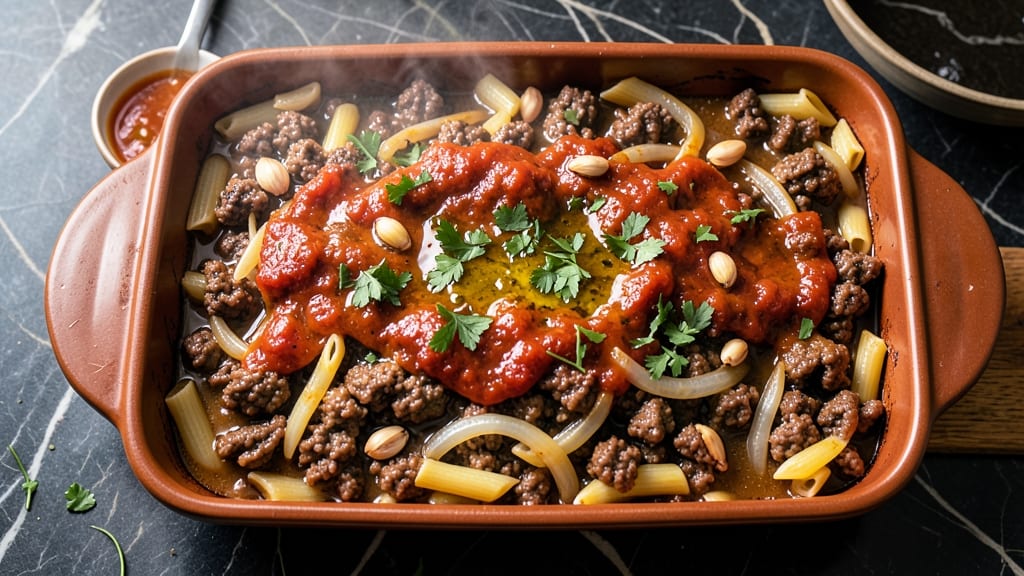
This beef and pasta casserole recipe delivers comfort food perfection with tender beef, al dente pasta, and a bubbling cheese topping that turns golden under the broiler. The secret lies in browning the beef first—this step creates deep, savory flavors that infuse every layer as it bakes.
I’ve perfected this dish over years of family gatherings, where it disappears faster than the mashed potatoes, and it’s become a staple for feeding crowds without the fuss of multiple dishes.
What makes this recipe special is the balance of textures and flavors: crispy cheese crust, tender beef, and al dente pasta all working together. The slow bake allows the sauce to meld with the beef and pasta, creating a rich, hearty dish that’s both satisfying and elegant.
Unlike some casseroles that turn soggy, this one holds its shape while delivering restaurant-quality depth. The best part? It’s ready in under an hour, making it ideal for weeknight dinners or meal prep.
By the time it emerges from the oven, you’ll have a dish that’s golden, bubbling, and impossible to resist—the kind of meal that feels like a hug in food form. The cheese topping crisps beautifully under the broiler, adding a satisfying crunch to every bite.
Serve it with a simple green salad or garlic bread to soak up the last of the savory sauce. This isn’t just a casserole; it’s a crowd-pleaser that turns ordinary dinners into memorable meals.
The beauty of this recipe is its flexibility. Swap out the ground beef for stew meat for extra tenderness, or add mushrooms and onions for depth. For a modern twist, use a blend of cheeses like sharp cheddar, Gruyère, and Parmesan.
The possibilities are endless, but the foundation—browned beef, layered pasta, and a golden cheese topping—is what makes it truly special. Let’s get baking!
Ingredients for beef and pasta casserole
Sixteen ingredients for a casserole that feeds a crowd with restaurant-quality layers.
| Ingredient | Amount | Notes |
|---|---|---|
| Ground Beef 🥩 | 1 ½ lb | 80% lean for best flavor |
| Medium Onion 🧅 | 1 whole | Diced, for flavor base |
| Garlic Cloves 🧄 | 4 cloves | Minced, for aromatic depth |
| Uncooked Pasta 🍝 | 12 oz | Penne or rigatoni preferred |
| Tomato Paste 🍅 | ½ cup | Smooth, for rich sauce |
| Beef Broth 💧 | 1 ½ cups | Low-sodium preferred |
| Red Wine 🍷 | ½ cup | Dry, for depth (optional) |
| Shredded Mozzarella Cheese 🧀 | 2 cups | Part-skim or whole milk |
| Parmesan Cheese 🧀 | ½ cup | Freshly grated, for crunch |
| All-Purpose Flour 🌾 | 2 tbsp | For thickening sauce |
| Dried Oregano 🌿 | 1 tsp | For Italian flavor |
| Ground Black Pepper 🌶️ | ½ tsp | Freshly cracked |
| Kosher Salt 🧂 | 1 ½ tsp | Adjust to taste |
| Olive Oil 🫒 | 2 tbsp | For browning beef |
The beef is non-negotiable—80% lean ground beef gives you that perfect balance of flavor and tenderness. Costco or Walmart usually have the best prices for bulk packs, and it’s worth splurging here. Look for packages with visible marbling—those fat streaks melt during baking, keeping the beef juicy. The onion and garlic are your flavor anchors, so don’t skimp on freshness. Yellow onions add sweetness, but red onions work too if that’s what’s on sale. For the pasta, rigatoni or penne holds sauce best, but any short tube shape will do. Pre-cook it al dente—it’ll finish in the oven.
No red wine? Beef broth plus a splash of balsamic vinegar works just as well. Pre-shredded cheese gets clumpy—block cheese is worth the effort—but if you’re in a pinch, use the good stuff from the deli section. The tomato paste can be the squeeze tube kind from Trader Joe’s—it’s perfect for single servings and lasts forever. For extra richness, stir in a tablespoon of Dijon mustard with the tomato paste. The flour is just to thicken the sauce, so any all-purpose will do. If you’re gluten-free, swap for cornstarch.
This casserole tastes even better the next day—3-4 days in the fridge, covered tightly. For leftovers, reheat covered at 350°F for 20 minutes until bubbly. Freezes beautifully for up to 3 months—just thaw overnight in the fridge before reheating. I always make a double batch because it disappears fast. Store in individual portions for easy lunches, or freeze in single layers for quick meals. The cheese topping crisps best when broiled at the end, so don’t skip that step—it’s what makes this dish feel special.
Why You'll Love This Recipe
- One-Pan Magic: I swear by this recipe when I’m too tired to wash a million dishes. Brown the beef, toss in the onions and garlic, stir in the pasta and tomato paste, and boom—it all bakes together. No strainers, no separate pots, just one sheet pan that’s basically self-cleaning.
- Rich Without Effort: Honestly, the secret’s in the tomato paste and garlic. You don’t need fancy herbs or expensive spices—just a little browned beef, a splash of broth, and that deep, savory umami from the paste. It’s the kind of flavor that makes people ask, “What’s in this?” before you even answer.
- Meal Prep MVP: Between us, this is my go-to for busy weeks. Make a double batch on Sunday, and you’ve got lunch or dinner covered for days. The pasta stays al dente, the beef stays tender, and it reheats like a dream—no soggy leftovers here.
- Budget-Buster Combo: Ground beef and pasta? Check. Onion and garlic? Pantry staples. Tomato paste? A dollar at the store. This recipe feeds four for under $10 and still feels like a restaurant dish. Plus, the leftovers stretch into lunches without breaking the bank.
Step-by-step instructions for beef and pasta casserole
Here's how to build layers of rich flavor and melt-in-your-mouth texture that transform simple ingredients into a hearty, comforting dish.
Brown the Ground Beef and Sauté Aromatics
Heat the 2 tablespoons olive oil in a large skillet over medium-high heat. Add the 1.5 pounds ground beef, breaking it apart with a wooden spoon as it cooks. Let it brown undisturbed for 3-4 minutes until the meat loses its raw color and begins to crisp around the edges.
Drain any excess fat that accumulates, leaving about 1 tablespoon in the pan for flavor. Add the diced medium onion and cook for 5 minutes until softened and translucent. Stir in the 4 minced garlic cloves and cook for another 30 seconds until fragrant—this prevents the garlic from burning while building the foundation of your sauce.
Build the Sauce Base
Return the beef mixture to the skillet and add the 2 tablespoons all-purpose flour, stirring to coat the meat evenly. Cook for 1 minute to toast the flour slightly, which helps remove its raw taste. Pour in the 0.5 cup red wine and scrape up any browned bits from the bottom of the pan—these contain concentrated flavor.
Add the 0.5 cup tomato paste, 1.5 cups beef broth, 1 teaspoon dried oregano, 0.5 teaspoon ground black pepper, and 1.5 teaspoons kosher salt. Bring to a simmer and cook for 5-7 minutes until the sauce thickens slightly. The mixture should coat the back of a spoon and have a rich, savory aroma—this ensures your casserole will be deeply flavorful.
Cook the Pasta Al Dente
While the sauce simmers, cook the 12 ounces uncooked pasta in a separate pot of salted boiling water until 1 minute shy of the package's recommended al dente time. This slight undercooking prevents the pasta from becoming mushy when baked later. Drain the pasta, reserving 1 cup of the starchy pasta water—this liquid helps create a silky sauce when combined with the cheese.
Toss the drained pasta with 1 cup of the shredded mozzarella cheese to prevent clumping. The residual heat will begin melting the cheese slightly, creating a creamy coating that enhances texture. Set aside while you prepare the final layer.
Assemble the Casserole Layers
Preheat your oven to 375°F. In a 9x13-inch baking dish, spread half of the cooked pasta evenly across the bottom. Pour the beef sauce mixture over the pasta, distributing it evenly. Sprinkle ½ cup of the remaining mozzarella cheese and ¼ cup of the parmesan cheese over the sauce.
Add the remaining pasta, creating another even layer. Top with the remaining 1 cup mozzarella cheese and ¼ cup parmesan cheese. Drizzle any reserved pasta water over the top if the cheese mixture appears too dry. The cheese should look slightly glistening—this ensures a creamy, not grainy, texture after baking.
Bake to Golden Perfection
Cover the casserole tightly with aluminum foil and bake for 25 minutes. Remove the foil and bake for another 10-15 minutes until the top is deep golden brown and bubbling. The edges should be crispy while the center remains creamy—this contrast in textures makes the dish truly special.
Let the casserole rest for 10 minutes before serving. This resting period allows the cheese to set slightly, making it easier to slice and preventing a runny consistency. Serve with a side salad or crusty bread to soak up the rich, cheesy sauce. The result should be a harmonious blend of tender pasta, savory beef, and melty cheese with a perfectly crispy top.
Pro Tips For Making Beef And Pasta Casserole
- Brown the Beef Properly: Don’t just crumble the raw beef into the pan—break it into ½-inch chunks first, then brown them in batches over medium-high heat until they release fat and turn deep brown. I used to skip this, and the casserole always tasted flat; that’s where the meaty flavor lives.
- Pre-Cook the Pasta Slightly: Dump uncooked pasta straight into the casserole, but first boil it for 2–3 minutes less than package instructions. It’ll finish cooking in the oven, and you’ll avoid a mushy, gluey mess. (Yes, even if you’re impatient like me.)
- Use a Splatter Screen: Onion and garlic flying everywhere? Toss a fine-mesh splatter screen over the pan while you sauté them—it catches the mess without smothering the heat. I learned this the hard way after scrubbing tomato paste off my ceiling.
- Layer Sauce Last: Build the casserole in this order: pasta, beef, onions, garlic, then finally the tomato paste mixed with broth or sauce. Topping the sauce first makes it watery and dilutes the flavors. Trust me, the layers matter.
Common mistakes when making this recipe
Skipping the Browning Step
I can’t stress this enough—never skip browning the beef! That step creates the deep, meaty flavor that makes this casserole taste homemade. Raw beef mixed into the sauce will turn out bland and gray.
Take the extra 5 minutes to let the beef brown in batches if needed—your taste buds will thank you. 🔥
Overcooking the Pasta
Cooking the pasta to perfection is key, but I see people make two mistakes here: either undercooking it so much it’s raw or overcooking it until it’s mushy. Aim for al dente (1 minute less than package instructions) so it finishes cooking in the oven.
Pro tip: Reserve that starchy pasta water—it’s liquid gold for keeping the sauce silky when mixed with cheese. 💫
Uneven Cheese Distribution
Nothing ruins a casserole like a dry, cheesy top or a soggy bottom. Sprinkle the cheese evenly in thin layers between the pasta and on top—don’t just dump it all at once.
I like to toss half the pasta with cheese first to prevent clumping. Also, avoid overloading the top layer; 2 cups total mozzarella is plenty for a 9x13-inch dish. 🧀
Forgetting to Rest
Cutting into the casserole immediately after baking is a cardinal sin. Let it rest for at least 10 minutes—this lets the cheese set and the juices redistribute. I’ve seen casseroles collapse or leak sauce when sliced too soon. Patience here makes all the difference for clean, neat portions. ✨
Skipping the Broiler
The broiler isn’t optional—it’s what creates that golden, crispy cheese crust that makes this dish feel restaurant-worthy. If your oven doesn’t have a broiler, prop the casserole on a rack over a baking sheet for the last 2-3 minutes to get that perfect browning.
Just watch it like a hawk to avoid burning. 🌟
Using Pre-Shredded Cheese
Pre-shredded cheese contains anti-caking agents that make the topping dry and grainy. Always use block cheese (like fresh mozzarella or sharp cheddar) and shred it yourself. If you’re in a pinch, buy pre-shredded low-moisture mozzarella**—it’s the closest store-bought option. Trust me, the texture difference is night and day. 💪
Nutrition facts
Frequently asked questions
Can I use a different type of pasta in this recipe?
While penne or rigatoni work best, you can swap in fusilli, farfalle, or even rotini for fun shapes. Avoid long pasta like spaghetti—it won't hold together well in layers. For extra flavor, try whole wheat pasta or spinach pasta. Just cook it to al dente (1 minute less than package instructions) so it finishes in the oven.
How can I make this casserole ahead of time?
This dish tastes even better the next day! Assemble it completely (even the cheese topping) and refrigerate for up to 24 hours before baking. For freezing, assemble without the top cheese layer, cover tightly, and freeze for up to 3 months. Thaw overnight in the fridge, add the cheese, and bake as directed. The flavors meld beautifully during overnight chilling.
What if I don't have red wine?
No problem! Replace the ½ cup red wine with ½ cup beef broth plus 1 tablespoon balsamic vinegar for depth, or use ½ cup extra beef broth and add ½ teaspoon Worcestershire sauce. The wine adds richness, but these substitutes work perfectly. For a non-alcoholic option, try ½ cup apple cider or ½ cup cranberry juice—both add subtle sweetness that balances the savory flavors.
Can I make this recipe in a smaller baking dish?
Yes, but adjust the quantities! For a 8x8-inch dish, reduce all ingredients by about ⅔ (use 8 oz pasta, 1 lb beef, 1 cup cheese). For a 9x9-inch dish, reduce by ½. The key is maintaining the same layer ratios—pasta, sauce, cheese—to ensure even baking. Bake times may vary slightly, so check for doneness at 20-25 minutes uncovered.
Why did my casserole turn out dry?
Dry casseroles usually happen from overbaking or not enough sauce. First, ensure your pasta is al dente before baking. Second, add ¼ cup reserved pasta water when assembling to keep the sauce silky. If it's still dry, try adding 2-3 tablespoons milk or cream to the sauce before baking next time. The cheese topping should be thinly spread—overloading it can dry out the layers below.