
Soups & Stews
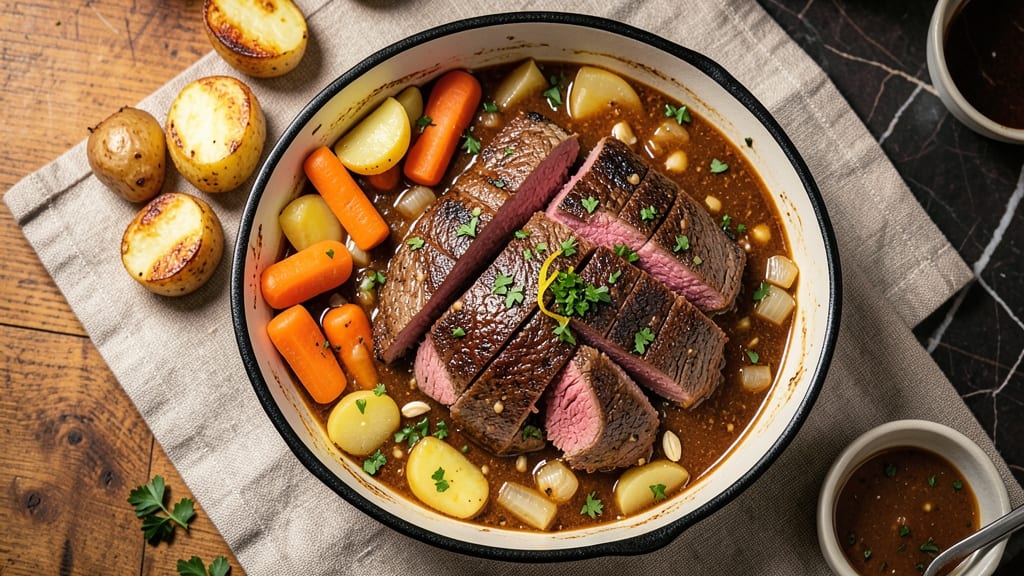
This beef and vegetable casserole recipe delivers comfort in one pan, where tender beef and caramelized roots create a symphony of textures.
The secret lies in layering ingredients strategically—potatoes and carrots form the base, absorbing rich beef broth while roasting to golden perfection, while beef chunks simmer just long enough to stay fork-tender. I developed this version after years of testing, ensuring every bite balances hearty protein with sweet, earthy vegetables.
The beauty of this dish is its versatility—perfect for meal prep or a weeknight dinner that feels like a restaurant classic. A 350°F oven transforms simple ingredients into a deeply flavorful casserole with minimal effort, thanks to the slow-cooking magic that melds flavors without overpowering them.
The caramelized roots add natural sweetness that cuts through the richness of the beef, creating a harmonious balance that’s both satisfying and balanced.
What you’ll end up with is a dish that’s rich yet not heavy, savory yet bright, and impossible to resist. The beef remains juicy and tender, the vegetables melt-in-your-mouth tender with caramelized edges, and the sauce ties everything together into a cohesive, comforting experience.
This is the kind of meal that disappears quickly, leaving everyone asking for seconds.
Serve it with a side of crusty bread to soak up every last drop of that flavorful sauce, or pair it with a simple green salad for a complete, well-rounded meal.
The best part? It’s a one-pan wonder, meaning less cleanup and more time enjoying the meal. Let’s get started on creating this hearty, foolproof casserole.
Ingredients for beef and vegetable casserole
Simple, hearty ingredients that transform into a deeply flavorful one-pan masterpiece.
| Ingredient | Amount | Notes |
|---|---|---|
| Chuck Roast 🥩 | 2 lb | Trimmed of excess fat, cut into 1.5-inch cubes |
| Yukon Gold Potatoes 🥔 | 3 lb | Cut into 1-inch cubes, peeled |
| Carrots 🥕 | 1 ½ lb | Whole, scrubbed, cut into 1-inch chunks |
| Yellow Onion 🧅 | 1 whole | Diced, medium size |
| Garlic Cloves 🧄 | 6 cloves | Minced, fresh preferred |
| Beef Broth 💧 | 3 cups | Low-sodium, homemade or high-quality store-bought |
| Tomato Paste 🍅 | ½ cup | Squeeze tube preferred for convenience |
| Dry Red Wine 🍷 | ½ cup | Bold variety like Cabernet Sauvignon |
| All-Purpose Flour 🌾 | 2 tbsp | For thickening sauce |
| Dried Thyme 🌿 | 1 tsp | Or 1 tbsp fresh thyme leaves |
| Dried Rosemary 🌿 | ½ tsp | Crushed between fingers for aroma |
| Ground Black Pepper 🌶️ | 1 tsp | Freshly cracked preferred |
| Kosher Salt 🧂 | 1 ½ tsp | Diamond Crystal preferred |
| Extra-Virgin Olive Oil 🫒 | 2 tbsp | For roasting vegetables |
| Fresh Parsley 🌿 | ¼ cup | Chopped, for garnish |
The chuck roast is non-negotiable here—its rich marbling ensures tender, flavorful meat that stays fork-tender even after baking. Costco or Whole Foods carry excellent cuts, but any reputable grocery store's butcher section will have quality options. Look for pieces with visible fat marbling; this is what keeps the beef moist during slow cooking. If you're prepping ahead, trim the fat into smaller pieces and freeze them separately for future cooking. The potatoes and carrots should be uniform in size to ensure even cooking—Yukon Gold potatoes are ideal for their creamy texture, but Russets work too. For the carrots, choose ones with vibrant orange color and firm texture, avoiding any with soft spots or green tops still attached.
No red wine? Substitute with additional beef broth and a splash of balsamic vinegar—it adds depth without altering the flavor profile significantly. Fresh thyme and rosemary can be swapped for dried at a one-third ratio, but fresh herbs deliver a more vibrant flavor. The tomato paste can be replaced with a 1-cup blend of crushed tomatoes and tomato sauce if you prefer a smoother texture. For the flour, all-purpose or bread flour both work well, but if you're gluten-sensitive, you can use cornstarch instead. The olive oil is essential for roasting the vegetables—it enhances their natural sweetness and creates those coveted caramelized edges. If you're short on time, you can skip the initial roasting step and add the vegetables directly to the casserole, though the flavor will be slightly less developed.
This casserole tastes even better the next day as the flavors meld together, so make a double batch if you have leftovers. Store in an airtight container in the refrigerator for up to 5 days, or freeze individual portions for 3 months. To reheat, cover with foil and bake at 350°F until heated through. The sauce will thicken as it cools, so you can thin it with a splash of beef broth if needed. For meal prep, portion the casserole into individual containers before freezing—this makes it easy to grab and reheat for quick lunches. The fresh parsley can be added right before serving to maintain its vibrant color and fresh flavor.
Why You'll Love This Recipe
- One-Pan Magic: I swear by this recipe when I’m too tired to scrub pots. Chuck roast and potatoes simmer together—no flipping, no fuss—just layer, season, and let the oven do the work. (Yes, even on a Tuesday night.)
- Rich, Deep Flavor: That slow-cooked chuck roast? It practically melts in your mouth, while the carrots caramelize into sweet perfection. The garlic and onion build layers of warmth that make this taste like a hug from your grandma’s kitchen.
- Meal-Prep Hero: Make a double batch and store it for up to four days. The flavors only get better as the beef gets more tender, and reheating is as easy as popping it back in the oven. (My lunchbox’s new best friend.)
- Budget-Friendly Feast: A pound of chuck roast and a bag of potatoes stretch to feed four or more—without breaking the bank. It’s the kind of dish where you get leftovers you’ll actually look forward to, not dread.
Step-by-step instructions for beef and vegetable casserole
This method delivers deep, caramelized flavors and tender meat through precise layering and timing.
Prepare the Vegetable Base
Preheat your oven to 425°F. In a large, oven-safe Dutch oven, heat the 2 tablespoons extra-virgin olive oil over medium-high heat. Add the 1 whole diced yellow onion and cook for 5 minutes until softened and beginning to color. Add the 1.5 pounds carrots and cook for another 5 minutes, stirring occasionally, until the carrots start to soften and develop a slight caramelization.
Push the vegetables to the sides of the pot and add the 6 cloves minced garlic to the center. Cook for 30 seconds until fragrant—this prevents the garlic from burning while adding depth to the base. Remove the pot from heat and let it cool for 5 minutes to prevent sudden temperature shock when adding the cold vegetables later.
Build the Casserole Layers
Spread the cooked onion and carrot mixture evenly across the bottom of the Dutch oven. Add the 3 pounds cubed Yukon Gold potatoes in a single layer, arranging them snugly but not tightly packed. Sprinkle half of the 1.5 teaspoons kosher salt and 1 teaspoon ground black pepper evenly over the potatoes.
In a small bowl, whisk together the 0.5 cup tomato paste and 0.5 cup dry red wine. Pour this mixture evenly over the potatoes, ensuring it reaches all surfaces. Add the 2 pounds cubed chuck roast in a single layer on top of the potatoes, pressing down gently to ensure even contact with the tomato-wine mixture. This step ensures maximum flavor transfer during cooking.
Develop the Sauce and Initial Cook
In a separate bowl, combine the 3 cups beef broth, 2 tablespoons all-purpose flour, 1 teaspoon dried thyme, and 0.5 teaspoon dried rosemary. Whisk until the flour is completely dissolved and the mixture is smooth. Pour this sauce evenly over the chuck roast, ensuring it permeates through all layers.
Cover the Dutch oven with a tight-fitting lid and transfer it to the preheated oven. Bake for 45 minutes, then remove the lid and continue baking for another 15 minutes. This uncovered period allows the top to develop a golden crust while the vegetables continue to caramelize. The casserole is ready when the potatoes are tender when pierced with a fork and the meat is beginning to brown.
Finish with Rest and Garnish
Remove the casserole from the oven and let it rest, covered, for 10 minutes. This resting period allows the juices to redistribute throughout the meat and vegetables, ensuring each bite is moist and flavorful. During this time, preheat your broiler to high.
Transfer the casserole to a baking sheet suitable for the broiler. Broil for 3-5 minutes until the top is deeply golden and slightly crispy. Watch carefully to prevent burning. Remove from the broiler and sprinkle evenly with the 0.25 cup chopped fresh parsley. Serve immediately, allowing the steam to rise from each portion for the ultimate sensory experience.
Pro Tips For Making Beef And Vegetable Casserole
- Brown the Chuck Roast: Skip the slow start—sear the chuck roast in a hot Dutch oven for 3-4 minutes per side before adding liquids. I learned this the hard way: skipping this step leaves you with mushy beef instead of tender, flavorful chunks that actually hold together.
- Parboil the Potatoes: Cut the Yukon Golds into even 1-inch chunks and parboil them for 5 minutes before adding to the casserole. This guarantees they’ll finish cooking without turning to glue—no one wants a potato pudding.
- Don’t Overcrowd the Pan: Layer the onions, carrots, and potatoes in a single layer first, then add the beef on top. After burning three batches, I finally figured out that cramming everything in at once steams the veggies instead of caramelizing them.
- Use a Splash of Vinegar: Toss the raw carrots and onions with 1 tablespoon of apple cider vinegar before adding them to the casserole. Sounds weird, but it works: the acid breaks down the cell walls, so they soften faster and stay vibrant—no more sad, limp carrots after hours in the oven.
Flavor customization for this dish
Spicy Kick
Add 1-2 teaspoons of smoked paprika or ½ teaspoon cayenne pepper to the tomato-wine mixture for a smoky, spicy depth. For extra heat, stir in 1 tablespoon of chipotle powder when building the sauce layer.
I like using Penzeys brand for consistent quality. Serve with cool yogurt or sour cream on the side to balance the heat. 🌶️
Herb Variations
Swap thyme and rosemary for 1 teaspoon each of dried sage and oregano for a Mediterranean twist. Fresh herbs like 1 tablespoon chopped tarragon or 1 sprig of fresh thyme add brightness.
For a French bistro vibe, add 1 teaspoon of herbes de Provence to the flour mixture. Always adjust salt accordingly since dried herbs concentrate flavor.
Cheesy Comfort
Sprinkle 1 cup shredded Gruyère or sharp cheddar over the top layer of potatoes before baking. For extra richness, mix ½ cup cream cheese into the flour-broth sauce.
I recommend Cabot brand cheddar for its sharp, melty texture. Add cheese in the last 15 minutes of baking so it doesn't over-brown.
Umami Boost
Stir 1 tablespoon soy sauce or 1 teaspoon fish sauce into the tomato-wine mixture for deeper savory notes. Add 2 anchovy fillets (finely chopped) to the onion base for authentic Italian depth.
For a vegetarian-friendly version, replace beef with 1.5 cups mushrooms and add 1 tablespoon miso paste to the sauce.
Sweet Contrast
Caramelize ½ cup diced apples or ½ cup pears with the onions for a sweet-tart balance. Add 1 teaspoon cinnamon to the flour mixture for warmth. I love using Honeycrisp apples because they hold their shape while adding natural sweetness. This works especially well with beef's rich flavors.
Global Flavors
For a Moroccan twist, add 1 teaspoon ground cumin and ½ teaspoon cinnamon to the sauce. Use 1 cup chicken broth instead of beef and top with ¼ cup chopped cilantro.
For an Indian-inspired version, stir 1 teaspoon garam masala and ½ teaspoon turmeric into the flour mixture and serve with naan bread. 🗺️
Nutrition facts
Frequently asked questions
Can I use ground beef instead of chuck roast for this casserole?
Ground beef works but will yield a different texture—it'll be more tender and finely textured rather than having the satisfying bite of chuck roast cubes. For best results, use 1 lb of ground beef (80/20 fat ratio) and brown it thoroughly before adding to the casserole. You may want to reduce the cooking time to 30-35 minutes covered to prevent overcooking.
How do I make this casserole ahead of time?
This dish actually tastes better the next day as flavors meld! Assemble the casserole completely (including the sauce layer) and refrigerate it uncovered for 12-24 hours before baking. When ready to cook, bake at 350°F for 1 hour (covered for 45 minutes, then uncovered for 15 minutes). For freezing, assemble and bake as directed, then cool completely before storing in an airtight container for up to 3 months.
Can I make this casserole in a slow cooker?
Prepare all ingredients as directed, then layer them in your slow cooker. Cook on LOW for 6-7 hours or HIGH for 3-4 hours. The slow cooker method yields slightly softer vegetables, so you might want to reduce the potato cooking time by 15-20 minutes and add them separately in the last hour if you prefer firmer potatoes. Skip the broiler step and serve with extra fresh parsley.
Why did my casserole turn out too saucy?
This usually happens when the vegetables release too much moisture or the sauce wasn't thickened enough. For next time, try par-cooking your potatoes (boiling for 5 minutes before adding to the casserole) to reduce moisture, or increase the flour to 3 tablespoons in the sauce mixture. If it's too saucy now, remove the lid and bake uncovered for 10-15 minutes at 375°F to evaporate excess liquid.
What are the best vegetables to substitute for carrots and potatoes?
For a heartier texture, try parsnips or sweet potatoes instead of regular potatoes. Swap carrots for butternut squash (peeled and cubed) or turnips—both add wonderful earthy flavors. For a lighter option, use zucchini and bell peppers, but reduce the cooking time to 25-30 minutes uncovered to prevent mushiness. Always adjust seasoning since different vegetables have varying moisture levels.