
Soups & Stews
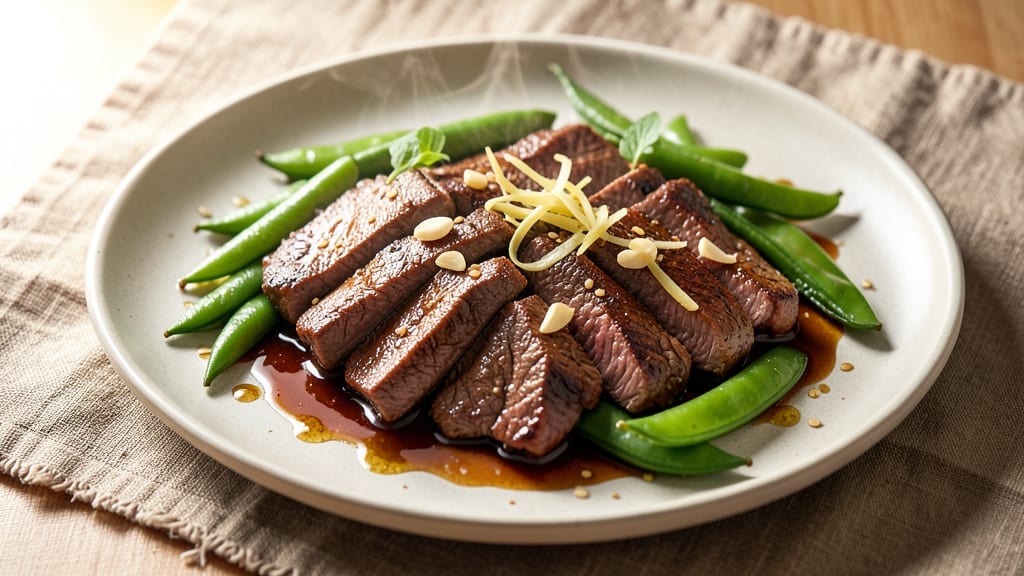
This beef and sugar snap peas recipe delivers a perfect balance of sweet, savory, and umami in under 15 minutes—no complicated techniques required. The secret lies in searing thinly sliced beef for maximum flavor while keeping sugar snap peas crisp-tender through quick stir-frying.
I developed this dish after craving a restaurant-quality meal that came together faster than takeout, and it’s been a staple in my weeknight rotation ever since.
The magic happens with a simple soy-ginger sauce that caramelizes slightly on the beef, creating a glossy, flavorful crust. Sugar snap peas add a satisfying crunch and natural sweetness that cuts through the richness of the beef, while garlic and sesame oil bring layers of aromatic depth.
This stir-fry is as satisfying as it is quick—ideal for busy evenings when you still want a restaurant-worthy dish.
What you’ll end up with is tender, flavorful beef strips paired with vibrant, crisp sugar snap peas, all coated in a sticky-sauce that’s perfectly balanced between sweet and savory. The dish is hearty enough to serve as a main course but light enough to pair with steamed rice or noodles.
Every bite delivers that perfect harmony of textures and flavors, making it a go-to recipe for both weeknights and weekend gatherings.
Ready in just 15 minutes, this recipe proves you don’t need hours in the kitchen to create something impressive. The technique is straightforward, and the ingredients are simple—no specialty tools or advanced skills required.
Whether you’re cooking for one or feeding a crowd, this stir-fry delivers consistent, delicious results every time. Let’s get started!
Ingredients for beef and sugar snap peas
Quick grocery run for beef, fresh peas, and pantry staples—this stir-fry comes together faster than takeout.
| Ingredient | Amount | Notes |
|---|---|---|
| Flank Steak 🥩 | 1 lb | Thinly sliced against the grain |
| Sugar Snap Peas 🥕 | 2 cups | Fresh, trimmed ends |
| Garlic Cloves 🧄 | 4 cloves | Minced for aromatic depth |
| Fresh Ginger 🌿 | 1 tbsp | Finely grated, fresh preferred |
| Low-Sodium Soy Sauce 🍶 | ⅓ cup | Or tamari for gluten-free |
| Sesame Oil 🫒 | 1 tbsp | Toasted, for nutty aroma |
| Honey 🍯 | 1 tbsp | Or maple syrup for vegan |
| Vegetable Oil 🫒 | 2 tbsp | High smoke point preferred |
| Toasted Sesame Seeds 🌾 | 1 tbsp | For garnish, optional |
| Red Bell Pepper 🌶️ | ½ cup | Diced, for added crunch |
| Diamond Crystal Kosher Salt 🧂 | ¾ tsp | For seasoning, adjust to taste |
| Ground Black Pepper 🌶️ | ½ tsp | Freshly cracked |
| White Rice 🍚 | 1 ½ cups | Uncooked, for serving |
The flank steak is your secret weapon here—thinly sliced against the grain for tender bites. Ask your butcher to slice it if they won’t do it for you, or use a sharp knife and freeze it for 20 minutes first to make slicing easier. Trader Joe’s often has pre-sliced flank steak, but I prefer cutting it myself for maximum freshness. Sugar snap peas should be bright green and crisp—avoid any that feel soft or wilted. The red bell pepper adds a nice crunch and sweetness, but you can skip it if you're short on time. For the ginger, fresh is non-negotiable—dried just won’t give you that bright, zesty punch.
No low-sodium soy sauce? Regular soy sauce works too, just reduce the honey slightly to balance the salt. Short on sesame oil? Avocado oil or neutral oil will work, but you’ll miss that toasty aroma. The honey adds just enough sweetness to complement the savory beef—if you prefer it less sweet, cut it to 1 teaspoon. For extra umami, add 1 teaspoon of fish sauce (if not vegetarian) or an extra half tablespoon of soy sauce. The red bell pepper can be swapped for green onions or snap peas if you're out, but the crunch is key for texture contrast.
This stir-fry reheats beautifully—just add a splash of water or soy sauce to keep it moist. Keeps for 3-4 days in the fridge, though it’s best enjoyed fresh. Double the recipe and freeze half for lazy days—portion into single-serving containers so you can grab and reheat. The rice? Cook it ahead and store separately to keep everything crisp. Leftovers taste even better the next day as the flavors meld together.
Why You'll Love This Recipe
- One-Pan Magic: I swear by this recipe—just slice the steak, toss in the snap peas and garlic, and let the pan do the work. No chopping boards to clean, no extra dishes. Honestly, the only thing I measure is the soy sauce, and even that’s just a splash.
- Umami Bomb: That combo of fresh ginger, garlic, and low-sodium soy sauce? It’s like a flavor explosion in your mouth. The steak gets this perfect sear while staying tender, and the snap peas stay crisp—no mushy sides here.
- Lunchbox Hero: Between us, this is my go-to for meal prep. I’ll cook a big batch on Sunday, slice the steak thin, and pack it with the peas for lunches all week. (Yes, even on a Tuesday night when I’m too tired to think.)
- Budget Steakhouse: Flank steak is affordable, and a pound stretches far when sliced thin. The snap peas add freshness without breaking the bank, and leftovers reheat like a dream—just toss them in a pan with a little soy sauce. My wallet and my family thank me.
Step-by-step instructions for sweet-savory beef and sugar snap peas stir-fry
This stir-fry comes together faster than you can say "wok hei"—let's make it with perfect balance.
Prep the Flank Steak for Maximum Tender Texture
Slice the 1 lb flank steak thinly against the grain using a sharp chef's knife. I cut it into ¼-inch thick strips—this ensures tender bites that cook through quickly in the hot pan. Arrange the slices on a plate and season immediately with ½ teaspoon ground black pepper and ¾ teaspoon diamond crystal kosher salt. Let them sit for 10 minutes while you prep the vegetables. This resting time helps the seasoning penetrate and prevents the meat from shrinking dramatically during cooking.
Here's the thing—flank steak can be tough if not handled properly. Slicing against the grain shortens the muscle fibers, making each bite more tender. Don't skip this step, even if it takes a few extra minutes. The payoff is worth it when you get that perfect melt-in-your-mouth texture.
Build the Aromatic Base with Garlic, Ginger and Peppers
Heat 2 tablespoons vegetable oil in a large skillet or wok over medium-high heat until shimmering. Add the 4 minced garlic cloves and 1 tablespoon finely grated fresh ginger, stirring constantly for 30 seconds until fragrant. You'll smell that sweet, pungent aroma—this is where the flavor foundation begins. Immediately add the ½ cup diced red bell pepper and stir-fry for 2 minutes until just tender but still vibrant in color.
Don't walk away during this step. The garlic and ginger can burn in seconds, turning bitter instead of sweet. You want them to just barely turn golden at the edges—that's when they release their full flavor. The bell pepper should soften slightly but still hold its shape to provide texture contrast in the finished dish.
Cook the Sugar Snap Peas to Crisp-Tender Perfection
Push the vegetable mixture to one side of the pan and add the 2 cups sugar snap peas to the empty space. Stir-fry for 2-3 minutes until they turn bright green and just begin to soften. The peas should still have a slight crunch—they'll finish cooking when combined with the beef. Here's a pro tip: I like to add the peas in batches if my pan is crowded, ensuring they get proper contact with the hot surface.
Watch the timing carefully. Overcooked sugar snap peas turn mushy and lose their signature snap. You want them to maintain that satisfying crunch while still being tender enough to eat. When they're ready, they'll look vibrant and slightly blistered at the edges—that's your visual cue to move to the next step.
Finish the Beef with Sweet-Savory Sauce
Return all the vegetable mixture to the center of the pan. Add the seasoned flank steak strips in a single layer and sear for 1-2 minutes until they develop a beautiful caramelized crust. Pour in the ⅓ cup low-sodium soy sauce, 1 tablespoon sesame oil, and 1 tablespoon honey, stirring everything together. Let it simmer for 1 minute until the sauce thickens slightly and coats the beef and vegetables evenly.
This is where the magic happens—the sweetness of the honey balances the umami from the soy sauce, while the sesame oil adds that nutty depth. Taste and adjust seasoning if needed, adding a splash more soy sauce if it's too sweet or a touch more honey if it needs balancing. The dish should sing with both sweet and savory notes.
Garnish and Serve Over Steamed Rice
Remove the stir-fry from heat and sprinkle with 1 tablespoon toasted sesame seeds for added texture and aroma. Serve immediately over 1.5 cups cooked white rice—each bite should deliver tender beef, crisp-tender peas, and that perfect sweet-savory balance. The rice helps soak up any remaining sauce, making every forkful complete.
I like to serve this with a side of steamed bok choy or a simple cucumber salad to cut through the richness. The contrast of temperatures and textures makes each component shine. Don't forget to taste as you go—this dish rewards attention to detail and quick action in the kitchen.
Pro Tips For Making Beef And Sugar Snap Peas
- Slice Thin, Cook Fast: Flank steak needs to be paper-thin for quick cooking—about ¼-inch slices cut against the grain. Thicker slices turn chewy, and no one wants that. Use a sharp knife and don’t rush; precision here saves the dish.
- Blanch Peas First: Toss sugar snap peas in boiling water for 30 seconds, then ice bath. This keeps them crisp while the steak cooks. I learned this the hard way—raw peas in the pan make the dish taste dull.
- Sear on High, Finish Low: Start the steak in a screaming-hot pan with oil—you want a crust in 30 seconds. Then drop to medium-low to let the soy sauce and ginger caramelize. Rushing the sear means flavor gets lost in the sauce.
- Grate Ginger, Don’t Mince: Fresh ginger loses its bite when minced—grate it directly into the pan with the garlic. The texture blends better, and you avoid those annoying chunks. A microplane works best; no, a knife isn’t good enough.
Flavor customization for this recipe
Sweet Heat Boost
For a spicier kick, add 1 teaspoon of gochujang or ½ teaspoon of chili flakes to the sauce when combining with the beef. The Korean-inspired fermented chili paste adds depth and heat that pairs beautifully with the sweet honey.
If you prefer a milder heat, try ½ teaspoon of sriracha mixed into the soy sauce before adding it to the pan. 🌶️
Umami Depth
Boost the savory profile with 1 tablespoon of fish sauce (if not vegetarian) or 1 teaspoon of miso paste stirred into the soy sauce. For a vegetarian option, add 1 tablespoon of nutritional yeast or ½ teaspoon of white miso to the sauce.
These additions amplify the beef's natural umami without overpowering the dish.
Citrus Zing
Brighten the stir-fry with 1 tablespoon of fresh lime juice or 1 teaspoon of rice vinegar added at the end. The acidity cuts through the richness and balances the sweetness.
I like to finish with 1 teaspoon of lime zest for an extra layer of freshness. This works especially well if you prefer a lighter, more refreshing flavor profile.
Nutty Crunch
Swap the toasted sesame seeds for 1 tablespoon of crushed peanuts or 1 teaspoon of toasted almond slices for a different texture contrast. For extra crunch, add ½ cup of shredded coconut (toasted lightly in a dry pan) as a garnish.
These additions bring a delightful contrast to the tender beef and crisp peas.
Herbaceous Twist
Stir in 1 tablespoon of chopped cilantro or 1 teaspoon of Thai basil at the end for a fresh, aromatic finish. If you love herbs, try 1 tablespoon of chopped mint or 1 teaspoon of fresh dill for a unique twist.
These herbs add brightness and complexity to the dish, especially when paired with the nutty sesame oil. ✨
Cheesy Finish
For a comforting twist, sprinkle ¼ cup of shredded mozzarella or 2 tablespoons of crumbled feta over the stir-fry in the last minute of cooking. The cheese melts slightly, adding creaminess and a salty contrast to the sweet-savory flavors.
This works particularly well if you're serving the dish as a heartier meal.
Nutrition facts
Frequently asked questions
Can I use frozen sugar snap peas instead of fresh?
Yes, but with one key adjustment: thaw them completely first and pat them very dry with paper towels. Frozen peas will release more moisture, making your stir-fry soggier. Cook them for 1 minute less than fresh peas since they start partially cooked. For best results, use high-quality frozen peas with no added sauces or preservatives.
What's the best cut of beef for this recipe?
Flank steak is ideal because it's flavorful and slices thinly, but you can also use sirloin or ribeye. Avoid tougher cuts like chuck—they need longer cooking times and won't stay tender in this quick stir-fry. If using pre-sliced beef, look for "stir-fry strips" at Asian markets, which are already cut against the grain.
How do I prevent the beef from getting chewy?
Three things:
- Slice against the grain (critical for tenderness),
- Don't overcook (remove beef when it reaches 145°F internally), and
- Let it rest for 5 minutes before serving. Also, use a hot pan—your oil should be shimmering before adding the beef. Overcrowding the pan will steam instead of sear the meat.
Can I make this gluten-free?
Replace the soy sauce with tamari (gluten-free soy sauce) and use coconut aminos as an alternative. For extra umami, add 1 teaspoon of gluten-free fish sauce or ½ teaspoon of white miso to the sauce. All other ingredients in this recipe are naturally gluten-free.
What if I don't have sesame oil?
You can substitute with avocado oil, neutral oil, or even toasted peanut oil for a similar nutty aroma. If you want to mimic the flavor, add ½ teaspoon of ground sesame seeds directly to the pan when cooking the vegetables. Just know you'll miss that signature toasty aroma that sesame oil provides.