
Soups & Stews
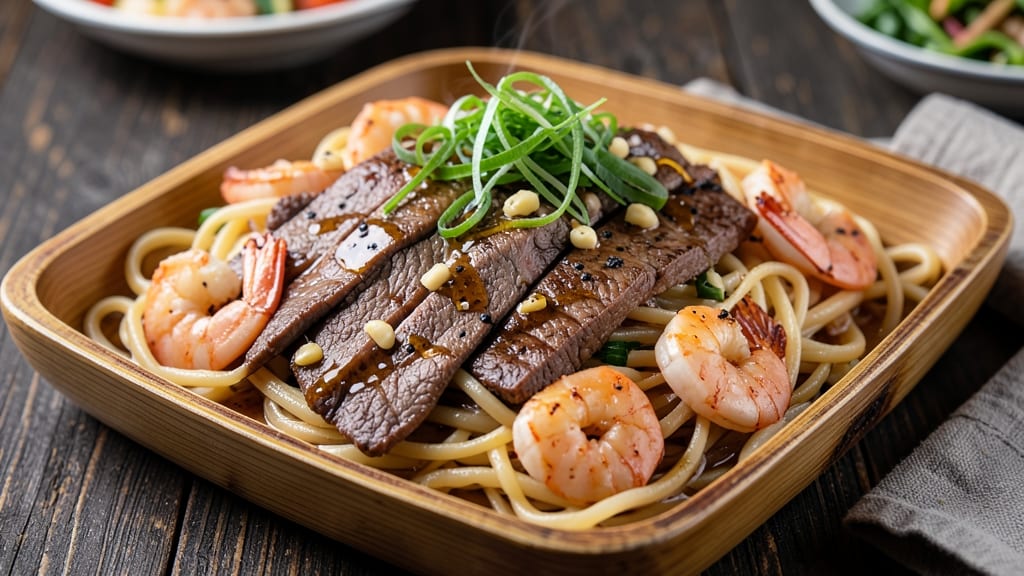
This beef and shrimp yakamein recipe delivers restaurant-quality wok-fired noodles with bold garlic, chili heat, and tender proteins in every bite. The secret lies in high-heat stir-frying and a fragrant sauce that balances savory soy, smoky sesame, and bright chili notes.
I've perfected this dish over years of testing, ensuring the noodles stay chewy while the beef and shrimp achieve perfect doneness—juicy yet firm.
The foundation is a simple yet powerful sauce: soy sauce, sesame oil, garlic, and chili paste create layers of umami and heat that cling to each strand of noodle.
While traditional yakamein relies on wok hei (breath of the wok), this version adapts to home kitchens with a cast-iron skillet or wok. The beef and shrimp cook just long enough to seal in juices, then toss together with the sauce and noodles for maximum flavor absorption.
What you'll end up with is a dish that's vibrant, aromatic, and packed with texture—chewy noodles, tender beef, plump shrimp, and a sauce that's both complex and approachable. The garlic aroma fills your kitchen, while the chili heat builds gradually, leaving you craving another bite.
Garnish with green onions and sesame seeds for freshness and crunch, then serve with lime wedges to brighten the flavors.
Perfect for weeknight dinners or weekend gatherings, this yakamein scales easily and tastes even better the next day. Pair it with pickled vegetables or a simple side salad to round out the meal. Let's get cooking—your taste buds won't be disappointed.
Ingredients for beef and shrimp yakamein
Bold garlic, chili heat, and tender proteins—just 14 ingredients for restaurant-style wok noodles.
| Ingredient | Amount | Notes |
|---|---|---|
| Yakamein Noodles 🍜 | 12 oz | Fresh or dried, cut into 3-inch pieces |
| Flank Steak 🥩 | 12 oz | Thinly sliced against grain |
| Large Shrimp 🦐 | 12 oz | Peeled, deveined, tails on |
| Garlic Cloves 🧄 | 8 cloves | Minced for sauce |
| Green Onions 🧅 | 4 whole | White and green parts separated |
| Sesame Oil 🫒 | 2 tbsp | Toasted for aroma |
| Light Soy Sauce 🥄 | ½ cup | High-quality brand preferred |
| Chili Paste 🌶️ | 2 tbsp | Red or green chili preferred |
| Sesame Seeds 🌰 | 2 tbsp | Toasted for garnish |
| Vegetable Oil 🫒 | ½ cup | High smoke point |
| Lime Wedges 🍋 | 2 whole | For serving |
| Salt 🧂 | 1 tsp | Kosher or sea salt |
| Black Pepper 🌶️ | ½ tsp | Freshly ground |
| Sugar 🍚 | 1 tsp | White granulated |
The flank steak is non-negotiable here—it needs to be thinly sliced against the grain for that signature tender bite. Ask your butcher to slice it if you're not comfortable doing it yourself, or grab pre-sliced at an Asian market. For the shrimp, size matters: medium or large (21-25 count per pound) gives you that plump, juicy texture. Trader Joe's or H Mart usually have great frozen options if fresh isn't available. The yakamein noodles? Fresh is ideal, but dried works too—just soak them in hot water for 30 seconds before cooking. Look for egg noodles labeled for stir-fry if you're buying dried.
No sesame oil? Toasted peanut oil at half the amount adds a similar nutty depth. Short on chili paste? Sriracha or gochujang with a pinch of sugar gets you close. The soy sauce should be light and clean—Kikkoman or Pearl River Bridge are reliable. For extra aroma, toast the sesame seeds in a dry pan for 30 seconds before adding them. The garlic can be pre-minced, but fresh is always better—just crush the cloves with the side of your knife for maximum flavor. Need to make this ahead? Cook the proteins and noodles separately, then reheat everything together with fresh sauce.
This dish reheats like a dream—just toss with a splash of water and a little sesame oil. Keeps in the fridge for 3 days, or freeze portions for 3 months (the sauce gets even more concentrated). I always make double batches because it's that good. Store the noodles separately if you're prepping ahead—they'll stay chewier. The shrimp and beef can be cooked and chilled together, then tossed with the sauce and noodles when ready to serve. Garnish with fresh green onions and lime wedges right before eating—they brighten everything up.
Why You'll Love This Recipe
- No-Chop Night Saved: I swear by this when I’m too tired to slice anything. Flank steak gets thinly sliced against the grain (or buy pre-sliced for heaven’s sake), shrimp just needs a quick de-vein, and the yakamein noodles cook in 3 minutes flat. Minimal prep, maximum reward—my lazy days’ best friend.
- Umami Bomb Combo: That garlic-sizzle moment when you toss in the shrimp and beef? Chef’s kiss. The flank steak stays tender with just a sear, while the shrimp soaks up the savory sauce in seconds. Top with green onions for a fresh kick—simple, but the flavors hit different.
- Lunchbox Hero: Between us, this is my go-to for meal prep. The noodles hold up for days, and the beef-shrimp mix reheats like a dream. Pack it cold for a hearty lunch or microwave it for a quick dinner—no sad, soggy leftovers here.
- Budget Flex Power: Flank steak and shrimp sound fancy, but they stretch far in this dish. A single package of yakamein feeds four, and the protein portions are generous without breaking the bank. Honestly, it’s the kind of meal that makes grocery day feel like a win.
Step-by-step instructions for bold wok-fired noodles
Here's how to create restaurant-quality yakamein with perfectly cooked proteins and a fragrant, spicy sauce.
Prepare the Yakamein Noodles
Bring a large pot of water to a rolling boil and add the 12 oz yakamein noodles. Cook according to package directions until al dente—usually about 4-5 minutes for fresh or 8-10 minutes for dried. You want them tender but still with a slight bite. Drain immediately and rinse briefly with cold water to stop the cooking process.
While the noodles cook, I like to prep the rest of the ingredients so everything comes together quickly. The key here is to have everything ready before you start wok-frying—the timing is tight. Once drained, toss the noodles with 1 tablespoon sesame oil to prevent sticking and keep them glossy.
Cook the Flank Steak and Shrimp
Heat 0.5 cup vegetable oil in a wok or large skillet over high heat until shimmering. Add the 12 oz flank steak in a single layer and sear for 1-2 minutes until browned on one side. Flip and cook for another 1-2 minutes until just cooked through—don't overcook or it'll turn tough. Remove and set aside.
In the same wok, add the 12 oz large shrimp and cook for 1-2 minutes per side until they turn pink and opaque. The shrimp should cook quickly over high heat—any longer and they'll turn rubbery. Remove and set aside with the steak. Keep both proteins warm while you prepare the sauce.
Build the Fragrant Garlic-Chili Sauce
In the same wok (no need to wipe it clean—the browned bits add flavor), add 0.5 cup vegetable oil and set over medium heat. Add the 8 cloves minced garlic and cook for 30 seconds until fragrant but not browned. Add the 2 tbsp chili paste and stir for 1 minute until it darkens slightly and releases its aroma.
Pour in the 0.5 cup light soy sauce and 1 tsp sugar, then add 1 cup hot water (or reserved pasta water) to help dissolve everything. Bring to a simmer and cook for 2-3 minutes until the sauce thickens slightly. Taste and adjust seasoning with 1 tsp salt and 0.5 tsp black pepper—this is where the bold flavors come together.
Combine Everything for the Final Toss
Return the cooked noodles, steak, and shrimp to the wok. Add the white parts of 4 whole green onions (chopped) and toss everything vigorously for 1-2 minutes until well-coated in the sauce. The high heat will create steam, so work quickly to avoid soggy noodles. You want the noodles to absorb the sauce but still hold their texture.
Stir in 1 tablespoon sesame oil and the green parts of 4 whole green onions (sliced). Taste and adjust seasoning if needed—sometimes the soy sauce needs a touch more salt, or the chili paste could use a little more heat. The sauce should be bold, fragrant, and perfectly balanced between savory and spicy.
Serve with Lime and Sesame Seeds
Divide the yakamein among serving plates and garnish with 2 tbsp toasted sesame seeds and the 2 whole lime wedges. The lime adds a bright, tangy contrast to the rich, spicy noodles. Serve immediately while everything is hot—this dish is best enjoyed fresh off the wok.
For the best experience, I like to squeeze a little lime juice over each serving just before eating. The combination of tender steak, juicy shrimp, and fragrant noodles in that bold garlic-chili sauce is what makes this dish so special. Don't skip the sesame seeds—they add a nutty crunch that ties everything together.
Pro Tips For Making Beef And Shrimp Yakamein
- Sear Steak in Batches: Flank steak releases more juice than it can handle in one go. Cut it into thin strips, then sear in 2-3 batches over high heat—crowding the pan steams the meat instead of crisping it. I learned this the hard way when my first batch turned out soggy and gray.
- Dry Shrimp Like Your Life Depends on It: Pat those shrimp thoroughly with paper towels before cooking—wet shells mean steam instead of sear. A quick 10-minute fridge chill after peeling also tightens the flesh so it doesn’t curl into knots while cooking.
- Blister Garlic, Don’t Burn It: Yakamein sauce needs aromatic garlic, not bitter ash. Slice cloves lengthwise (not crosswise) and fry them cut-side down on medium heat until edges turn golden—about 2 minutes. Crosswise slices burn before they flavor.
- Shock Noodles in Ice Water: Yakamein noodles finish cooking in the sauce, but a 30-second ice bath after boiling stops them dead. This keeps them from turning mushy when tossed later. (Yes, it sounds weird, but your noodles will thank you.)
Dietary considerations for these flavors
Gluten-Free Adaptation
Swap the traditional yakamein noodles for 12 oz gluten-free rice noodles or shirataki noodles to keep this dish safe for those with gluten sensitivities. Look for brands like Rice Noodle Co. or Nongshim Shin Ramyun gluten-free noodles—they hold up well to stir-frying.
Cook them according to package directions, but test for doneness early since they absorb water differently. Toss with 1 tbsp neutral oil after draining to prevent sticking. The sauce remains the same, but double-check your soy sauce—opt for tamari if gluten is a concern. 🌱
Low-Carb Option
For a lower-carb version, replace the noodles with 12 oz spaghetti squash or zucchini noodles. Roast the squash at 400°F for 25 minutes until tender, then scrape into strands. For zucchini noodles, spiralize 4 medium zucchinis and sauté for 2-3 minutes in a dry pan until just tender.
The proteins and sauce stay identical, but the texture will be lighter. Garnish with extra lime to balance the richness. 🥒
Shellfish Allergy
If shrimp allergies are a concern, replace the 12 oz shrimp with an equal amount of chicken breast or tofu. For chicken, slice 12 oz boneless breast into thin strips and marinate in 1 tbsp soy sauce + 1 tsp cornstarch for 15 minutes before cooking.
For tofu, press and cube 12 oz extra-firm tofu, then pan-fry until golden. The dish maintains its bold flavors while becoming allergy-friendly. 🍗
Vegetarian Swap
Transform this into a vegetarian powerhouse by replacing both proteins with 12 oz mushrooms (shiitake or oyster) and 12 oz firm tofu. Slice the mushrooms into strips and pan-fry until tender. Press and cube the tofu, then coat with 1 tbsp cornstarch and pan-fry until crispy.
The umami from mushrooms and the texture of tofu mimic the original proteins beautifully. Keep the sauce and noodles exactly the same for that signature yakamein experience. 🍄
Nut-Free Considerations
Sesame oil is a key flavor component, but if nut allergies are present, replace it with avocado oil or neutral vegetable oil in the sauce and for tossing. Skip the sesame seeds and garnish instead with toasted pumpkin seeds or crushed red pepper flakes for color and crunch.
The dish remains vibrant and flavorful without nuts—just as satisfying for everyone at the table. 🌰
Spice Sensitivity
For those sensitive to heat, reduce the chili paste to 1 tbsp and add ½ tsp sugar to balance it. Alternatively, replace it with 1 tbsp mild sriracha or 1 tsp gochugaru (Korean chili flakes).
The garlic and soy sauce will still deliver bold flavor without overwhelming spice. Serve with extra lime wedges to cool the palate naturally. 🌶️
Nutrition facts
Frequently asked questions
Can I use dried yakamein noodles instead of fresh?
Yes, dried yakamein noodles work perfectly! Soak them in hot water for 30 seconds before cooking to rehydrate, then proceed with the recipe. The texture will be slightly chewier than fresh, but the flavor stays rich and satisfying.
How do I prevent the shrimp from turning rubbery?
Cook shrimp over high heat for just 1-2 minutes per side until they turn pink and opaque. Overcooking releases moisture, making them rubbery. Keep the pan hot and avoid stirring too much—let them sear quickly for juicy results.
What if I don't have a wok? Can I use a skillet?
A large cast-iron skillet or heavy-bottomed pan works perfectly. The key is high heat—preheat your pan until it shimmers, then stir-fry in batches if needed. A wok just gives better heat distribution for large quantities.
How spicy should the chili paste be?
Start with 2 tbsp mild chili paste (like sambal oelek) for balanced heat. Adjust to taste—add more for extra kick or swap with 1 tbsp sriracha + ½ tsp sugar for a milder version. The garlic and soy sauce will keep flavors bold even with less spice.
Can I make this ahead of time?
Yes! Cook the proteins and noodles separately, then refrigerate in airtight containers. Reheat everything together with fresh sauce and a splash of water for 2-3 minutes until hot. The flavors actually deepen overnight—just add extra lime when serving.