
Soups & Stews
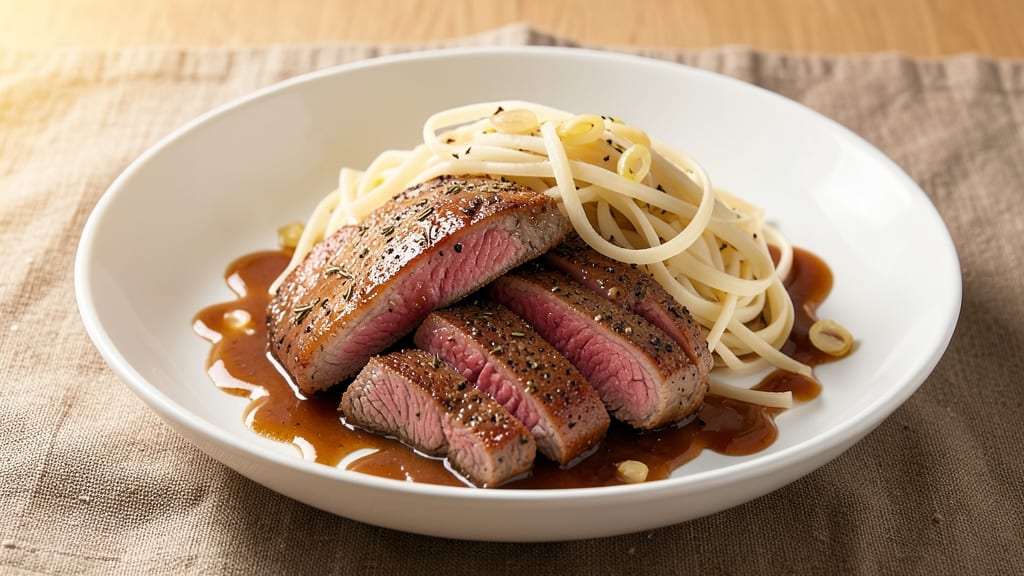
This beef and spaghetti squash recipe transforms two simple ingredients into a hearty, restaurant-worthy meal that requires just one pan and 45 minutes.
The secret lies in searing the beef to lock in juices while roasting the squash until tender—both methods create textures that mimic classic comfort food without the fuss.
I developed this dish after realizing how often we crave meaty, saucy meals but dread the cleanup, and it delivers on both flavor and convenience.
The beauty of this recipe is its balance: the beef develops deep, savory notes from slow cooking, while the spaghetti squash strands absorb those flavors without turning mushy.
You'll start by browning your choice of beef—ribeye, sirloin, or even ground beef works—before adding aromatics and a rich sauce that coats everything perfectly. The squash roasts alongside, its natural sweetness complementing the meat's richness.
What you end up with is a plate that looks like an Italian restaurant special but comes together in your own kitchen. The beef stays tender and flavorful, the squash strands hold their shape yet melt in your mouth, and the sauce ties everything together in every bite.
It's the kind of meal that feels indulgent but doesn't require hours of prep or complicated techniques.
Serve with a simple arugula salad dressed in lemon and olive oil, or crusty bread to soak up the sauce. The combination of textures—tender beef, silky squash, and creamy sauce—makes this dish satisfying enough to stand alone, yet versatile enough to build around. Let's get cooking!
Ingredients for beef and spaghetti squash
Two simple ingredients, one pan, and flavors that taste like a restaurant special.
| Ingredient | Amount | Notes |
|---|---|---|
| Spaghetti Squash 🍠 | 2 whole | Medium-sized, halved lengthwise |
| Ribeye Steak 🥩 | 1 ½ lb | 1-inch thick, cut into 1-inch cubes |
| Olive Oil 🫒 | ½ cup | Extra-virgin for high heat searing |
| Garlic Cloves 🧄 | 4 cloves | Minced, fresh preferred |
| Shallots 🧅 | 2 whole | Minced, or substitute 2 tbsp onion |
| Beef Broth 💧 | 1 ½ cups | Low-sodium preferred |
| Red Wine 🍷 | ½ cup | Dry, like Cabernet Sauvignon |
| Tomato Paste 🍅 | 2 tbsp | Smooth, not chunky |
| Dried Thyme 🌿 | 1 tsp | Or 1 tbsp fresh thyme leaves |
| Dried Oregano 🍃 | 1 tsp | Italian blend preferred |
| Kosher Salt 🧂 | 1 ½ tsp | Diamond Crystal preferred |
| Ground Black Pepper 🌶️ | ½ tsp | Freshly cracked |
| Heavy Cream 🥛 | ¼ cup | Full-fat for creaminess |
| Parmesan Cheese 🧀 | ½ cup | Freshly grated from block |
| Fresh Parsley 🌿 | ¼ cup | Chopped, for garnish |
The beef makes this dish shine—ribeye is my go-to for its marbling, but sirloin or ground beef work just as well. Look for cuts with good fat distribution at Costco or your local butcher for the best flavor. If you're using steak, cut it into 1-inch cubes before searing so it cooks evenly. The spaghetti squash should be firm and heavy for its size—avoid any with soft spots or wrinkled skin. Medium-sized squash (about 2 pounds) is perfect for four servings. I always roast mine cut-side down to keep the strands intact and prevent them from turning mushy.
No red wine? Beef broth with a splash of balsamic vinegar works perfectly fine. Fresh thyme is ideal, but dried works at one-third the amount—just make sure it's not ancient. The tomato paste can be the squeeze-tube kind from Trader Joe's if you're lazy (no judgment). For the shallots, yellow onions in a pinch, but shallots add a subtle sweetness that really elevates the dish. If you're feeling fancy, toast your garlic in the olive oil for 30 seconds before adding the shallots—it deepens the flavor. The heavy cream adds richness, but half-and-half cuts the calories if you're watching.
This dish reheats beautifully—honestly tastes better the next day once all the flavors meld together. Store leftovers in an airtight container in the fridge for up to 4 days, or freeze for 3 months. I like to portion it into individual containers so I can grab it for a quick lunch. The squash strands dry out faster than the beef, so cover them tightly with foil or plastic wrap if you're not eating it all at once. Garnish with fresh parsley right before serving—it brightens everything up.
Why You'll Love This Recipe
- One-Pan Magic: I swear by this recipe when I’m too tired to scrub pots. Halve the spaghetti squash, roast it alongside the ribeye—same pan, same oven—then toss everything in garlic, shallots, and a drizzle of olive oil. Minimal cleanup, maximum satisfaction.
- Rich, Meat-Lover’s Dream: That ribeye—juicy, caramelized edges, still tender inside—pairs perfectly with the squash’s natural sweetness. The shallots add a subtle depth, while the garlic? It’s the secret weapon that makes this taste like a fancy dinner, not a weeknight hack.
- Weeknight to Weekend: Between us, this dish works for everything. Too busy for dinner? Roast extra squash for lunches. Hosting? Double the steak and call it a meal. Even my picky teen asks for seconds—(yes, even on a Tuesday night).
- Budget-Friendly Luxury: Spaghetti squash stretches like pasta, so you feed a crowd without breaking the bank. Leftovers? Even better cold the next day. Honestly, it’s the kind of meal that makes you feel like you splurged, when really, you just saved money.
Step-by-step instructions for beef and spaghetti squash roast
Here's how to transform spaghetti squash into tender "noodles" and pair it with perfectly seared ribeye in one flavorful dish.
Roast the Spaghetti Squash Until Fork-Tender
Preheat your oven to 400°F and line a baking sheet with parchment paper. Place the halved spaghetti squash cut-side down on the sheet. Drizzle each half with 2 tablespoons of the olive oil and sprinkle with ½ teaspoon of the kosher salt and ¼ teaspoon of the ground black pepper. Roast for 35-40 minutes until the edges are golden brown and a fork slides in easily with minimal resistance.
Here's the thing—spaghetti squash releases a lot of moisture when roasted. I like to flip them halfway through cooking (after 20 minutes) to ensure even browning on both sides. When done, the flesh should pull apart into spaghetti-like strands. Let them cool for 10 minutes before scraping out the flesh with a fork—this makes it much easier to handle.
Sear the Ribeye Steak for Maximum Flavor
While the squash roasts, heat 2 tablespoons of the olive oil in a large skillet over high heat until shimmering. Pat the ribeye cubes dry with paper towels—this ensures a proper sear. Working in batches if needed, add the steak to the pan and sear for 2-3 minutes per side until deeply browned with a crust forming. Remove and set aside on a plate.
Don't skip this step—searing develops the deep, meaty flavors that carry through the entire dish. If your pan gets too crowded, cook in batches to avoid steaming instead of searing. Once browned, reduce heat to medium and add the minced shallots and garlic cloves. Cook for 1-2 minutes until fragrant but not browned—this prevents bitterness in your sauce.
Build the Rich Red Wine Reduction
In the same skillet (no need to clean it—the browned bits are flavor gold), add the tomato paste and cook for 1 minute to toast slightly. Pour in the red wine and scrape up any browned bits from the bottom with a wooden spoon. Let it simmer for 3-4 minutes until reduced by half, until the liquid looks syrupy and the alcohol smell has cooked off.
Here's where the magic happens: stir in the beef broth, dried thyme, dried oregano, remaining 1 teaspoon kosher salt, and ¼ teaspoon ground black pepper. Bring to a gentle simmer and let it reduce by another 5-6 minutes until thickened. The sauce should coat the back of a spoon—this ensures it clings beautifully to both the steak and squash strands.
Combine and Finish with Creamy Parmesan
Return the seared ribeye to the skillet and spoon the sauce over it. Let it simmer together for 2-3 minutes to meld flavors. Remove from heat and stir in the heavy cream and parmesan cheese until melted and smooth. The sauce should be velvety with a rich, umami depth—if it's too thick, add 1-2 tablespoons of beef broth to loosen it.
Gently fold in the scraped spaghetti squash strands, coating them evenly with the sauce. Taste and adjust seasoning—you might need a pinch more salt or pepper depending on your squash's natural sweetness. Transfer everything to a serving platter and garnish with the chopped fresh parsley for a pop of color and freshness.
Serve Immediately for Maximum Enjoyment
This dish tastes best served right away while the steak is still warm and the squash strands retain their natural texture. The combination of tender squash "noodles," perfectly seared beef, and rich red wine sauce creates a satisfying, one-bowl meal that's perfect for a weeknight dinner or special occasion.
Real talk: the squash will continue to soften slightly as it sits, so don't wait too long to serve. If making ahead, assemble the dish without combining the sauce until just before serving—this keeps the squash from becoming mushy. Pair with a simple arugula salad and crusty bread to soak up every last bit of that delicious sauce.
Pro Tips For Making Beef And Spaghetti Squash
- ROAST SQUASH HALF-SIDE DOWN: Cut the spaghetti squash in half lengthwise, then place the cut sides down on your baking sheet—this prevents the seeds from spilling everywhere while roasting. I used to flip them halfway, but now I just let them sit cut-side down for 45 minutes at 400°F (yes, even if it looks messy inside).
- SEAR STEAK IN BATCHES: Ribeye’s best friend is a screaming-hot pan, but one steak at a time—crowding drops the temp and steams instead of sears. If you’re feeding more than two, work in batches: sear the first, move to a plate, then repeat. Your first steak will be perfect; the second won’t be ruined, just slightly less dramatic.
- MINCE SHALLOTS FINE: Tiny shallot pieces = flavor in every bite. If you chop them roughly, they’ll turn to mush when the steak’s juices hit them. Pulse them in a food processor for 3 seconds, or dice them so fine they’re almost paste—trust me, your dish will taste like it was made by someone who actually likes shallots.
- REST STEAK UNDER FOIL: Skip the plate—wrap the seared steak in foil and let it rest for 5–10 minutes. The foil traps heat, keeps it juicy, and makes slicing easier. I learned this after serving a dry, sad steak to guests, and now I don’t even think about skipping it. (Your future self will curse you if you don’t.)
Health benefits of this dish
Protein Powerhouse
This dish delivers a high-protein punch with 1.5 lbs of ribeye steak, providing about 70 grams of complete protein per serving—that's nearly 40% of your daily needs for muscle repair and satiety.
The beef's natural iron content also supports healthy blood circulation, making this a great meal for active lifestyles or post-workout recovery. 💪
Low-Carb Comfort
Spaghetti squash replaces traditional pasta with just 10 grams of carbs per serving (compared to 40+ in regular spaghetti), making this a keto-friendly option without sacrificing texture. The natural sweetness of the squash satisfies cravings while keeping blood sugar levels stable—perfect for anyone managing insulin sensitivity or watching carb intake.
Fiber-Rich Vegetable
One serving of spaghetti squash provides 6 grams of dietary fiber—about 20% of your daily requirement—which supports digestion and keeps you feeling full longer. The fiber also helps regulate cholesterol levels by binding to dietary fats during digestion.
I've found that roasting enhances the squash's natural sweetness while preserving its fiber content.
Rich in Antioxidants
The red wine reduction in this recipe isn't just flavorful—it's packed with resveratrol, a powerful antioxidant found in grapes that may reduce inflammation and support heart health. The tomato paste adds lycopene, another antioxidant that gives this dish its vibrant color and protective benefits.
Together, they create a sauce that's as good for you as it is delicious. ✨
Vitamin Boost
Spaghetti squash is a surprising source of vitamin C (about 30% of your daily needs per serving) and vitamin A (nearly 50%), both crucial for immune function and skin health.
The ribeye contributes vitamin B12, essential for energy production and nerve function. This combination makes it a nutrient-dense meal that covers multiple dietary bases in one satisfying plate.
Meal Prep Friendly
Both components store well for 4 days in the fridge or 3 months frozen, making this an excellent make-ahead meal. The beef retains its protein integrity, while the squash's fiber content helps maintain its structure when reheated properly.
I always portion leftovers into airtight containers to preserve freshness and nutrients—this is one of my go-to meals for busy weeknights. 📅
Nutrition facts
Frequently asked questions
Can I substitute ground beef for ribeye in this recipe?
Ground beef works beautifully here—just use 1.5 lbs of 85% lean ground beef instead of ribeye cubes. Brown it thoroughly in the same skillet before adding the shallots and garlic. The dish will have a slightly different texture but still delivers rich, satisfying flavors. For extra richness, consider adding 1 tablespoon of butter when combining with the sauce.
How do I keep the spaghetti squash strands from turning mushy?
Roast the squash cut-side down at 400°F for 35-40 minutes until tender but still firm—it should hold its shape when scraped. Let it rest for 10 minutes before handling, and avoid overcrowding the baking sheet. If reheating leftovers, cover tightly with foil and warm in the oven at 350°F for 10-15 minutes rather than microwaving.
What's the best way to reheat this dish without drying out the squash?
Reheat in a skillet over medium-low heat with 1-2 tablespoons of beef broth to restore moisture. Cover with a lid and warm for 3-4 minutes until everything is heated through. For oven reheating, cover with foil and warm at 350°F for 15 minutes. Avoid microwaving—the uneven heating will make the squash rubbery.
Can I make this dish ahead of time?
Yes! Prepare the beef and sauce up to 2 days in advance and store in an airtight container in the fridge. Roast the squash separately and store it wrapped in foil. When ready to serve, reheat the beef mixture and toss in the squash strands. The flavors actually improve overnight as they meld together. For freezing, package components separately for up to 3 months.
What wine works best if I don't have red wine?
Use 1.5 cups of beef broth plus 1 tablespoon balsamic vinegar for a similar depth of flavor. For extra richness, add ½ teaspoon of soy sauce or 1 teaspoon of Worcestershire sauce. If you prefer wine, dry white wines like Chardonnay or Sauvignon Blanc also work well—they'll create a lighter but still flavorful sauce.