
Soups & Stews
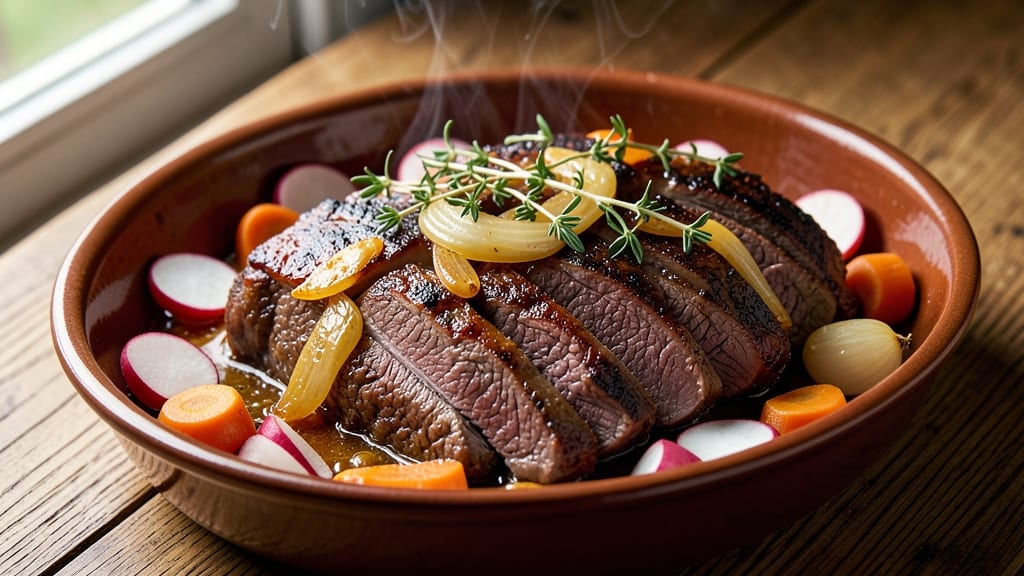
This beef and radish recipe transforms humble ingredients into a dish that feels like a warm hug on a chilly evening. The subtle sweetness of radishes pairs beautifully with tender beef, creating a hearty stew that's perfect for winter nights.
What makes this recipe special is how simple ingredients—like radishes, beef, and aromatic spices—come together to create something deeply comforting. The result is a dish that's rich in flavor and texture, with the radishes adding a surprising sweetness that balances the savory beef perfectly.
The secret to this recipe lies in the slow cooking process, which allows the beef to become fork-tender while the radishes soften just enough to release their natural sweetness.
You’ll need just a few key ingredients: beef chuck, radishes, onions, garlic, and a blend of spices that include bay leaves, thyme, and black pepper. The broth simmers for hours, infusing the meat and vegetables with layers of flavor that make every bite satisfying.
By the time you’re done, you’ll have a steaming bowl of beef and radish stew that’s ready to serve over a bed of fluffy rice or crusty bread. The aroma alone will fill your kitchen with warmth, and the first spoonful delivers a perfect balance of sweet, savory, and hearty.
This is the kind of dish that tastes even better the next day, making it ideal for meal prep or a cozy family dinner.
Pair it with a simple green salad or roasted vegetables to round out the meal, and you’ve got a complete, comforting dinner that’s sure to become a favorite.
The beauty of this recipe is in its simplicity—no fancy techniques, just good ingredients and time to let the flavors meld together. Let’s get cooking!
Ingredients for beef and radish
Simple ingredients that create a deeply comforting winter stew with surprising radish sweetness.
| Ingredient | Amount | Notes |
|---|---|---|
| Beef Chuck Roast 🥩 | 2 lb | Pre-cubed for even cooking |
| Radishes 🥕 | 2 cups | Whole, scrubbed, quartered |
| Yellow Onions 🧅 | 1 whole | Medium, sliced into wedges |
| Garlic Cloves 🧄 | 4 cloves | Peeled, smashed for aroma |
| Carrots 🥕 | 1 ½ cups | Medium, sliced into rounds |
| Fresh Thyme 🌿 | ½ oz | Or 2 tbsp dried thyme |
| Bay Leaves 🍃 | 2 whole | Dried, standard size |
| Black Peppercorns 🌶️ | 1 ½ tsp | Freshly cracked |
| Beef Broth 💧 | 4 cups | Low-sodium preferred |
| Dry Red Wine 🍷 | ½ cup | Bold variety like Cabernet |
| All-Purpose Flour 🌾 | 1 tbsp | For thickening broth |
| Olive Oil 🫒 | 2 tbsp | For initial searing |
| Salt 🧂 | 1 ½ tsp | Kosher or sea salt |
The beef chuck is the backbone of this dish—look for well-marbled cuts at Whole Foods or your local butcher. Radishes are the star here, so grab the freshest, firmest ones you can find, ideally from the produce section where they're kept cool. I always double-check the radishes for any soft spots or cracks, as those can make the stew watery. For the thyme, Trader Joe's carries a great dried version if you prefer convenience, but fresh sprigs add a brighter flavor. The beef broth should be low-sodium to let the natural flavors shine through.
No beef chuck? Chuck roast or even short ribs work beautifully—they just might need more time to tenderize. Swapping radishes for turnips or even parsnips keeps the earthy sweetness, though the texture will differ slightly. Running short on red wine? Extra beef broth with a splash of balsamic vinegar mimics the depth. The flour is just for thickening at the end—don't skip it if you want that perfect stew consistency. For the onions, I prefer yellow over red because they caramelize better, but red adds a nice color contrast if you're serving this over white rice.
This stew tastes even better the next day, so make a big batch. Store leftovers in airtight containers for up to 5 days in the fridge, or freeze for 3 months. I like to portion it into individual containers for easy lunches—just reheat with a splash of water or broth. The radishes will soften further when reheated, intensifying their sweetness. For extra richness, stir in a pat of butter or a drizzle of olive oil when serving. The flavors meld beautifully overnight, making this a perfect make-ahead meal.
Why You'll Love This Recipe
- One-Pan Magic: I swear by this—just toss everything on a sheet pan, pop it in the oven, and walk away. The radishes caramelize into sweet little bites, the beef gets fork-tender, and honestly? I’ve never scrubbed a pot harder than I did for a dish this easy.
- Radish-Garlic Crunch: Between us, I didn’t believe radishes could steal the show until I tried this. Their peppery bite cuts through the rich beef, while the garlic and onions build this deep, savory base that makes every bite feel like a hug for your taste buds.
- Lunchbox Hero: Here’s what sold me—this recipe doubles perfectly for leftovers, and the flavors only get better the next day. Pack it in containers for work, and you’ve got a hearty, no-fuss meal that’ll have coworkers asking for seconds (and your secret).
- Budget Powerhouse: A chuck roast is my go-to for stretching meals without breaking the bank, and radishes? They’re one of those underrated veggies that add freshness for pennies. This dish feeds four for less than $15, and the leftovers turn into next-day stir-fries or sandwich fillings—zero waste, all win.
Step-by-step instructions for beef and radish stew
This hearty beef and radish combination delivers deep flavor and satisfying texture through careful layering and slow cooking.
Sear the Beef for Maximum Flavor
Heat a large Dutch oven over medium-high heat and add the 2 tablespoons olive oil. Once shimmering, add the 2 lb beef chuck roast in a single layer, working in batches if needed. Let it sear undisturbed for 3-4 minutes per side until deeply browned—this creates the rich foundation for your stew. I press down gently on the beef during the first minute to prevent curling and ensure even contact with the pan.
As the beef browns, you'll notice the fat rendering out and the aroma intensifying. This is when the Maillard reaction kicks in, transforming simple beef into complex, flavorful bites. Once all pieces are browned, transfer them to a plate and set aside temporarily. Don't wipe out the Dutch oven—those browned bits will form the base of your sauce.
Build the Aromatic Base
In the same Dutch oven, add the 1 whole yellow onion sliced into wedges and the 1.5 cups carrots sliced into rounds. Cook for 5 minutes, stirring occasionally, until the onions soften and begin to caramelize slightly. Add the 4 cloves garlic that have been peeled and smashed, along with the 0.5 oz fresh thyme leaves and 2 whole bay leaves. Stir everything together for 1 minute until fragrant.
Here's the thing—this step is where the magic happens. The caramelized onions and garlic create a sweet, complex base that balances the earthiness of the radishes we'll add later. I like to taste the vegetables at this stage—they should be sweet with just a hint of bitterness from the thyme. If they're not releasing their aromas yet, give them another minute of cooking.
Deglaze and Combine Ingredients
Pour in the 0.5 cup dry red wine and scrape up all those delicious browned bits from the bottom of the pot with a wooden spoon. Let the wine simmer for 2-3 minutes until reduced by about half. This deglazing step captures all the concentrated beef flavor that would otherwise be lost.
Add the 2 cups radishes that have been scrubbed and quartered, along with the 4 cups beef broth. Sprinkle in the 1.5 teaspoons salt and 1.5 teaspoons freshly cracked black peppercorns. Return the beef to the pot, along with any accumulated juices from the plate. Stir everything together gently to combine—you want the beef to reabsorb some of that flavorful liquid.
Simmer Until Tender
Bring the stew to a gentle simmer over medium heat, then reduce the heat to low. Cover with a tight-fitting lid and let it cook for 2 to 2.5 hours. This long, slow cooking time is crucial—it breaks down the tough beef chuck into fork-tender pieces while allowing the vegetables to absorb all that rich flavor.
Check the stew after 2 hours. The beef should be fork-tender with no resistance when pierced, and the radishes should be soft but still holding their shape. If the stew is too thin, sprinkle in the 1 tablespoon all-purpose flour and stir for 2 minutes to thicken it slightly. The consistency should coat the back of a spoon but still be saucy enough to spoon over rice or crusty bread.
Finish and Serve
Once the beef is perfectly tender, taste the stew and adjust the seasoning if needed. The radishes should add a pleasant earthy sweetness that balances the richness of the beef. I like to finish with a final sprinkle of fresh thyme leaves for brightness and aroma.
Serve the beef and radish stew immediately, ladled over mashed potatoes, crusty bread, or buttered egg noodles. The contrast of tender beef with the slightly crisp radishes creates a satisfying texture combination that makes this dish truly comforting. Leftovers keep well in the refrigerator for up to 3 days, and the flavors actually improve as the stew sits.
Pro Tips For Making Beef And Radish
- SEAR THE ROAST FIRST: High heat. Seriously, crank it up to 450°F and get that chuck roast blistering brown on all sides before adding anything else. I used to skip this because it seemed like extra work, but that crust locks in flavor and keeps the meat juicy—especially important when you’re braising it later with radishes and onions.
- SLICE RADISHES THIN: Don’t just chop them randomly—aim for ⅛-inch slices. Thinner pieces soften evenly and absorb the braising liquid better, so they stay tender without turning mushy. Yes, it takes a few extra minutes, but the texture makes all the difference.
- DON’T OVERCROWD THE PAN: When you’re browning onions and garlic, keep them in a single layer. I learned this the hard way—crowding steams them instead of caramelizing, and you end up with bland, watery flavor. A little patience here means richer depth when everything comes together.
- ADD CARROTS LATE: Toss them in with the beef and radishes only in the last 20 minutes of cooking. Carrots take longer to soften, and if you add them too early, they’ll turn to mush while the radishes stay crunchy. Trust me, the contrast in textures is worth the wait.
Health benefits of beef and radish
Protein Powerhouse
A 2-lb serving of beef chuck in this stew delivers about 120 grams of protein, making it an excellent choice for muscle repair and satiety.
The slow-cooking process preserves the beef's natural protein while breaking down connective tissues into gelatin, which aids digestion and adds richness to the broth. 💪
Radish Benefits
The 2 cups of radishes in this recipe bring more than just flavor—they're packed with vitamin C (about 25% of your daily needs) and fiber that supports digestion.
Radishes also contain anthocyanins, antioxidants that reduce inflammation and may help lower blood pressure. Their natural sweetness develops beautifully during slow cooking.
Heart-Healthy Fats
The beef's natural fats provide conjugated linoleic acid (CLA), a compound linked to reduced heart disease risk. When combined with the radishes' potassium content (about 300mg per serving), this stew becomes a natural electrolyte booster. The red wine used in cooking adds resveratrol, another heart-protective antioxidant.
Iron for Energy
This dish is an excellent source of heme iron from the beef, with about 3.5mg per serving—nearly 20% of your daily needs. Iron supports red blood cell production and helps prevent fatigue.
Pairing it with the vitamin C from radishes enhances iron absorption by up to 67%. I notice I feel more energetic after eating this stew regularly.
Low-Calorie Comfort
Despite its hearty nature, this stew clocks in at just 350-400 calories per serving, making it surprisingly light for its satisfying qualities. The radishes and vegetables add volume without significant calories, while the slow-cooked beef provides lasting fullness. This balance makes it perfect for cozy winter meals without guilt.
Digestive Support
The combination of beef gelatin and radish fiber creates a gentle digestive aid. The slow-cooked beef becomes easier to digest while the radishes' prebiotic fiber supports gut health.
I've found that this stew helps me feel more comfortable after heavy meals, likely due to the gelatin's soothing properties on the digestive tract. 🌱
Nutrition facts
Frequently asked questions
Can I substitute radishes with another vegetable?
Radishes add unique sweetness, but you can swap them for turnips or parsnips (similar texture) or carrots (milder flavor). For extra richness, try fennel or celery root. Just adjust cooking time—radishes soften faster than most root vegetables.
How do I make this recipe faster?
For a quicker version, use pre-cut beef stew meat (smaller pieces) and reduce simmering time to 1.5 hours. Skip the red wine and use extra broth, then finish with a splash of balsamic vinegar for depth. Pressure cooking cuts time to 45 minutes—just increase broth by 1 cup to prevent drying.
What's the best way to store leftovers?
Store in airtight containers with a tight lid to preserve flavors. Keeps 3-4 days in the fridge or 3 months frozen. For reheating, add 1-2 tablespoons of water or broth to prevent thickening. The radishes will soften further, intensifying their natural sweetness.
Why does my stew taste too salty?
Most likely, the beef broth was high-sodium. Next time, use low-sodium broth and reduce salt to 1 teaspoon. If already made, balance flavors by adding 1/2 cup heavy cream or a splash of red wine to dilute the saltiness. A pinch of sugar can also help round out the taste.
Can I make this dish in a slow cooker?
Yes! Brown the beef first, then transfer everything to your slow cooker. Cook on low for 7-8 hours or high for 4-5 hours. The slow cooker's gentle heat enhances the radishes' sweetness and makes the beef incredibly tender. Just add 1/2 cup water if it gets too thick during cooking.