
Soups & Stews
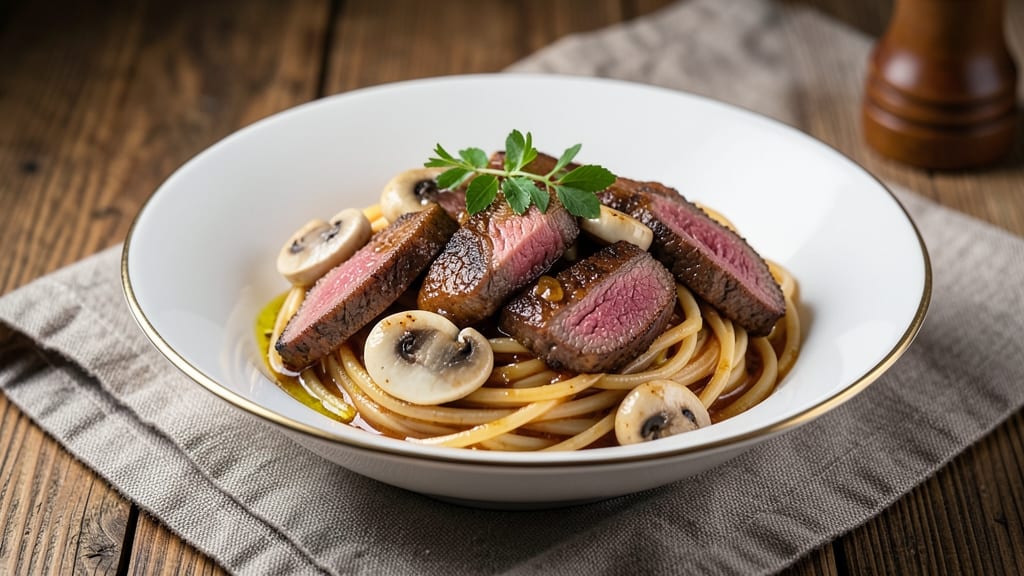
This beef and mushroom pasta recipe delivers restaurant-quality depth with just 30 minutes of hands-on time, transforming simple ingredients into a rich, umami-packed dish.
The secret lies in properly searing the beef and mushrooms—caramelizing their surfaces creates layers of flavor that simmer into a velvety sauce as it coats al dente pasta.
What sets this recipe apart is the balance of textures and flavors: tender beef strips, earthy mushrooms, and perfectly cooked pasta all come together in a sauce that's neither too heavy nor too light.
I developed this method after years of testing different techniques, ensuring every bite delivers that perfect harmony of savory, umami, and subtle sweetness from the mushrooms.
The result is a dish that's elegant enough for company but simple enough for weeknights—golden-brown beef, glossy mushrooms, and pasta that's coated in a sauce so flavorful it disappears between bites. The aroma alone will have everyone anticipating dinner, while the first forkful proves it's worth the effort.
Serve with a crisp green salad and warm garlic bread to soak up every last drop of that rich sauce. This recipe scales beautifully, making it perfect for feeding a crowd or meal prepping for the week ahead. Let's get cooking—your taste buds will thank you.
Ingredients for beef and mushroom pasta
Restaurant-quality depth starts with these carefully chosen ingredients for a rich, umami-packed beef and mushroom pasta.
| Ingredient | Amount | Notes |
|---|---|---|
| Ribeye Steak 🥩 | 1 ½ lb | Thinly sliced against grain |
| Cremini Mushrooms 🍄 | 1 ½ lb | Sliced 1/4-inch thick |
| Spaghetti 🍝 | 12 oz | Or any pasta shape |
| Extra-Virgin Olive Oil 🫒 | ½ cup | High-quality, fruity |
| Garlic Cloves 🧄 | 6 cloves | Minced for depth |
| Shallots 🧅 | 2 whole | Finely diced |
| Dry White Wine 🍷 | ½ cup | Bold, dry variety |
| Beef Stock 💧 | 1 cup | Homemade or quality store-bought |
| Tomato Paste 🍅 | 2 tbsp | Smooth, no sugar added |
| Fresh Thyme Leaves 🌿 | ¼ cup | Or 1 tsp dried |
| Fresh Rosemary 🌿 | 1 tbsp | Chopped, finely |
| Kosher Salt 🧂 | 1 ½ tsp | Diamond Crystal preferred |
| Freshly Ground Black Pepper 🌶️ | ½ tsp | Cracked peppercorns |
| Parmesan Cheese 🧀 | ½ cup | Freshly grated |
The ribeye is non-negotiable here—look for well-marbled cuts at Whole Foods or your local butcher. Slice it thinly against the grain for tenderness. For mushrooms, cremini or baby bella deliver the best texture, but shiitake adds an extra layer of earthiness. I always grab mine from the fresh produce section and slice them uniformly—1/4-inch thickness ensures even cooking. The pasta should be al dente; De Cecco or Barilla are my go-to brands for that perfect bite. Don't skip the fresh herbs—thyme and rosemary from the grocery store's herb section (not the sad plastic containers) make all the difference.
No ribeye? Flank steak or sirloin work in a pinch, but slice it extra thin. Substitute mushrooms with oyster mushrooms or portobello for a meatier texture. Out of white wine? Dry vermouth or beef broth keeps the depth. The tomato paste can be swapped for sun-dried tomatoes (soaked and chopped) if you prefer. For the herbs, dried thyme at half the amount works, but fresh is ideal. If you're short on time, pre-minced garlic from the jar is fine—just don't use the kind with salt added. The Parmesan? Grate it yourself—pre-grated clumps up and ruins the sauce's silkiness.
Store prepped mushrooms and shallots in airtight containers for 3 days in the fridge. The sauce reheats beautifully—simmer gently to avoid breaking the emulsion. For meal prep, portion the pasta separately and toss with a splash of pasta water and olive oil before adding the sauce. Keeps 4-5 days in the fridge or 3 months frozen. The beef and mushrooms can be seared ahead and stored separately for 2 days before assembling. Always save some pasta water—it's the secret to a silky sauce.
Why You'll Love This Recipe
- One-Pan Magic: I swear by this—just sear the ribeye and mushrooms in the same pan, toss in the garlic, then add the pasta. No extra dishes, no stress. That rich beef fat coats everything while it cooks, turning cleanup into a joke.
- Umami Bomb: The ribeye adds deep, savory richness, while the cremini mushrooms soak up all the garlic flavor like a sponge. Honestly, the first bite makes me forget I’m not at an Italian restaurant. (Yes, even on a Tuesday night.)
- Leftovers That Shine: This dish actually improves the next day. The pasta absorbs the beef juices and garlic essence, turning into a heartier meal. I pack it for lunch without hesitation—no sad, soggy noodles here.
- Budget Steak Night: You don’t need filet mignon to pull this off. Ribeye is affordable, and a single steak stretches across two servings with the mushrooms filling in. Between us, this is how I trick my wallet into thinking I’m eating fancy.
Step-by-step instructions for beef and mushroom pasta
This method delivers rich, umami-packed flavors with perfectly tender beef and earthy mushrooms.
Prepare the Ribeye and Mushrooms
Begin by slicing the 1.5 lb ribeye steak thinly against the grain using a sharp knife. This ensures tender bites that cook quickly in the sauce. Pat the slices dry with paper towels—this prevents steaming and helps develop a better sear.
Next, slice the 1.5 lb cremini mushrooms into ¼-inch thick pieces. Spread them on a baking sheet and sprinkle with ½ tsp kosher salt and ¼ tsp freshly ground black pepper. Roast at 400°F for 8-10 minutes until the edges are golden brown. This step deepens their flavor and removes excess moisture, which is crucial for a concentrated sauce later.
Build the Sauce Base
Heat 3 tablespoons of the extra-virgin olive oil in a large Dutch oven over medium-high heat. Add the sliced ribeye steak and cook for 2-3 minutes per side until browned but still slightly pink in the center. Remove the steak and set aside temporarily.
In the same pot, add the remaining 2 tablespoons extra-virgin olive oil and the 2 finely diced shallots. Cook for 3 minutes until softened. Add the 6 minced garlic cloves and 1 tbsp chopped fresh rosemary, cooking for 30 seconds until fragrant. Stir in the 2 tbsp tomato paste and cook for 1 minute to develop its rich flavor.
Deglaze and Simmer the Sauce
Pour in the ½ cup dry white wine and scrape up any browned bits from the bottom of the pot with a wooden spoon. Let it simmer for 2 minutes until the wine reduces by half. Add the 1 cup beef stock and bring to a gentle boil, then reduce heat to medium-low. Stir in the ¼ cup fresh thyme leaves and the roasted mushrooms.
Return the ribeye steak to the pot and let the sauce simmer for 8-10 minutes until the beef is tender. If the sauce becomes too thick, add 2-3 tablespoons of water to maintain the proper consistency. The sauce should coat the back of a spoon but still be silky, not gluey.
Cook the Pasta and Finish
While the sauce simmers, cook the 12 oz spaghetti in a large pot of salted boiling water until al dente (about 1 minute less than package instructions). Reserve ½ cup pasta water before draining, then add the drained pasta directly to the beef and mushroom sauce.
Toss everything together gently, adding ¼ cup pasta water if needed to create a creamy, clinging sauce. Stir in the ½ cup freshly grated parmesan cheese and season with the remaining 1 tsp kosher salt and ¼ tsp freshly ground black pepper. Let it cook for 1-2 minutes to meld all the flavors.
Pro Tips For Making Beef And Mushroom Pasta
- Sear the Ribeye First: I learned this the hard way—cooking the steak after the mushrooms makes the sauce taste like it’s playing second fiddle. Hit that ribeye in a screaming-hot pan with olive oil first, get a deep crust in 2-3 minutes, then set it aside. The residual heat keeps it warm while you finish the rest, and the crust stays intact.
- Slice Mushrooms Thin: Cremini mushrooms release their meaty goodness fastest when sliced uniformly. Grab a sharp knife and cut them against the grain into ¼-inch pieces—no need for fancy patterns, just consistent thickness. Thicker slices turn to mush; thinner ones caramelize in minutes and soak up the sauce like sponges.
- Salt the Pasta Water Like the Sea: Underseasoned pasta water is the silent killer of flavor in this dish. Toss in a full tablespoon of salt per gallon of water (yes, even if your pasta says “enriched”). Taste it—it should sting like tears. The pasta absorbs this salt, and the sauce clings better when the strands aren’t bland.
- Deglaze with a Splash of Wine: Skip the water and use a ¼ cup of dry white wine (or even a splash of pasta water) to scrape up those browned bits from the steak and mushrooms. Let it simmer for 30 seconds—those bits are pure flavor, and they dissolve faster in alcohol than in water. (Pro move: Save a little pasta water to loosen the sauce at the end if needed.)
Regional styles of these flavors
Italian Classic
This dish finds its roots in classic Italian bollito misto traditions, where beef and mushrooms are slow-cooked with aromatic herbs. In regions like Tuscany, hearty beef stews often feature mushrooms for earthy depth, while Roman versions might include wine and tomatoes.
I love adding rosemary and thyme—classic Italian herbs that elevate the umami flavors. The key difference here is the pasta integration, inspired by Roman cacio e pepe but with beef and mushrooms as the stars. 🍷
French-Inspired
For a French twist, transform this into a bœuf bourguignon pasta by using red wine instead of white and adding pearl onions and bacon. The French technique of browning beef deeply before simmering creates the signature fond that forms the sauce base.
I often swap cremini mushrooms for shiitake in this version—their meaty texture mimics the French preference for heartier mushrooms. A sprinkle of tarragon at the end adds that classic French herb note. 🥖
American Comfort
In the US, this dish becomes a beef and mushroom stroganoff when you add sour cream and a touch of Dijon mustard to the sauce. The American adaptation often includes wide egg noodles instead of spaghetti for better sauce absorption.
I like to finish with crispy fried onions on top—a nod to diner-style comfort food. For extra richness, many home cooks add Gruyère cheese alongside the Parmesan. This version is perfect for feeding a crowd or meal prepping. 🍽️
Asian Fusion
For an Asian-inspired take, replace the white wine with dry sherry and add ginger, soy sauce, and sesame oil to the sauce. Swap the thyme for fresh cilantro and finish with toasted sesame seeds.
In Japanese versions, you might use shimeji mushrooms and serve over udon noodles with a drizzle of ponzu sauce. For a Korean twist, add gochujang (Korean chili paste) for heat and serve with kimchi on the side.
The umami from the beef and mushrooms shines even brighter with these bold flavors. 🌶️
Vegetarian Adaptation
To make this dish vegetarian, replace the beef with extra-firm tofu (pressed and sliced) or portobello mushrooms (marinated in balsamic vinegar). For added protein, use lentils or chickpeas. I often use mushroom stems (finely chopped) to mimic the meaty texture.
The sauce still develops depth from the tomato paste and wine, but you can enhance it with nutritional yeast for a cheesy, umami boost. This version is just as hearty and satisfying! 🌱
Nutrition facts
Frequently asked questions
Can I use ground beef instead of sliced ribeye?
Ground beef works but will change the texture—it'll be more like a hearty meat sauce than tender beef strips. For best results, use 80/20 ground chuck and brown it thoroughly before adding other ingredients. The dish will still be delicious, just with a different mouthfeel.
What's the best way to store leftovers?
Store in an airtight container in the fridge for up to 4 days. For freezing, portion the sauce separately from the pasta (which doesn't freeze well) and keep frozen sauce for 3 months. Reheat gently on low heat, adding a splash of pasta water or beef stock to restore creaminess.
Why did my sauce turn out too thick?
This usually happens when the sauce reduces too much without enough liquid. The fix is simple: stir in 2-3 tablespoons of pasta water or beef stock while reheating. For prevention, keep the sauce at a gentle simmer—not a boil—and add liquid gradually. The sauce should coat the back of a spoon but still be silky.
Can I make this dish ahead of time?
Prepare the sauce and seared beef up to 2 days ahead and refrigerate. Cook the pasta fresh when serving, then toss with the pre-made sauce. For a complete make-ahead meal, cook the pasta 1 minute less than package instructions, drain, and store separately. Reheat everything together with a splash of water.
What pasta shapes work best?
While spaghetti is classic, fettuccine, pappardelle, or penne work beautifully. For better sauce adhesion, choose shapes with ridges or grooves. Avoid tiny shapes like orzo—they can make the dish feel too light. If using penne, break it in half before cooking for even sauce distribution.