
Soups & Stews
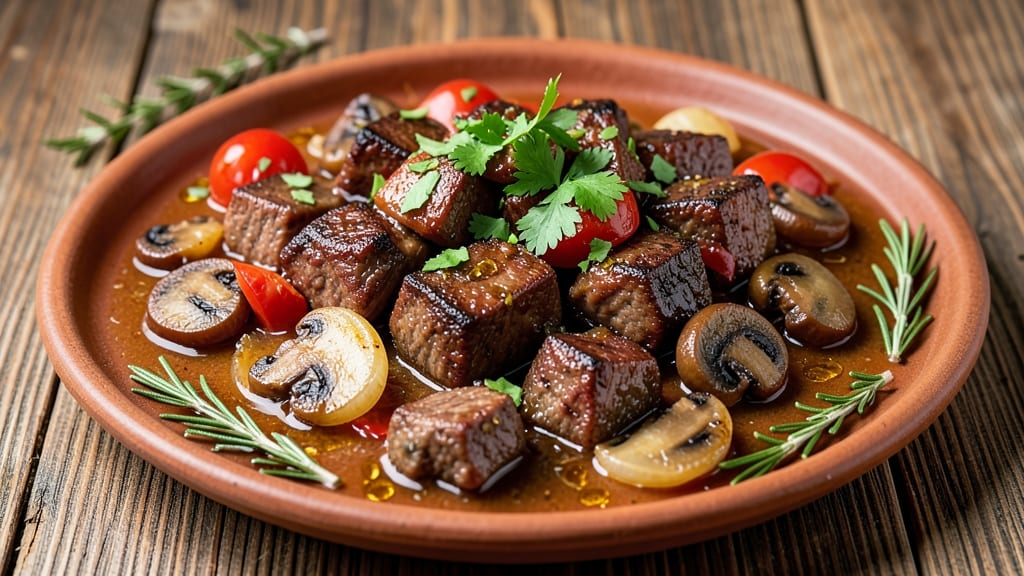
This beef and mushroom ragu recipe delivers the kind of deep, slow-simmered richness that transforms simple pasta into a restaurant-worthy meal. The secret lies in proper browning of the beef and mushrooms—caramelizing their natural sugars to build layers of umami that develop over hours of gentle simmering.
I've perfected this technique over years of testing, ensuring every bite delivers that perfect balance of tender beef, earthy mushrooms, and velvety tomato base.
The process begins with searing the beef chuck in batches to render fat and create a flavorful crust, followed by sautéing mushrooms until deeply golden. Deglazing the pan with red wine captures all those precious browned bits, which form the foundation of the sauce.
What sets this ragu apart is the three-hour simmer that transforms tough beef into fork-tender pieces while allowing flavors to meld into perfect harmony.
By the time you serve it over al dente pasta, you'll have a dish that's rich yet balanced—deeply flavorful without being heavy. The sauce clings beautifully to each strand of pasta, creating that signature ragu texture where every bite delivers both meat and sauce.
This is comfort food at its finest, the kind of meal that makes weeknight dinners feel special.
Serve with crusty bread on the side for soaking up every last drop of that velvety sauce. The recipe scales perfectly whether you're feeding a family of four or hosting a dinner party. Let's create this classic Italian masterpiece that tastes like it came from a trattoria kitchen.
Ingredients for beef and mushroom ragu
The rich, umami-packed ingredients that make this ragu unforgettable—all starting with beef and mushrooms.
| Ingredient | Amount | Notes |
|---|---|---|
| Beef Chuck Roast 🥩 | 2 lb | Cut into 1-inch cubes |
| Cremini Mushrooms 🍄 | 1 ½ lb | Sliced into 1/4-inch pieces |
| Yellow Onion 🧅 | 1 whole | Diced, about 1 cup |
| Garlic Cloves 🧄 | 6 cloves | Minced, about 2 tbsp |
| Red Wine 🍷 | 1 cup | Bold dry variety like Cabernet |
| Canned San Marzano Tomatoes 🍅 | 2 cans | 28 oz each, crushed by hand |
| Tomato Paste 🍅 | 2 tbsp | Squeeze tube preferred |
| Beef Broth 💧 | 2 cups | Low-sodium preferred |
| Whole Milk 🥛 | ½ cup | Full-fat for creaminess |
| Extra-Virgin Olive Oil 🫒 | ¼ cup | For searing and finishing |
| Fresh Rosemary 🌿 | 1 tbsp | Chopped, or 1 tsp dried |
| Fresh Thyme 🌿 | 1 tbsp | Leaves only, chopped |
| Salt 🧂 | 1 ½ tsp | Diamond Crystal preferred |
| Ground Black Pepper 🌶️ | ½ tsp | Freshly cracked |
| Dried Oregano 🍃 | 1 tsp | Italian variety preferred |
The beef chuck is non-negotiable here—it's the only cut that gives you that melt-in-your-mouth texture after hours of simmering. Costco or your local butcher are best for quality chuck, but any grocery store's pre-cubed beef chuck works in a pinch. Look for good marbling, which means little white flecks of fat throughout the meat—that's what keeps it juicy. The mushrooms? Cremini have the best meaty texture, but white or baby bella work too. Slice them evenly so they cook at the same rate as the beef. Fresh herbs make all the difference—Trader Joe's sells great bundles of rosemary and thyme, but even the grocery store's dried stuff works if you're in a bind.
No red wine? Substitute with beef broth plus 1 tbsp balsamic vinegar—it's not the same but gets you close. Running low on San Marzano tomatoes? Any quality crushed tomatoes will do, but skip the ones with added salt. The milk adds richness without making it heavy—half-and-half works too, but full-fat milk is ideal. For the olive oil, any good extra-virgin works, but avoid the cheap stuff that's been sitting on the shelf for years. The tomato paste can be a squeeze tube from Trader Joe's—it's perfect for this recipe and keeps forever. If you're short on time, pre-minced garlic saves steps, but fresh is always better.
This ragu tastes even better the next day—it's worth making a double batch. Store leftovers in the fridge for 5 days or freeze for 3 months in airtight containers. I always portion mine into individual containers so I can grab and reheat for quick weeknight dinners. The sauce thickens as it cools, so add a splash of broth when reheating. And trust me, every last drop is worth saving—even the bits at the bottom of the pot.
Why You'll Love This Recipe
- One-Pot Magic: I swear by this—just brown the beef, toss in the onions and mushrooms, then let the red wine and simmering time do the work. No extra pans, no fuss, and honestly? The best part is that the longer it cooks, the richer it gets.
- Wine-Infused Depth: That splash of red wine isn’t just for show—it melts into the beef and mushrooms, leaving behind layers of earthy, savory goodness. Between us, the slow simmer turns tough chunks of chuck roast into something so tender, it practically falls apart at the touch.
- Leftover Luxury: Make a double batch on Sunday, and you’ve got a week of easy lunches. Reheat it with a splash of broth, and it’s just as good as day one—maybe even better. My kids beg for it cold in sandwiches, and I don’t judge.
- Budget Hero: Chuck roast is affordable, mushrooms stretch far, and a bottle of wine feels like a treat without breaking the bank. It’s the kind of meal that makes grocery day satisfying, not stressful. Plus, the flavor is so bold, you won’t miss the expensive cuts.
Step-by-step instructions for beef and mushroom ragu
Here's how to build rich, slow-simmered flavor that clings beautifully to every strand of pasta.
Sear the Beef for Deep Flavor
Heat the 0.25 cup extra-virgin olive oil in a heavy Dutch oven over medium-high heat until shimmering. Working in batches, add the 2 lb beef chuck roast cut into 1-inch cubes, letting each piece sear undisturbed for 2-3 minutes until deeply browned on all sides. This step is crucial—it develops the Maillard reaction that creates that incredible umami depth.
As you sear, you'll see the beef release its natural juices and render fat. Don't crowd the pan or the temperature will drop, preventing proper browning. Once all the beef is golden and caramelized, transfer it to a plate and set aside. Here's the thing—those browned bits in your pan are pure flavor gold. We'll scrape them up later to build our sauce foundation.
Build the Aromatic Base
With the beef removed, reduce heat to medium and add the 1 whole yellow onion diced into 1 cup. Cook for 5-6 minutes until softened and beginning to caramelize. Add the 6 cloves garlic cloves minced into about 2 tablespoons, and cook for another 30 seconds until fragrant—you should smell that sweet garlic aroma filling your kitchen.
Next, stir in the 1.5 lb cremini mushrooms sliced into ¼-inch pieces and cook for 8-10 minutes until they release their moisture and begin to brown. This step develops the earthy mushroom flavor that will shine through in your ragu. If the mushrooms seem too wet, increase heat slightly to evaporate excess moisture before moving forward.
Deglaze and Simmer the Tomatoes
Pour in the 1 cup red wine and scrape up all those browned bits from the bottom of the pan with a wooden spoon. Let it simmer for 3-4 minutes until the wine reduces by about half. This deglazing step captures all that concentrated beef flavor.
Add the 2 tbsp tomato paste and stir to combine, letting it cook for 1 minute to deepen its flavor. Then pour in the 2 cans crushed San Marzano tomatoes and the 2 cups beef broth. Stir well, bring to a gentle simmer, then reduce heat to low. Add the 1 tsp dried oregano and let everything simmer uncovered for 30 minutes, stirring occasionally.
Add Herbs and Finish the Ragu
After the initial simmer, return the beef to the pot along with the 1 tbsp chopped fresh rosemary and 1 tbsp chopped fresh thyme. Season with 1.5 tsp salt and 0.5 tsp ground black pepper. Partially cover and continue simmering for 2-2.5 hours, stirring occasionally, until the beef is fork-tender and the sauce has thickened to a rich consistency.
In the final 15 minutes, stir in the 0.5 cup whole milk to add creaminess and balance the acidity. The milk will create a velvety texture that makes this ragu especially luxurious. Taste and adjust seasoning if needed—you might want to add a pinch more salt or a crack of black pepper to taste. The sauce should coat the back of a spoon and cling beautifully to the beef.
Serve Over Pasta with Confidence
Remove the ragu from heat and let it rest for 10 minutes before serving. This resting period allows the flavors to meld even more deeply. Serve immediately over al dente pasta like pappardelle or tagliatelle, reserving some pasta water to thin the sauce if needed.
Here's where it all comes together: spoon that rich, meaty sauce over your pasta, and watch as it clings perfectly to each strand. The beef should be tender enough to pull apart with a fork, and the mushrooms should add an earthy counterpoint to the deep, wine-infused tomato base. Each bite delivers layers of umami that build with every spoonful—this is comfort food at its finest.
Pro Tips For Making Beef And Mushroom Ragu
- Sear the Chuck First: I learned this the hard way—skipping the sear means bland ragu. Pat the beef dry, then hit it with high heat in a heavy pot until deep brown on all sides. That crust locks in flavor and keeps the meat tender, not rubbery.
- Slice Mushrooms Thin: Thick mushroom chunks stay tough. Use a sharp knife and cut them paper-thin—almost like shaving—so they cook down evenly and soak up the wine. (Yes, it’s tedious, but your ragu will thank you.)
- Deglaze with Wine Immediately: Let the wine simmer for 5 minutes after adding it, or you’ll end up with a sad, watery base. The alcohol needs time to burn off and meld with the fond. Stir occasionally, and resist the urge to rush it.
- Brown the Onions Low and Slow: After searing the beef, push the onions to the side of the pot and cook them on low heat until caramelized—about 20 minutes. They’ll turn golden and sweet, adding depth that raw or quickly sautéed onions won’t. (I know, it’s tempting to speed this up, but don’t.)
Perfect pairings for this beef and mushroom ragu
Pasta Pairings
The beauty of this beef and mushroom ragu lies in its ability to transform simple pasta into a luxurious meal. I always serve it over pappardelle or tagliatelle—those wide ribbons create the perfect surface area for the sauce to cling beautifully.
For a rustic touch, fettuccine works wonderfully too, especially if you toss it with a little Parmigiano-Reggiano before serving. 🍝
If you're feeling adventurous, try gnocchi—their pillowy texture soaks up the ragu like a dream. For a gluten-free option, brown rice pasta holds up well to the rich sauce, though it may need a splash of pasta water to help it coat properly.
Bread Suggestions
A crusty loaf of bread is essential for soaking up every last drop of that velvety sauce. I love ciabatta or focaccia—their open crumb structure traps the ragu beautifully. For a more rustic option, sourdough with its tangy flavor complements the richness of the dish perfectly. Tear the bread into chunks and serve it on the side so guests can build their own ragu sandwiches. 🥖
If you want something lighter, garlic bread made with a baguette is a crowd-pleaser. Brush the bread with garlic-infused olive oil and sprinkle with fresh parsley before baking. The garlic adds another layer of flavor that pairs wonderfully with the umami depth of the ragu.
Vegetable Sides
To balance the richness of the ragu, I always include a simple vegetable side. A garlic sautéed green beans with a sprinkle of lemon zest adds a bright, fresh contrast.
For something heartier, roasted Brussels sprouts with crispy bacon bring a satisfying crunch and smoky depth. Both sides complement the ragu without overpowering it. 🥦
Another favorite is a simple arugula salad tossed with lemon vinaigrette and shaved Pecorino Romano. The peppery bite of the arugula cuts through the richness, while the cheese adds another layer of umami that ties everything together. Keep the dressing light—just enough to moisten the greens without drowning them.
Cheese Finishes
No ragu is complete without a proper cheese finish. I always grate freshly grated Parmigiano-Reggiano directly over the dish at the table—its nutty, complex flavor elevates the ragu to new heights.
For a creamier option, Pecorino Romano adds a sharp, salty contrast that balances the richness. Use about ¼ cup per serving—just enough to enhance without overwhelming. 🧀
If you want something more indulgent, a sprinkle of fontina cheese melts beautifully into the ragu, adding a creamy, buttery note. For a vegetarian-friendly option, nutritional yeast provides a cheesy, umami flavor without dairy. Just 1 tbsp per serving gives that satisfying cheesy finish without the heaviness.
Nutrition facts
Frequently asked questions
Can I make this ragu in a slow cooker instead of stovetop? Brown the beef and mushrooms first in a skillet, then transfer everything to your slow cooker. Add all remaining ingredients and cook on low for 6-7 hours or high for 3-4 hours. The slow cooker method is perfect for hands-off prep, and the beef will still turn fork-tender. Just
What's the best way to store leftovers?
Store leftovers in an airtight container in the fridge for up to 5 days or freeze for 3 months. The flavors actually improve overnight! When reheating, add a splash of beef broth to thin the sauce if it's too thick. For freezer storage, portion into individual containers so you can grab just what you need.
Can I substitute ground beef for chuck roast?
You can try, but the texture won't be the same. Ground beef will cook much faster and won't develop that tender, pull-apart quality. If you must use it, brown it well first, then simmer for only 1-1.5 hours instead of 2-3 hours. For best results, stick with chuck roast—it's worth the extra time for that melt-in-your-mouth texture.
Why does my ragu taste too acidic?
This usually happens when the tomatoes or wine overpower the other flavors. Balance it by adding more beef broth or a splash of milk to dilute the acidity. A pinch of sugar or a pat of butter can also help round out the flavors. For future batches, reduce the wine to ½ cup if you prefer a milder taste.
How do I know when the beef is tender enough?
The beef should be fork-tender, meaning it should easily pull apart with minimal resistance. Test a piece by pressing it with a fork—if it crumbles easily, it's ready. For chuck roast, this typically takes 2-2.5 hours of simmering. If it's still tough, let it cook another 30 minutes covered with a splash of broth to keep it moist.