
Soups & Stews
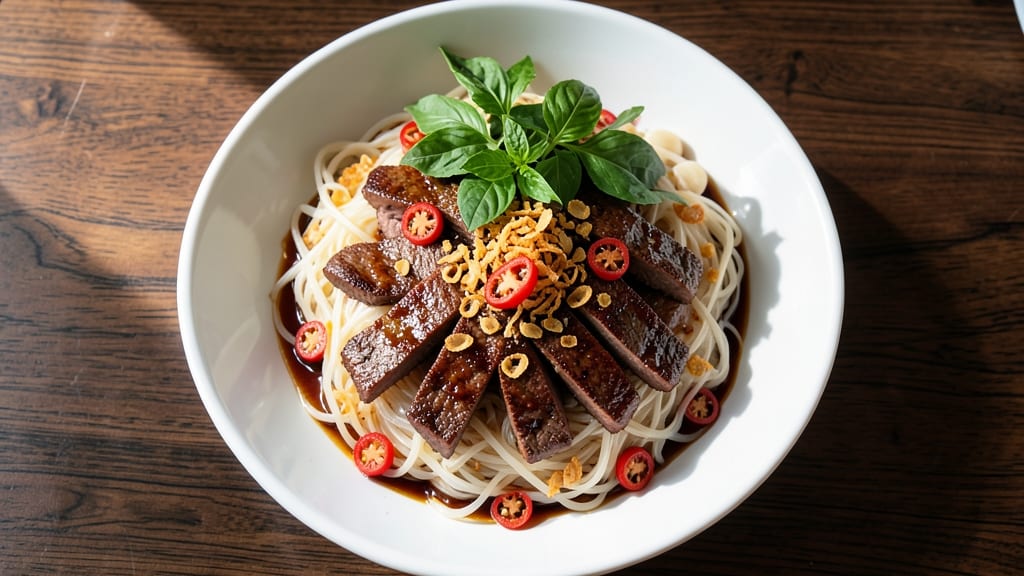
This beef and glass noodle recipe delivers restaurant-quality wok-fired crunch with silky, chewy noodles in just 30 minutes. The secret lies in high-heat stir-frying thinly sliced beef until perfectly tender yet still holding its shape, then tossing it with pre-soaked glass noodles in a bold soy-ginger sauce.
I developed this version after years of testing—balancing texture and flavor so every bite has that satisfying contrast between crispy beef and slippery noodles.
The foundation starts with proper beef preparation: slice it thin against the grain for maximum tenderness, then sear it in a screaming-hot wok until it develops that signature wok hei (breath of the wok) aroma.
Glass noodles require just 5 minutes of soaking in hot water before they're ready to absorb the savory sauce. The sauce itself is where the magic happens—a perfect balance of soy, ginger, garlic, and a touch of chili oil that cuts through the richness.
What you'll end up with is a dish that's vibrant, aromatic, and packed with texture—golden-brown beef strips glistening with sauce, surrounded by noodles that cling together just enough to hold everything in each bite.
The sauce coats every component without overpowering, leaving behind layers of umami, spice, and fresh ginger that linger on your palate. This is the kind of meal that transforms a simple weeknight into a flavor adventure.
Serve it immediately over steamed rice or let it sit for 10 minutes to let the flavors meld even deeper. The beef stays tender while the noodles maintain their signature chewiness, making this dish equally satisfying as leftovers. Ready to master this wok technique? Let's get started.
Ingredients for beef and glass noodle
Restaurant-quality wok-fired beef and glass noodles start with these 13 essential ingredients.
| Ingredient | Amount | Notes |
|---|---|---|
| Flank Steak 🥩 | 1 lb | Thinly sliced against grain |
| Glass Noodles 🍜 | 8 oz | Dried, cellophane noodles |
| Soy Sauce 🍶 | ⅓ cup | High-quality, low-sodium preferred |
| Fresh Ginger 🌿 | 2 tbsp | Finely grated, peeled |
| Garlic Cloves 🧄 | 4 cloves | Minced, fresh preferred |
| Sesame Oil 🫒 | 1 tbsp | Toasted, for aroma |
| Chili Oil 🌶️ | 1 tbsp | For heat balance |
| Neutral Oil 🫒 | 2 tbsp | Vegetable or canola |
| White Pepper 🌶️ | ½ tsp | Freshly ground |
| Green Onions 🧅 | 3 whole | Thinly sliced, white and green parts |
| Steamed White Rice 🍚 | 2 cups | Cooked, for serving |
| Cornstarch 🌾 | 1 tbsp | For tenderizing beef |
| Sesame Seeds 🌱 | 1 tsp | Toasted, for garnish |
The flank steak is non-negotiable here—it's lean yet tender when sliced thin against the grain. Ask your butcher to slice it for you if you're not comfortable with a sharp knife. I prefer to buy it pre-sliced from Asian markets or the meat counter at Whole Foods for convenience. Look for bright red, well-marbled meat—avoid any that looks grayish or dry. The glass noodles should be dry and slightly translucent; H Mart or 99 Ranch Market carry excellent brands. Soak them for exactly 5 minutes before draining—they're ready when they're pliable but still hold their shape.
No fresh ginger? Powdered ginger at half the amount works in a pinch, though it lacks the bright, zesty kick. The garlic can be pre-minced from a jar, but fresh is ideal—just smash the cloves with the side of your knife for quick mincing. Substituting soy sauce? Coconut aminos gives a slightly sweeter profile, but traditional soy is best. Chili oil too spicy? Swap in a dash of gochujang for depth without the heat. The sesame oil is purely for aroma—use the toasted variety from Trader Joe's for that nutty depth. And if you're out of cornstarch, arrowroot powder works just as well for tenderizing the beef.
Prep the beef and noodles ahead of time to save minutes during cooking. The cornstarch-coated beef can marinate in the fridge for up to 4 hours without losing texture. Glass noodles keep indefinitely in a sealed container, but once soaked, they're best used immediately. Store leftovers in an airtight container for 3-4 days—the flavors actually deepen overnight. Reheat gently in a skillet with a splash of water to prevent drying out. For extra crunch, toast the sesame seeds in a dry pan for 30 seconds before sprinkling on top—worth the extra minute.
Why You'll Love This Recipe
- One-Pan Magic: I swear by this—just sear the flank steak, toss in the glass noodles with a splash of soy sauce, and let the garlic-ginger sizzle. No pots, no pans, no stress. The noodles soften right in the same skillet while the beef caramelizes, and honestly? That’s my kind of cleanup.
- Umami Bomb: That first bite of tender beef with the chewy, slippery noodles? The soy sauce and garlic create this deep, savory punch that sticks with you. I’ll be real: I’ve made this for friends who aren’t even noodle fans, and they’ve all gone back for seconds. The ginger adds this bright kick that cuts through the richness—perfect balance.
- Lunchbox Hero: Between us, this is my go-to for meal prep. The flavors only get better the next day, and the noodles hold up surprisingly well. Pack it in containers, and it’s a hearty lunch that feels fancy but costs next to nothing. My daughter picks out the garlic cloves (she’s weird about texture), but she still asks for it every time.
- Budget Flex: Flank steak is affordable, glass noodles last forever, and you’re using pantry staples. I’ve fed four people for under $15 with this, and it’s always a hit. Plus, the leftovers? Even better cold in wraps the next morning. Not the prettiest, but the taste makes up for it every time.
Step-by-step instructions for beef and glass noodles
Here's how to achieve that perfect balance of tender beef and chewy glass noodles with bold soy-ginger flavors.
Prepare the Beef for Maximum Tenderness
Slice the 1 lb flank steak thinly against the grain into strips about ¼-inch thick. Place the sliced beef in a bowl and sprinkle with all 1 tablespoon of cornstarch. Toss gently with your hands until each piece is lightly but evenly coated. This step is crucial—it creates a barrier that prevents the beef from drying out during the high-heat wok cooking.
Let the cornstarch-coated beef marinate for 10 minutes while you prepare the rest of your ingredients. This brief resting period allows the cornstarch to begin working its magic, ensuring your beef stays juicy and tender despite the quick cooking method. Don't skip this step—it makes all the difference in texture.
Cook the Beef to Perfect Doneness
Heat a wok or large skillet over high heat until it's smoking slightly. Add 2 tablespoons of neutral oil and swirl to coat the bottom. Working in batches to avoid crowding, add the cornstarch-coated beef and sear for 1-2 minutes per side until the edges are just beginning to brown and the beef reaches 145°F internally. Remove the beef and set aside on a plate.
Here's the key: the beef should be cooked to medium-rare at this stage. It will continue cooking slightly when combined with the hot noodles, so don't overcook it now. If your beef releases easily from the pan, it's ready. If it sticks, your pan isn't hot enough—let it heat up another minute before trying again.
Prepare the Glass Noodles and Aromatics
While the beef cooks, soak the 8 oz glass noodles in warm water for 5-7 minutes until they're pliable but still hold their shape. Drain well and set aside. In the same wok you used for the beef, add 1 tablespoon of neutral oil and heat over medium-high. Add the 2 tablespoons of finely grated fresh ginger and 4 minced garlic cloves, cooking for 30 seconds until fragrant.
This is where the foundation of your dish builds. The ginger and garlic should sizzle gently without browning—if they start to color too quickly, reduce the heat slightly. You're not trying to caramelize them here, just release their aromatic oils. The slight residual heat from the beef will carry these flavors perfectly when everything comes together.
Combine All Ingredients for the Final Stir-Fry
Return the cooked beef to the wok along with the drained glass noodles. Add the 0.33 cup soy sauce, 1 tablespoon sesame oil, 1 tablespoon chili oil, and 0.5 teaspoon white pepper. Toss everything together vigorously for 2-3 minutes over high heat until the noodles are heated through and the beef is cooked to your desired doneness.
Watch the sauce carefully—it should coat the noodles evenly but not make them soggy. If the mixture looks too dry, add 1-2 tablespoons of water to loosen it. The noodles should be hot and slightly glossy from the sauce, with the beef pieces distributed evenly throughout. This is where all the flavors meld together into that perfect balance of umami, heat, and freshness.
Plate and Garnish for Presentation
Divide the beef and noodle mixture among four plates, each served with ½ cup of the 2 cups steamed white rice. Garnish each serving with the 3 whole green onions (thinly sliced) and sprinkle with ¼ teaspoon of the 1 teaspoon sesame seeds. The contrast between the warm noodles, cool rice, and fresh garnishes makes this dish visually appealing as well as delicious.
Serve immediately while everything is hot. The beef should be tender with just a slight bite, the noodles chewy yet tender, and the sauce clinging perfectly to each strand. The chili oil adds just enough heat to balance the soy sauce's richness, while the sesame seeds and green onions provide fresh contrast. Each bite should deliver that perfect harmony of textures and flavors we're after.
Pro Tips For Making Beef And Glass Noodle
- Slice Against the Grain: Flank steak’s muscle fibers run long—if you slice perpendicular, you’ll get chewy, rubbery bites. Cut thin strips parallel to the grain after cooking, or invest 10 seconds to angle your knife properly before slicing. Trust me, your fork will feel like it’s doing half the work.
- Blanch Glass Noodles First: Skip the dry soak—glass noodles absorb sauce like sponges if you toss them raw into the pan. Give them a 30-second blanch in boiling water, then shock in ice water. They’ll hold their shape better and soak up flavor after the beef’s done cooking, not before.
- Don’t Overcrowd the Pan: I used to pile everything in at once, and the garlic and ginger just steamed instead of sizzling. Cook the beef in batches if needed—2 minutes per side on high heat—so the aromatics get that golden, crisp edge. Crowding turns stir-fry into stew.
- Use Cold Soy Sauce: Hot soy sauce burns before it caramelizes. Keep your sauce chilled until the last 30 seconds of cooking, then splash it in. The cold shock stops the cooking process instantly, locking in that deep umami flavor without bitterness. (Yes, even if you’re impatient like me.)
Flavor customization for this beef and glass noodle
Spice Level Control
Adjust the heat to your preference by modifying the chili oil. For mild heat, reduce to ½ tablespoon and add ½ teaspoon of honey to balance. If you love spice, increase to 2 tablespoons and add ¼ teaspoon of crushed red pepper flakes for extra kick.
I like to keep it at 1 tablespoon for a balanced, aromatic heat that doesn’t overpower the soy-ginger flavors. 🌶️
Sweet-Savory Balance
Add a touch of sweetness to complement the savory soy sauce. Stir in 1 teaspoon of honey or 1 tablespoon of hoisin sauce during the final stir-fry. For a deeper umami boost, swap ½ tablespoon of soy sauce for 1 teaspoon of fish sauce—just be mindful of saltiness.
This adjustment works especially well if you prefer a slightly sweeter profile. 🍯
Umami Boosters
Elevate the dish with extra umami depth using 1 teaspoon of oyster sauce or 1 tablespoon of mushroom powder (like Shiitake or Porcini). For a vegetarian twist, add 1 tablespoon of vegetarian oyster sauce or 1 teaspoon of nutritional yeast.
These additions enhance the savory notes without altering the dish’s core balance. Trust me, your taste buds will thank you. 💫
Herb Variations
Swap or add fresh herbs to brighten the dish. Try 1 tablespoon of chopped cilantro or 1 tablespoon of Thai basil for a fresh, aromatic twist. For a more traditional approach, add 1 teaspoon of chopped scallions or ½ teaspoon of dried shiitake powder to amplify the umami.
The herbs should complement, not overpower, the ginger and garlic. ✨
Texture Contrast
Add crunch to the dish with ¼ cup of toasted cashews or ¼ cup of bean sprouts. Stir them in during the final 1 minute of cooking to maintain crispness.
For extra richness, top with 1 tablespoon of crushed peanuts or 1 tablespoon of fried shallots. These additions create a satisfying contrast to the silky noodles. 🥜
Regional Twists
Transform this dish into a Sichuan-style version by adding 1 tablespoon of Sichuan peppercorns (toasted and crushed) and 1 teaspoon of doubanjiang (fermented chili bean paste). For a Japanese-inspired take, swap soy sauce for 2 tablespoons of tamari and add 1 teaspoon of mirin.
Each twist keeps the core technique but adapts the flavors to a new culinary style. 🗺️
Nutrition facts
Frequently asked questions
Why do I need to slice the beef against the grain?
Slicing against the grain ensures the beef fibers are cut perpendicular to their natural alignment, creating shorter fibers that cook faster and become more tender. This technique transforms tough cuts like flank steak into silky, melt-in-your-mouth strips. For best results, ask your butcher to slice it for you if you're not comfortable with a sharp knife.
How do I know when the glass noodles are properly soaked?
Glass noodles are ready when they're pliable but still hold their shape—about 5-7 minutes in warm water. Over-soaking makes them mushy, while under-soaking leaves them rubbery. Drain immediately and rinse with cold water to stop the cooking process before stir-frying. They should feel soft to the touch but not fall apart when squeezed gently.
Can I use regular rice noodles instead of glass noodles?
While you can substitute, the texture will differ significantly. Glass noodles have a unique chewy, jelly-like quality that rice noodles can't replicate. If you must use rice noodles, choose flat rice noodles and soak them for 10-15 minutes until fully tender. The dish will be less authentic but still delicious—just expect a softer, more traditional Asian noodle texture.
What's the best way to reheat leftovers?
Reheat gently in a skillet with 1 tablespoon of water or oil over medium heat for 3-4 minutes until warmed through. Microwaving can make the noodles soggy, and oven reheating dries out the beef. For extra flavor, add a splash of soy sauce or a drizzle of sesame oil during reheating to restore the original taste.
How can I make this dish spicier without overpowering it?
Start with the 1 tablespoon of chili oil as written, then adjust to taste. For subtle heat, add ½ teaspoon of gochugaru (Korean chili flakes) during the final stir-fry. For more depth without extra heat, swap ½ tablespoon of soy sauce for 1 teaspoon of sambal oelek**—it adds complexity while keeping the spice balanced. Always taste as you go!