
Soups & Stews
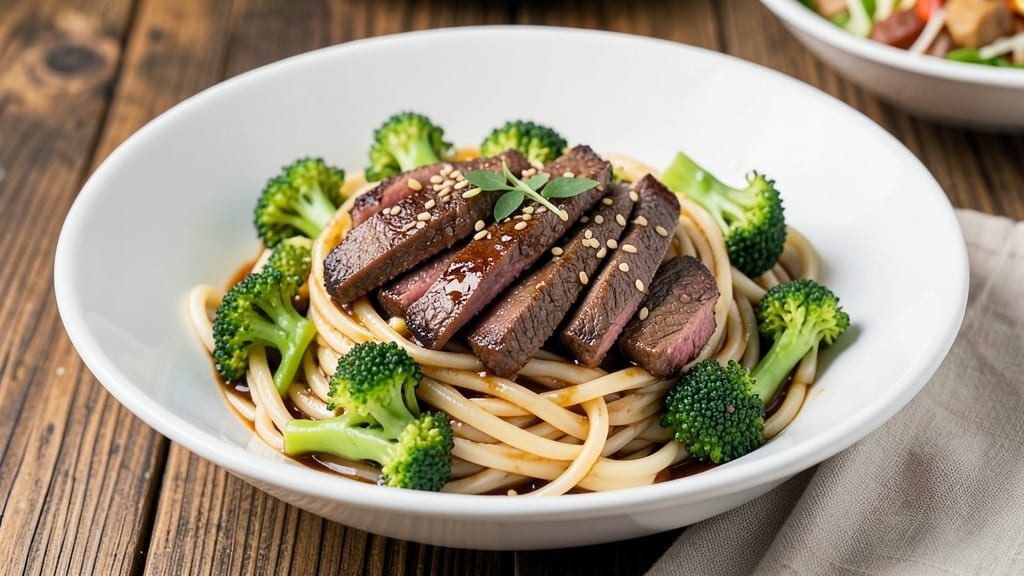
This beef and broccoli udon noodles recipe delivers restaurant-quality wok-tossed perfection in your own kitchen. The secret lies in perfectly seared beef strips, crisp-tender broccoli florets, and silky udon noodles coated in a savory soy-ginger sauce that balances umami, spice, and sweetness.
I developed this recipe after years of experimenting with stir-fry techniques to achieve that signature wok-tossed crunch without a specialized pan.
The foundation begins with high-heat searing of the beef, which creates a caramelized crust while keeping the centers tender. Fresh broccoli adds vibrant color and satisfying crunch, while the udon noodles—pre-boiled just until al dente—absorb the sauce beautifully without becoming mushy.
What sets this apart is the sauce: a carefully balanced blend of soy sauce, ginger, garlic, and a touch of honey that creates depth without overpowering the other flavors.
By the time you plate this dish, you'll have a harmonious combination of textures and flavors—crisp beef, tender broccoli, and silky noodles—all coated in that glossy, aromatic sauce. The dish is hearty enough to stand alone but versatile enough to pair with steamed rice or quick-pickled vegetables for extra brightness.
It's the kind of meal that transforms a simple weeknight into something special without requiring hours in the kitchen.
One of the best parts? This recipe scales effortlessly, whether you're feeding two or six. The key is keeping everything hot and ready to toss simultaneously, ensuring every bite delivers that perfect wok-tossed crunch.
Let's get started on creating this satisfying, flavor-packed dish that's sure to become a staple in your rotation.
Ingredients for beef and broccoli udon noodles
Restaurant-quality wok-tossed flavors start with these carefully chosen ingredients for silky udon and tender beef.
| Ingredient | Amount | Notes |
|---|---|---|
| Udon Noodles 🍜 | 8 oz | Fresh or dried, pre-boiled al dente |
| Flank Steak 🥩 | 1 lb | Thinly sliced against grain |
| Broccoli Florets 🥦 | 4 cups | Tight florets, stems trimmed |
| Fresh Ginger 🌿 | 2 tbsp | Finely grated, aromatic |
| Garlic Cloves 🧄 | 4 cloves | Minced, fresh preferred |
| Soy Sauce 🍶 | ½ cup | Light or dark, high quality |
| Sesame Oil 🫒 | 1 tbsp | Toasted, for aroma |
| Honey 🍯 | 1 tbsp | Pure, for balance |
| Vegetable Oil 🫒 | 2 tbsp | High smoke point |
| Green Onions 🧅 | 3 whole | Sliced, for garnish |
| Toasted Sesame Seeds 🌾 | 1 tbsp | For crunchy texture |
| Salt 🧂 | 1 tsp | Kosher or sea salt |
| Black Pepper 🌶️ | ½ tsp | Freshly ground |
| Red Pepper Flakes 🔥 | ½ tsp | Optional for heat |
The beef is non-negotiable—flank steak delivers that perfect balance of tenderness and chew when sliced thinly against the grain. Grab it from Whole Foods or your local butcher for the freshest cut; look for good marbling and ask for it to be sliced paper-thin. Broccoli should be vibrant green with tight florets—avoid the pre-cut sad bags at the grocery store. For the udon, fresh is ideal but dried works in a pinch (just soak and boil). The ginger and garlic? Fresh is essential here—dried just won't cut it for that bright, aromatic punch.
No sesame oil? Toasted peanut oil works in a bind, though it'll change the flavor profile slightly. Short on honey? Maple syrup at half the amount keeps things balanced. The soy sauce matters—Kikkoman or Pearl River Bridge are my go-tos, but any light or dark will do. For extra crunch, toast your sesame seeds in a dry pan for 2-3 minutes until fragrant. The red pepper flakes are optional, but if you love heat, go for it—just start with half and adjust. Everything else? Use what you've got—this dish is flexible enough to handle pantry staples.
Prep the beef and broccoli first—they'll wait while you make the sauce. The sauce keeps for 5 days in the fridge if you make it ahead, but the noodles are best fresh. Store leftovers in an airtight container with a splash of water to keep them from drying out. This reheats beautifully—just toss with a little oil and steam over high heat. I always make extra sauce—it's perfect for drizzling over rice or even a quick veggie stir-fry.
Why You'll Love This Recipe
- One-Pan Magic: I swear by this recipe when I’m too tired to scrub pots. Toss the flank steak strips, broccoli florets, and udon into one pan with the sauce—no extra dishes, no fuss. The garlic and ginger sizzle together while the beef tenderizes, and by the time the noodles soften, everything’s ready. (Yes, even on a Tuesday night.)
- Umami Bomb: That first bite? The beef’s savory bite from the soy-ginger marinade meets the crisp-tender broccoli, all wrapped in the chewy, slightly slippery udon. Honestly, the way the garlic cloves caramelize at the edges while the steak stays juicy—it’s the kind of flavor that makes you pause mid-bite. No dry, sad beef here.
- Lunchbox Hero: Between us, this is my go-to for meal prep. Cook a big batch, let it cool, and portion it into containers—udon stays al dente, beef stays tender, and the broccoli holds its crunch. My kids (and my lunchbox-loving coworkers) devour it cold or reheated. (The leftovers? Even better the next day.)
- Budget Power Move: Flank steak is affordable, udon’s a pantry staple, and broccoli’s one of the cheapest veggies out there. I stretch this recipe to feed four for under $15, and the leftovers turn into a quick stir-fry the next night. No wasted ingredients, no breaking the bank—just solid, satisfying meals.
Step-by-step instructions for beef and broccoli udon noodles
Here's how to create restaurant-quality udon with perfectly seared beef and vibrant broccoli.
Prepare the Udon Noodles
Cook the 8 oz udon noodles according to package instructions until al dente—they should be tender but still have a slight bite. I like to use fresh udon for that silky texture, but dried works too. Drain and rinse briefly under cold water to stop the cooking process, then toss with 1 tbsp sesame oil to prevent sticking.
While the noodles cook, prepare the remaining ingredients. The udon should be ready in about 4-5 minutes, so time this step carefully. You'll want them hot when you toss them with the beef and vegetables, so keep them covered with a damp towel while you prepare the rest of the dish.
Marinate and Sear the Flank Steak
Slice the 1 lb flank steak thinly against the grain for maximum tenderness. In a bowl, combine the sliced steak with 0.5 cup soy sauce, 1 tbsp honey, 1 tsp salt, 0.5 tsp black pepper, and 0.5 tsp red pepper flakes. Let it marinate for 15-20 minutes at room temperature—this ensures even cooking and deep flavor penetration.
Heat 2 tbsp vegetable oil in a wok or large skillet over high heat until shimmering. Add the marinated steak in a single layer and sear for 1-2 minutes per side until deep brown and slightly charred. Remove the steak and set aside—it should be cooked through but still juicy. If it releases easily from the pan, it's ready.
Stir-Fry the Broccoli and Aromatics
In the same wok, add 4 cups broccoli florets and stir-fry for 2-3 minutes until bright green and just tender-crisp. Add 2 tbsp finely grated fresh ginger and 4 minced garlic cloves, cooking for another 30 seconds until fragrant. The broccoli should retain its vibrant color—overcooking will turn it mushy.
Pour in the remaining 0.5 cup soy sauce and 1 tbsp honey, scraping up any browned bits from the bottom of the wok. Let the sauce simmer for 1 minute until slightly thickened. Here's the thing—those browned bits are packed with flavor, so don't skip scraping them up.
Combine Everything for the Final Toss
Return the seared steak to the wok and add the cooked udon noodles. Toss everything together vigorously for 1-2 minutes until the noodles are evenly coated in the sauce and heated through. The noodles should be silky and glossy, not dry or sticky—if they seem too dry, add a splash of hot water or reserved pasta water.
Finish with 3 sliced green onions and 1 tbsp toasted sesame seeds, tossing gently to distribute. The sesame seeds add a delightful crunch that contrasts beautifully with the silky noodles. Serve immediately while hot, garnished with extra green onions if desired.
Pro Tips For Making Beef And Broccoli Udon Noodles
- Sear Steak in Batches: Flank steak releases a ton of juices when sliced—too much at once, and your pan turns into a stew. Cut the meat into strips first, then cook in two rounds if needed. The first batch gets a proper crust; the second joins when the first is halfway done.
- Blanch Broccoli First: Raw broccoli florets release water when cooked, which dilutes your sauce. Give them a quick 30-second blanch in boiling water, then shock in ice water before stir-frying. They’ll stay bright, crisp, and won’t turn your udon into a soup.
- Don’t Overcrowd the Pan: I learned this the hard way—packing too much beef and broccoli into the wok means steaming instead of searing. Work in small batches: cook half the beef first, remove it, then add the rest. The pan needs space to build flavor, not a crowded party.
- Use Cold Noodles, Hot Broth: Fresh udon noodles stick together like glue when hot. Rinse them in cold water, then toss with a splash of oil to keep them separate. When you’re ready to serve, pour the hot beef-broccoli sauce over them—no need to boil the noodles again.
Storing and reheating this dish
Fridge Storage Tips
Store leftovers in an airtight container with a splash of water (about 2 tbsp) to keep the udon noodles from drying out. The beef and broccoli will stay tender for up to 4 days when refrigerated at 40°F or below.
I like to portion the dish into single-serving containers for easy reheating—just grab and go when you're short on time. 💫
Freezer-Friendly Method
This dish freezes beautifully, though the udon texture changes slightly. Cool completely, then transfer to a freezer-safe bag with 1 inch headspace for expansion. Label with the date—it keeps for 2 months at 0°F.
For best results, freeze only the sauce and beef separately from the noodles. Reheat the sauce and beef first, then toss with fresh or thawed noodles.
Stovetop Reheating
My preferred method is stovetop reheating for that wok-tossed texture. Heat 1 tbsp vegetable oil in a wok over high heat, then add the cold leftovers. Toss vigorously for 2-3 minutes until everything is piping hot.
The high heat helps restore that crisp-tender texture. Add 1 tsp soy sauce if the flavors seem muted after freezing. ✨
Microwave Shortcut
For quick lunches, microwave covered portions on high for 2 minutes, then stir and continue in 30-second intervals until heated through. Add 2 tbsp water if the noodles look dry.
The microwave won't recreate the wok-tossed crunch, but it's a convenient option when you're in a hurry. I usually reserve this for when I'm really pressed for time.
Sauce Revival Trick
If the sauce seems thick or flavorless after storage, revive it by adding 1 tsp sesame oil and ½ tsp grated ginger. Heat gently for 30 seconds to reawaken the aromatics.
This little trick makes a world of difference when reheating—it brings back that restaurant-quality depth. The sauce actually improves after storage as the flavors meld together. 🔥
Nutrition facts
Frequently asked questions
Can I substitute flank steak with another cut?
For a leaner option, try sirloin or ribeye sliced thinly. If you prefer more marbling, skirt steak works beautifully—just slice it against the grain for tenderness. For a budget-friendly swap, chicken breast or shrimp can replace the beef, though cooking times will differ slightly.
How do I prevent the udon noodles from turning mushy?
Cook them al dente (1-2 minutes less than package instructions) and rinse briefly in cold water after draining. Toss them with 1 tbsp sesame oil while prepping other ingredients to prevent sticking. When combining with the sauce, stir-fry over high heat for just 1-2 minutes—this keeps them silky, not soggy.
Can I make this dish vegetarian?
Yes! Swap the beef for extra-firm tofu (pressed and cubed) or mushrooms (shiitake or oyster). Marinate the tofu in the same soy-ginger sauce for 20 minutes, then pan-fry until crispy. For mushrooms, slice them thinly and cook until deeply browned. The dish will still be hearty and flavorful!
Why does my sauce taste too salty?
Start by reducing the soy sauce to ¼ cup total (instead of ½ cup) and taste as you go. If needed, balance with 1 tsp honey or a splash of water to dilute. The honey also helps mask excess saltiness while adding depth. For future batches, use low-sodium soy sauce and adjust to taste.
How can I add extra protein?
Add ½ cup edamame (shelled) or ½ cup firm tofu (cubed) when stir-frying the broccoli. For a richer dish, include 2 oz sliced shiitake mushrooms or ¼ cup chopped cashews (toasted for crunch). Just be mindful of cooking times—protein sources like tofu need 3-4 minutes in the pan to firm up.