
Soups & Stews
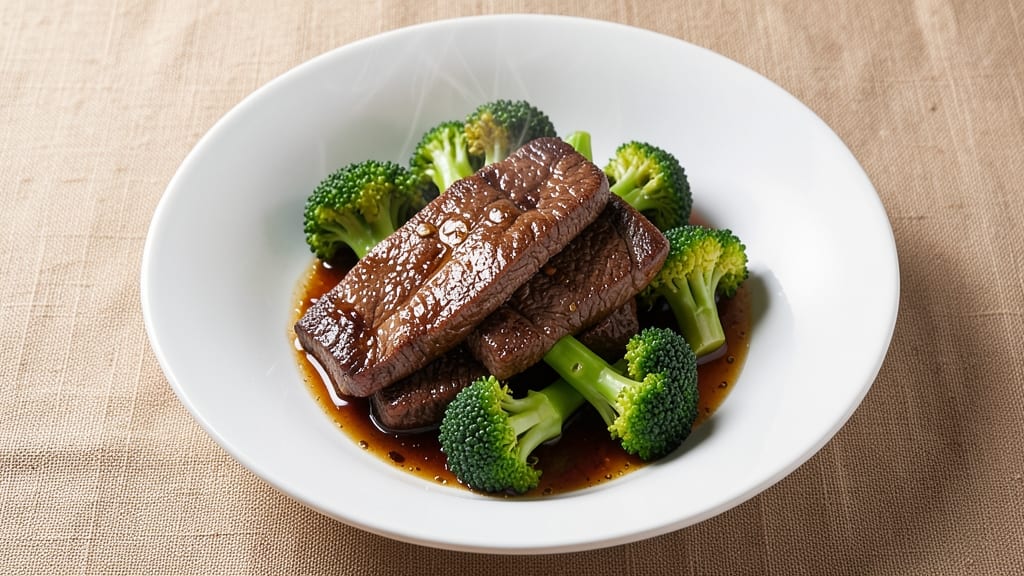
This beef and broccoli recipe without brown sugar delivers restaurant-quality flavors in just 20 minutes—bold soy-ginger notes without any sweetness. The secret lies in balancing salty soy sauce with fresh ginger and garlic, creating a savory sauce that clings perfectly to tender beef strips and crisp-tender broccoli florets.
I developed this version after realizing many traditional recipes rely on brown sugar for depth, when the natural umami from quality ingredients can shine just as brightly.
The process starts with quick-searing beef strips until they develop a caramelized crust, then sets aside to make room for steaming broccoli in the same pan. While the broccoli finishes steaming, the sauce comes together with soy sauce, ginger, garlic, and a touch of sesame oil—no sugar needed.
The result is a dish where every bite delivers that perfect harmony of salty, spicy, and umami-rich flavors without any artificial sweetness.
What makes this recipe stand out is how it maintains all the classic Chinese-American characteristics while accommodating dietary preferences. The beef remains tender yet slightly chewy, the broccoli stays crisp-tender with vibrant green color, and the sauce achieves that signature glossy finish.
This version proves you don't need sugar to create depth—just proper technique and quality ingredients.
Serve this dish over steamed jasmine rice for the complete experience, or pair with noodles for a heartier meal. The leftovers reheat beautifully, making it perfect for meal prep. Let's create this savory masterpiece that delivers restaurant-quality results at home.
Ingredients for beef and broccoli recipe without brown sugar
Restaurant-quality beef and broccoli relies on these 13 ingredients for bold soy-ginger flavor.
| Ingredient | Amount | Notes |
|---|---|---|
| Flank Steak 🥩 | 1 lb | Thinly sliced against grain |
| Broccoli Florets 🥦 | 1 ½ lbs | Medium-sized, stems trimmed |
| Low-Sodium Soy Sauce 🍶 | ½ cup | High-quality brand preferred |
| Fresh Ginger 🌿 | 2 tbsp | Finely grated, peeled |
| Garlic Cloves 🧄 | 4 cloves | Minced, fresh preferred |
| Sesame Oil 🫒 | 1 tbsp | Toasted, for aroma |
| Cornstarch 🌾 | 1 tbsp | For sauce thickening |
| Green Onions 🧅 | 3 whole | Sliced, for garnish |
| Vegetable Oil 🫒 | 2 tbsp | High smoke point |
| White Wine Vinegar 🍶 | 1 tbsp | For acid balance |
| Sesame Seeds 🌱 | 1 tsp | Toasted, for garnish |
| Kosher Salt 🧂 | 1 tsp | Diamond Crystal preferred |
| Black Pepper 🌶️ | ½ tsp | Freshly ground |
The beef is everything here—flank steak delivers that signature tender yet slightly chewy texture when sliced thinly against the grain. Look for well-marbled cuts at Whole Foods or your local butcher shop, as the fat renders beautifully during searing. Fresh ginger and garlic are non-negotiable for that authentic umami punch; Trader Joe's often carries pre-peeled ginger, but I always buy the whole root to grate fresh. Broccoli should be vibrant green with tight florets—Trader Joe's frozen broccoli florets work in a pinch if fresh isn't available, just thaw and pat dry before cooking.
No low-sodium soy sauce? Regular soy sauce with half the amount works, but you'll need to adjust salt accordingly. Substitute grated ginger with 1.5 tsp ground ginger, though fresh is always better. The sesame oil is purely for aroma—if you're avoiding it, neutral oil plus extra toasted sesame seeds will still give that nutty flavor. For extra depth, add 1 tsp fish sauce (if not vegetarian) to the sauce mixture. The cornstarch is essential for that signature glossy finish—don't skip it, even if you're not worried about thickening.
Prep ahead by slicing the beef and grating the ginger in advance—they keep well in the fridge for 2 days. Broccoli stays fresh for 5 days in the crisper drawer, but it's best used within 2 days for peak crisp-tenderness. The sauce components (soy sauce, vinegar, cornstarch) can be mixed in a jar and stored for 1 week. This dish reheats beautifully—just add a splash of water or broth to prevent drying out. Portion into meal prep containers for easy lunches, or freeze the sauce separately for up to 3 months.
Why You'll Love This Recipe
- One-Pan Magic: I swear by this recipe when I’m too tired to scrub pots—just sear the steak, toss in the broccoli, and let the ginger and garlic work their magic in one skillet. Minimal cleanup, maximum flavor.
- Ginger-Garlic Punch: That fresh ginger and garlic combo? It’s the secret weapon here. The steak stays tender while the broccoli gets this bright, slightly spicy kick—no sugar needed to make it sing.
- Lunchbox Hero: Between us, this is my go-to for meal prep. Slice the steak thin, pack it with broccoli, and it holds up perfectly for days. (Yes, even on a Tuesday night.)
- Budget-Friendly Feast: Flank steak stretches far, and broccoli’s cheap—this feeds four for under $15. Plus, leftovers reheat like a dream, so I’m never stuck ordering takeout.
Step-by-step instructions for beef and broccoli without brown sugar
This method delivers perfectly seared beef and tender broccoli with a glossy, balanced soy-ginger sauce.
Prep the Flank Steak and Broccoli
Slice the 1 lb flank steak thinly against the grain into ¼-inch thick strips. This ensures tender, bite-sized pieces that cook quickly. Pat them dry with paper towels to promote a good sear—wet beef steams instead of browning.
Trim the stems from the 1.5 lbs broccoli florets and cut them into even-sized clusters. Leave the florets intact for visual appeal and even cooking. Set both the steak and broccoli aside while you prepare the aromatics.
Build the Soy-Ginger Sauce Base
In a small bowl, whisk together the 0.5 cup low-sodium soy sauce, 2 tbsp finely grated fresh ginger, 4 minced garlic cloves, and 1 tbsp white wine vinegar. The vinegar brightens the sauce and balances the richness of the soy. Taste the mixture—it should be tangy and aromatic, not overly salty.
In a separate small bowl, combine 1 tbsp cornstarch with 1 tbsp sesame oil. This slurry will thicken the sauce beautifully. Keep both mixtures nearby—they'll be added at precise moments during cooking.
Sear the Beef in Stages
Heat a large skillet or wok over high heat until it's smoking hot. Add 2 tbsp vegetable oil and swirl to coat the pan evenly. Working in batches, add half of the steak strips and sear undisturbed for 1-2 minutes until they develop a deep golden crust.
Flip the steak and cook for another 30 seconds before transferring to a plate. Repeat with the remaining steak, keeping the cooked portions warm. The high heat is crucial—it creates the Maillard reaction for maximum flavor. If the pan gets too crowded, cook in two batches.
Cook the Broccoli and Finish the Sauce
Return the skillet to high heat and add the broccoli florets in a single layer. Stir-fry for 2-3 minutes until they brighten in color but remain crisp-tender. Remove the broccoli and set aside with the steak.
Pour the soy-ginger mixture into the hot pan, scraping up any browned bits from the bottom. Add the cornstarch-sesame oil slurry and stir vigorously for 1-2 minutes until the sauce thickens to a glossy consistency. The sauce should coat the back of a spoon smoothly.
Combine and Garnish
Return the beef and broccoli to the skillet, tossing gently to coat everything in the sauce. Cook for an additional 1 minute to ensure the steak is fully heated through. The beef should be tender yet still holding its shape, not falling apart.
Remove from heat and transfer to serving plates. Garnish with 3 sliced green onions and 1 tsp toasted sesame seeds for color and texture. Serve immediately with steamed rice to soak up the flavorful sauce. The dish should be vibrant, aromatic, and perfectly balanced between savory, umami, and fresh ginger notes.
Pro Tips For Making Beef And Broccoli Recipe Without Brown Sugar
- Slice Against the Grain: Flank steak’s tough fibers run parallel to the grain—cutting perpendicular makes each bite tender. Use a sharp knife and slice at a 45-degree angle for wider strips that cook faster and stay juicier.
- Blanch Broccoli First: Toss florets in boiling water for 30 seconds before stir-frying—this softens them slightly so they finish cooking without turning mushy. Drain well, or your pan will steam instead of sear.
- Don’t Overcrowd the Pan: I learned this the hard way—piling steak and broccoli in one layer drops the temperature and steams instead of browns. Cook in batches if needed, even if it takes an extra minute.
- Toast the Aromatics: Mince garlic and ginger finely, then fry them in oil for 30 seconds until fragrant before adding beef. This builds flavor depth that skipping would leave flat—no extra effort, just better taste.
Regional styles of this recipe
Chinese-American Classic
This version stays true to the iconic Chinese-American take on beef and broccoli that became a staple in American-Chinese restaurants during the 1970s. The key difference here is eliminating brown sugar while keeping that signature umami-rich sauce.
I remember my first bite of this dish at a local dim sum spot in San Francisco—the tender beef, crisp broccoli, and glossy sauce became an instant favorite.
The original recipe often included brown sugar for sweetness, but this adaptation proves you can achieve the same depth using just soy sauce, ginger, and garlic. 🌶️
Cantonese-Inspired Version
For a more authentic Cantonese approach, increase the garlic to 6 cloves and add 1 tbsp Shaoxing wine to the sauce base. This regional style emphasizes bold flavors and aromatic ingredients. I've found that adding ½ tsp white pepper instead of black pepper gives it that classic Cantonese warmth.
Serve with steamed jasmine rice and a side of pickled vegetables for a complete meal that transports you straight to a Hong Kong street market.
Modern Fusion Twist
This version works beautifully as a fusion dish by adding 1 tbsp hoisin sauce to the sauce mixture for a touch of sweetness without brown sugar.
For extra depth, stir in 1 tsp fish sauce (if not vegetarian) and finish with a sprinkle of toasted cumin seeds for a Middle Eastern-inspired twist. The cumin adds an earthy note that pairs surprisingly well with the soy-ginger profile.
I've served this version at dinner parties and it always gets rave reviews for its unexpected complexity. 🔥
Vegetarian Adaptation
To make this dish vegetarian, replace the beef with 1 lb extra-firm tofu pressed and sliced into strips. For extra flavor, marinate the tofu in 2 tbsp soy sauce and 1 tbsp sesame oil for 20 minutes before cooking. The tofu absorbs the sauce beautifully and maintains a satisfying texture.
I've found that adding 1 tsp nutritional yeast to the sauce gives it that umami depth that's typically associated with meat. Serve with the same broccoli and sauce for a satisfying vegetarian version that doesn't compromise on flavor. 💫
Spicy Sichuan Style
For those who love heat, add 1 tbsp Sichuan chili paste (like Lao Gan Ma) to the sauce mixture. This version brings the signature numbing-spicy flavor of Sichuan cuisine to the classic dish.
I recommend adding ½ tsp ground Sichuan peppercorns toasted in the oil at the beginning for that signature tingling sensation. The chili paste adds both heat and a subtle sweetness that complements the soy sauce beautifully.
This version is perfect for spice lovers who want to keep the dish sugar-free while adding excitement. 🌶️
Nutrition facts
Frequently asked questions
Can I substitute honey or maple syrup for the brown sugar?
While you can use 1 teaspoon honey or ½ teaspoon maple syrup for subtle sweetness, this recipe intentionally omits sugar to highlight the natural savory flavors. The soy sauce, ginger, and garlic provide enough depth without artificial sweetness. If you prefer a touch of sweetness, try adding ½ teaspoon rice vinegar instead—it brightens the dish without sugar.
Why does my beef turn out tough instead of tender?
Tough beef usually means the slices weren't cut against the grain or weren't cooked long enough. Always slice flank steak perpendicular to the muscle fibers for tenderness. Also, don't overcook—beef should be cooked to 145°F internal temperature and removed from heat immediately. The residual heat will finish cooking it while resting.
Can I make this recipe with frozen broccoli?
Yes, but thaw and pat the broccoli completely dry first to prevent steaming. Frozen florets may release excess moisture, making the sauce watery. For best results, use fresh broccoli or thaw frozen florets in a colander for 10 minutes before cooking. The texture will be slightly different but still delicious.
How do I make this dish spicier?
Add ½ teaspoon red pepper flakes or 1 teaspoon chili garlic sauce to the soy-ginger mixture. For authentic heat, stir in 1 teaspoon gochujang (Korean chili paste) with the sauce. Always taste as you go—start with small amounts to avoid overwhelming the dish. The sauce should still balance the heat with its umami richness.
Will this recipe work in an Instant Pot?
Yes, but with adjustments. Sear the beef first in a regular pan, then transfer to the Instant Pot with ¼ cup water. Add broccoli and sauce ingredients, then cook on High Pressure for 2 minutes. Quick-release the pressure and stir gently. The texture will be slightly different (more tender beef, softer broccoli), but the flavors remain excellent.