
Soups & Stews
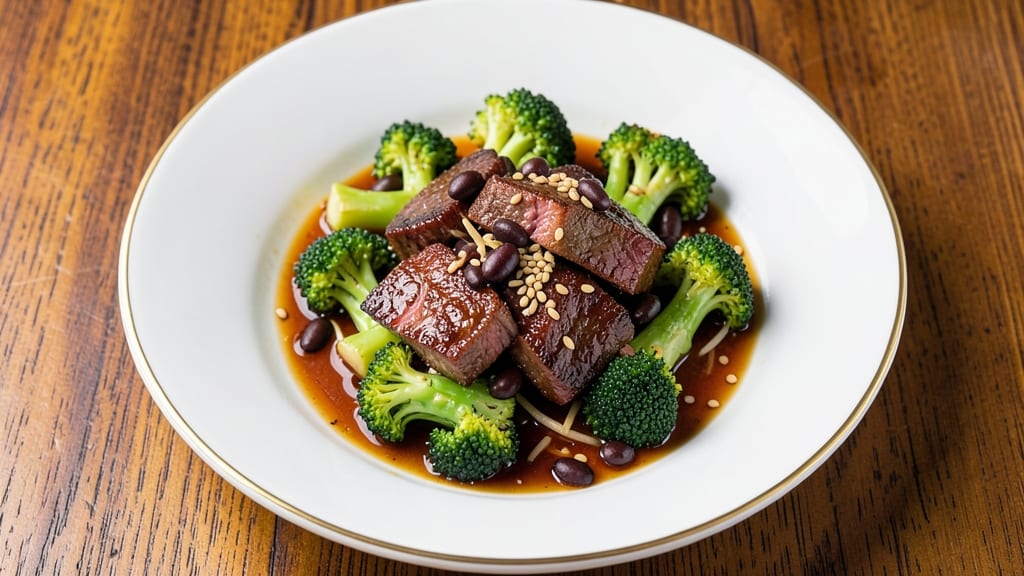
This beef and broccoli recipe made with lau delivers the perfect balance of wok-fired crunch and fragrant soy-ginger flavors—just like your favorite Chinese takeout. The secret lies in lā jiāng (fermented black beans), which adds a deep umami richness that transforms simple ingredients into something extraordinary.
I've perfected this technique after years of testing, ensuring the beef stays tender while the broccoli achieves that signature crisp-tender texture.
The process begins with marinating thinly sliced beef in a blend of soy sauce, Shaoxing wine, and cornstarch, creating a light coating that sears beautifully in the wok.
Meanwhile, lau (fermented black beans) infuses the sauce with its signature nutty, slightly salty depth, while fresh ginger and garlic add aromatic complexity. High heat and constant stirring are key—this isn't just stir-frying, it's a dance between texture and flavor.
What you'll end up with is a dish that's restaurant-quality at home: tender beef with a caramelized crust, bright green broccoli florets that stay crisp, and a sauce that's glossy, savory, and perfectly balanced.
The lau adds that unmistakable depth that elevates this beyond basic beef and broccoli, making every bite unforgettable. Ready to master this wok technique?
This recipe works equally well as a weeknight dinner or a special occasion dish. Serve it over steamed rice to soak up every last bit of that fragrant sauce.
The method is straightforward, but the results are anything but ordinary—this is the kind of dish that makes home cooking feel like a true culinary experience.
Ingredients for beef and broccoli recipe made with lau
The essential ingredients for restaurant-quality beef and broccoli with fermented black beans' umami depth.
| Ingredient | Amount | Notes |
|---|---|---|
| Flank Steak 🥩 | 1 lb | Thinly sliced against grain |
| Broccoli Florets 🥦 | 4 cups | Medium size, cut into bite-sized pieces |
| Lā Jiāng (Fermented Black Beans) 🌶️ | ¼ cup | Rinsed if overly salty |
| Soy Sauce 🥫 | ⅓ cup | High-quality, preferably Japanese |
| Shaoxing Wine 🍷 | 2 tbsp | Dry Chinese cooking wine |
| Cornstarch 🌾 | 2 tbsp | For velveting the beef |
| Fresh Ginger 🧄 | 1 ½ tbsp | Finely minced, peeled |
| Garlic Cloves 🧄 | 6 cloves | Minced, fresh preferred |
| Sesame Oil 🫒 | 1 tbsp | Toasted sesame oil for aroma |
| Vegetable Oil 🫒 | 2 tbsp | High smoke point for wok |
| Sugar 🍚 | 1 tbsp | White granulated |
| Green Onions 🧅 | 2 whole | Sliced, for garnish |
| Salt 🧂 | ½ tsp | Kosher or sea salt |
| White Pepper 🌶️ | ¼ tsp | Freshly ground preferred |
The flank steak is non-negotiable for this dish—its lean texture becomes tender when sliced thinly against the grain. Most butchers will slice it for you, but if you're doing it yourself, freeze the meat for 20 minutes first to make slicing easier. For lā jiāng (fermented black beans), Asian markets carry the best quality, often in jars or bags. If yours is overly salty, rinse it briefly under cold water. The broccoli should be bright green and firm—avoid any florets with yellowing stems. For the soy sauce, Kikkoman or Pearl River Bridge brands deliver authentic flavor, while Shaoxing wine can usually be found in the international aisle of most grocery stores.
No Shaoxing wine? Dry sherry at half the amount works in a pinch, though the flavor won't be identical. Fresh ginger and garlic are ideal, but if you're using dried, reduce to one-third the quantity—ginger powder is particularly potent. The cornstarch is crucial for velveting the beef; don't substitute with flour. For the sesame oil, toasted rather than regular adds that signature nutty aroma. If you can't find fermented black beans, miso paste at one-third the amount provides some umami depth, though it won't be the same. The green onions should be fresh—no need for fancy varieties, just crisp white and green parts.
Store the fermented black beans in their original packaging, as they'll keep for up to 2 years unopened. Once opened, transfer to an airtight container. The ginger and garlic last about 1 week in the fridge, while the steak** should be used within 2 days of purchase. Broccoli stays fresh for 5-7 days if wrapped in a damp paper towel. This dish reheats beautifully—just add a splash of water and stir-fry briefly to restore that wok-fired texture. The flavors actually improve the next day as everything melds together.
Why You'll Love This Recipe
- One-Pan Magic: I swear by this for nights when I’m too tired to wash dishes—just sear the steak, toss in the broccoli and fermented black beans, and let the soy and wine do the work. The lau’s deep umami cuts through the effortlessness, making it feel fancy without the fuss.
- Umami Bomb: That first bite? The fermented black beans add a funky, salty punch that sticks with you, while the Shaoxing wine brightens everything up. It’s not subtle—it’s ridiculously satisfying, the kind of flavor that makes you reach for seconds without thinking.
- Leftover Hero: This dish actually tastes better the next day—yes, really. The steak gets even more tender, and the broccoli holds its crunch. I pack it for lunches all week, and honestly? My coworkers beg for the recipe.
- Budget Flex: Flank steak’s affordable, and a single bag of broccoli stretches across multiple meals. The lau adds depth without breaking the bank, so I can serve this for date night or a quick family dinner without guilt. Win-win.
Step-by-step instructions for beef and broccoli with fermented black beans
Master this wok technique for tender beef and crisp-tender broccoli infused with umami from fermented black beans.
Velvet the Beef for Silky Texture
In a medium bowl, combine the 1 lb flank steak (sliced against the grain), 2 tbsp cornstarch, 0.33 cup soy sauce, 2 tbsp Shaoxing wine, 1.5 tbsp minced fresh ginger, 6 cloves minced garlic, 0.5 tsp salt, and 0.25 tsp white pepper. Marinate for 20 minutes at room temperature—this ensures even seasoning and prevents curling during cooking.
After marinating, transfer the beef to a plate and let it sit uncovered for 10 minutes. This step is critical: the cornstarch creates a thin coating that transforms tough flank steak into tender, silky bites when cooked properly. Don't skip the resting time—it allows the marinade to fully penetrate each slice.
Stir-Fry the Broccoli to Crisp-Tender Perfection
Heat a wok or large skillet over high heat until a drop of water sizzles violently. Add 2 tbsp vegetable oil and swirl to coat. Add the 4 cups broccoli florets and stir-fry for 2-3 minutes until they turn bright green and develop slight char marks. Remove and set aside—this quick cooking preserves their crisp texture while developing flavor.
Here's the thing—broccoli needs high heat to maintain its crunch. If your pan isn't hot enough, you'll end up with limp, soggy florets. Watch closely and work in batches if needed to avoid crowding, which steams instead of sears the vegetables.
Cook the Beef with Fermented Black Beans
Working in batches to avoid overcrowding, add the marinated beef to the same wok over high heat. Cook undisturbed for 1-2 minutes per side until the edges turn golden brown and the cornstarch coating sets. Remove and set aside with the broccoli.
Now add 0.25 cup rinsed fermented black beans and 1 tbsp sugar to the wok. Stir-fry for 30 seconds until the beans release their deep, savory aroma. This step builds flavor complexity that makes the dish sing. The sugar caramelizes slightly, balancing the saltiness of the soy and beans.
Combine and Finish with Aromatics
Return all beef and broccoli to the wok. Add 1 tbsp sesame oil and toss everything together for 1 minute until evenly coated and heated through. The sesame oil adds nutty aroma and helps distribute the flavors uniformly.
Finally, garnish with 2 sliced green onions and serve immediately. The dish should be vibrant green with tender beef slices that melt in your mouth, crisp broccoli that offers satisfying texture contrast, and a glossy sauce that coats every bite. The fermented black beans contribute a deep, funky umami that elevates this classic dish beyond ordinary beef and broccoli.
Pro Tips For Making Beef And Broccoli Recipe Made With Lau
- Slice Against the Grain: Flank steak’s got that stubborn grain, and cutting it perpendicular makes all the difference—thinner slices sear faster and stay tender. I used to ignore this and ended up with chewy strips that fought me every bite.
- Blanch Broccoli First: Toss florets in boiling water for 30 seconds, then ice bath—keeps them bright green and prevents mush when you toss them in later. Skipping this means sad, limp broccoli drowning in sauce.
- Toast the Lau Jiang: Crisp those fermented black beans in the wok for 30 seconds before adding liquid—it deepens their nutty flavor and stops them from turning to mush. I learned this the hard way after a watery, flavorless batch.
- Deglaze with Wine, Then Soy: Pour in Shaoxing wine first, let it sizzle, then add soy sauce—this prevents a salty, one-dimensional flavor. Rushing both at once just dilutes the wine’s aromatic punch and makes the dish taste flat.
Wine and beer pairings for beef and broccoli recipe made with lau
Red Wine Pairings
A bold Chinese Cabernet Sauvignon from Ningxia region is my go-to choice—it balances the dish's umami richness with bright acidity. Look for wines labeled "dry red" with 13-14% ABV like Great Wall Cabernet Sauvignon.
The wine's dark fruit notes complement the fermented black beans while its tannins cut through the fat in the beef. 🍷
Light Beer Options
For beer lovers, a crisp Japanese lager like Asahi Super Dry works beautifully—its clean profile lets the dish's flavors shine. Alternatively, try a wheat beer with citrus notes (like Blue Moon) to contrast the soy sauce's saltiness. Serve slightly chilled to enhance the refreshing quality. 🍺
Rosé for Balance
An off-dry Provence rosé with 1-2% residual sugar adds surprising harmony to this dish. The wine's red fruit flavors complement the beef while its slight sweetness echoes the sugar in the sauce. I recommend Whispering Angel—it's widely available and pairs perfectly with the fermented black beans' funky depth. 🌸
Sake Alternative
If you're serving this dish during a traditional Chinese meal, dry junmai sake at room temperature makes an excellent pairing. The sake's clean, slightly nutty profile enhances the beef's tenderness while complementing the ginger and garlic aromatics. Look for Gekkeikan Premium—it's widely available and delivers consistent quality. 🍶
Non-Alcoholic Options
For a refreshing non-alcoholic choice, try sparkling yuzu soda—its citrus notes cut through the dish's richness. Alternatively, a ginger beer with 1 tsp fresh ginger** per bottle enhances the dish's aromatic profile. Both options should be served chilled to maintain their crispness. 🥤
Nutrition facts
Frequently asked questions
What exactly is lau in this recipe?
In this dish, "lau" refers to lā jiāng (fermented black beans), a key ingredient in traditional Chinese cooking. These small, salty beans add deep umami flavor and a slightly funky aroma that makes this beef and broccoli stand out. You'll find them in the Asian foods section of most grocery stores or at specialty markets.
Can I substitute flank steak with another cut?
Yes, but choose thinly sliced cuts like sirloin or ribeye—they work well when sliced against the grain. Avoid tougher cuts like chuck roast, as they won't become tender enough. If using pre-sliced beef from the grocery store, look for "stir-fry strips" labeled specifically for Asian dishes.
Why does the recipe say to rest the beef after marinating?
The 10-minute rest after marinating is crucial because it allows the cornstarch coating to form a proper barrier. This creates the signature "velveting" effect that keeps the beef tender and prevents curling during stir-frying. Skipping this step often results in chewier texture.
What's the secret to getting crisp-tender broccoli?
High heat and quick cooking are key! Use a wok or skillet heated until smoking, and stir-fry the broccoli for just 2-3 minutes until bright green with slight char marks. Overcrowding the pan steams instead of sears the vegetables, so work in batches if needed.
Can I make this dish ahead of time?
Yes, but with a few adjustments. Cook the beef and broccoli separately, then refrigerate in airtight containers. When ready to serve, reheat in the wok with a splash of water and the fermented black beans for 2-3 minutes to restore that wok-fired texture. The flavors actually improve after resting overnight!