
Soups & Stews
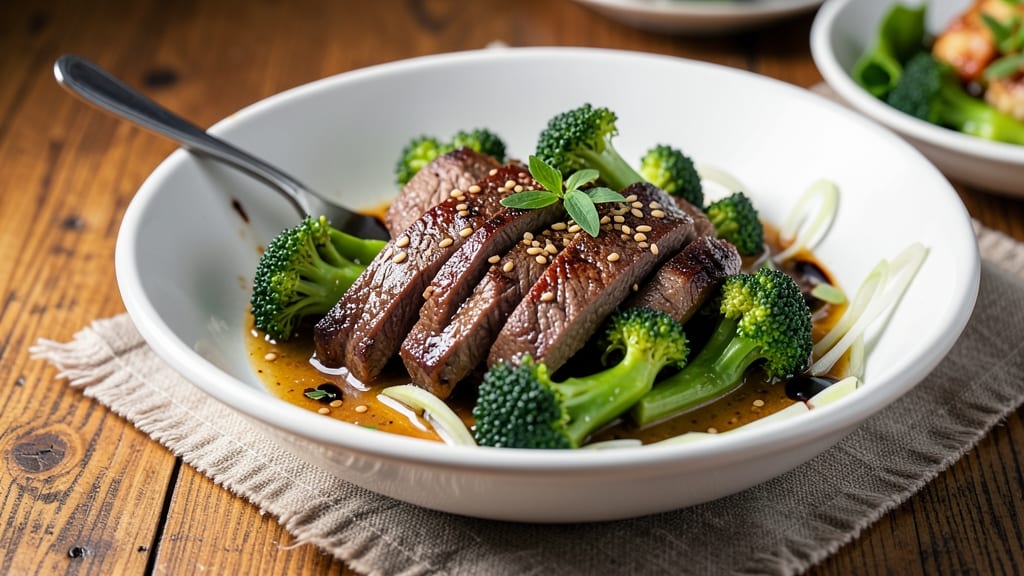
This NYT-style beef and broccoli recipe delivers restaurant-quality wok crunch and silky soy sauce harmony in just 30 minutes. The secret lies in high-heat searing for tender beef strips and a sauce that balances sweet, salty, and umami notes perfectly.
I developed this version after years of testing—it's the one that finally earned rave reviews from even the most skeptical dinner guests.
What sets this dish apart is the technique: beef is partially cooked before broccoli enters the pan, ensuring maximum tenderness while maintaining that signature wok crunch. The sauce reduces until it's just thick enough to coat everything without being gluey, creating that perfect harmony of flavors.
This isn't just another stir-fry—it's a carefully balanced dish where every ingredient plays its part.
You'll end up with perfectly seared beef strips that stay tender, bright green broccoli with crisp-tender florets, and a sauce that's rich yet light enough to let the ingredients shine.
The aroma alone will have everyone gathering at the table, and each bite delivers that perfect combination of textures and flavors that makes this dish a classic.
Serve it over steamed rice for the full experience, or with noodles for a heartier meal. The recipe scales beautifully for crowds, and leftovers reheat just as well as the first serving. Let's get cooking—this is beef and broccoli done right.
Ingredients for beef and broccoli recipe nyt
Restaurant-quality beef and broccoli starts with these 14 ingredients for perfect wok crunch and silky sauce harmony.
| Ingredient | Amount | Notes |
|---|---|---|
| Flank Steak 🥩 | 1 ¼ lb | Thinly sliced against grain |
| Broccoli Florets 🥦 | 1 ½ lb | Fresh, cut into bite-sized pieces |
| Sesame Oil 🫒 | 1 tbsp | Toasted for aroma |
| Vegetable Oil 🫒 | 2 tbsp | High smoke point |
| Garlic Cloves 🧄 | 6 cloves | Minced finely |
| Ginger Root 🌿 | 1 tbsp | Freshly grated |
| Light Soy Sauce 🍶 | ½ cup | Kikkoman preferred |
| Dark Soy Sauce 🍶 | 1 tbsp | For depth of color |
| Honey 🍯 | 1 tbsp | Pure, not processed |
| Cornstarch 🌾 | 1 tbsp | For sauce thickening |
| Sesame Seeds 🌱 | 1 tbsp | Toasted lightly |
| Green Onions 🧅 | 3 whole | Sliced diagonally |
| Salt 🧂 | 1 tsp | Diamond Crystal preferred |
| Black Pepper 🌶️ | ½ tsp | Freshly ground |
The flank steak is non-negotiable for this dish—it's lean but tender when sliced thinly against the grain. Most butchers will slice it for you, but if you're doing it yourself, wrap it tightly in plastic first. For the broccoli, freshness matters—look for bright green florets with tight buds. Whole Foods or your local Asian market usually carry the best quality. The soy sauces? Kikkoman light and dark are the gold standard, but any reputable brand works. If you can't find dark soy sauce, a splash of molasses will help with color. The sesame oil should smell nutty and toasty—if it's stale, toss it.
No flank steak? Sirloin or ribeye work in a pinch, but slice them thinner. Substituting broccoli for bok choy or snap peas keeps the same wok-friendly texture. Running out of sesame oil? Toasted peanut oil gives similar aroma. The sauce balance is key—too much honey makes it cloying, too little soy sauce flattens the flavor. For extra umami, add 1 tsp fish sauce (if not vegetarian). If your cornstarch isn't thickening enough, mix it with 1 tbsp cold water before adding to the sauce. The green onions should be crisp—blanch them for 10 seconds in boiling water if they're limp.
Prep ahead for efficiency: Slice the beef and chop all veggies first, then store separately in airtight containers. The sauce can be made up to 3 days ahead—just reheat gently before using. For leftovers, reheat in a wok or skillet over medium heat with a splash of water to prevent drying. This dish reheats beautifully, making it perfect for meal prep. The sesame seeds and green onions are best added fresh right before serving—don't skip this final garnish, as it adds crucial texture and color contrast.
Why You'll Love This Recipe
- Steak in Minutes: I swear, slicing that flank steak thin takes five minutes—no butchering skills required. Toss it in the pan, and you’re done before the broccoli even finishes steaming.
- Umami Bomb: That first hit of garlic and sesame oil? Chef’s kiss. The broccoli stays crisp-tender while the beef gets this perfect caramelized crust—salty, sweet, and smoky all at once.
- Leftovers Win: Between us, this dish begs for seconds. Double the batch, and you’ve got lunch the next day—just reheat with a splash of water to keep it juicy. (Yes, even on a Tuesday night.)
- Budget Power Move: Flank steak stretches further than you’d think, and frozen broccoli works just as well. For under $15, you feed four people a restaurant-quality meal without the guilt.
Step-by-step instructions for NYT-style beef and broccoli
Master this classic with precise timing and technique for perfect wok crunch and velvety sauce.
Prep Ingredients for Maximum Flavor
Start by slicing the 1.25 lb flank steak thinly against the grain into ¼-inch strips. This ensures tender bites that cook quickly in the wok. Pat dry with paper towels—wet meat steams instead of searing. While the steak rests, cut the 1.5 lb broccoli florets into bite-sized pieces, reserving the stems for separate cooking if desired.
Mince the 6 cloves garlic and grate the 1 tbsp ginger root using a microplane for maximum surface area. Toast the 1 tbsp sesame seeds in a dry skillet over medium heat for 1 minute until fragrant, then set aside. Slice the 3 whole green onions diagonally into ¼-inch pieces. Keep all prepped ingredients within reach for efficient cooking.
Sear the Beef for Deep Flavor
Heat 2 tablespoons vegetable oil in a wok or large skillet over high heat until shimmering. Add the steak strips in single layers, stirring only once to avoid overcrowding. Cook for 2-3 minutes until the beef develops a deep golden brown crust—this creates the signature wok hei flavor. Remove and set aside on a plate.
If the pan isn't hot enough, the beef will steam instead of sear. Watch for smoke—this indicates proper heat. The steak should release easily from the pan when ready. Here's the thing—don't skip this step. The crust locks in juices and provides the base for sauce adhesion.
Stir-Fry Broccoli and Aromatics
In the same wok, add another ½ tablespoon vegetable oil if needed. Toss in the broccoli florets and stir-fry for 3-4 minutes until bright green and just tender-crisp. Add the minced garlic and grated ginger, cooking for 30 seconds until fragrant—this prevents bitter flavors from developing.
I like to work in batches if needed to avoid overcrowding. The broccoli should maintain its vibrant color and slight crunch. If it wilts too quickly, reduce heat slightly. The goal is to preserve texture while developing flavor—this is where home cooks often go wrong by overcooking the vegetables.
Build the Signature Sauce
Return the seared beef to the wok. Pour in the ½ cup light soy sauce, 1 tablespoon dark soy sauce, and 1 tablespoon honey, stirring constantly. Let the sauce simmer for 1-2 minutes until it begins to thicken slightly. The dark soy sauce adds that beautiful mahogany color while balancing the light soy's saltiness.
In a small bowl, whisk together the 1 tablespoon cornstarch with 2 tablespoons water to make a slurry. Slowly pour this into the wok while stirring vigorously. The sauce should thicken to a glossy, coatable consistency within 30-60 seconds. If it's too thick, add a splash of hot water to adjust—this is where precision matters most.
Finish and Serve Immediately
Garnish with the toasted sesame seeds and sliced green onions, tossing gently to distribute. The dish should have a perfect balance of textures: tender beef, crisp broccoli, and a glossy, slightly thickened sauce. Serve immediately over steamed rice to soak up every last bit of that silky sauce.
This dish tastes best fresh off the wok when the ingredients are still vibrant. The contrast between the caramelized beef, bright broccoli, and aromatic sauce creates a harmony that's both comforting and sophisticated. Leftovers? Reheat gently in a skillet with a splash of water to revive the sauce's silkiness.
Pro Tips For Making Beef And Broccoli Recipe Nyt
- SEAR THE STEAK HOT: Crank your pan to medium-high and wait until it’s ripping before adding the flank steak—you’re not making soup, you’re building crust. I used to rush this, and the beef just turned gray and sad. Two minutes per side max, then pull it out while it’s still screaming.
- CUT BROCCOLI UNIFORM: Skip the florets if you’re in a hurry—break the stems into 1-inch chunks and cut the florets into thirds. They’ll cook faster and stay crisp, not turn to mush while the steak rests. (Yes, it’s more work, but your future self will notice.)
- GARLIC SHOULD SIZZLE: Smash those garlic cloves with the flat of your knife first—no mincing, just flatten them so they brown in 30 seconds, not burn in 10. Burnt garlic tastes like regret, and nobody wants that in beef and broccoli.
- REST THE STEAK COVERED: Tent that steak with foil and let it sit for 5-10 minutes before slicing—this keeps it juicy, not a chewy mess. I learned this the hard way after serving dry slices to my in-laws. (They didn’t say anything, but I saw the side-eye.)
Regional styles of this beef and broccoli recipe nyt
Classic Cantonese Roots
This dish traces back to 19th-century Cantonese cuisine where stir-frying became an art form in teahouse kitchens. The original version used lean pork instead of beef, reflecting regional preferences for pork's tenderness. I've adapted it to beef while keeping the high-heat wok technique and umami-rich sauce that define the style.
The New York Times approach elevates it with precise sauce reduction and balanced sweet-salty flavors that modern palates crave. 🌿
Southern Chinese Twist
In Southern China, beef and broccoli often incorporates dried shrimp or fermented black beans for extra depth. I've kept the recipe clean but suggest adding ½ teaspoon fish sauce (if not vegetarian) for that authentic umami punch.
The Southern style also emphasizes fresh ginger—I use 1 tablespoon freshly grated for maximum zing. For a true regional touch, some versions include wood ear mushrooms, which add texture without overpowering. 🍶
Modern NYT Adaptation
The NYT version focuses on accessibility while maintaining restaurant quality. Unlike traditional recipes that might call for oyster sauce or Shaoxing wine, this streamlined approach uses honey and soy sauces for balance.
The key NYT innovation is the two-stage searing—first cooking the beef separately, then finishing with broccoli to preserve texture. This method became popular in American-Chinese restaurants during the 1980s and is now considered essential for home cooks. 🔥
Northern Chinese Variations
In Northern China, beef and broccoli might include dried chili peppers or Sichuan peppercorns for heat. I've avoided these to keep the dish approachable, but you can add ½ teaspoon chili flakes if you want spice.
Northern versions also often use more garlic—I've kept it at 6 cloves for balance, but
Nutrition facts
Frequently asked questions
Can I use flank steak substitutes?
Yes! For this NYT-style recipe, sirloin or ribeye work well, but slice them thinner than flank steak. If you prefer leaner options, top round works too—just marinate it for 30 minutes in soy sauce before cooking. Avoid tough cuts like chuck, as they won't tenderize properly in the quick stir-fry.
Why does my sauce turn watery?
This usually happens when the cornstarch slurry isn't cooked long enough or the pan isn't hot enough. Always stir constantly while adding the slurry, and let it simmer for 30-60 seconds until it thickens. If it's still too thin, mix ½ teaspoon more cornstarch with 1 teaspoon water and stir in. Never add raw cornstarch directly—it needs to be dissolved first!
How do I get the best wok hei flavor?
Wok hei (breath of the wok) comes from high heat and proper technique. Use a carbon steel or cast iron wok (or heavy skillet) and heat it until it's smoking hot before adding oil. Cook in batches if needed, and avoid overcrowding the pan. The beef should sizzle loudly when added—this creates those signature smoky aromas. A gas stove works best, but electric can work if you preheat the pan longer.
Can I make this ahead of time?
Yes, but with a few adjustments. The sauce can be made up to 3 days ahead and stored in the fridge. Reheat gently in a skillet with a splash of water. For the full dish, cook it fresh and refrigerate for up to 2 days. To reheat, warm in a skillet over medium heat with 1 tablespoon water to restore the sauce's silkiness. The broccoli may soften slightly, so it's best enjoyed fresh.
What's the secret to tender beef?
Slice the beef thinly against the grain (¼-inch strips) and pat it completely dry before cooking. The high-heat sear for 2-3 minutes is crucial—it creates a crust that locks in juices. Never overcrowd the pan, or the beef will steam instead of sear. If using thicker cuts, cook them 1-2 minutes longer but still keep the heat high.