
Soups & Stews
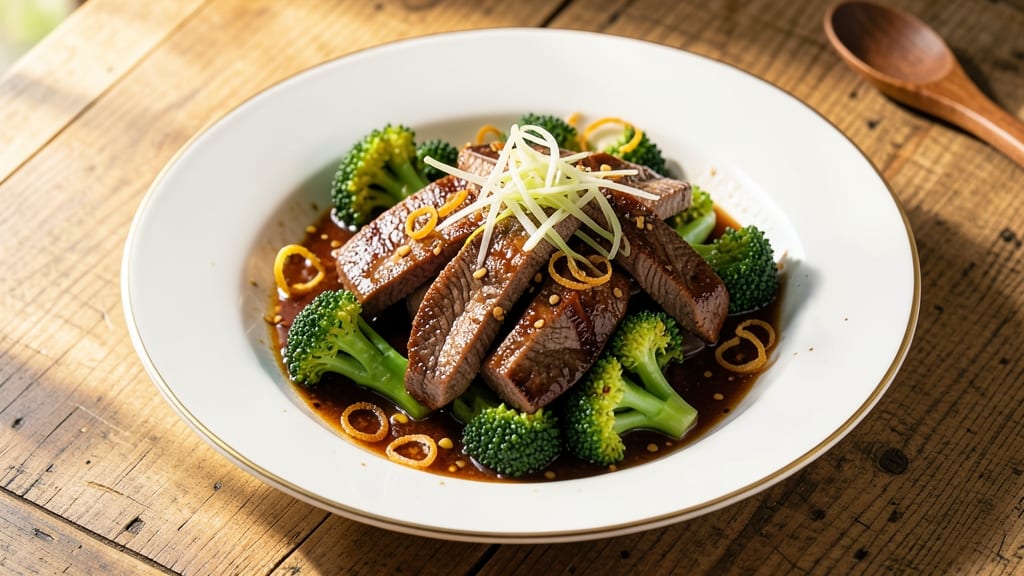
This Chinese restaurant beef and broccoli recipe delivers the same crisp-tender beef and vibrant green broccoli you crave—but with a foolproof home technique that takes just 20 minutes. The secret lies in high-heat searing for that signature wok texture, followed by a quick sauce reduction that balances sweet, tangy, and umami flavors without overpowering the natural taste of the beef.
What sets this version apart is the proper sauce consistency: thick enough to coat the beef and broccoli but still silky enough to drizzle over every bite. I've adapted the classic technique to work in any kitchen—no wok required—while keeping the restaurant-quality results.
The beef stays tender yet develops a beautiful caramelized crust, while the broccoli remains bright green and crisp-tender.
This isn't your grandmother's beef and broccoli—it's restaurant-style with a modern twist that works for weeknight dinners or special occasions. The sauce cuts through the richness of the beef while enhancing its natural depth, creating a dish that's both comforting and sophisticated.
Serve it over steamed rice for the complete experience.
Ready to make this dish? We'll start with properly prepping the beef for maximum tenderness, then move through the stir-frying process where timing and heat control make all the difference.
The sauce comes together quickly, and we'll show you how to achieve that perfect balance of flavors without any complicated techniques.
Ingredients for beef and broccoli recipe chinese restaurant
Restaurant-quality beef and broccoli starts with these 14 ingredients for crisp-tender bites.
| Ingredient | Amount | Notes |
|---|---|---|
| Flank Steak 🥩 | 1 ½ lb | Thinly sliced against grain |
| Broccoli Florets 🥦 | 1 ½ lb | Bright green, cut into bite-sized pieces |
| Cornstarch 🌾 | 2 tbsp | For velveting beef |
| Soy Sauce 🍶 | ½ cup | High-quality, preferably Japanese |
| Oyster Sauce 🍶 | 2 tbsp | Rich umami flavor |
| Hoisin Sauce 🍶 | 1 tbsp | Sweet and tangy balance |
| Brown Sugar 🍯 | 1 tbsp | Packed firmly |
| Garlic Cloves 🧄 | 6 cloves | Minced finely |
| Fresh Ginger 🌿 | 1 tbsp | Grated finely |
| Sesame Oil 🫒 | 1 tbsp | Toasted sesame preferred |
| Vegetable Oil 🫒 | 3 tbsp | High smoke point |
| Green Onions 🧅 | 3 whole | Sliced thinly for garnish |
| Salt 🧂 | 1 tsp | Diamond Crystal preferred |
| Black Pepper 🌶️ | ½ tsp | Freshly ground |
The beef is everything here. Flank steak delivers that signature wok texture when sliced thinly against the grain—skirt steak works too. Look for cuts with good marbling at Whole Foods or your local butcher shop. Freshness matters: the broccoli should be vibrant green, not yellowing. I grab mine at Trader Joe's—their pre-cut florets save time, but whole heads work just as well if you trim the thick stems. For the sauces, Japanese soy sauce adds depth that regular soy sauce can't match, and Hoisin sauce brings that perfect sweet-tangy balance you crave from takeout.
No cornstarch? Arrowroot powder at the same amount works in a pinch. Substituting the sauces? Less soy sauce plus a splash of fish sauce mimics the umami, but keep the brown sugar and hoisin for that signature sweetness. Fresh ginger and garlic can be swapped for powdered versions, but fresh is always better—just use half the amount. The sesame oil is non-negotiable for that authentic aroma, but if you're sensitive to its flavor, cut back to 1 teaspoon. For the broccoli, baby broccoli florets cook faster and stay vibrant longer than larger pieces. And trust me on the high-heat vegetable oil—it's worth splurging on a good brand like Avocado Oil for that perfect sear.
Prep the beef first—it needs time to marinate in the cornstarch mixture. Broccoli holds up to 3 days in the fridge if wrapped in a damp towel, but use it within 2 days for peak freshness. The sauces keep for 1 month in the fridge, so make extra for future stir-fries. Store leftovers in airtight containers—the beef and broccoli stay crisp-tender for 4 days. Freezing isn't ideal for the texture, but you can freeze the sauce separately for 3 months. I always make double portions because this dish reheats beautifully—just toss with a splash of water to keep it moist.
Why You'll Love This Recipe
- One-Pan Magic: I swear by this recipe because it’s actually one pan—no fussing with multiple skillets or dirty dishes. Toss the sliced flank steak and broccoli in one, sear them together, then glaze with that sticky-sweet soy-oyster sauce. Honestly, I’ve made it when I was too tired to load the dishwasher, and it still tasted like a restaurant dish.
- Umami Bomb: That combo of soy and oyster sauce? It’s ridiculously good—deep, savory, with just enough sweetness to balance the beef’s richness. The cornstarch coating gives it that perfect crisp-tender bite, and the broccoli stays bright green instead of turning into sad mush. (Yes, even my picky husband asks for seconds.)
- Lunchbox Hero: Between us, this is my go-to for meal prep. Shred the beef thin, mix it with the sauce, and pack it with leftover broccoli—it stays fresh for days. I’ve sent it to work, packed it for road trips, and even frozen portions for lazy nights. It’s the kind of dish that makes you look like a cooking genius with zero effort.
- Budget Win: Flank steak is affordable, and a single pound stretches across multiple meals. Broccoli’s cheap, too, and the sauce ingredients (soy, oyster, cornstarch) are pantry staples. I’ll be real: I’ve made this on a $15 grocery run, and it still felt like a splurge-worthy dinner. That’s the kind of practicality I love.
Step-by-step instructions for Chinese restaurant beef and broccoli
Here's how to achieve that perfect balance of crisp-tender beef and vibrant broccoli in under 20 minutes.
Velvet the Beef for Maximum Tenderness
In a medium bowl, combine the 1.5 lb flank steak with 2 tbsp cornstarch, 1 tsp salt, and 0.5 tsp black pepper. Using your hands, work the mixture into the meat until every slice is evenly coated. This cornstarch coating creates a protective barrier that keeps the beef impossibly tender while achieving that signature wok-seared exterior.
Let the coated beef rest for 10 minutes at room temperature. This step is crucial—it allows the cornstarch to adhere properly and prevents the meat from releasing too much moisture when it hits the hot pan. The beef should be completely covered and look like it's been dusted with flour. If you're working with particularly thick slices, gently press down on them to ensure even coating.
Prepare the Broccoli and Sauce Base
While the beef rests, prepare the broccoli by separating the 1.5 lb broccoli florets into bite-sized pieces. In a separate small bowl, whisk together 0.5 cup soy sauce, 2 tbsp oyster sauce, 1 tbsp hoisin sauce, 1 tbsp brown sugar, 6 cloves minced garlic, and 1 tbsp grated ginger. This sauce mixture is the flavor backbone of your dish—don't skip the whisking as you want to fully emulsify the ingredients for a smooth, cohesive sauce.
Heat 1 tbsp vegetable oil in a large wok or skillet over medium-high heat until shimmering. Add the broccoli florets in a single layer and stir-fry for 2-3 minutes until they begin to brighten in color but remain crisp. Remove the broccoli to a plate and set aside. The key here is to maintain the broccoli's vibrant green color and slight crunch—overcooking will turn them mushy.
Sear the Beef to Perfection
In the same wok, add the remaining 2 tbsp vegetable oil and increase heat to high. Working in batches if needed, add the coated beef slices and let them sear undisturbed for 1-2 minutes per side until they develop a beautiful golden-brown crust. This high-heat searing is what gives the dish its characteristic wok-hei flavor—don't be tempted to move the beef around too soon.
Once the beef is browned on both sides, add the sauce mixture to the wok and stir vigorously for 1-2 minutes until the sauce begins to thicken and coat the beef. The cornstarch in the beef will help thicken the sauce as it cooks, creating that signature glossy finish. You'll know it's ready when the sauce clings to the beef and forms a smooth, velvety coating.
Combine and Finish
Return the broccoli to the wok and toss everything together for 1-2 minutes until the broccoli is heated through and the sauce is evenly distributed. The broccoli should be hot but still retain its bright green color and slight crunch. If the sauce appears too thick, add 1-2 tablespoons of water to loosen it to your desired consistency.
Remove the wok from heat and stir in 1 tbsp sesame oil. This final step adds a nutty aroma and rich depth of flavor that ties everything together. Garnish with 3 whole green onions, sliced thinly, and serve immediately over steamed rice. The beef should be fork-tender with a slight chew, and the broccoli should be vibrant and crisp. Each bite should deliver a perfect balance of savory, sweet, and umami flavors.
Pro Tips For Making Beef And Broccoli Recipe Chinese Restaurant
- Slice Against the Grain: The flank steak’s fibers run long—cutting perpendicular to them makes each bite tender. Use a sharp knife and angle it at 45 degrees; this isn’t just about presentation, it’s about chewing with less effort. (Yes, it takes 10 minutes, but your jaw will appreciate it later.)
- Blanch Broccoli First: Toss florets in boiling water for 30 seconds, then ice bath—this stops cooking and keeps them bright green. Overcrowding the pan later? No more soggy stems or mushy florets. (I learned this the hard way after serving a plate where the broccoli looked like it had been microwaved.)
- Cornstarch Slurry, Not Dry Dust: Mix 1 tablespoon cornstarch with 2 tablespoons cold water per serving—stirring until smooth avoids clumps. Drizzle this over the beef after it’s browned, not before. The sauce will coat evenly and thicken properly without turning gluey. (Dry dusting? That’s how you get a sad, uneven film.)
- Low and Slow for Sauce: After deglazing with soy and oyster sauce, simmer on low heat until the sauce reduces to a glossy coat—not a thick paste. High heat burns the alcohol in oyster sauce, leaving a bitter aftertaste. (I used to rush this, and the sauce always tasted flat—now it’s rich and balanced.)
Perfect pairings for this dish
Rice Pairings
Steamed jasmine rice is the classic choice for this dish—its delicate floral notes complement the rich umami of the beef without overpowering it. Cook 1.5 cups jasmine rice with 2 cups water for perfectly fluffy grains.
For extra authenticity, I like to steam the rice in a bamboo steamer over boiling water for that restaurant-style texture. 🍚
For a modern twist, try forbidden black rice—its nutty flavor and deep purple hue add visual drama. The slightly chewy texture also holds up well to the sauce. If you're short on time, microwaveable minute rice works in a pinch, though it lacks the same depth of flavor.
Vegetable Sides
A simple steamed bok choy with a sprinkle of toasted sesame seeds adds freshness and balance to the dish. Blanch 2 large bok choy heads for 2 minutes in boiling water, then shock in ice water to maintain their vibrant color. The crisp-tender texture contrasts perfectly with the beef's richness.
For a heartier option, serve with stir-fried snap peas—toss 1 lb snap peas with 1 tbsp vegetable oil, 1 tsp minced garlic, and ½ tsp salt over high heat for 2-3 minutes. The peas' natural sweetness pairs beautifully with the savory beef and broccoli.
Sauce Variations
For a spicier kick, add ½ tsp chili crisp or 1 tsp sriracha to the sauce mixture. This enhances the dish's complexity without overpowering the beef's natural flavor. I like to stir it in during the final 30 seconds of cooking to preserve its heat.
For a sweeter profile, increase the brown sugar to 2 tbsp and add 1 tsp honey. This works especially well if you're serving it to kids or guests who prefer milder flavors. The extra sweetness also helps balance any overly salty soy sauce.
Beverage Pairings
A crisp dry Riesling from Germany or China cuts through the dish's richness with its bright acidity. The wine's citrus notes complement the ginger and garlic in the sauce. For a non-alcoholic option, jasmine tea with a splash of lemon adds a refreshing contrast.
If you prefer beer, a light lager like Tsingtao or Asahi** works perfectly. The crisp, clean finish cleanses your palate between bites. Avoid heavy, hoppy beers—they can overpower the delicate flavors of the dish.
Nutrition facts
Frequently asked questions
Why does my beef turn out chewy instead of tender?
This usually happens when the beef isn't sliced against the grain or cooked long enough. Always cut the flank steak at a 45-degree angle against the grain into ¼-inch thick slices. The cornstarch coating helps, but you must sear at high heat for 1-2 minutes per side until golden brown. For extra tenderness, marinate the beef in ¼ cup soy sauce for 30 minutes before cooking.
Can I make this dish ahead of time?
While the beef and broccoli are best served immediately, you can prep components ahead. Make the sauce in advance and store it in the fridge for up to 1 week. For the beef, partially cook it (until 80% done) and store in an airtight container with a paper towel to absorb moisture. Reheat the beef and broccoli together over medium heat with a splash of water to restore crispness. The sauce will thicken again when reheated.
What's the best way to keep broccoli bright green?
Blanching the broccoli for 30 seconds in boiling water, then shocking it in ice water, preserves its vibrant color. For extra brightness, add ½ tsp baking soda to the ice water bath—it helps maintain the green hue. Avoid overcrowding the pan when stir-frying, and cook the broccoli over high heat for just 2-3 minutes until crisp-tender.
How can I make this gluten-free?
Replace the soy sauce with ½ cup gluten-free tamari or coconut aminos, and use arrowroot powder instead of cornstarch for velveting. For the sauce, substitute 1 tbsp gluten-free hoisin sauce (check labels) and add ½ tsp xanthan gum to help thicken. The flavor will still be rich and savory, just without the gluten. Always verify all sauce ingredients for hidden gluten.
What's the secret to getting that glossy restaurant sauce?
The gloss comes from properly emulsifying the sauce and using the right thickening agents. Whisk the sauce ingredients thoroughly until smooth, then let it sit for 5 minutes before using. The cornstarch on the beef also helps thicken the sauce as it cooks. For extra shine, add 1 tsp sesame oil at the end and toss vigorously. If the sauce is too thick, thin it with 1 tsp water at a time. The sauce should coat the back of a spoon but still be pourable.