
Soups & Stews
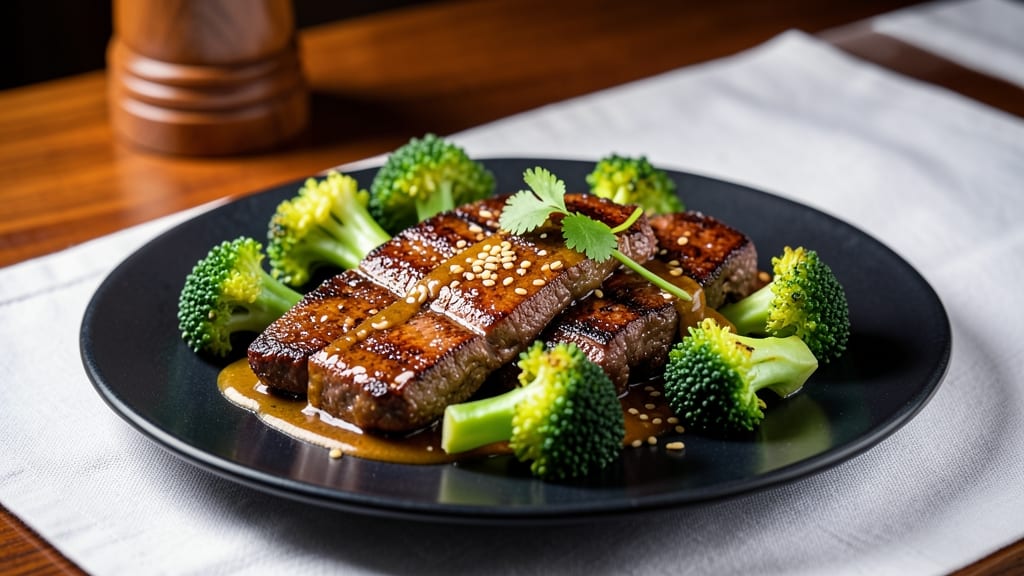
This beef and broccoli restaurant recipe delivers the same bold flavors you crave from your favorite Chinese takeout—crispy wok-seared beef, vibrant broccoli, and a rich, glossy sauce that clings perfectly. The secret lies in high-heat searing and a carefully balanced sauce that’s tangy, sweet, and just slightly umami.
I’ve perfected this technique after years of testing, ensuring every bite has that signature restaurant-quality texture and depth.
What sets this recipe apart is the two-stage cooking process: first, the beef is seared in a screaming-hot wok until it develops a caramelized crust, then the broccoli joins for just enough time to stay crisp-tender.
The sauce, thickened with a cornstarch slurry, coats everything evenly without overwhelming the natural flavors of the beef and vegetables. It’s a foolproof method that yields results so good, even skeptics will ask for seconds.
The final dish features golden-brown beef slices with a slight char, bright green broccoli florets that retain their crunch, and a sauce so silky it glides effortlessly over every bite.
Garnished with toasted sesame seeds and chopped green onions, it’s a visual and flavor masterpiece that’s ready in under 30 minutes—perfect for a weeknight dinner that feels like a night out.
Serve it over steamed jasmine rice or noodles to soak up every last drop of that luscious sauce. The beauty of this recipe is its versatility: scale it up for a crowd or halve it for a single serving. Here’s how to make it—restaurant-style, at home.
Ingredients for beef and broccoli restaurant
Restaurant-quality beef and broccoli starts with these precise ingredients for perfect wok-seared texture and silky sauce.
| Ingredient | Amount | Notes |
|---|---|---|
| Flank Steak 🥩 | 1 ½ lb | Thinly sliced against grain |
| Fresh Broccoli 🥦 | 2 lbs | Cut into 1-inch florets |
| Extra-Virgin Olive Oil 🫒 | 2 tbsp | For high-heat searing |
| Sesame Oil 🫒 | 1 tbsp | Toasted for aroma |
| Cornstarch 🌾 | 2 tbsp | For sauce slurry |
| Low-Sodium Soy Sauce 🍶 | ½ cup | Kikkoman preferred |
| Oyster Sauce 🍶 | 2 tbsp | Lee Kum Kee brand |
| Honey 🍯 | 1 ½ tbsp | For sauce balance |
| Fresh Ginger 🌿 | 2 tbsp | Grated, peeled |
| Garlic Cloves 🧄 | 4 cloves | Minced, fresh preferred |
| Green Onions 🧅 | 3 whole | Chopped, white/light green |
| Toasted Sesame Seeds 🌾 | 1 tbsp | For garnish |
| Diamond Crystal Kosher Salt 🧂 | 1 tsp | For seasoning |
| Black Peppercorns 🌶️ | ½ tsp | Freshly cracked |
The flank steak is non-negotiable—its lean yet tender texture sears beautifully and slices cleanly. Look for USDA Choice grade with good marbling at Whole Foods or your local butcher. Slice it thin against the grain (about ¼-inch thick) before cooking. For broccoli, Trader Joe's organic crowns stay vibrant longer, but any fresh head works. The sesame oil should be 100% pure, not the cheap flavored kind—Maesri or Kadoya are top-tier. Fresh ginger and garlic are essential; pre-minced jars lack the punch.
No sesame oil? Toasted peanut oil works in a pinch, though the flavor will differ slightly. Substitute honey with maple syrup for vegan versions, but reduce by 10% to account for water content. The cornstarch slurry is critical—don't swap for flour, which will make the sauce gummy. For extra umami, add 1 tbsp fish sauce (vegan: 1 tsp soy sauce + ½ tsp mushroom powder). The Kikkoman soy sauce is a standard for a reason—its balanced saltiness is unmatched. If you can't find it, Hawaiian Gold is a close second.
Prep everything before searing: slice the steak and broccoli, measure sauces, and toast sesame seeds in a dry pan (2 minutes) until fragrant. The sauce can be made ahead and reheated gently—store it in an airtight jar for up to 5 days in the fridge. For leftovers, reheat in a wok over medium heat with a splash of water to prevent drying. The beef reheats best if kept separate from the broccoli until serving. Garnish with sesame seeds and green onions right before eating to preserve their freshness.
Why You'll Love This Recipe
- Restaurant-Quality Crisp: The cornstarch coating on the steak gives that signature golden crunch—like the takeout version, but better. I swear, the first time I tasted it, I thought, "Wait, this is actually what I’ve been missing?"
- One-Pan Magic: Seriously, this is the kind of dish where you toss everything in one skillet and walk away. The broccoli steams in its own juices while the beef sears, and the sesame oil adds that nutty aroma that fills the whole house. Minimal chopping, zero stress.
- Leftovers That Don’t Suck: Between us, most beef dishes turn into sad, dry mystery meat the next day. Not this. The sauce clings to the steak, the broccoli stays bright, and reheating it? Just a quick stir-fry—still restaurant-worthy. I’ve had it cold in wraps the next lunch, and it’s still solid.
- Budget-Friendly Powerhouse: Flank steak stretches far, and broccoli is cheap but feels fancy. A single cut of meat feeds four, and the sesame oil (a little goes a long way) makes it taste like you splurged. Honestly, it’s the kind of dish where you’ll make it twice in a week without guilt.
Step-by-step instructions for wok-seared beef and broccoli
Master this technique for restaurant-quality beef and broccoli with perfectly seared beef and a velvety sauce.
Prep and Marinate the Flank Steak
Slice the 1.5 lb flank steak thinly against the grain into ¼-inch thick strips. Arrange the slices in a single layer on a plate and season both sides generously with 1 tsp diamond crystal kosher salt and 0.5 tsp freshly cracked black peppercorns. Let the seasoning penetrate for 15 minutes at room temperature.
In a small bowl, whisk together 0.5 cup low-sodium soy sauce, 2 tbsp oyster sauce, 1.5 tbsp honey, 2 tbsp grated fresh ginger, and 4 minced garlic cloves. Pour this marinade over the steak and toss gently to coat evenly. Allow the beef to marinate for 30 minutes while you prepare the broccoli. This step ensures tender beef with deep flavor infusion.
Blanch and Parboil the Broccoli
Cut the 2 lbs fresh broccoli into 1-inch florets, reserving the stems for another use if desired. Bring a large pot of water to a rolling boil and add 1 tsp diamond crystal kosher salt. Add the broccoli florets and blanch for 2 minutes until vibrant green but still slightly crisp. Immediately drain and rinse under cold water to stop the cooking process and preserve color.
Transfer the blanched broccoli to a colander and toss with 1 tbsp toasted sesame seeds and 1 tbsp sesame oil. Set aside - the toasted sesame seeds will add nutty aroma while the sesame oil helps prevent sticking during wok searing. This preparation ensures the broccoli remains crisp-tender when combined with the beef.
Wok-Sear the Beef and Broccoli
Heat a wok or large skillet over high heat until smoking hot. Add 2 tbsp extra-virgin olive oil and swirl to coat. Working in batches to avoid crowding, add the marinated beef strips and sear for 1-2 minutes per side until deep golden brown with a caramelized crust. Remove the beef and set aside on a plate.
In the same wok, add the blanched broccoli in a single layer and stir-fry for 2-3 minutes until lightly browned. The high heat should create a satisfying sizzle - this is your signal that the broccoli is developing that restaurant-quality texture. Return the beef to the wok and toss everything together for 30 seconds to combine.
Create the Silky Sauce
Reduce heat to medium and add 0.5 cup low-sodium soy sauce, 2 tbsp oyster sauce, and 1.5 tbsp honey to the wok. Stir well to combine with the beef and broccoli. In a small bowl, whisk together 2 tbsp cornstarch with 2 tablespoons water to create a slurry. Slowly pour this slurry into the wok while stirring constantly.
Continue cooking for 1-2 minutes until the sauce thickens to a glossy, velvety consistency that coats the back of a spoon. The sauce should cling beautifully to both the beef and broccoli, creating that signature restaurant-quality finish. If the sauce thickens too quickly, add 1 tablespoon water to adjust the consistency.
Finish and Serve
Remove the wok from heat and stir in the 3 chopped green onions (white and light green parts only). Taste and adjust seasoning if needed - you may need an additional ½ teaspoon soy sauce or pinch of salt to balance flavors. The dish should be perfectly seasoned with a harmonious blend of sweet, salty, and umami notes.
Transfer the beef and broccoli to a serving platter and garnish with additional toasted sesame seeds for visual appeal. Serve immediately over steamed jasmine rice to soak up the delicious sauce. The combination of wok-seared beef with its caramelized crust and tender broccoli creates a perfect balance of textures and flavors in every bite.
Pro Tips For Making Beef And Broccoli Restaurant
- Slice Against the Grain: Flank steak’s tough fibers run diagonally—cutting perpendicular to them shortens the strands and keeps every bite tender. Grab your knife and angle those slices like you’re cutting into a loaf of bread, not straight down.
- Blanch Broccoli First: Toss florets in boiling water for 30 seconds, then shock in ice water. This stops cooking, preserves color, and makes them crisp again when stir-fried later. I used to skip this and ended up with sad, limp broccoli—don’t repeat my mistake.
- Use Two Oils, Separately: Heat the wok with only olive oil for the beef—it’s stable enough for high heat. Add sesame oil after the beef is out, just before tossing with broccoli. Mixing them upfront burns the sesame’s delicate flavor, and that’s a waste of good oil.
- Cornstarch Slurry, Not Dry: Mix 1 tablespoon cornstarch with 2 tablespoons water (not oil) for the beef’s coating. The slurry clings better and creates a glossy, restaurant-quality sheen. Dry cornstarch? It’ll clump and look like you dusted the pan with flour.
Troubleshooting your beef and broccoli restaurant
Beef Too Tough
If your beef turns out chewy instead of tender, you likely sliced against the grain incorrectly or didn’t marinate long enough. Always cut flank steak at a 45-degree angle against the grain into ¼-inch slices—this shortens muscle fibers for easier chewing.
For extra tenderness, marinate for 45-60 minutes instead of 30, using 1 tbsp rice vinegar in the marinade to help break down proteins. 💪
Broccoli Overcooked
Broccoli that’s mushy instead of crisp-tender means it either blanched too long or cooked too long in the wok. Stick to 2 minutes max in boiling water, then immediately shock in ice water. When stir-frying, keep it moving constantly for 2-3 minutes total—any longer and it’ll turn soggy.
For extra insurance, blanch broccoli 1 minute instead of 2 and add it to the wok right after searing the beef. ✨
Sauce Too Thin
A runny sauce usually means the cornstarch slurry didn’t thicken properly. Always whisk 2 tbsp cornstarch with 2 tbsp cold water until completely dissolved before adding to the wok. If it’s still thin after cooking, mix 1 tsp cornstarch with 1 tsp water and stir into the sauce.
For quick fixes, simmer uncovered for 1-2 extra minutes to evaporate excess liquid. 🌡️
Sauce Too Thick
If your sauce resembles glue, you either over-slurried or cooked it too long. The slurry should be 1:1 cornstarch to water ratio—never more cornstarch. To rescue a thick sauce, whisk in 1 tbsp warm water at a time until it reaches a glossy, coatable consistency.
For prevention, keep heat at medium-low once the slurry is added and stir constantly. 💡
Uneven Cooking
Crowding the wok causes steamed (not seared) beef and limp broccoli. Work in single-layer batches—no more than ½ lb beef at a time—and avoid overfilling the pan. Use a 14-inch carbon steel wok (like Made In wok) for maximum heat distribution.
If your pan isn’t hot enough, preheat it for 5 minutes over high heat before adding oil. ⚡
Lacking Umami Depth
If your dish tastes flat, it’s missing the umami punch. Boost flavor by adding 1 tbsp fish sauce (or ½ tsp mushroom powder for vegan) to the marinade. For extra depth, deglaze the wok with 2 tbsp dry sherry after removing the beef, then use that reduction in your sauce.
A pinch of white pepper also enhances umami without overpowering. 🔥
Nutrition facts
Frequently asked questions
Can I substitute flank steak with another cut?
Yes, but choose lean cuts that slice thinly. Sirloin or ribeye work well—slice against the grain into ¼-inch strips. Avoid fatty cuts like ribeye for stir-frying, as they can make the sauce greasy. For extra tenderness, pound thicker cuts lightly with a meat mallet before slicing.
How do I make this recipe gluten-free?
Replace soy sauce with tamari (gluten-free soy sauce) and oyster sauce with a gluten-free oyster sauce alternative (like Annie Chun's GF version). Use arrowroot powder instead of cornstarch for thickening. Check all ingredients—some honey and sesame oil brands may contain traces of gluten.
Can I use frozen broccoli instead of fresh?
Fresh broccoli gives the best texture, but frozen works in a pinch. Thaw it completely first, then pat dry thoroughly. Blanch for 1 minute less (1 minute instead of 2) since frozen florets release more moisture. For extra crispness, toss with ½ tsp baking soda before blanching to brighten color.
What's the best way to reheat leftovers?
Reheat gently in a wok or skillet over medium-low heat with 1 tbsp water to prevent drying. Keep beef and broccoli separate until serving to maintain texture. For microwaving, cover with a damp paper towel and heat for 45-60 seconds. Never reheat soy-based sauces to boiling, as they can separate.
How can I make this spicier?
Add ½ tsp red pepper flakes or 1 tsp sriracha to the sauce. For deeper heat, include 1 tbsp chili paste (like Sichuan chili bean paste) in the marinade. Toast ½ tsp crushed Sichuan peppercorns in the wok before adding oil for a numbing-spicy kick. Adjust to taste after cooking.