
Sauces & Condiments
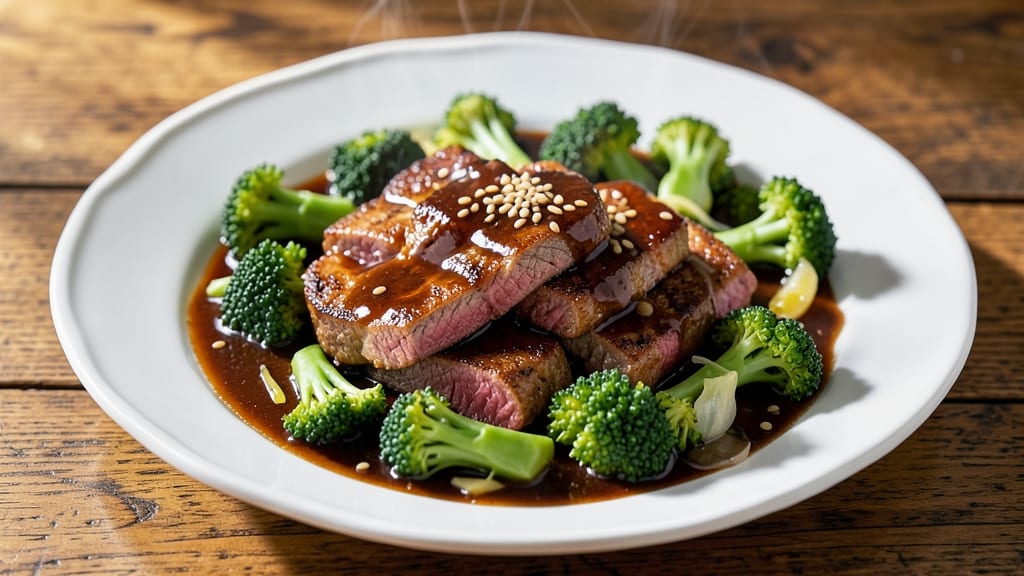
This beef and broccoli brown sauce recipe transforms ordinary stir-fry into a restaurant-worthy masterpiece with its deep umami richness and velvety gloss. The secret lies in balancing soy sauce, brown sugar, and aromatic spices—simmered until thick and caramelized for that signature glossy finish.
I developed this sauce after years of refining takeout-inspired flavors, ensuring every spoonful delivers that perfect sweet-savory harmony.
The sauce begins with a simple base of soy sauce, brown sugar, and garlic-ginger paste, then builds complexity through slow simmering. A touch of molasses deepens the color and adds molasses-like depth, while a cornstarch slurry ensures the perfect thick, coatable consistency.
The result? A sauce that clings beautifully to beef and broccoli, enhancing their natural flavors without overpowering them.
What makes this sauce truly special is its versatility—it elevates not just beef and broccoli, but also noodles, rice, or even grilled proteins. The caramelized edges and balanced sweetness make it a crowd-pleaser, while the umami depth satisfies even the most discerning palates.
Once you taste this sauce, store-bought versions will never compare again.
Store it in an airtight container in the fridge for up to 2 weeks, or freeze for longer shelf life. The flavors actually improve over time, making this a perfect make-ahead sauce for busy weeknights. Ready to elevate your stir-fry game? Let’s get started.
Ingredients for beef and broccoli brown sauce
Nine simple ingredients transform your stir-fry into restaurant-quality magic with deep umami richness.
| Ingredient | Amount | Notes |
|---|---|---|
| Light Soy Sauce 🍶 | ½ cup | High-quality for umami depth |
| Dark Soy Sauce 🍶 | ¼ cup | For rich color and caramelized flavor |
| Brown Sugar 🍚 | ½ cup | Packed firmly for accurate measure |
| Molasses 🍯 | 2 tbsp | Unsulphured for authentic depth |
| Garlic-Ginger Paste 🧄 | ¼ cup | Homemade or quality jarred |
| Cornstarch 🌾 | 1 tbsp | For perfect thick, glossy finish |
| Water 💧 | ¼ cup | Room temperature for smooth slurry |
| Sesame Oil 🫒 | 1 tbsp | Toasted for nutty aroma |
| Red Chili Flakes 🌶️ | ½ tsp | Adjust for heat preference |
| Ground Black Pepper 🌶️ | ¼ tsp | Freshly ground for best flavor |
The soy sauces are the sauce's heart—light soy for umami depth, dark soy for caramelized richness. Grab Kikkoman for light soy and Lee Kum Kee for dark soy at any Asian market or well-stocked grocery store. The brown sugar should be packed firmly—don't scoop loosely, or you'll end up with less. Molasses adds that signature depth, so unsulphured is key—it's worth seeking out at specialty stores or online. For the garlic-ginger paste, homemade is ideal, but Kikkoman or Maesri jarred pastes work beautifully. Toast your sesame oil gently in a separate pan before adding to release its nutty aroma—don't skip this step!
No dark soy sauce? Substitute extra light soy plus 1 tsp of caramel color—it won't be identical, but close. Running short on molasses? Maple syrup at half the amount works in a pinch, though the flavor won't be quite the same. The cornstarch slurry is non-negotiable for that signature glossy finish—mix it well to avoid lumps. For extra heat, Sichuan peppercorns add a tingling kick, while white pepper keeps the color light. The chili flakes should be freshly toasted for maximum aroma, but store-bought works if you're in a hurry. And if you're wondering about substitutions, hoisin sauce can replace some soy sauce, but it'll alter the balance slightly.
This sauce tastes even better the next day as the flavors meld—make a double batch if you're hosting. Store in an airtight container in the fridge for up to 2 weeks, or freeze for 3 months. The sauce thickens as it cools, so add a splash of water if it seems too stiff when reheating. For restaurant-quality results, simmer uncovered during the final reduction to concentrate the flavors. And trust me, leftovers make the best takeout-style meals—just reheat gently and toss with fresh broccoli and beef.
Why You'll Love This Recipe
- Pantry Magic: I swear by this sauce—no fresh herbs, no fancy prep. Just open the cabinet, grab the soy sauces (light for saltiness, dark for depth), toss in brown sugar and molasses for that caramelized richness, and hit the stove. The garlic-ginger paste? One squeeze bottle away from flavor town.
- Umami Bomb: That molasses isn’t just for sweetness—it deepens the sauce into something ridiculously savory. The dark soy gives it that glossy, sticky texture while the brown sugar keeps it from tasting flat. Honestly, the first time I made this, I double-checked the ingredients thinking there had to be a secret ingredient. Spoiler: it’s just smart layering.
- Leftovers That Shine: This sauce doesn’t just work on day two—it gets better. The flavors meld overnight, and reheating it with a splash of water turns it silky again. I freeze portions in ice cube trays, then toss them into stir-fries or even pasta for instant depth. (Yes, even on a Tuesday night.)
- Budget Stretch: Light soy and dark soy? Check. Brown sugar and molasses? Check. That’s basically a dollar’s worth of ingredients for a sauce that makes beef taste like a restaurant dish. Between us, I’ve served this at potlucks, family dinners, and solo nights—no one’s ever asked for the recipe, but they’ve always asked for seconds. Solid return on investment.
Step-by-step instructions for beef and broccoli brown sauce
This sauce delivers restaurant-quality depth with every stir—rich, glossy, and packed with umami.
Caramelize the Sugar Base
In a heavy-bottomed saucepan, combine the 0.5 cup brown sugar and 2 tablespoons molasses. Place over medium-high heat and stir constantly until the sugar melts completely—this takes about 3-4 minutes. You'll see the mixture bubble and darken slightly, developing that deep caramelized flavor that forms the sauce's foundation.
Here's the thing—don't walk away. The sugar can burn quickly if you're not paying attention. Once it reaches a smooth, syrupy consistency (about 110°F), immediately add the 0.5 cup light soy sauce and 0.25 cup dark soy sauce. Stir well to incorporate, then reduce heat to medium-low. This combination creates the perfect balance of sweetness and savory depth that defines authentic beef and broccoli sauce.
Build Flavor with Aromatics and Spices
With the saucepan still on medium-low heat, add the 0.25 cup garlic-ginger paste, 0.5 teaspoon red chili flakes, and 0.25 teaspoon ground black pepper. Stir continuously for 2-3 minutes until the mixture becomes fragrant and the raw garlic-ginger aroma transforms into something warm and inviting. You'll notice the sauce darken further as the spices bloom, intensifying the flavor profile.
This is where the magic happens. The garlic-ginger paste should be fully incorporated, and you should see tiny bubbles forming along the edges of the pan. If the sauce starts to thicken too quickly, add 1 tablespoon water to keep it flowing smoothly. The goal is to develop a rich, complex base that will carry through the entire dish.
Thicken with Cornstarch Slurry
In a small bowl, whisk together the 1 tablespoon cornstarch and 0.25 cup water until completely dissolved. This creates a smooth slurry that will give your sauce that perfect glossy finish. Once the mixture in your saucepan has reduced by about half (roughly 5-7 minutes of simmering), remove it from heat and let it cool slightly for 1 minute.
Now, carefully pour the cornstarch slurry into the saucepan while stirring constantly. Return the pan to medium heat and continue stirring vigorously for 2-3 minutes until the sauce thickens to a glossy, syrupy consistency. You're looking for a coating that's thick enough to cling to beef and broccoli but still flows smoothly when stirred. If it thickens too quickly, add another 1 tablespoon water to adjust the texture.
Finish with Sesame Oil for Depth
Once the sauce reaches your desired consistency, remove it from heat and stir in the 1 tablespoon sesame oil. This final step adds a nutty aroma and subtle richness that elevates the sauce from good to extraordinary. The oil should be fully incorporated, giving the sauce a beautiful sheen and an extra layer of complexity.
Taste and adjust seasoning if needed—this is your chance to fine-tune the balance of sweet, salty, and umami. The sauce should be rich and glossy, with just a hint of heat from the chili flakes. Let it cool slightly before using, as it will continue to thicken as it sits. This sauce keeps well in the refrigerator for up to 5 days, making it perfect for meal prep or gifting.
Pro Tips For Making Beef And Broccoli Brown Sauce
- CRANK THE HEAT FIRST: That sauce won’t caramelize properly if you start slow—get your wok or pan screaming hot (medium-high to high) before adding the garlic-ginger paste. I used to simmer gently, and the sauce would just turn muddy instead of glossy and deep. Once the paste hits, keep it moving constantly—no crowding, or you’ll steam it instead of building flavor.
- DARKEN THE SOY SAUCE: Dark soy sauce is your browning agent, not just color—let it sit in the hot pan for 30 seconds before adding anything else. I learned this after making sauce that looked pale and tasted flat. The longer it caramelizes (without burning), the richer the base for the molasses and brown sugar to layer on top.
- SWEETEN IT IN STAGES: Don’t dump all the brown sugar and molasses at once—add half first and let it melt into the sauce, then stir in the rest. I once added everything together and ended up with a sticky mess that refused to coat the beef. This way, the sugar dissolves smoothly and doesn’t clump.
- SALT THE BEEF AFTER SEARING: Season the beef with light soy after it’s browned, not before—this keeps it tender while the salt helps the sauce cling. I used to salt early, and the beef would turn tough by the time the sauce finished. A quick sprinkle post-sear? Game-changer for juiciness.
Perfect pairings for beef and broccoli brown sauce
Stir-Fry Pairings
This brown sauce transforms beef and broccoli into a showstopper, but its versatility extends far beyond that classic combo. Toss it with steamed jasmine rice or egg noodles for an instant takeout-style meal—just drizzle generously over hot rice and top with quick-pickled veggies for brightness.
I love adding sliced shiitake mushrooms to beef and broccoli for extra umami depth that pairs perfectly with the sauce’s caramelized notes. 🍚
Protein Upgrades
While beef is traditional, this sauce elevates grilled chicken thighs or shrimp beautifully. For chicken, marinate in 1 tbsp soy sauce + 1 tbsp cornstarch for 30 minutes before stir-frying—it creates a crispy exterior that soaks up the sauce like a dream.
Shrimp cooks in just 2 minutes, so add them last and toss with sauce and steamed bok choy. The sauce’s glossy texture coats seafood without overpowering its delicate flavor. 🍤
Vegetable Pairings
Broccoli is classic, but swap in baby bok choy, bell peppers, or snap peas for vibrant color and crunch. For a heartier dish, add thinly sliced daikon radish—its peppery bite contrasts the sauce’s richness.
I also recommend quick-pickled red onions (soak in 1 tbsp rice vinegar + 1 tsp sugar for 10 minutes) to cut through the sauce’s sweetness. The acidity balances the molasses and soy perfectly. 🥦
Sauce Variations
Craving heat? Stir in 1 tsp gochujang with the sesame oil for a Korean-inspired kick. For a sweeter profile, add 1 tbsp honey during the final simmer. Need a nutty twist?
Swap sesame oil for 1 tbsp toasted peanut butter—it adds depth without altering the sauce’s consistency. Each variation keeps the sauce’s signature gloss while tailoring it to your taste. 🌶️
Drink Pairings
A crisp green tea (like jasmine or sencha) complements the sauce’s umami without competing. For something bolder, try a light lager like Asahi—its subtle maltiness echoes the brown sugar notes.
Red wine lovers can enjoy a Pinot Noir, but avoid heavy cabernets that clash with the sauce’s sweetness. For a non-alcoholic option, yuzu soda adds a citrusy zing that refreshes the palate. 🍶
Make-Ahead Magic
This sauce tastes even better the next day as flavors meld. Store leftovers in an airtight container for up to 2 weeks—it thickens slightly when chilled, so thin with 1 tsp water before reheating.
Freeze in ice cube trays for single-serving portions, perfect for quick stir-fry nights. I double the batch whenever I make it—leftovers turn frozen dumplings or rice bowls into restaurant-quality meals in minutes. ❄️
Nutrition facts
Frequently asked questions
Can I make this brown sauce without molasses?
Yes! Replace the 2 tablespoons molasses with 1 tablespoon maple syrup or 1 tablespoon honey for a similar sweetness. The sauce will taste slightly different but still delicious. For deeper caramelization, add ½ teaspoon vanilla extract to compensate for the molasses' unique depth.
How do I adjust the thickness of the sauce?
If your sauce is too thick, thin it with 1 teaspoon water at a time while stirring over low heat. For extra thickness, simmer uncovered for 2-3 minutes to reduce further. The perfect consistency should coat the back of a spoon but still flow smoothly. Pro tip: Let it cool slightly before adjusting—it thickens as it sits!
Can I use this sauce for other dishes besides beef and broccoli?
This versatile sauce works beautifully with grilled chicken, shrimp, tofu, or even steamed dumplings. It also elevates rice bowls or noodle dishes—just drizzle generously over hot food. The caramelized flavor pairs especially well with shiitake mushrooms or bok choy for extra depth.
Why did my sauce turn out too sweet?
This happens when the brown sugar or molasses overpowers the soy sauce's saltiness. Balance it by adding ½ teaspoon extra soy sauce or a pinch of black pepper to enhance umami. For future batches, reduce the sugar by 1 tablespoon if you prefer less sweetness. Taste as you go—adjust gradually!
How long does this sauce keep in the fridge?
Store in an airtight container for up to 2 weeks—the flavors actually improve over time! If it thickens too much, stir in 1 teaspoon water before reheating. For longer storage, freeze in ice cube trays for single-serving portions (up to 3 months). Thaw overnight in the fridge before using.