
Sauces & Condiments
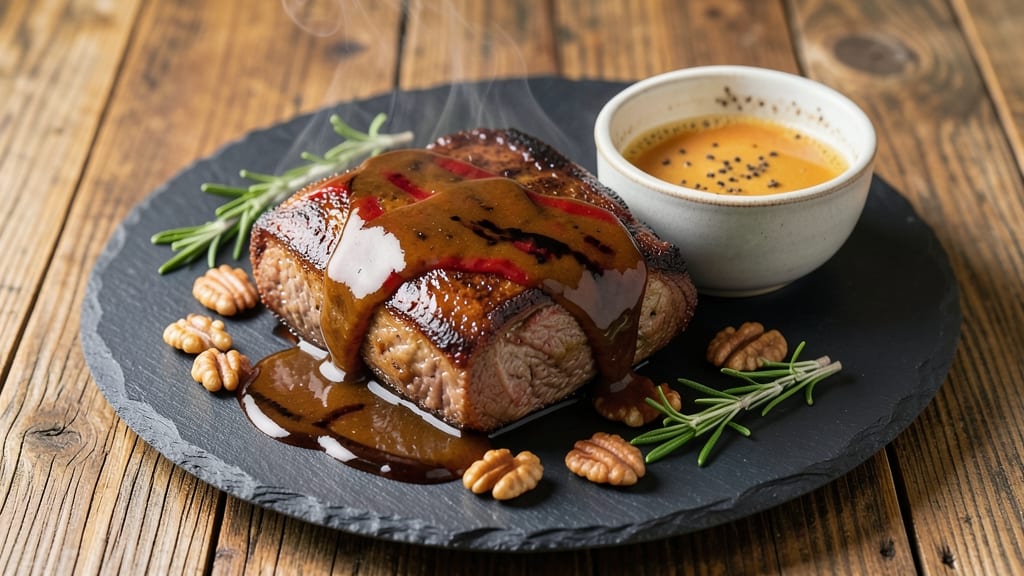
This BBQ sauce recipe for beef roast transforms tough cuts into melt-in-your-mouth perfection with a deep, smoky glaze that clings like a second skin. 🔥 I developed it after years of perfecting the balance between sweet, tangy, and smoky—something that enhances beef without overpowering its natural richness.
The secret lies in slow-cooked tomato paste and molasses, which caramelize into a rich, sticky base while smoked paprika and garlic powder build layers of depth.
What sets this sauce apart is its versatility and storage life—it keeps for weeks in the fridge, making it perfect for meal prep or bulk cooking. The vinegar cut balances the sweetness, while a touch of liquid smoke (or smoked paprika) delivers that unmistakable barbecue aroma.
It’s the kind of sauce that turns a simple roast into a showstopper, with a glossy finish that locks in moisture and flavor at every bite. The result is a deep, smoky glaze that caramelizes beautifully on beef, creating a crust that’s both tender and slightly crisp.
It’s rich enough to stand alone but flexible enough to complement any beef cut—whether you’re slow-roasting a brisket or searing a ribeye. The sauce’s complexity comes from the spices: smoked paprika for warmth, mustard for tang, and a hint of cayenne for just enough heat.
Use it as a finishing glaze, a basting sauce, or even a dip for roasted vegetables. Here’s how to make it—simple, storable, and guaranteed to elevate your beef roast to restaurant-quality levels.
Ingredients for bbq sauce recipe for beef roast
Eleven simple ingredients create a sauce that transforms beef roast into a restaurant-worthy masterpiece.
| Ingredient | Amount | Notes |
|---|---|---|
| Tomato Paste 🍅 | ½ cup | San Marzano preferred for sweetness |
| Molasses 🍯 | ¼ cup | Unsulphured for richer flavor |
| Apple Cider Vinegar 🍏 | ¼ cup | Balances sweetness perfectly |
| Smoked Paprika 🌶️ | 2 tbsp | High-quality for smoky depth |
| Garlic Powder 🧄 | 1 tbsp | Freshly ground preferred |
| Dijon Mustard 🍽️ | 1 tbsp | For tangy depth |
| Cayenne Pepper 🔥 | ½ tsp | Adjust for heat preference |
| Liquid Smoke 💨 | 1 tbsp | Or smoked paprika for less intensity |
| Brown Sugar 🍚 | ½ cup | Light or dark works fine |
| Kosher Salt 🧂 | 1 tsp | Diamond Crystal preferred |
| Black Pepper 🌶️ | ½ tsp | Freshly ground for best flavor |
The tomato paste is your flavor foundation—San Marzano is ideal, but any quality paste works. I grab mine from Whole Foods in the canned goods aisle, but the regular supermarket stuff is fine too. Molasses adds that deep, caramelized sweetness that's essential for that classic BBQ taste. Unsulphured is the way to go if you can find it, but regular molasses works in a pinch. The apple cider vinegar might sound odd, but it's what cuts through all that sweetness to keep the sauce balanced—Bragg is my go-to brand, but any good-quality vinegar works.
No liquid smoke? Double the smoked paprika—it won't be identical, but you'll still get that smoky vibe. Running low on molasses? Maple syrup at half the amount works in a bind, though it won't be quite the same. The brown sugar can be swapped for white sugar if that's what you've got, but the molasses gives it that extra depth. For the spices, Penzeys or the bulk bins at natural food stores are my first choices, but the regular grocery store stuff is perfectly fine. Just make sure none of your spices smell stale—if they do, toss them.
This sauce gets better with time—make a big batch and store it in the fridge for up to 4 weeks. The flavors meld and deepen, making it perfect for meal prep. For freezing, portion into ice cube trays—just pop out what you need and thaw at room temperature. I always make extra because it disappears so fast. The sauce thickens as it cools, so you might want to add a splash of water if it gets too thick when reheating.
Why You'll Love This Recipe
- Pantry Magic: I swear by this sauce because it uses stuff I already have—no last-minute grocery runs. That molasses? It’s the secret weapon here, giving it this deep, caramelized richness without needing fancy ingredients.
- Smoky-Sweet Glow: The smoked paprika and apple cider vinegar team up for a flavor that’s ridiculously good—tangy enough to cut through the beef’s richness, but sweet enough to make everyone ask for seconds. Honestly, it’s the kind of sauce that turns a simple roast into something special.
- Leftovers That Shine: This sauce doesn’t just disappear after one meal. I’ve used the extras to glaze chicken thighs, drizzle over baked potatoes, or even mix into mashed potatoes. (Yes, even on a Tuesday night.)
- Weeknight Hero: Between us, this is my go-to when I’m roasting a big cut of beef but don’t want to spend hours in the kitchen. Toss it on, bake it, and let the oven do the work—minimal effort, maximum flavor.
Step-by-step instructions for BBQ sauce that locks in flavor
Here's how to make a rich, smoky glaze that'll transform your beef roast into a showstopper.
🍳 Step 1: Build the Sauce Base with Tomato Paste and Molasses
In a medium saucepan, combine the 0.5 cup tomato paste with the 0.25 cup molasses over medium heat. Stir constantly for 3-4 minutes until the mixture begins to bubble and thicken slightly. This is where the deep, complex flavors start developing—the molasses adds that rich, caramel-like sweetness that'll balance the smoky elements later.
Here's the thing—I like to press the tomato paste through a fine-mesh strainer at this stage to remove any lumps. It might seem like overkill, but it ensures a silky-smooth sauce that'll coat your beef perfectly. Keep stirring occasionally to prevent sticking, and don't walk away; tomato paste can burn quickly.
🍳 Step 2: Add Vinegar, Mustard, and Liquid Smoke for Tang and Depth
Pour in the 0.25 cup apple cider vinegar and 1 tbsp Dijon mustard, stirring vigorously to combine. The vinegar will create a slight sizzling sound as it reacts with the hot base—this is normal and actually helps distribute the flavors. Then add the 1 tbsp liquid smoke and 2 tbsp smoked paprika, stirring well to incorporate.
This is where the sauce really comes alive. The vinegar cuts through the sweetness while the liquid smoke and smoked paprika deliver that unmistakable BBQ flavor. Let the mixture simmer for 2-3 minutes until it starts to thicken slightly and the raw smell of the spices dissipates. You should notice a beautiful, deep amber color developing.
🍳 Step 3: Sweeten and Season to Perfection
Add the 0.5 cup brown sugar, 1 tsp kosher salt, 0.5 tsp cayenne pepper, and 1 tbsp garlic powder. Stir constantly for 5 minutes until the sugar dissolves completely and the sauce thickens to a glossy, syrup-like consistency. You're looking for a sauce that coats the back of a spoon but still flows freely—it should be thick enough to cling to your beef but thin enough to glaze.
I always taste at this stage and adjust the seasoning. If it needs more heat, add a pinch more cayenne. If it's too sweet, a splash more vinegar balances it. The sauce should be sweet, smoky, tangy, and just slightly spicy—like a perfect BBQ flavor bomb. Let it simmer uncovered for another 2-3 minutes to reduce slightly and intensify the flavors.
⏰ Step 4: Cool and Thicken for Glazing Perfection
Remove the sauce from heat and let it cool for 10 minutes at room temperature. This resting period is crucial—it allows the flavors to meld completely and gives the sauce time to thicken naturally. I know it's tempting to use it immediately, but trust me, the wait makes all the difference.
Once cooled, give it one final stir. The sauce should now be at that perfect consistency—thick enough to cling to your beef but still glossy enough to glaze beautifully. If it's too thick, thin with 1-2 teaspoons water at a time until it reaches your desired consistency. Transfer to a clean jar and store in the refrigerator for up to 2 weeks or freeze for up to 3 months.
Pro Tips For Making Bbq Sauce Recipe For Beef Roast
- SIMMER LOW AND SLOW: That molasses and tomato paste combo needs time to mingle—don’t rush it. After combining everything, keep the heat at a gentle simmer (small bubbles, barely there) for at least 15 minutes. I used to crank it up, and the sauce would turn bitter faster than you could say "overcooked." Let it work its magic, and you’ll get that deep, balanced flavor instead of a burnt syrup.
- WHISK IN THE VINEGAR LAST: Apple cider vinegar is the flavor wildcard here, so add it near the end. Stirring it in too early can make the sauce taste sharp and unfinished. Wait until the tomato paste and molasses have softened and darkened—about 10 minutes into simmering—then pour it in. This keeps the acidity bright without overpowering the smoky depth.
- STRAIN THE SMOKED PAPRIKA: Smoked paprika is your secret weapon, but cheap brands leave gritty bits that scratch your teeth. Buy a good one (like ancho or chipotle powder), then sift it through a fine-mesh strainer before adding it to the sauce. I learned this the hard way after choking on a mouthful of paprika while eating my roast—now I strain it like I’m making a fine sauce, because I am.
- SWEAT THE GARLIC FIRST: Don’t just sprinkle garlic powder—bloom it in a dry pan for 30 seconds until fragrant. Toss that into the sauce before adding the vinegar, and the flavor will be richer. Garlic powder is convenient, but fresh (or even pre-toasted) garlic adds a complexity that powder can’t match. If you’re lazy, at least toast the powder in the pot for a minute before liquid hits it.
Troubleshooting this recipe
Sauce Too Thin?
If your sauce ends up too thin after simmering, don’t panic—simmer uncovered for an extra 5-10 minutes to reduce it. The key is patience; let it thicken naturally without stirring constantly, which can prevent the sauce from reaching its ideal consistency.
For a quick fix, mix 1 tsp cornstarch with 1 tbsp cold water and stir it in while simmering until it thickens. 🔥
Sauce Too Thick?
If your sauce is too thick after cooling, thin it gradually with 1 tsp water at a time while stirring. Avoid adding too much at once—you can always thicken it later. For a smoother texture, strain the sauce through a fine-mesh sieve to remove any clumps or undissolved sugar.
I’ve found that reheating the sauce gently on low heat helps restore its glossy finish if it becomes too stiff from storage.
Burnt or Bitter Flavor?
If your sauce tastes burnt or overly bitter, it likely sat too long on high heat. Next time, keep the heat at medium-low and stir frequently to prevent burning. For a quick fix, balance the bitterness by adding 1 tsp honey or maple syrup to sweeten it out.
A splash of apple cider vinegar can also help restore balance to the flavors.
Lacking Smoky Depth?
If your sauce isn’t smoky enough, try adding ½ tsp extra liquid smoke or 1 tbsp more smoked paprika and simmer for another 2-3 minutes.
For a deeper smoky flavor, you can even char a small piece of bread, add it to the sauce, and simmer for 5 minutes—this adds a subtle smokiness without overpowering the other flavors. 💨
Sauce Separating?
If your sauce separates—like oil floating on top—it’s likely due to too much fat or improper mixing. Stir in 1 tbsp Dijon mustard or a pinch of xanthan gum to help emulsify it.
For a smoother texture, blend the sauce briefly with an immersion blender to recombine the ingredients. This is especially common if you used too much molasses or oil.
Not Sticky Enough?
For a more adhesive glaze, reduce the sauce longer or add 1 tbsp corn syrup or honey to increase stickiness. The sauce should coat the back of a spoon but still glaze smoothly.
If it’s too runny, simmer it uncovered for an extra 5 minutes—this helps the sugars caramelize and create a thicker, stickier texture perfect for roasts.
Nutrition facts
Frequently asked questions about this beef roast BBQ sauce
Can I use this sauce for other meats besides beef?
This rich, smoky glaze works beautifully on pork shoulder, chicken thighs, or even lamb chops. The molasses and brown sugar caramelize perfectly on these meats too, though you might want to reduce the cayenne slightly for poultry. I've used it on turkey legs for Thanksgiving with fantastic results.
How do I store leftover sauce?
Transfer cooled sauce to airtight containers and refrigerate for up to 2 weeks. For longer storage, freeze in ice cube trays—just pop out what you need and thaw at room temperature. The flavors actually improve with time, so make a big batch and keep it on hand for quick glazing.
What's the best way to apply the sauce to beef roast?
For maximum flavor penetration, brush on a thin layer during the last 30 minutes of cooking. For a glossy finish, apply a final thick coat right before serving. Pro tip: If your roast is very thick, start with a thin layer to prevent burning before adding more sauce later.
Can I make this sauce without liquid smoke?
Yes! Simply double the smoked paprika to 4 tbsp and add ½ tsp of chipotle powder for extra depth. The flavor won't be identical, but you'll still get that wonderful smoky character. I've made this version when traveling and it's always been a hit.
Why does my sauce taste bitter?
Bitterness usually means the sauce simmered too long or the heat was too high. Next time, keep the heat at medium-low and stir constantly. To fix it, balance with 1 tsp honey or maple syrup and a splash of apple cider vinegar. The sauce should have sweet, smoky, and tangy notes—not just bitterness.