
Sauces & Condiments
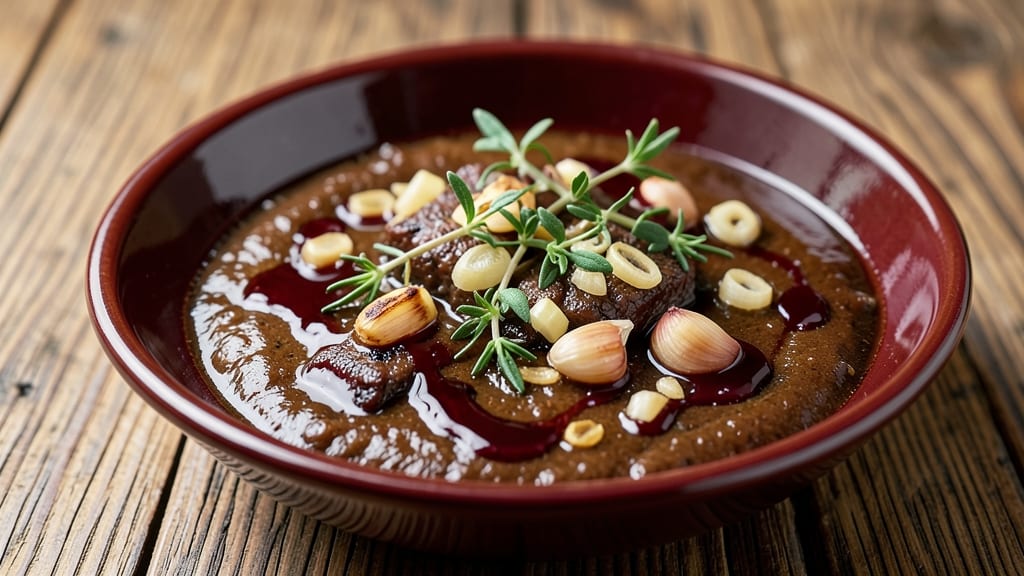
This beef basting sauce transforms simple pan drippings into a moist, caramelized masterpiece that elevates every cut of beef. 🔥 The secret lies in capturing and enhancing those rich, flavorful juices that would otherwise disappear—turning them into a glossy, aromatic sauce that bastes meat to perfection during cooking.
What starts as humble browned bits becomes a velvety, herb-infused sauce packed with depth and complexity.
The beauty of this recipe is its simplicity: just a few pantry staples—like red wine, beef broth, and fresh herbs—simmered together until reduced to a rich, syrupy consistency. Unlike store-bought sauces, this one is built from scratch, ensuring every spoonful carries the essence of your beef.
The process is straightforward—simmer, strain, and baste—but the results are undeniably restaurant-quality.
What you’ll achieve is beef that’s not just cooked to perfection but moist and deeply flavorful, with a caramelized crust that locks in every bit of savory goodness. The sauce clings beautifully to the meat, creating a glossy finish that’s as impressive to look at as it is to taste.
It’s the kind of sauce that turns a simple weeknight dinner into something extraordinary.
Best of all, this sauce can be made ahead of time, giving you one less thing to worry about when you’re ready to cook.
Whether you’re searing steaks, roasting a prime rib, or slow-cooking a brisket, this beef basting sauce will be your secret weapon for achieving juicy, caramelized results every time.
Ingredients for beef basting sauce
Pantry staples and pan drippings—this sauce transforms humble ingredients into velvety, caramelized magic.
| Ingredient | Amount | Notes |
|---|---|---|
| Pan Drippings 🥩 | 2 cups | From seared beef, strained |
| Red Wine 🍷 | ½ cup | Bold dry variety preferred |
| Beef Broth 💧 | 1 cup | Low-sodium preferred |
| Shallots 🧅 | 2 whole | Minced for depth of flavor |
| Garlic Cloves 🧄 | 4 cloves | Minced for aromatic punch |
| Fresh Thyme Leaves 🌿 | ¼ cup | Or 1 tbsp dried thyme |
| Fresh Rosemary 🌿 | ¼ cup | Chopped, stems removed |
| Tomato Paste 🍅 | 1 tbsp | Squeeze tube or canned |
| Balsamic Vinegar 🍶 | 1 tbsp | For depth and gloss |
| Extra-Virgin Olive Oil 🫒 | ¼ cup | For richness and finish |
| Diamond Crystal Kosher Salt 🧂 | 1 tsp | Adjust to taste |
| Freshly Ground Black Pepper 🌶️ | ½ tsp | For subtle heat |
The pan drippings are non-negotiable—they carry all that meaty flavor. Strain them immediately after searing to remove any bits, but don't rinse the pan. The browned fond left behind? That's pure flavor gold. For the wine, Cabernet Sauvignon or Merlot work best—they stand up to the beef's richness. Shallots and garlic? Fresh is key—dried just won't cut it here. I grab mine from the fresh produce section at Whole Foods or Trader Joe's, where they're always bright and firm. The thyme and rosemary should smell vibrant—if they're wilted or smell musty, skip them. For the tomato paste, Rao's or Barilla are my go-tos—they're smooth and consistent.
No red wine? Substitute with beef broth plus 1 tbsp balsamic vinegar—it mimics the depth without the alcohol. Fresh herbs wilted? Dried thyme and rosemary at half the amount work in a pinch, but the flavor won't be as bright. Short on tomato paste? Fresh crushed tomatoes at double the amount, but strain them well to avoid chunkiness. The olive oil matters here—use extra-virgin for that fruity richness. If you're making this ahead, reduce the wine and broth by 25% since the sauce will thicken further when reheated. For a quicker version, skip the tomato paste and add an extra splash of balsamic.
This sauce keeps beautifully—3-4 days in the fridge sealed in a jar, or 3 months frozen. I like to freeze it in ice cube trays for single-use portions—just pop one in when you're ready to baste. Reheat gently on the stovetop over low heat, stirring occasionally. If it thickens too much, add a splash of water or broth. The sauce tastes even better the next day as the flavors meld. Portion it into small jars if you're gifting it—every home cook should have this trick up their sleeve.
Why You'll Love This Recipe
- No Chopping Chaos: I swear by this—just toss in pre-minced shallots and garlic, no dice needed. The wine and broth do all the heavy lifting while I sip my coffee.
- Rich Without Effort: That first sip of pan drippings reduced with wine? Pure umami magic. It’s like someone else built the flavor for you—just simmer and serve.
- Leftovers That Shine: Make a double batch and store it; it’s my go-to for reheating steaks or tossing with roasted potatoes. Tastes even better the next day, honestly.
- Budget Booster: Uses what’s already in your fridge (hello, leftover drippings) and stretches to feed four for under $10. Fancy dinner on a tight night? Done.
Step-by-step instructions for beef basting sauce
Transform simple pan drippings into a rich, velvety sauce that locks in moisture and creates caramelized magic.
🍳 Step 1: Sauté Shallots and Garlic Until Golden
Heat the 0.25 cup extra-virgin olive oil in a medium saucepan over medium heat. Add the 2 whole shallots and 4 cloves garlic cloves that you've minced. Cook for 5-6 minutes until the shallots soften and turn golden brown—this develops their natural sweetness.
Here's the thing—don't rush this step. You're building flavor foundation, not just cooking. When you smell that sweet, nutty aroma, you're ready for the next ingredient. If the shallots start to brown too quickly, reduce heat slightly to prevent burning.
🍳 Step 2: Deglaze with Red Wine and Reduce
Pour in the 0.5 cup red wine and scrape up any browned bits from the bottom of the pan with a wooden spoon. This deglazing captures all the meaty flavor that would otherwise go to waste. Let the wine simmer for 3-4 minutes until reduced by half and the alcohol smell disappears.
I always use a bold dry red wine here—it adds depth without overpowering. If you see the sauce getting too thick, add a splash of beef broth (about 2 tablespoons) to keep it flowing. The goal is a syrupy consistency that will cling beautifully to your beef.
🥘 Step 3: Build the Sauce with Aromatics and Tomato
Stir in the 1 tbsp tomato paste, 1 tbsp balsamic vinegar, 0.25 cup fresh thyme leaves, and 0.25 cup fresh rosemary. Add the 2 cups pan drippings and bring to a gentle simmer. Cook for 8-10 minutes until the mixture thickens slightly and the herbs release their aromatic oils.
This is where the sauce transforms from good to extraordinary. The tomato paste adds umami depth, while the balsamic vinegar contributes a subtle tang. The fresh herbs should be just fragrant—not overcooked or bitter. Taste and adjust seasoning with 1 tsp diamond crystal kosher salt and 0.5 tsp freshly ground black pepper.
🔥 Step 4: Finish with Beef Broth and Reduce to Perfection
Pour in the 1 cup beef broth and simmer for another 5-6 minutes until the sauce reduces to a glossy, syrupy consistency. You want it thick enough to coat the back of a spoon but still flow freely when poured. This sauce should coat your beef like a second skin.
For that restaurant-quality finish, strain the sauce through a fine-mesh sieve to remove any herb stems or shallot bits. The result should be a velvety, deep-red sauce with layers of complexity—meaty richness from the drippings, wine's fruitiness, and the herbs' earthy notes. Taste again and adjust seasoning if needed.
⏰ Step 5: Use Immediately for Maximum Impact
Keep the sauce warm over low heat while you finish cooking your beef. The magic happens when you baste the meat with this sauce during the last 10 minutes of cooking, spooning it over the top and letting it caramelize into a glossy crust.
Here's my pro tip: Don't make this sauce too far in advance—it's best used fresh. If you need to reheat, do so gently over low heat, stirring occasionally to prevent skin formation. The perfect basting sauce should elevate your beef from good to showstopping, with that irresistible combination of moisture and caramelized crust.
Pro Tips For Making Beef Basting Sauce
- DEGLAZE HOT, NOT HURRY: The second that beef leaves the pan, hit the heat to medium-high and start scraping up those browned bits with a wooden spoon—don’t let them cool. I learned this the hard way: cold drippings turn into a gluey mess instead of a rich sauce. Work fast, but don’t rush—those bits dissolve best when the pan’s still piping.
- MINCE SHALLOTS FINE: Shallots add depth, but chunky pieces just sit there like sad little rocks. Pulse them in a food processor for 3-4 seconds, or finely chop them by hand—you’re aiming for almost paste-like texture. This isn’t gourmet theater; it’s about flavor dissolving into the sauce. (Yes, even if you’re impatient like me.)
- REDUCED WINE, NOT BOILED: Simmer the wine gently—no splattering, no rushing. If you crank the heat, you’ll end up with alcohol fumes and a sauce that tastes like vinegar. A slow, steady simmer (about 5 minutes) lets the alcohol cook off while keeping the wine’s fruitiness. Trust me, your sauce won’t forgive the microwave approach.
- STRAIN THE BROTH: Homemade or store-bought broth almost always has bits—sediment, herbs, or even tiny chunks of meat. Strain it before adding, or you’ll end up with a sauce that feels gritty. I skip this sometimes, but the texture is noticeably smoother when I don’t. (Your future self will thank you.)
Regional styles of these flavors
Classic American Style
In the US, this basting sauce shines brightest when paired with New York strip steaks or ribeye roasts. The bold red wine and beef broth create a rich, velvety glaze that caramelizes beautifully on the meat's surface.
I love adding 1 tbsp of Worcestershire sauce to the finished sauce for that classic American depth—it adds a touch of tangy complexity. Serve with mashed potatoes and roasted Brussels sprouts for a showstopping weeknight dinner. 🥩
French Bistro Technique
French chefs take basting sauces to another level by incorporating demi-glace into the reduction. After simmering the base, blend ½ cup of store-bought or homemade demi-glace with the sauce and reduce for an extra-rich finish.
The French also emphasize butter basting—add 2 tbsp cold butter at the end for a glossy, luxurious sheen. This version pairs perfectly with filet mignon or beef tenderloin. 🍷
Italian Rustic Approach
For an Italian twist, swap the red wine for ½ cup dry white wine and add 1 tsp dried oregano along with the thyme. Italian cooks often finish with 1 tbsp of high-quality olive oil and a pinch of red pepper flakes for heat.
This sauce works beautifully with bistecca alla fiorentina or slow-cooked braised beef. The acidity from the white wine cuts through the richness of the beef beautifully. 🌿
Texas BBQ Adaptation
In Texas, this sauce gets a smoky upgrade by adding 1 tbsp of smoked paprika and ½ cup of beef stock infused with 2 smoked oak chips (soaked in the broth for 30 minutes).
The result is a deep, smoky-sweet glaze perfect for brisket or beef ribs. Serve with creamy coleslaw and cornbread for a true Texas feast. The smoky notes complement the beef's natural richness. 🔥
Asian Fusion Twist
For an Asian-inspired version, reduce the wine and broth with 1 tbsp of soy sauce, 1 tsp grated fresh ginger, and 1 tsp sesame oil at the end. This sauce pairs wonderfully with Japanese-style beef skewers or Korean-style bulgogi.
The umami from the soy sauce and ginger adds a completely different but equally delicious dimension to the classic beef basting technique. 🌶️
British Game Sauce
British chefs often use this technique for venison or lamb, but it works beautifully with beef too. Add 1 tbsp of redcurrant jelly and 1 sprig of rosemary to the reduction for a fruity, herbaceous depth.
The British also love finishing with 1 tbsp of brandy for a warm, boozy note. This version is perfect for Sunday roasts or slow-cooked beef cheeks. 🥂
Nutrition facts
Frequently asked questions about beef basting sauce
Can I make this basting sauce without red wine?
Swap the 0.5 cup red wine with 0.5 cup beef broth plus 1 tbsp balsamic vinegar for similar depth. The vinegar mimics wine's acidity while keeping the rich, meaty flavor. For extra umami, add 1 tsp soy sauce to the broth mixture. The sauce will still reduce beautifully and work perfectly for basting.
How do I know when the sauce is ready for basting?
The perfect basting sauce should coat the back of a spoon but still flow freely when poured. It should be syrupy yet pourable, with a glossy finish that clings to the meat. Test it by spooning a small amount onto a cold plate—it should form a smooth, velvety puddle rather than spreading thin. This usually happens after 15-20 minutes of simmering.
What's the best way to store leftover basting sauce?
Store in an airtight container in the fridge for up to 4 days or freeze for 3 months. For easy reheating, freeze in ice cube trays—just pop one cube into your pan when ready to baste. When reheating, warm over low heat and stir occasionally to prevent skin formation. The sauce actually tastes better the next day as flavors meld!
Can I use this sauce for other meats besides beef?
While designed for beef, this sauce works beautifully with lamb, venison, or even pork chops. For poultry, reduce the wine by half and add 1 tsp lemon juice to brighten the flavor. The rich, herby profile complements game meats exceptionally well. Just adjust cooking times—poultry bastes faster due to its leaner nature.
Why did my sauce turn out too thin?
This usually happens from one of three issues: not reducing long enough, using too much liquid, or adding cold ingredients that dilute the heat. To fix it, simmer uncovered for 5-10 more minutes until thickened. For future batches, ensure you're using low-sodium broth (regular broth can add excess water) and strain all ingredients thoroughly to remove moisture. If it's still too thin, simmer with the lid slightly ajar to evaporate excess liquid.