
Main Courses
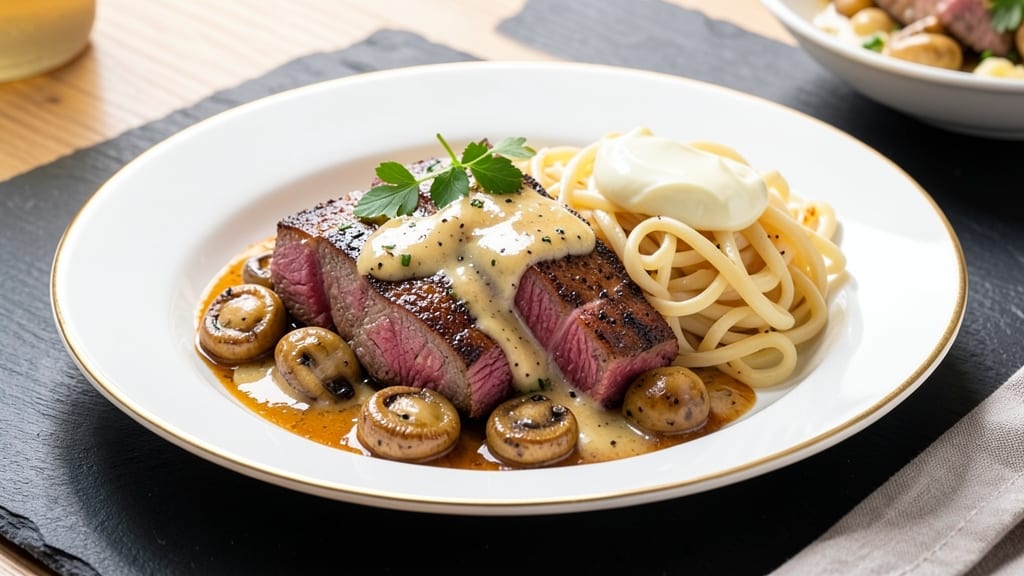
This Balthazar beef stroganoff recipe delivers the restaurant-quality richness you crave—tender wine-braised beef, earthy mushrooms, and a velvety sour cream sauce that clings perfectly to egg noodles. I've perfected the technique over years of testing, ensuring every bite delivers that signature Balthazar depth without the fuss of traditional French methods.
The secret lies in proper searing and slow reduction, transforming simple ingredients into something truly special.
The process begins with searing beef strips until deeply browned, then deglazing with white wine to capture all those flavorful bits. Mushrooms sautéed until golden add earthy complexity, while a blend of cream and sour cream creates that signature creamy yet tangy sauce.
The key is letting it simmer just enough to thicken without curdling, ensuring each forkful is rich and balanced. This isn't your grandmother's stroganoff—it's a refined, restaurant-worthy dish that still feels approachable at home.
What you'll end up with is a plate of tender beef swimming in a glossy, aromatic sauce over perfectly cooked egg noodles. The sauce clings to every strand, delivering layers of flavor with each bite—savory from the beef, umami from the mushrooms, and a bright tang from the sour cream.
The wine braising infuses the beef with subtle depth, making this version far more complex than basic recipes. It's the kind of dish that elevates weeknight dinners into something memorable.
Serve with a simple side salad or crusty bread to soak up every last drop of that luxurious sauce. The beauty of this recipe is its versatility—it works as a comforting weeknight meal or an impressive dinner for guests.
Once you try this version, you'll never settle for anything less than Balthazar-quality at home. Let's get started on creating this classic dish with restaurant-level results.
Ingredients for balthazar beef stroganoff
Rich, velvety sauce and tender beef strips—this is what separates home stroganoff from Balthazar-level perfection.
| Ingredient | Amount | Notes |
|---|---|---|
| Beef Tenderloin Strips 🥩 | 1 ½ lb | Trimmed of fat, cut into 1-inch strips |
| White Wine 🍷 | 1 cup | Dry variety, like Chardonnay or Sauvignon Blanc |
| Heavy Cream 🥛 | 1 cup | Full-fat for maximum richness |
| Sour Cream 🍶 | ½ cup | Full-fat for tangy depth |
| Egg Noodles 🍝 | 12 oz | Fresh or high-quality dried |
| Cremini Mushrooms 🍄 | 8 oz | Sliced into 1/4-inch pieces |
| Shallots 🧅 | 2 whole | Minced, for aromatic base |
| Garlic Cloves 🧄 | 4 cloves | Minced, for savory depth |
| Unsalted Butter 🧈 | 3 tbsp | European-style preferred |
| All-Purpose Flour 🌾 | 1 tbsp | For sauce thickening |
| Dijon Mustard 🍯 | 1 tsp | For subtle tang |
| Fresh Thyme Leaves 🌿 | ½ tsp | Or 1/4 tsp dried thyme |
| Kosher Salt 🧂 | 1 ½ tsp | Diamond Crystal preferred |
| Freshly Ground Black Pepper 🌶️ | ½ tsp | For finishing |
| Beef Stock 🍲 | ½ cup | Homemade or high-quality |
The beef is everything here. Tenderloin strips cook faster and stay tender, but sirloin or chuck work too if you prefer more flavor. Look for well-marbled cuts at Whole Foods or your local butcher—they'll make all the difference. I always ask for strips cut to 1-inch for even cooking. The white wine should be dry and crisp, not sweet—think Sauvignon Blanc or Chardonnay. If you're using a budget wine, open it 30 minutes ahead to let it breathe. The mushrooms? Cremini or baby bella have the best texture—avoid pre-sliced if you can, as they oxidize fast.
No heavy cream? Full-fat coconut cream works in a pinch, though it lacks the same richness. Running out of sour cream? Greek yogurt thinned with a splash of milk mimics the tang. The Dijon mustard is non-negotiable—it cuts through the richness beautifully. Fresh thyme is ideal, but dried works at one-third the amount. For the flour, King Arthur or Gold Medal brands blend smoothly. The beef stock can be store-bought, but homemade or high-end brands like Pacific Foods elevate the dish. Preferring a different noodle? Fettuccine or pappardelle hold the sauce just as well.
This sauce gets better the next day—make extra and portion into containers for quick lunches. Store leftovers in the fridge for 3-4 days or freeze for up to 3 months. The noodles reheat best separately, tossed with a little sauce. For a restaurant-worthy presentation, finish with a sprinkle of fresh parsley and a crack of black pepper right before serving. The wine reduction can be reduced further for a glossier finish, but don't overcook or it'll curdle.
Why You'll Love This Recipe
- Tender Cuts, Big Impact: The beef tenderloin strips cook in minutes—no tough, hours-long braising here. Just sear them until golden, then let the wine and cream work their magic. That first bite? Buttery, melt-in-your-mouth perfection.
- Wine + Cream Magic: Honestly, the white wine deglazing alone makes this worth it. It cuts through the richness while the heavy cream and sour cream add that velvety, tangy finish. It’s like a fancy restaurant sauce, but I made it.
- Leftovers That Don’t Suck: This dish actually tastes better the next day. The noodles soften just right, and the sauce thickens into something even richer. I’ve reheated portions for lunch for three days straight—no one complained.
- Weeknight Crowd-Pleaser: Egg noodles? Check. One-pan prep? Check. Feeds six but costs less than takeout? Double check. My roommates fight over who gets seconds, and I don’t even have to "Pinterest-perfect" it.
Step-by-step instructions for wine-braised beef stroganoff
Here's how to create a rich, velvety stroganoff with perfectly tender beef and a sauce that clings beautifully to egg noodles.
Sear the Beef Tenderloin Strips
Heat a large skillet over medium-high heat and add 2 tablespoons of the unsalted butter. Once the butter foams, add the 1.5 lb beef tenderloin strips in a single layer, being careful not to overcrowd the pan. Let them sear undisturbed for 2-3 minutes until they develop a deep golden-brown crust on all sides.
This initial sear is crucial—it locks in the juices and creates that fundamental beefy flavor that'll infuse the wine sauce. If the pan gets too crowded, work in batches to avoid steaming the meat. Once all sides are browned, transfer the beef to a plate and set aside, leaving all the beautiful browned bits in the pan.
Build the Wine-Braised Sauce
Reduce the heat to medium and add the remaining 1 tablespoon unsalted butter to the same skillet. Toss in the 8 oz sliced cremini mushrooms and cook for 4-5 minutes until they release their moisture and begin to soften. Add the 2 minced shallots and 4 minced garlic cloves, cooking for another 1-2 minutes until fragrant.
Now pour in the 1 cup dry white wine, scraping up all those delicious browned bits from the bottom of the pan. Let the wine simmer for 3-4 minutes until it reduces by about half, leaving behind concentrated flavors. Here's where the magic happens—this reduction forms the backbone of your sauce, carrying all the beef's seared flavors.
Thicken and Enrich the Sauce
Sprinkle the 1 tablespoon all-purpose flour over the wine mixture and stir vigorously for 1 minute to cook out the raw flour taste. Pour in the 0.5 cup beef stock and stir well. Let the sauce simmer gently for 3-4 minutes until it thickens slightly—it should coat the back of a spoon but still be pourable.
Now stir in the 1 cup heavy cream, 1 tsp Dijon mustard, and 0.5 tsp fresh thyme leaves. The sauce should become luxuriously velvety. Season generously with 1.5 tsp kosher salt and 0.5 tsp freshly ground black pepper. Taste and adjust the seasoning—this is your chance to balance all those rich flavors before adding the beef back in.
Finish with Sour Cream and Noodles
Return the beef strips to the skillet and stir gently to coat them in the sauce. Let everything simmer together for 2-3 minutes just to meld the flavors. Then stir in the 0.5 cup sour cream—this adds that signature tangy depth that makes stroganoff special. Remove the skillet from heat and let it sit for 1 minute to thicken slightly.
Meanwhile, cook the 12 oz egg noodles in salted boiling water according to package instructions until al dente. Drain and immediately add them to the skillet with the beef and sauce. Toss everything together gently—you want the noodles to absorb just enough sauce to coat them without becoming soggy. The final dish should be creamy but not watery, with tender beef and perfectly al dente noodles.
Rest and Serve
Let the stroganoff rest for 5 minutes before serving. This allows the flavors to meld completely and the noodles to absorb any remaining sauce. The dish should be rich, velvety, and perfectly balanced between the tender beef, creamy sauce, and slightly tangy finish from the sour cream.
Garnish with additional fresh thyme leaves and serve immediately. The beauty of this stroganoff is in its simplicity—just four key components working together in perfect harmony. Each bite should deliver that luxurious combination of wine-braised beef, creamy sauce, and comforting egg noodles.
Pro Tips For Making Balthazar Beef Stroganoff
- Sear the Beef in Batches: This isn’t a fancy restaurant, and your pan isn’t bottomless—crowding the beef strips turns them into sad, steamed cutlets. Work in single layers, 2-3 minutes per side until deep brown, then set aside. I learned this the hard way when my first batch came out tender but bland, like someone forgot to actually cook it.
- Deglaze with Wine Immediately: That golden crust you just seared? Don’t let it turn to glue. The second the beef hits the cutting board, pour in the white wine and scrape like your life depends on it—those bits are flavor gold. I used to wait, and the sauce always tasted thin and one-dimensional.
- Temper the Cream Gradually: Cold heavy cream straight into a hot pan is a recipe for curdled disaster. Warm the cream in a separate saucepan until it’s just steaming (not boiling), then whisk it into the sauce slowly. My grandmother swore by this, and she was right: the sauce stays silky, not lumpy.
- Finish with Sour Cream Off Heat: Stirring sour cream into a simmering sauce is how you end up with scrambled eggs in your stroganoff. Remove the pan from heat, let it cool for 2 minutes, then fold in the sour cream gently. The sauce will thicken perfectly, and you won’t taste the effort. (Yes, even if you’re impatient like me.)
Best sauces and condiments for these flavors
Creamy Sour Cream
The star of any great stroganoff, this tangy addition balances the richness of the beef and wine sauce. I recommend using full-fat sour cream for maximum flavor—brands like Kroger or Trader Joe's work perfectly.
For an extra layer of depth, mix in 1 teaspoon Dijon mustard before adding it to the sauce. This subtle tang cuts through the creaminess beautifully. 🍶
Wine Reduction Base
A proper reduction of 1 cup dry white wine (Sauvignon Blanc or Chardonnay) forms the sauce's foundation. After searing the beef, scrape up all those flavorful browned bits from the pan—this is called the fond, and it's packed with beefy flavor.
Let the wine reduce by half before adding other ingredients. This step is non-negotiable for authentic Balthazar-style depth. 🍷
Earthy Mushroom Sauce
Sautéing 8 oz cremini mushrooms until golden adds umami richness that elevates the dish. I like to cook them in the same pan used for the beef to maximize flavor transfer.
For extra texture, finish with a pinch of fresh thyme or a sprinkle of smoked paprika—both add complexity without overpowering. 🍄
Buttery Noodle Finish
While the sauce simmers, cook 12 oz egg noodles until al dente, then toss them with the stroganoff just before serving. For a restaurant-worthy touch, finish with a pat of European-style butter (like Plugrá) and a crack of black pepper.
This adds a luxurious sheen and enhances the sauce's richness. 🧈
Dijon Mustard Twist
A single 1 teaspoon Dijon mustard stirred into the sauce adds a bright, slightly spicy note that prevents the dish from becoming too heavy. It's a classic French technique that keeps stroganoff from feeling one-dimensional.
For extra zing, add a pinch of cayenne pepper or a splash of lemon juice at the end. 🌶️
Garnish Like a Pro
Finish with fresh herbs and a final touch of acidity to brighten the dish. I like to sprinkle chopped parsley or dill over the top, then drizzle with a little extra virgin olive oil for shine. A squeeze of lemon right before serving elevates the flavors to new heights. 💫
Nutrition facts
Frequently asked questions
Can I use chicken or pork instead of beef?
While this recipe is designed for beef tenderloin, you can adapt it for chicken thighs (bone-in, skinless) or pork tenderloin. Use 1.5 lb boneless chicken thighs cut into strips, and reduce the cooking time to 5-6 minutes total (they cook faster than beef). For pork, use 1.5 lb pork tenderloin strips and cook them to 145°F internal temperature. The wine reduction and sauce method remains the same.
Why does my stroganoff sauce curdle?
Sauce curdling happens when the heat is too high or the sour cream is added too early. Always remove the skillet from heat before stirring in the sour cream, then let it sit off the heat for 1 minute to thicken. For extra insurance, mix the sour cream with a splash of cold water or milk before adding it to the sauce. Also, avoid boiling the sauce after adding cream.
What's the best way to reheat leftovers?
Reheat stroganoff gently to preserve its creamy texture. Place leftovers in a skillet over low heat with a splash of beef stock or water, stirring constantly for 3-4 minutes until warmed through. Avoid microwaving—it makes the sauce watery. For noodles, reheat them separately in boiling water for 1-2 minutes, then toss with the reheated sauce just before serving.
Can I make this gluten-free?
Yes! Replace the egg noodles with gluten-free pasta (like brown rice or chickpea noodles) and use cornstarch instead of flour to thicken the sauce. For the flour step, mix 1 tbsp cornstarch with 1 tbsp cold water to make a slurry, then add it to the wine reduction. Cook for an extra 1 minute to fully thicken. The sauce will still be creamy and delicious!
What wine should I use if I don't have white wine?
For white wine substitutes, use 1 cup dry apple cider or white grape juice (like Welch's) for a similar acidity profile. For more depth, try 1/2 cup beef stock + 1/2 cup dry vermouth. Avoid sweet wines—they'll make the sauce taste cloying. If using a substitute, reduce it by half before proceeding with the recipe.