
Main Courses
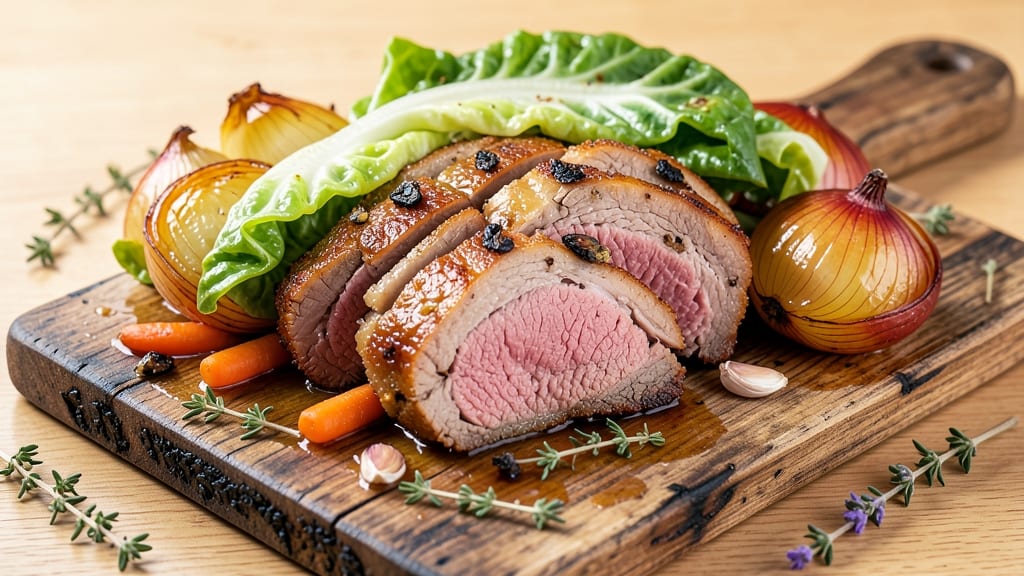
This baked corned beef brisket and cabbage recipe transforms a simple pot roast into a showstopping centerpiece with tender meat and caramelized cabbage. The secret lies in slow-baking the brisket until fork-tender while the cabbage develops rich, sweet notes from the beef's rendered juices.
I perfected this method after years of experimenting with traditional Irish techniques—now you can achieve restaurant-quality results at home with minimal effort.
The process begins with soaking the brisket overnight to remove excess salt, then seasoning it with just a few key spices before slow-roasting in the oven. Meanwhile, the cabbage cooks in its own juices, absorbing the deep, savory flavors from the beef.
This method eliminates the need for stovetop monitoring while delivering maximum flavor development—no fancy equipment required, just patience and a steady 325°F oven.
What you'll end up with is a brisket so tender it practically melts in your mouth, paired with cabbage that's caramelized around the edges yet still crisp in the center.
The aroma alone will fill your kitchen with warmth, creating a meal that feels like a hug on a chilly day. The best part? Leftovers reheat beautifully, making this the ultimate make-ahead dish for busy weeks.
Serve with buttery mashed potatoes, roasted carrots, and a cold stout beer to complement the rich flavors. This recipe is perfect for Sunday dinners, holiday feasts, or whenever you crave a hearty meal that tastes like home. Let's get started with this timeless classic!
Ingredients for baked corned beef brisket and cabbage
This hearty Irish-inspired meal needs just 14 ingredients for unforgettable flavor.
| Ingredient | Amount | Notes |
|---|---|---|
| Corned Beef Brisket 🥩 | 3 lb | Flat-cut preferred, not pre-cooked |
| Green Cabbage 🥬 | 1 ½ lb | Heads cut into 8 wedges |
| Yellow Onions 🧅 | 2 whole | Quartered, peeled |
| Carrots 🥕 | 4 medium | Whole, scrubbed clean |
| Garlic Cloves 🧄 | 6 cloves | Smashed, peeled |
| Fresh Thyme 🌿 | 2 tbsp | Leaves only, chopped |
| Bay Leaves 🍃 | 2 whole | Dried, standard size |
| Black Peppercorns 🌶️ | 1 tsp | Coarsely cracked |
| Kosher Salt 🧂 | 2 tbsp | For soaking brisket |
| Beef Broth 💧 | 1 cup | Low-sodium preferred |
| Apple Cider Vinegar 🍎 | ½ cup | For brisket soak |
| Brown Sugar 🍚 | 2 tbsp | Light or dark |
| Mustard Seeds 🌶️ | 1 tsp | Yellow or brown |
| Olive Oil 🫒 | 2 tbsp | For cabbage coating |
The brisket is everything here—look for flat-cut at the butcher counter, not pre-cooked. Costco or Whole Foods usually have great options, or ask your local butcher to trim excess fat. Soak it overnight in the vinegar and broth to tenderize—trust me, this step makes all the difference. For the cabbage, green is best, but red works too. The wedges should be roughly the same size so they cook evenly. If you're feeling fancy, organic carrots add a subtle sweetness that pairs perfectly with the beef's richness.
No beef broth? Chicken broth in a pinch works, though it'll lack depth. Short on vinegar? Lemon juice at half the amount gets you close. The mustard seeds can be skipped if you're not a fan, but they add a lovely bite. For the cabbage, olive oil instead of butter keeps it from getting too heavy. The thyme? Fresh is ideal, but dried works at one-third the amount. If you've got pre-cut cabbage wedges from the store, use those—they save time without sacrificing flavor.
This dish tastes even better the next day—3-4 days in the fridge, reheated gently. The cabbage keeps its texture surprisingly well, while the brisket gets more tender with time. For leftovers, slice the beef thinly and serve on toasted rye with mustard. The cabbage reheats beautifully in a skillet with a splash of broth. Store everything in airtight containers, and freeze portions for up to 3 months if you're planning ahead.
Why You'll Love This Recipe
- One-Pan Magic: I swear by this recipe because it’s that simple—just toss the brisket, chopped cabbage, onions, and carrots on a sheet pan, drizzle with a little oil, and let the oven do the work. No pots, no pans, no stress.
- Crave-Worthy Depth: The corned beef brisket soaks up all those garlic, onion, and spice flavors while baking, giving you tender meat with a crispy edge. That first bite? Pure satisfaction—salty, savory, and just enough tang to keep you coming back.
- Leftovers for Days: Between us, this recipe makes way more than I can eat in one sitting. The brisket stays juicy for reheating, and the cabbage and carrots soften just right—perfect for quick lunches or throwing into sandwiches later.
- Budget-Friendly Feast: Honestly, this is my go-to when I need to feed a crowd without breaking the bank. A single brisket stretches for multiple meals, and the veggies are cheap but pack serious flavor. Dinner for six? Done.
Step-by-step instructions for baked corned beef brisket with cabbage
Here's how to transform tough brisket into melt-in-your-mouth perfection with caramelized cabbage and rich fond.
🔥 Step 1: Prep and Soak the Corned Beef Brisket
Place the 3 lb Corned Beef Brisket in a large bowl and cover completely with cold water. Add 0.5 cup Apple Cider Vinegar, 2 tbsp Kosher Salt, 1 tsp Black Peppercorns, 1 tsp Mustard Seeds, and 2 whole Bay Leaves. The liquid should fully submerge the meat—if not, add more water. Let it soak in the refrigerator for at least 4 hours (overnight is best). This step tenderizes the meat and infuses it with deep flavor.
After soaking, drain the brisket and rinse it thoroughly under cold water. Pat it dry with paper towels—this ensures a better sear later. Place the brisket fat-side up in a deep roasting pan (it should fit snugly). This positioning allows the fat to render and baste the meat as it cooks.
🥘 Step 2: Build the Vegetable Base and Braising Liquid
In the same roasting pan, add 2 whole Yellow Onions (quartered), 4 medium Carrots (whole), and 6 cloves Garlic Cloves (smashed). Drizzle with 2 tbsp Olive Oil and toss to coat. Spread the vegetables evenly around the brisket, creating a bed that will support the meat as it cooks.
Pour 1 cup Beef Broth into the pan, then add 2 tbsp Brown Sugar and 2 tbsp Fresh Thyme. Stir gently to combine—this creates a flavorful liquid that will braise the brisket and vegetables. The sugar helps caramelize the fond at the bottom of the pan, adding depth to the final dish.
🔥 Step 3: Braise at Low Heat for Tender Perfection
Preheat your oven to 300°F. Cover the roasting pan tightly with aluminum foil and place it in the oven. Braise the brisket for 3 hours, then carefully add the 1.5 lb Green Cabbage (cut into 8 wedges) to the pan. The cabbage will cook slowly in the braising liquid, becoming tender and slightly sweet.
Continue cooking uncovered for another 1.5 to 2 hours until the brisket is fork-tender and the cabbage is completely soft. The internal temperature should reach 200-205°F—this is the "probe-tender" stage where the meat falls apart easily. If the liquid reduces too much, add a splash of water or broth to keep everything moist.
⏰ Step 4: Rest and Caramelize the Fond
Remove the brisket and vegetables from the oven and let them rest for 20 minutes before serving. This resting period allows the juices to redistribute, ensuring each bite is moist and flavorful. While resting, place the roasting pan on the stovetop over medium-high heat and deglaze the bottom with a wooden spoon, scraping up all the browned bits—they're packed with flavor.
Add a splash of water or broth to the pan and let it reduce by half, creating a rich, caramelized fond. This step transforms the simple braising liquid into a luxurious sauce. Taste and adjust seasoning with additional salt or pepper if needed. The cabbage should be tender with slightly crisp edges, and the brisket should be so tender it nearly falls apart at the touch.
🍽️ Step 5: Serve with Sauce and Sides
Slice the brisket against the grain into ¼-inch thick pieces. Arrange the sliced brisket on a platter, surrounded by the caramelized cabbage, onions, and carrots. Spoon the rich fond sauce over the top for maximum flavor in every bite. Serve immediately with crusty bread or buttered potatoes to soak up the delicious juices.
This dish delivers the ultimate comfort food experience—tender brisket, sweet cabbage, and a sauce so rich it makes every bite unforgettable. The slow braising process ensures maximum tenderness, while the caramelized fond adds a depth of flavor that elevates this classic dish to restaurant-quality status.
Pro Tips For Making Baked Corned Beef Brisket And Cabbage
- Trim the Fat First: Slice off that thick layer of fat on the brisket before baking—it’s the only way to guarantee even cooking and a crust that actually browns. I learned this the hard way when my first attempt stayed pale and greasy inside.
- Shred Cabbage Like Coleslaw: Thinly slice the cabbage (about 1/8-inch thick) so it softens quickly without turning to mush. Thick wedges just sit there, half-crunchy, while the rest overcooks—no one wants that sad, limp texture.
- Don’t Skip the Carrot Dice: Cut carrots into 1/4-inch chunks so they cook through without turning to paste. Larger pieces stay stubbornly underdone, and you’ll end up with a pot full of uneven textures—trust me, it’s worse than you think.
- Rest the Meat Before Slicing: Let the brisket sit under foil for 10 minutes after baking—this keeps it from falling apart when you slice. I used to cut into it too soon, and the juices would just pool on my plate. (Yes, even if you’re impatient like me.)
Best sauces and condiments for this baked corned beef brisket and cabbage
Classic Horseradish Cream
This tangy, creamy condiment is a must-have for corned beef—it cuts through the richness beautifully. Mix ½ cup sour cream with 2 tbsp prepared horseradish (I love Gourmet Garden for consistency) and 1 tsp lemon juice. Add a pinch of salt and ½ tsp sugar to balance the heat.
Serve in a small bowl alongside the sliced brisket for dipping or spooning over each portion. The horseradish's sharpness enhances the beef's depth while adding a refreshing contrast. 🥩
Brown Sugar Mustard Glaze
For a sweet-savory twist, whip up this quick glaze by combining ¼ cup Dijon mustard, 2 tbsp brown sugar, and 1 tbsp apple cider vinegar. Thin with 1 tbsp water until spreadable.
Brush over the brisket during the last 30 minutes of cooking or drizzle generously over the sliced meat before serving. The caramelized sugar pairs perfectly with the cabbage's natural sweetness. 🍯
Spiced Apple Cider Pan Sauce
Use the leftover braising liquid to create a luxurious sauce that ties everything together. After removing the brisket, place the roasting pan on the stovetop and add ½ cup apple cider. Deglaze with a wooden spoon, scraping up all the browned bits.
Simmer until reduced by half, then stir in 1 tsp cinnamon and ½ tsp cloves for warmth. Strain if you prefer a smoother texture, then drizzle over the brisket and cabbage. This sauce adds a festive touch that feels like a holiday centerpiece. 🍎
Smoked Paprika Butter
For a quick and elegant garnish, melt ¼ cup unsalted butter with 1 tsp smoked paprika and ½ tsp garlic powder in a small saucepan. Once melted, remove from heat and stir in 1 tbsp chopped parsley.
Drizzle over the sliced brisket just before serving—this adds a smoky depth that complements the cabbage's earthiness. The butter also helps keep the meat moist if reheating leftovers. 🧈
Classic Beer Gravy
No corned beef meal is complete without gravy! Pour the pan drippings into a saucepan and whisk in ½ cup stout beer (I recommend Guinness for authenticity) and 1 tbsp cornstarch mixed with 2 tbsp cold water. Simmer until thickened, then season with salt and pepper to taste.
This gravy soaks into the cabbage and brisket beautifully, adding a malty richness that rounds out the meal. Perfect for serving on the side or spooning over everything. 🍺
Nutrition facts
Frequently asked questions
How long should I soak the corned beef brisket? Soak the brisket for at least 4 hours, but overnight (8-12 hours) yields the most tender results. The longer soak removes excess salt and helps break down tough fibers. Just
Can I use red cabbage instead of green?
Yes, but expect slightly different results! Red cabbage will add vibrant color and a milder flavor, though it may lose its bright hue during cooking. For best texture, cut it into similar-sized wedges as green cabbage. The cooking time remains the same, but red cabbage holds up slightly better to longer braising.
Why does my brisket turn out tough?
Tough brisket usually means it didn't cook long enough or wasn't rested properly. Aim for an internal temp of 200-205°F and let it rest 20 minutes before slicing. Also ensure you're slicing against the grain—this is critical! If the meat still feels tough, try extending the braising time by another 30 minutes.
What's the best way to reheat leftovers?
Slice the brisket and store it separately from the cabbage in airtight containers. Reheat brisket portions in a skillet with a splash of broth until warmed through (165°F), while cabbage reheats best in the microwave with a damp paper towel. Never reheat in the oven—it'll dry out both components. Leftovers keep well for 3-4 days.
Can I make this in a slow cooker?
Follow the same prep steps, then transfer everything to a slow cooker and cook on low for 6-8 hours or high for 3-4 hours. Add the cabbage during the last 1.5 hours of cooking. The slow cooker's gentle heat works perfectly for tenderizing the brisket while keeping the cabbage from overcooking. Just skip the fond caramelization step.