
Soups & Stews
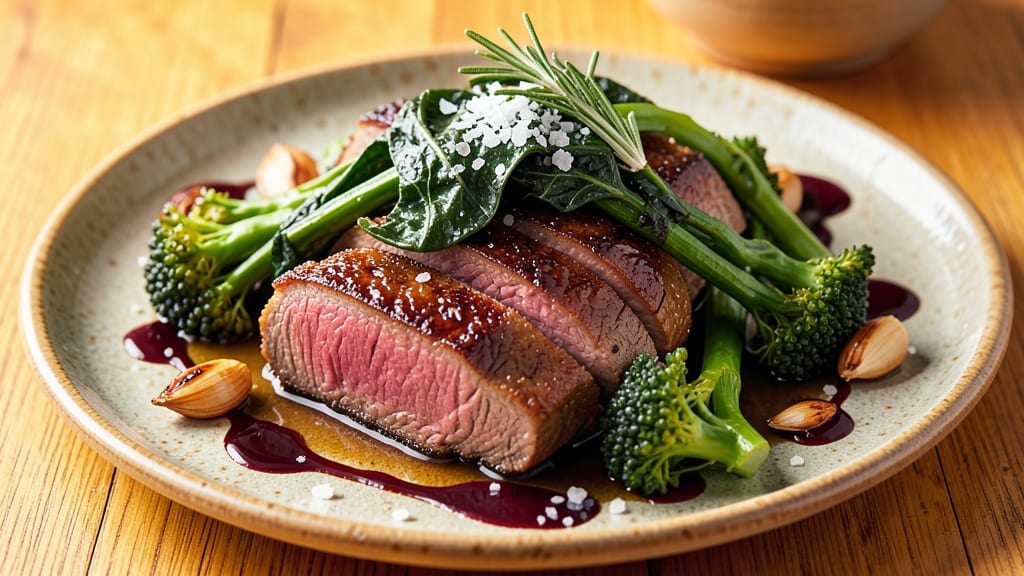
This beef and beoccoli recipe transforms humble ingredients into a restaurant-worthy dish that's rich, tender, and packed with caramelized fond magic. 🌟 The secret lies in slow-braising beef until it's fork-tender while developing deep, complex flavors in the sauce—no fancy techniques required, just patience and a few simple steps that deliver professional results at home.
What sets this dish apart is the balance of textures and flavors: perfectly cooked beef that melts in your mouth, al dente beoccoli pasta (or cavolo nero if you prefer), and a sauce that's velvety yet still vibrant with herbs and wine.
The caramelized fond at the bottom of the pot becomes the star, creating layers of umami that elevate every bite.
By the time you're done, you'll have a dish that's hearty enough for a family dinner but elegant enough for company. The beef stays juicy, the pasta absorbs just the right amount of sauce, and the final garnish of fresh herbs adds brightness that cuts through the richness.
This is comfort food at its finest—warm, satisfying, and impossible to resist.
Ready in about 2 hours (mostly hands-off time), this recipe is perfect for a weeknight dinner that feels special. The slow cooking process means you can prepare it ahead and let the flavors deepen even more. Let's get started on creating this Italian-inspired masterpiece.
Ingredients for beef and beoccoli
The secret to this restaurant-worthy dish: tender beef, caramelized fond, and vibrant beoccoli pasta.
| Ingredient | Amount | Notes |
|---|---|---|
| Beef Chuck Roast 🥩 | 2 lb | Cut into 1.5-inch cubes |
| Beoccoli (or Cavolo Nero) 🥬 | 12 oz | Fresh, stems removed |
| Dry Red Wine 🍷 | 1 cup | Bold, like Cabernet Sauvignon |
| Beef Broth 💧 | 2 cups | Low-sodium preferred |
| Tomato Paste 🍅 | 2 tbsp | Smooth, not chunky |
| Garlic Cloves 🧄 | 4 cloves | Minced for depth |
| Fresh Rosemary 🌿 | ½ tsp | Finely chopped leaves |
| Fresh Thyme 🌿 | 1 tsp | Leaves only, no stems |
| Olive Oil 🫒 | 2 tbsp | Extra-virgin for richness |
| Salt 🧂 | 1 ½ tsp | Kosher or sea salt |
| Black Pepper 🌶️ | ½ tsp | Freshly ground preferred |
| Parmesan Cheese 🧀 | ¼ cup | Freshly grated from block |
| Fresh Basil 🌿 | ¼ cup | Chopped for garnish |
| Beoccoli Pasta 🍝 | 12 oz | Or cavolo nero alternative |
The beef is the backbone here. Chuck roast is your best bet—it stays tender through slow cooking, while sirloin or ribeye would turn tough. Grab it from the butcher counter if possible, or look for pre-cubed chuck at Costco or Whole Foods. For the beoccoli, fresh is ideal, but frozen works in a pinch. Just thaw and drain it well. If you can't find beoccoli, cavolo nero (also called dinosaur kale) is a perfect swap—it's heartier and holds up beautifully to the slow braise. The wine? Any bold, dry red works here—Cab Sauv, Merlot, whatever's open.
No red wine? Beef broth with a splash of balsamic gets you close. Fresh herbs are ideal, but dried rosemary and thyme at half the amount will work if you're short. The tomato paste can be skipped entirely if you're not a fan, but it adds that umami depth that makes this dish sing. For the pasta, beoccoli-shaped pasta is a must if you want that authentic look, but any short pasta like penne or rigatoni will work. If you're using cavolo nero, chop it roughly and cook it separately for about 3 minutes before mixing it in at the end—you want it tender but still with a bite.
This dish tastes even better the next day, so make extra. Store leftovers in an airtight container in the fridge for up to 4 days, or freeze for 3 months. The fond at the bottom of the pot? That's the magic—don't toss it! Deglaze it with a splash of broth or wine and stir it into the sauce before serving. The fresh basil should be added right before eating—it keeps its brightness that way. If you're prepping ahead, cook the pasta separately and reheat it in the sauce for the last 2-3 minutes to keep it al dente.
Why You'll Love This Recipe
- One-Pot Magic: I swear by this—just toss the beef, beoccoli, and broth in one pot, then walk away. The wine and tomato paste do all the heavy lifting while you sip something strong and pretend you’re not cooking.
- Deep Umami Bomb: That slow-cooked chuck roast? It practically melts in your mouth, rich and tender, while the beoccoli soaks up the red wine reduction like a sponge. The tomato paste adds this cheat depth—like a fancy Italian grandmother’s secret.
- Leftovers That Beg for More: Between us, this dish only gets better the second day. The flavors marry overnight, and reheating it? Just a splash of broth and a few minutes. My freezer’s always stocked because I can’t resist making extra.
- Budget-Friendly Powerhouse: You’re feeding a crowd for less than takeout. Chuck roast stretches forever, beoccoli’s cheap at the market, and a bottle of wine makes the whole thing feel special. Honestly, it’s my go-to when I need to impress but don’t want to break the bank.
Step-by-step instructions for slow-braised beef and beoccoli
Here's how to transform tough beef into melt-in-your-mouth perfection with caramelized beoccoli.
🔥 Step 1: Sear the Beef for Deep Flavor
Heat 2 tablespoons olive oil in a large Dutch oven over medium-high heat. Add the 2 lb beef chuck roast, cut into 1.5-inch cubes, in a single layer. Let them sear undisturbed for 3-4 minutes until deeply browned on all sides—this creates the flavor foundation.
Real talk: Don't crowd the pan or you'll steam the meat instead of searing. Work in batches if needed, but keep the heat steady. Once all beef is browned, transfer it to a plate and set aside. You'll see those beautiful caramelized bits (fond) sticking to the bottom—that's pure flavor gold.
🍳 Step 2: Build the Braising Base
In the same Dutch oven, add 4 cloves minced garlic and cook for 30 seconds until fragrant. Stir in 2 tablespoons tomato paste and cook for 1 minute until it darkens slightly. This creates a rich, umami-packed base for your sauce.
Deglaze immediately with 1 cup dry red wine, scraping up every last bit of those caramelized fond bits from the bottom. Let it simmer for 3-4 minutes until reduced by half. The wine should smell rich and concentrated—this is where the magic happens.
🥘 Step 3: Slow-Braise the Beef
Return the seared beef to the Dutch oven. Add 2 cups beef broth, 1.5 teaspoons salt, and 0.5 teaspoon black pepper. Bring to a simmer, then reduce heat to low, cover, and transfer to a 300°F oven. Braise for 3 hours until the beef is fork-tender.
Here's the thing—don't peek! Every time you lift the lid, you lose heat and moisture. The beef should be so tender it practically falls apart when you test it. If it's not quite there after 3 hours, add ¼ cup water and cook another 30 minutes covered on the stove.
👨🍳 Step 4: Prepare the Beoccoli
While the beef braises, heat 2 tablespoons olive oil in a large skillet over medium heat. Add 12 oz beoccoli (stems removed) and cook for 5-6 minutes, stirring occasionally, until the edges begin to crisp and darken. This caramelization adds incredible depth of flavor.
Season with 0.5 teaspoon fresh rosemary and 1 teaspoon fresh thyme, stirring to coat. Remove from heat and set aside. The beoccoli should be tender-crisp with beautiful browned spots—this is what makes this dish special.
🍽️ Step 5: Finish and Serve
Remove the beef from the braising liquid and transfer to a plate. Skim off any excess fat from the sauce, then stir in 0.25 cup freshly grated parmesan cheese until melted and smooth. Taste and adjust seasoning if needed.
Cook the 12 oz beoccoli pasta according to package directions until al dente. Drain, reserving ½ cup pasta water. Toss the pasta with the braised beoccoli and a splash of pasta water to combine. Plate the pasta, top with the shredded beef and its rich sauce, and garnish with 0.25 cup chopped fresh basil. Serve immediately while everything is steaming hot.
Pro Tips For Making Beef And Beoccoli
- SEAR THE ROAST FIRST: High heat. Seriously, crank it up to medium-high and let that chuck roast develop a deep brown crust before you even think about adding wine—this locks in flavor and prevents dryness later. I learned this the hard way when my first batch tasted more like stew than braise.
- STRIP BEOCCOLI STEMS: Those tough stems? They won’t soften. Snip them off before chopping the leaves—no need to peel, just give them a quick rinse and tear into bite-sized pieces. My grandmother swore by this, and she was right: the texture stays tender without turning to mush.
- DEGLAZE WITH WINE IMMEDIATELY: As soon as the beef hits the pan, splash in that dry red wine right away—don’t wait for the meat to pile up. The alcohol will dissolve those flavorful browned bits (fond) before they burn, giving your sauce depth. Skip this, and you’re basically throwing away free flavor.
- SIMMER LOW AND COVERED: After adding broth and tomato paste, reduce heat to a bare simmer, cover the pot, and let it do its thing. I used to rush it, but the beef stays fork-tender and the beoccoli actually absorbs the sauce instead of wilting into a sad pile. Patience here makes all the difference.
Serving suggestions for leftovers
Pasta Pairing Perfection
For the ultimate presentation, serve this beef over beoccoli pasta (or cavolo nero if using the greens) to let the rich sauce cling beautifully. I like to toss the cooked pasta with a splash of reserved pasta water and a pinch of freshly cracked black pepper before plating.
The pasta should be al dente—just slightly firm to the bite—so it doesn’t turn mushy when mixed with the sauce. 🍝
If you’re using cavolo nero instead of pasta, wilt it gently in the braising sauce for the last 2-3 minutes of cooking. This keeps the greens vibrant while infusing them with the beef’s deep, savory flavors. The contrast of tender beef and slightly bitter greens makes every bite exciting.
Garnish Like a Pro
Fresh basil leaves are non-negotiable for garnish—they add a bright, herbal note that cuts through the richness. Tear them by hand and sprinkle generously over each serving.
For extra flair, finish with toasted pine nuts or crispy fried shallots—they add texture and a nutty crunch that elevates the dish. 🌿
Don’t forget the parmesan cheese! Grate it fresh from a block and sprinkle it directly over the dish right before serving. The contrast of creamy, salty cheese against the tender beef and pasta is pure magic.
If you’re feeling fancy, add a drizzle of high-quality extra-virgin olive oil for a glossy finish.
Bread and Side Pairings
A crusty baguette or focaccia is perfect for soaking up any leftover sauce. I love serving this dish with a garlic-infused olive oil dip on the side—just mix 2 tablespoons olive oil with 1 minced garlic clove and a pinch of red pepper flakes.
The bread becomes a delicious vehicle for the remaining flavors. 🥖
For a lighter side, a simple arugula salad with lemon vinaigrette balances the richness. Toss 4 cups arugula with 2 tablespoons olive oil, 1 tablespoon lemon juice, and a pinch of salt—the peppery greens refresh your palate between bites of the hearty main dish.
Wine and Beverage Pairings
This dish is a red wine lover’s dream. A bold Cabernet Sauvignon or Chianti complements the beef’s depth and the wine’s acidity cuts through the richness. For something lighter, a Pinot Noir adds elegance without overpowering the dish. 🍷
If you prefer beer, a Malbec or Syrah works beautifully—their dark fruit notes mirror the beef’s flavors. For a non-alcoholic option, try a sparkling blood orange soda—the citrusy fizz cleanses your palate and adds a refreshing contrast.
Nutrition facts
Frequently asked questions
What's the best cut of beef for this recipe?
Use chuck roast—it's the perfect balance of affordability and tenderness when slow-braised. The fat content keeps the meat juicy, and it develops incredible flavor during the cooking process. Avoid leaner cuts like sirloin or ribeye, as they can dry out during the long cooking time.
Can I substitute beoccoli pasta if I can't find it?
Use penne, rigatoni, or even short pasta shapes like ditalini. For a non-pasta option, try cavolo nero (dinosaur kale) or Swiss chard—just cook it separately for 3-4 minutes before mixing into the sauce. The key is to maintain the dish's hearty texture.
How do I prevent the beef from becoming tough?
Never skip the searing step—it creates flavorful crusts that lock in moisture. Use medium-high heat and don't overcrowd the pan. After braising, check for doneness with a fork: the beef should shred easily. If it's not tender after 3 hours, add ¼ cup water and cook another 30 minutes covered on the stove.
Can I make this recipe in a slow cooker?
Yes! Brown the beef first in a skillet, then transfer it to your slow cooker with all other ingredients (except pasta). Cook on low for 8 hours or high for 5 hours. The pasta can be cooked separately and mixed in at the end. The slow cooker method is perfect for hands-off cooking and even deeper flavor development.
What's the best way to reheat leftovers?
Reheat gently in a saucepan with a splash of beef broth or water over low heat until warmed through. For best results, don't microwave—it can make the beef dry. If reheating pasta separately, toss it with a bit of olive oil to prevent sticking. The dish tastes even better the next day as flavors meld!