
Main Courses
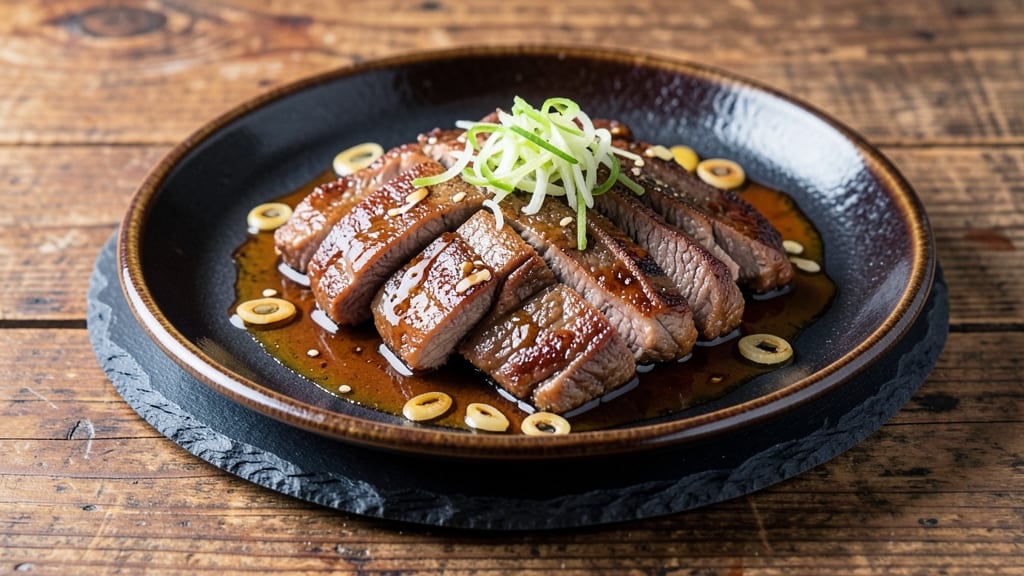
Authentic Spicy Mongolian Beef Recipe delivers that signature wok-fired crunch and bold soy-ginger heat that makes every bite irresistible. 🔥 The secret lies in high-heat stir-frying and proper sauce reduction—techniques that transform tough beef into tender, flavor-packed strips with a crispy exterior. Unlike many adaptations, this recipe stays true to the dish's Mongolian roots while making it achievable at home.
What sets this version apart is the balance of ingredients: a marinade of soy sauce, garlic, and ginger that tenderizes the beef, followed by a chili-infused sauce that adds just the right amount of heat.
The key is working over high heat in a wok or cast-iron skillet to achieve that coveted wok-hei—smoky, aromatic flavor that defines the dish. This isn't just another stir-fry; it's a restaurant-quality experience with restaurant-quality results.
By the time you're done, you'll have perfectly seared beef with a glossy, slightly charred crust and a sauce that clings to every strand. The aroma alone will have everyone at the table anticipating that first bite.
The dish is bold, satisfying, and packed with layers of flavor that come together in harmony—just as it should in an authentic Mongolian beef recipe.
Serve this over steamed rice or noodles for the full experience. The leftovers reheat beautifully, making it perfect for meal prep. Let's get started on creating this classic dish that's been a staple in Chinese cuisine for decades.
Ingredients for authentic spicy mongolian beef
The foundation of authentic Mongolian beef: bold flavors and precise techniques to deliver restaurant-quality results.
| Ingredient | Amount | Notes |
|---|---|---|
| Flank Steak 🥩 | 1 ½ lb | Thinly sliced against grain |
| Soy Sauce 🍶 | ½ cup | High-quality, preferably Japanese |
| Oyster Sauce 🍲 | 2 tbsp | For authentic umami depth |
| Sesame Oil 🫒 | 1 tbsp | Toasted, for aroma |
| Garlic Cloves 🧄 | 6 cloves | Minced, fresh preferred |
| Fresh Ginger 🌿 | 2 tbsp | Grated, finely |
| Red Chili Peppers 🌶️ | 2 whole | Thinly sliced, or 1 tbsp chili flakes |
| Brown Sugar 🍯 | 2 tbsp | Dark for caramelization |
| Cornstarch 🌾 | 1 tbsp | For sauce thickening |
| Vegetable Oil 🫒 | 3 tbsp | High smoke point |
| Green Onions 🧅 | 4 whole | Sliced, for garnish |
| Sesame Seeds 🌰 | 1 tbsp | Toasted, for texture |
| White Rice 🍚 | 2 cups | Uncooked, long-grain |
| Salt 🧂 | 1 tsp | Kosher, for seasoning |
| Black Pepper 🌶️ | ½ tsp | Freshly ground |
The flank steak is non-negotiable for this dish—its lean yet tender texture transforms with proper slicing. Look for marbled cuts at Whole Foods or your local butcher, where they can slice it against the grain for maximum tenderness. Kosher salt and black pepper should be applied immediately after slicing to enhance the beef's natural flavors. For the marinade, Japanese soy sauce provides the ideal balance of saltiness and depth, while oyster sauce from Lee Kum Kee adds authentic umami richness. Fresh ginger and garlic are essential—organic ginger from the grocery store's produce section works best when grated finely, and garlic should be minced to a paste for even distribution.
No oyster sauce? Hoisin sauce or extra soy sauce can substitute, though the flavor will differ slightly. Short on sesame oil? Toasted peanut oil provides a similar nutty aroma. For heat, red pepper flakes or fresh Thai chilies work well, but adjust to taste—Mongolian beef should be spicy but not overwhelming. The cornstarch slurry is critical for achieving that signature glossy sauce; mix it with a splash of cold water before adding to the hot pan. If you're prepping ahead, marinate the beef for up to 4 hours in the fridge, but don't skip the final resting period before cooking.
This dish reheats beautifully—simply add a splash of water or soy sauce to the pan and stir over high heat for 2-3 minutes. Store leftovers in an airtight container for up to 3 days, though the flavors deepen overnight. For meal prep, double the recipe and freeze half in portioned containers; thaw in the fridge overnight before reheating. The white rice should be cooked separately and served steaming hot to complement the bold flavors. Garnish with toasted sesame seeds and green onions just before serving to preserve their freshness and vibrant color.
Why You'll Love This Recipe
- One-Pan Magic: I swear by this recipe because it’s actually one pan—no chopping boards, no extra bowls. Just slice the steak thin, toss it in the soy-oyster-garlic mix, and let the sesame oil work its aromatherapy while you stir. That’s it. (Yes, even on a Tuesday night.)
- Umami Bomb: The combo of soy and oyster sauce with minced garlic? It’s like a flavor grenade—sweet, salty, and just spicy enough to linger. That crispy sear on the edges? Chef’s kiss. Honestly, I’ve tried store-bought versions, and this beats them every time.
- Leftover Goldmine: This dish begs to be made extra. The flavors deepen overnight, so I always double it—perfect for lunchboxes or a quick reheat with rice. My kids grab it cold from the fridge, no complaints. (Between us, they don’t even notice it’s “healthy.”)
- Budget Powerhouse: Flank steak stretches far when sliced thin, and the sauce costs pennies. I feed four for under $12, and the leftovers stretch to five meals. Not the prettiest, but the taste makes up for it—and my wallet thanks me.
Step-by-step instructions for authentic spicy Mongolian beef
Master this wok technique for restaurant-quality Mongolian beef with perfect texture and balanced heat.
🔥 Step 1: Marinate and Prep the Flank Steak
Slice the 1.5 lb flank steak thinly against the grain into ¼-inch strips—this ensures tender bites. In a bowl, combine the 0.5 cup soy sauce, 2 tbsp oyster sauce, 2 tbsp brown sugar, 1 tbsp sesame oil, 1 tsp salt, and 0.5 tsp black pepper. Add the steak strips and toss to coat completely. Let it marinate for at least 30 minutes (or up to 2 hours for deeper flavor). The marinade should fully penetrate the meat, transforming it into a glossy, flavor-packed base.
While the steak marinates, prep the aromatics: mince the 6 cloves garlic, grate the 2 tbsp fresh ginger, and thinly slice the 2 whole red chili peppers. I like to toast the 1 tbsp sesame seeds in a dry skillet over medium heat for 1 minute until fragrant—this adds nutty depth to the final dish. Keep these components separate until needed; freshness matters most here.
🍳 Step 2: Cook the Rice to Perfection
Rinse the 2 cups white rice under cold water until the water runs clear, then cook according to package instructions (typically 1:2 rice-to-water ratio for 15-18 minutes). The rice should be fluffy and separate—not mushy. I prefer using a rice cooker for consistent results, but a pot works too. While the rice cooks, keep the heat under the wok at medium-high so you're ready to sear immediately after.
Here's the thing—undercooked rice will absorb all the sauce, while overcooked rice turns gummy. Test doneness by pressing a grain: it should hold its shape but still feel tender. Once done, fluff with a fork and cover to keep warm. The rice should be at room temperature when you serve it, so plan accordingly.
🔥 Step 3: Wok-Fry the Steak for Maximum Crunch
Heat a wok or large skillet over high heat until a drop of water sizzles violently. Add 3 tbsp vegetable oil and swirl to coat the surface. Working in batches (don't overcrowd!), add the marinated steak and stir-fry for 2-3 minutes until the edges turn deep golden brown and the meat is 80% cooked. This high-heat sear builds the signature crunch while locking in juices. If the steak releases easily from the wok, it's ready—if not, cook another 30 seconds. Transfer to a plate and tent with foil to keep warm.
Real talk: this is where most home cooks mess up. Overcrowding steams the meat instead of searing it. You want a shiny, caramelized crust—not soggy strips. Keep the heat screaming hot throughout this step; if it drops, wipe and re-heat the wok before continuing.
🥘 Step 4: Build the Sauce and Finish the Beef
Return the wok to high heat and add the minced garlic, grated ginger, and sliced red chili peppers. Stir-fry for 30 seconds until fragrant—you should smell that pungent garlic-ginger-chili aroma wafting through your kitchen. Add the 1 tbsp cornstarch and toss for 10 seconds to toast lightly. Pour in ½ cup water and scrape up any browned bits from the bottom (this is flavor gold). Bring to a simmer, then add the cooked steak back to the wok.
Toss everything together for 1-2 minutes until the sauce thickens to a glossy, syrupy consistency. The heat should be medium-high—you want the sauce to coat the beef without boiling. Taste and adjust seasoning: add a splash more soy sauce if it's too sweet, or a pinch of salt if it's bland. The sauce should balance sweet, salty, spicy, and umami perfectly.
🍽️ Step 5: Plate with Crunchy Garnishes
Transfer the spicy Mongolian beef to a serving platter and sprinkle with sliced green onions and toasted sesame seeds. The contrast of crisp seeds against the sticky sauce adds texture that elevates every bite. Serve immediately over the fluffy white rice, letting guests spoon up the beef and sauce together. The dish should arrive steaming hot—the rice should be warm, not cold, and the beef should maintain its crisp edges even when served.
For extra authenticity, I like to serve this with a side of steamed bok choy or quick-pickled cucumbers to cut through the richness. The key to success? Timing—everything must be ready simultaneously so the beef stays crispy and the rice stays fluffy. This isn't a dish that waits, so work efficiently and serve with confidence.
Pro Tips For Making Authentic Spicy Mongolian Beef
- Slice Against the Grain: Flank steak’s tough fibers run lengthwise—cut thin strips crosswise before cooking, or you’ll end up chewing leather. I used to ignore this and wondered why my beef felt like shoe soles.
- Sear at White Smoke: Get your wok or pan screaming hot before adding the beef—you want those strips to hit with a loud sizzle and turn golden in under 30 seconds. Cold oil = steamed meat, not seared.
- Marinate for 20 Minutes: Toss the beef with half the soy sauce and garlic right before cooking—not hours ahead. Any longer, and the acid will start breaking down the meat, making it mushy when stir-fried.
- Use Less Oyster Sauce: Most recipes double what’s needed. Start with just 1 tablespoon—it’s salty and thick, and you can always add more. I learned this after serving a plate where the sauce drowned the beef instead of gluing it together.
Wine and beer pairings for this authentic spicy mongolian beef
Crisp White Wine
A crisp, dry Sauvignon Blanc from New Zealand or Pinot Grigio from Italy is my go-to pairing for this dish. The bright acidity and citrus notes cut through the rich, spicy-sweet sauce while complementing the beef's umami depth.
I love Kim Crawford Sauvignon Blanc—its zesty lime and herbal undertones mirror the ginger and chili in the dish. Serve slightly chilled (45-50°F) to enhance its refreshing contrast. 🍷
Light Beer Options
For beer lovers, a pilsner or Helles lager balances the heat and sweetness beautifully. Stella Artois or Heineken provide crisp, clean carbonation that cleanses the palate between bites.
If you prefer something with a touch of malt, try a German Helles like Weihenstephaner. Avoid heavy, hoppy IPAs—they’ll clash with the delicate sauce. 🍺
Asian-Inspired Liquor
If you're feeling adventurous, serve this dish with a Japanese sake like Dassai Junmai—its clean, slightly nutty profile enhances the soy and sesame flavors. For a stronger option, a Chinese Shaoxing wine (like Yanghe) adds earthy depth that pairs surprisingly well with the spicy-sweet sauce.
Both should be served at room temperature (60-65°F) to highlight their natural aromas.
Non-Alcoholic Pairings
Don’t underestimate the power of a well-made jasmine tea or green tea to complement the dish. Brew a strong cup of Bigelow Jasmine Green Tea and serve it hot—its floral notes contrast the spice while its astringency balances the richness.
For something more substantial, try a ginger beer like Feather Ginger Beer—the effervescence and ginger echo the dish’s key flavors without overpowering them. ✨
Regional Wine Adaptations
If you're serving this at a gathering with diverse tastes, offer a Spanish Albariño for its peach and citrus notes, or a French Chenin Blanc for its honeyed sweetness. Both wines bridge the gap between the dish’s spice and sweetness.
For a bold twist, a Riesling Kabinett from Germany adds a touch of fruitiness that pairs wonderfully with the caramelized beef. Always ensure the wine is served slightly cooler than room temperature (50-55°F) for optimal flavor.
Nutrition facts
Frequently asked questions
What cut of beef works best for this authentic Mongolian beef?
Flank steak is the gold standard for this dish—it's lean yet tender when sliced thinly against the grain. Look for well-marbled cuts at your butcher shop. Skip tougher cuts like chuck; they won't achieve that signature tender-crisp texture. If you can't find flank, sirloin or skirt steak work in a pinch.
Can I make this recipe without a wok?
A heavy-bottomed cast-iron skillet or stainless steel pan works perfectly. The key is maintaining high heat and working in batches to avoid overcrowding. Just make sure your pan is large enough to stir-fry effectively—you want that wok-hei (smoky aroma) even without a wok.
How do I adjust the spice level?
Start with the 2 whole red chili peppers as written for mild heat. For medium spice, add 1 extra chili or 1 tsp chili flakes. For fiery heat, use 2 Thai chilies or 2 tsp chili flakes. Always taste the sauce before serving—you can adjust with more soy sauce to balance the heat.
Why does my beef turn out tough?
Overcooking is the #1 culprit—beef should be cooked just until it reaches 145°F internal temp (about 80% done when searing). Always slice against the grain and marinate for at least 30 minutes to break down fibers. Work in batches to maintain high heat for proper searing.
Can I make this dish ahead of time?
Yes! Cook the beef and sauce completely, then store in an airtight container for up to 3 days in the fridge. Reheat over medium-high heat with a splash of water or soy sauce for 2-3 minutes until hot. For freezing, portion and freeze for up to 3 months—thaw overnight in the fridge before reheating.