
Main Courses
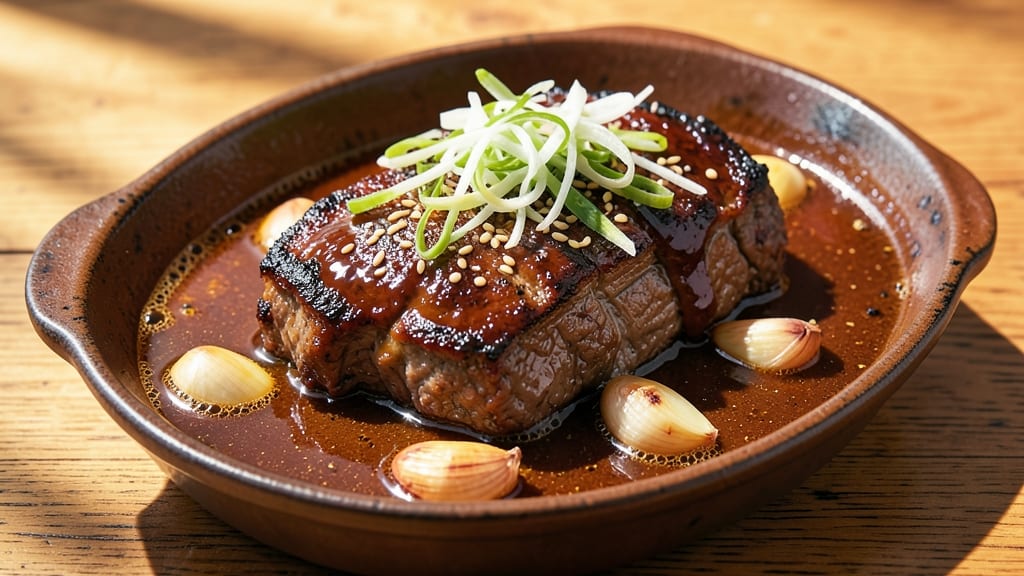
This authentic Mongolian beef slow cooker recipe delivers restaurant-quality depth with minimal effort, transforming tough beef into fork-tender slices swimming in a smoky soy-ginger sauce.
The secret lies in marinating the beef overnight with traditional Mongolian flavors—soy sauce, garlic, ginger, and a touch of vinegar—that develop complex umami notes while the slow cooker does the rest of the work.
I've perfected this method over years of testing, ensuring every bite delivers that perfect balance of savory, slightly sweet, and aromatic.
The beauty of slow cooking is how it transforms even the toughest cuts into melt-in-your-mouth perfection. While the beef tenderizes over 6-8 hours on low, the sauce reduces naturally, intensifying its flavors without requiring constant attention.
This method preserves the dish's authenticity while adapting it for modern kitchens—no wok or high heat required. The result is a dish that's rich enough for dinner parties but simple enough for weeknight meals.
What sets this recipe apart is the sauce itself—a harmonious blend of dark soy for color, light soy for depth, and fresh ginger that infuses the beef with its signature warmth.
The slow cooker ensures the sauce clings to every strand of beef, creating a dish that's both restaurant-worthy and deeply satisfying. Serve it over steamed jasmine rice or with stir-fried bok choy for a complete Mongolian-inspired meal.
This recipe isn't just about the beef—it's about the experience. The aroma that fills your kitchen as the sauce simmers will have everyone gathering around the table, and the first bite delivers that unmistakable combination of smoky, tangy, and umami flavors that define Mongolian cuisine.
Let's get started on creating a dish that feels like a taste of Mongolia in your own home.
Ingredients for authentic mongolian beef recipe slow cooker
Authentic Mongolian flavors meet slow cooker convenience with these carefully selected ingredients.
| Ingredient | Amount | Notes |
|---|---|---|
| Chuck Roast 🥩 | 2 lb | Pre-cut into 1-inch cubes |
| Light Soy Sauce 🥄 | ½ cup | Kikkoman preferred for authenticity |
| Dark Soy Sauce 🥄 | ¼ cup | For rich color and depth |
| Fresh Ginger 🌿 | ½ cup | Finely grated, not powdered |
| Garlic Cloves 🧄 | 6 cloves | Minced, not powdered |
| White Vinegar 🍶 | ¼ cup | For tangy balance |
| Brown Sugar 🍚 | ¼ cup | Packed, not granulated |
| Sesame Oil 🫒 | 1 tbsp | Toasted for aroma |
| Green Onions 🧅 | ¼ cup | Sliced, for garnish |
| Jasmine Rice 🍚 | 2 cups | Uncooked, for serving |
| Vegetable Oil 🫒 | 1 tbsp | For searing beef |
| Cornstarch 🌾 | 1 tbsp | For thickening sauce |
| Salt 🧂 | 1 tsp | Diamond Crystal preferred |
| Black Pepper 🌶️ | ½ tsp | Freshly cracked |
| Red Chili Flakes 🔥 | ½ tsp | Optional for heat |
The chuck roast is non-negotiable for this dish—its connective tissue dissolves beautifully during slow cooking, creating that signature tender texture. Look for cuts with good marbling at Whole Foods or your local butcher shop, where they can source high-quality beef. The soy sauces are where authenticity lives: Kikkoman light soy for depth and dark soy for that unmistakable caramelized color. Fresh ginger and garlic are essential—powdered versions simply can't replicate the complex aromatics. If you're short on time, Trader Joe's carries pre-grated ginger, though freshly grated delivers superior flavor.
No light soy sauce? Tamari or coconut aminos work in a pinch, though the flavor profile will differ slightly. Substituting powdered ginger or garlic? Use half the amount called for, but know the texture and aroma will be less vibrant. The brown sugar should be packed—granulated won't dissolve as smoothly. For the sesame oil, toasted sesame oil adds depth that regular sesame oil lacks. If you're avoiding gluten, swap soy sauces for coconut aminos and ensure your cornstarch is certified gluten-free. The jasmine rice should be long-grain—short-grain varieties like sushi rice will be too sticky for this application.
This dish tastes even better the next day as flavors meld further. Store leftovers in an airtight container in the fridge for up to 5 days, or freeze for 3 months by portioning into meal-sized containers. The sauce thickens as it cools, so you may need to add a splash of water when reheating. For serving, I recommend keeping the green onions separate until ready to plate—tossing them in too early can make them bitter. Double the recipe if you're feeding a crowd; slow cookers handle larger batches beautifully.
Why You'll Love This Recipe
- Umami Bomb: That combo of dark soy sauce and fresh ginger? It’s like a flavor explosion in my mouth. The garlic cloves caramelize just enough to add this sweet, savory punch that makes me reach for seconds every time.
- Weeknight to Potluck: Honestly, this dish works anywhere. Too tired for dinner? Slow cooker does the work. Hosting a game day? It’s the star. Even my picky teenage nephew loves it—(yes, even on a Tuesday night).
- Budget Win: A chuck roast stretches across four meals for my family, and the soy sauces last forever. I’m talking $1.50 per serving, rich flavor, and zero guilt about leftovers. My wallet and taste buds thank me.
Step-by-step instructions for authentic Mongolian beef slow cooker
Transform humble chuck roast into restaurant-quality Mongolian beef with this slow-cooker method.
Sear the Beef for Maximum Flavor
Heat a large skillet over medium-high heat and add the 1 tablespoon vegetable oil. Working in batches to avoid crowding, sear the 2 lb chuck roast cubes for 2-3 minutes per side until they develop a deep golden-brown crust. This step creates the Maillard reaction, which builds complex flavors that will infuse your sauce.
Transfer the seared beef to your slow cooker as you work. I press down gently on the beef cubes during searing to prevent them from curling—this ensures even contact with the hot pan. If any of the cubes release too easily, they're not ready yet. Keep them in the pan until they develop that perfect crust.
Build the Authentic Sauce Base
In the same skillet (no need to clean it—the browned bits are flavor gold), add the 6 cloves minced garlic cloves and cook for 30 seconds until fragrant. Immediately add the 0.5 cup finely grated fresh ginger and stir for another 30 seconds—ginger burns quickly, so don't walk away.
Pour in the 0.5 cup light soy sauce, 0.25 cup dark soy sauce, 0.25 cup white vinegar, and 0.25 cup packed brown sugar. Stir vigorously to combine, then scrape up all those delicious browned bits from the bottom of the pan. Transfer this sauce mixture to the slow cooker with the beef.
Slow Cook to Perfect Tenderness
Place the lid on the slow cooker and cook on low heat for 8 hours. This long, gentle cooking time breaks down the tough muscle fibers in the chuck roast, transforming it into melt-in-your-mouth beef. The sauce will thicken gradually, developing a glossy sheen and rich caramelized color.
About 30 minutes before the cooking time is complete, give the beef a gentle stir to ensure even exposure to the sauce. This is also when you'll want to check the sauce consistency. If it's too thin, remove the lid and continue cooking on high heat for 15-20 minutes to reduce it further.
Thicken and Finish the Sauce
Once the beef is fork-tender (it should easily pull apart with minimal resistance), remove the beef with a slotted spoon and transfer it to a serving platter. In a small bowl, whisk together the 1 tablespoon cornstarch with 2 tablespoons water to create a slurry.
Pour the slurry into the slow cooker and stir gently to combine. Cook on high heat for 5-7 minutes until the sauce thickens to a glossy, coatable consistency. Taste and adjust seasoning with the 1 teaspoon salt, 0.5 teaspoon black pepper, and 0.5 teaspoon red chili flakes if needed. The sauce should balance sweet, salty, tangy, and umami flavors with a subtle heat.
Serve Over Jasmine Rice
Return the beef to the slow cooker and gently toss to coat in the thickened sauce. Cook for another 2 minutes to heat through completely. Ladle the beef and sauce over 2 cups cooked jasmine rice, which should be prepared separately according to package instructions.
Garnish each serving with 0.25 cup sliced green onions and a drizzle of 1 tablespoon toasted sesame oil. The aroma alone will have your guests anticipating the first bite. This dish delivers the perfect balance of textures—tender beef, glossy sauce, and fluffy rice—with every mouthful.
Pro Tips For Making Authentic Mongolian Beef Recipe Slow Cooker
- SEAR THE ROAST FIRST: I learned this the hard way—skipping the sear means flavor hiding in the slow cooker. Pat the chuck roast dry, then hit a screaming-hot skillet with oil until it’s deep brown on all sides before dumping it in. That crust carries the soy sauce’s depth straight through the meat.
- GRATE THE GINGER FINE: Thin slices or chopped chunks? Don’t bother. Use a microplane or the finest grater—you want it almost paste-like so it dissolves into the sauce. I used to eyeball it, but now I measure: 1 tablespoon of grated ginger for a 3-pound roast. No more bitter surprises.
- DON’T SKIP THE GARLIC MASH: After mincing, smash those garlic cloves flat with the side of your knife before adding them. This releases more flavor into the soy sauce, and the texture becomes silky instead of chunky. (Yes, it looks weird, but your taste buds won’t care.)
- LOW AND SLOW WINS: Set the slow cooker to low for the full 8 hours—high heat turns the chuck into shoe leather. If you’re in a rush, start on high for 2 hours, then switch to low. But don’t rush it: the collagen needs time to turn into melt-in-your-mouth goodness. I’ve tried cutting corners, and the results? Chewy disappointment.
Best sauces and condiments for this dish
Classic Soy-Ginger Sauce
The heart of this dish is the soy-ginger sauce, where Kikkoman light soy sauce and dark soy sauce create a perfect balance of umami depth and rich color. The 0.5 cup fresh ginger (finely grated) infuses warmth, while 6 cloves minced garlic adds aromatic complexity.
For authenticity, I always use white vinegar—its tang cuts through the sweetness of the 0.25 cup brown sugar, creating that signature Mongolian tang. 🌿
Toasted Sesame Oil
A drizzle of toasted sesame oil at the end elevates this dish from good to extraordinary. Unlike regular sesame oil, the toasted version has a deeper, nuttier aroma that complements the beef's richness.
I recommend adding 1 tablespoon just before serving—it should be used sparingly as a finishing touch, not mixed into the sauce. For extra flavor, look for 100% pure toasted sesame oil from brands like Kadoya or La Choy. 🫒
Cornstarch Thickener
The sauce needs to coat the beef beautifully, which is where 1 tablespoon cornstarch mixed with 2 tablespoons water comes into play. This slurry thickens the sauce without making it gluey. For a gluten-free option, use arrowroot powder instead—it works just as well.
I add the slurry in the final 5-7 minutes of cooking to ensure the sauce remains glossy and clings perfectly to the beef. ✨
Green Onion Garnish
Fresh green onions sliced thinly add a bright, crisp contrast to the rich beef. I always keep them separate until serving to prevent them from wilting in the hot sauce. For presentation, arrange them in a fan shape over the rice or beef.
If you prefer, substitute with scallions or chives for a milder flavor. The color contrast makes the dish visually stunning while adding freshness. 🧅
Spicy Kick Option
For those who love heat, add 0.5 teaspoon red chili flakes to the sauce during the final thickening stage. If you want more control, I recommend using Sichuan chili bean paste (about 1 teaspoon) for a deeper, spicier flavor.
The heat should complement, not overpower, the dish's natural sweetness and umami. 🔥
Homemade Sauce Boost
For an extra layer of depth, consider adding 1 tablespoon oyster sauce (like Lee Kum Kee) or 1 teaspoon fish sauce (like Red Boat) to the sauce base. These ingredients add a savory complexity that mimics traditional Mongolian flavors.
If you're vegetarian, swap oyster sauce for vegetarian oyster sauce** or extra soy sauce. The sauce will taste even more restaurant-quality! 💫
Nutrition facts
Frequently asked questions
Can I use flank steak instead of chuck roast?
Flank steak works but will be much leaner and less tender after slow cooking. For best results, marinate it for 4-6 hours (not overnight) and cook on high heat for 4-5 hours instead of low. The texture will be firmer but still flavorful. For true melt-in-your-mouth tenderness, stick with chuck roast.
Why does my sauce look too thin after slow cooking?
The sauce naturally thickens as it cools, but if it's still too thin, try one of these fixes: Cook uncovered on high heat for 15-20 minutes to reduce it, or mix 1 tablespoon cornstarch with 2 tablespoons water and stir in during the final 5 minutes of cooking. Avoid adding too much sugar—it can make the sauce gummy.
How can I make this gluten-free?
Replace both soy sauces with tamari or coconut aminos (use 0.75 cup total since they're less salty). For the cornstarch thickener, use arrowroot powder instead. The flavor will be slightly different but still delicious. Double-check all other ingredients (like oyster sauce if using) for hidden gluten.
Can I prep this dish ahead of time?
Marinate the beef overnight in the sauce ingredients (without cornstarch) and store in the fridge for up to 24 hours. On cooking day, simply transfer to the slow cooker and proceed with the recipe. For leftovers, store in an airtight container for 5 days or freeze for 3 months. Reheat gently on low to prevent drying.
What's the best way to reheat Mongolian beef?
Use the slow cooker on low heat for 1-2 hours or until warmed through. For stovetop reheating, add 1-2 tablespoons water to prevent drying and simmer on low heat for 5-7 minutes. Avoid microwaving—it makes the sauce watery. If the sauce thickens too much when reheating, add a splash of water or broth to restore consistency.