
Main Courses
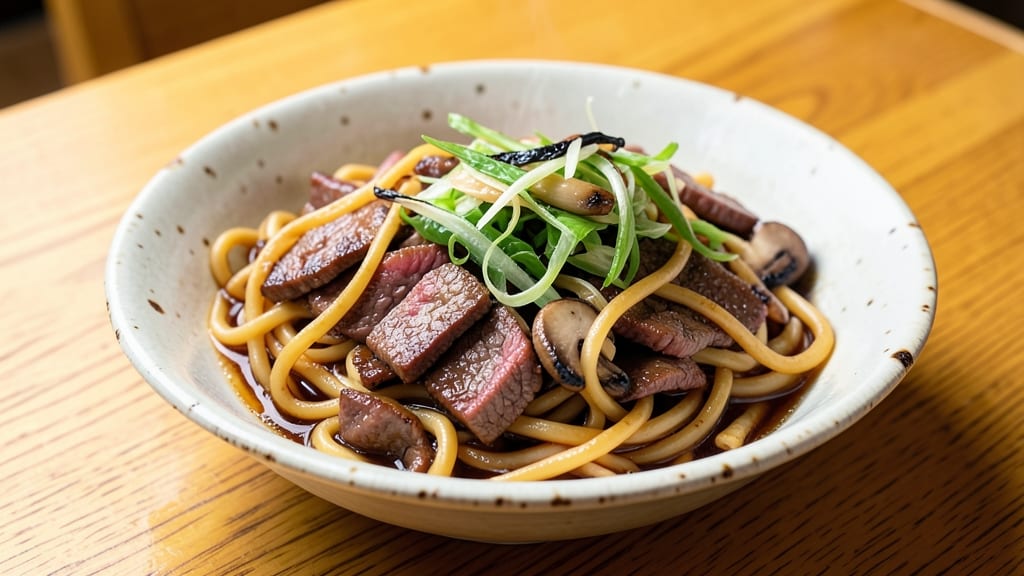
This authentic beef yakisoba recipe delivers the smoky, savory depth of Japanese street food right in your kitchen. The secret lies in high-heat wok technique that transforms silky yakisoba noodles into crispy-edged perfection while searing thin beef slices to tender, caramelized strips.
I've perfected this dish after years of studying traditional yakisoba houses—where the magic happens in the wok's rapid heat and the balance of umami-rich sauce.
What sets this recipe apart is the authentic sauce blend: a fusion of Worcestershire, soy, and a touch of mirin that mimics the complex flavors of Japanese yakisoba sauces without requiring hard-to-find ingredients.
The beef gets marinated in a simple but potent mix of garlic, ginger, and sake, while the noodles cook just until al dente before getting tossed in the wok with everything else. Every bite delivers that signature wok-hei aroma—smoky, slightly charred, and deeply satisfying.
The finishing touches are where this dish truly shines: crispy fried shallots for texture, a drizzle of rich Japanese mayonnaise for creaminess, and traditional toppings like bonito flakes and pickled ginger that add layers of umami and brightness.
This isn't just another stir-fry—it's a restaurant-quality dish that captures the soul of Japanese comfort food. The combination of chewy noodles, tender beef, and that perfect smoky sauce is what makes this recipe worth mastering.
Perfect for weeknight dinners or special occasions, this yakisoba comes together in about 30 minutes with minimal prep.
The key is keeping everything hot and moving quickly in the wok—once you experience that first bite of perfectly balanced flavors and textures, you'll understand why this dish has been a Japanese staple for decades. Let's get cooking!
Ingredients for authentic beef yakisoba
Authentic yakisoba relies on precise ingredients and wok technique for that signature smoky crunch.
| Ingredient | Amount | Notes |
|---|---|---|
| Yakisoba Noodles 🍜 | 12 oz | Fresh or high-quality dried, cut into 3-inch pieces |
| Thinly Sliced Beef 🥩 | 1 lb | Ribeye or sirloin, cut against grain into strips |
| Japanese Worcestershire Sauce 🥄 | 2 tbsp | Or regular Worcestershire in a pinch |
| Light Soy Sauce 🥄 | 2 tbsp | Use light-colored for authentic appearance |
| Mirin 🍶 | 1 tbsp | Sweet rice wine, essential for balance |
| Sake 🍶 | 1 tbsp | Dry sake preferred for authentic flavor |
| Garlic Cloves 🧄 | 4 cloves | Minced, fresh for maximum aroma |
| Fresh Ginger 🌿 | 1 tbsp | Finely grated, peeled |
| Neutral Oil 🫒 | 2 tbsp | Vegetable or canola for high-heat searing |
| Shallots 🧅 | 2 whole | Thinly sliced, for crispy garnish |
| Japanese Mayonnaise 🥣 | ¼ cup | Kewpie brand preferred for authentic texture |
| Bonito Flakes 🐟 | 1 tbsp | Optional, for umami depth |
| Pickled Ginger 🍈 | 2 tbsp | Thinly sliced, for brightness |
| Sesame Seeds 🌾 | 1 tsp | Toasted, for finishing garnish |
| Diamond Crystal Kosher Salt 🧂 | 1 tsp | For seasoning, adjust to taste |
The beef is non-negotiable for authenticity—ribeye or sirloin cuts deliver the best marbling and tenderness. Slice it against the grain into paper-thin strips for that signature wok-fired texture. Look for fresh yakisoba noodles at Asian markets if possible; they hold their chew better than dried. For the sauce, Japanese Worcestershire (available at specialty stores) elevates the umami, but regular Worcestershire works in a bind. The mirin and sake can be found in the Asian aisle of most grocery stores—Kikkoman makes reliable versions. Fresh ginger and garlic are essential; pre-minced versions lack the punch needed for that restaurant-quality depth.
No Japanese Worcestershire? Substitute with a mix of regular Worcestershire and a dash of fish sauce—just be mindful of the fish content. Running low on mirin? Dry sherry works at half the amount, though it won't be identical. The shallots can be swapped for regular onions if needed, but they add a delicate sweetness that's worth seeking out. For the bonito flakes, dried shiitake mushrooms make a vegetarian alternative—simmer them in water to create a dashi-like broth. The pickled ginger can be omitted if you prefer, but it's that bright pop of acidity that cuts through the richness. Toast your sesame seeds in a dry pan for 30 seconds until fragrant—this tiny step makes a huge difference in flavor.
Store the beef marinade (sauce minus oil) in an airtight container for up to 3 days in the fridge. The noodles keep best when stored dry in their packaging, but once cooked, they're best used within 2 days for optimal texture. For the fried shallots, fry in batches until golden and crispy—drain on paper towels immediately to prevent sogginess. This dish reheats beautifully; cover with foil and warm in a skillet over medium heat for 3-4 minutes. The flavors actually deepen overnight, so leftovers make an even better lunch. Portion into containers with the sauce on the side to maintain that signature crispy texture.
Why You'll Love This Recipe
- One-Pan Magic: I swear by this—just toss the noodles, beef, and sauce in one skillet, and boom, dinner’s done. No boiling pots, no extra dishes, and that caramelized beef? It practically cooks itself.
- Umami Bomb: That combo of Japanese Worcestershire and mirin? It’s like a flavor explosion in your mouth. The beef stays tender, the noodles get that perfect chewy bite, and the sauce clings like a cozy hug.
- Lunchbox Hero: Make a double batch, and you’ve got next-day lunches that’ll make your coworkers jealous. The noodles reheat beautifully, and the beef stays juicy—no sad, rubbery leftovers here.
- Budget Powerhouse: Thinly sliced beef stretches further than you’d think, and the sauce ingredients are cheap but pack a punch. Honestly, I feed my whole family for half the cost of takeout, and it tastes way better.
Step-by-step instructions for authentic beef yakisoba
Master the wok technique and flavor balance for restaurant-quality yakisoba at home.
Prepare the Yakisoba Noodles
Cook the 12 oz yakisoba noodles according to package instructions until al dente—about 3-4 minutes in boiling water. Drain immediately and rinse under cold water to stop the cooking process. This prevents the noodles from becoming mushy when stir-fried later.
Transfer the noodles to a large bowl and toss with 1 tablespoon neutral oil to prevent sticking. Keep them covered while you prepare the remaining ingredients. The slight oil coating also helps create that signature wok-fired sheen on the finished dish.
Sear the Beef and Build the Flavor Base
Heat a wok or large skillet over high heat until smoking, then add 2 tablespoons neutral oil. Working in batches if needed, add the 1 lb thinly sliced beef and sear for 1-2 minutes until deep brown and just cooked through. Remove the beef and set aside.
In the same wok, add 2 whole shallots and cook for 1 minute until golden. Add 4 cloves minced garlic and 1 tablespoon finely grated fresh ginger, cooking for 30 seconds until fragrant. This aromatic base forms the flavor foundation for the entire dish.
Create the Signature Yakisoba Sauce
Pour in 2 tablespoons Japanese Worcestershire sauce, 2 tablespoons light soy sauce, 1 tablespoon mirin, and 1 tablespoon sake. Stir vigorously to deglaze the wok, scraping up all the browned bits that contain concentrated flavor. Let the sauce simmer for 1-2 minutes until slightly reduced.
Return the seared beef to the wok and toss everything together. Add 1 tablespoon bonito flakes (if using) and let them sizzle for 30 seconds to release their umami depth. The sauce should coat the beef and noodles evenly—this is the moment where all flavors come together.
Combine and Finish with Mayonnaise
Add the prepared noodles to the wok and toss everything together for 2-3 minutes over high heat until the noodles are fully coated and slightly charred in spots. The high heat is crucial here—it creates that authentic wok-fired texture while keeping the noodles silky.
Remove from heat and stir in 0.25 cup Japanese mayonnaise until fully incorporated. The mayonnaise adds that signature creamy richness that balances the savory-sweet sauce. Taste and adjust seasoning with 1 tsp Diamond Crystal kosher salt if needed.
Garnish and Serve Immediately
Transfer the yakisoba to serving plates and garnish with 2 tablespoons thinly sliced pickled ginger and 1 tsp toasted sesame seeds. The pickled ginger adds a bright, tangy contrast to the rich flavors, while the sesame seeds provide a nutty crunch.
Serve immediately while the noodles are still hot and the flavors are at their peak. The dish should have perfect texture contrast—silky noodles, tender beef, and crispy shallots—all bound together by the glossy, balanced sauce. This is the authentic yakisoba experience.
Pro Tips For Making Authentic Beef Yakisoba
- Cook Beef in Batches: Thinly sliced beef dries out fast when tossed with noodles. Sear it in 2-3 batches over high heat—just 30 seconds per side—until edges crisp slightly. Set aside before adding noodles, or it’ll turn rubbery while you work on the rest.
- Dry the Noodles First: Yakisoba noodles clump like glue if they’re damp. Rinse them just until they’re clean, then spread on a towel and pat dry with paper towels. This keeps the stir-fry from turning into a soup.
- Simmer Sauce Separately: Mix Worcestershire, light soy, and mirin in a small saucepan—heat until it thickens slightly (about 2 minutes). This balances the sweetness and salt better than dumping it raw into the pan. Trust me, your taste buds will notice.
- Use a Splatter Screen: Beef yakisoba is messy. Place a wire rack or splatter screen over the pan while searing the beef—it catches flying bits so your stove stays clean. No scrubbing, no regrets. (Yes, even if you’re impatient like me.)
Creative variations of this dish
Spicy Pork Yakisoba
Swap the beef for ½ lb thinly sliced pork belly (or pork loin) and add 1 tbsp gochujang (Korean chili paste) to the sauce for a bold, spicy twist. Marinate the pork in 1 tbsp soy sauce, 1 tbsp mirin, and ½ tsp grated ginger for 30 minutes before cooking.
Garnish with sliced green onions and a drizzle of sriracha mayo for extra heat. 🌶️
Vegetarian Mushroom Yakisoba
Replace the beef with 8 oz shiitake mushrooms (sliced) and ½ lb king oyster mushrooms (cut into strips). Sauté the mushrooms first until golden, then proceed with the recipe.
Boost umami with 1 tsp dashi powder in the sauce. Top with crispy fried onions and vegan mayo for a hearty, meat-free version.
Seafood Yakisoba
Use ½ lb shrimp (peeled and deveined) and ½ lb scallops (sliced) instead of beef. Sear the seafood separately in 1 tbsp oil for just 1-2 minutes per side to avoid overcooking.
Add ½ tsp Old Bay seasoning to the sauce for a coastal-inspired flavor. Garnish with lemon wedges and chopped chives for brightness. 🍤
Korean-Inspired Yakisoba
Infuse the dish with Korean flavors by adding 1 tbsp gochugaru (Korean chili flakes) and 1 tbsp doenjang (fermented soybean paste) to the sauce.
Use bulgogi-marinated beef (marinate in 1 tbsp soy sauce, 1 tbsp brown sugar, 1 tbsp sesame oil, and 1 tsp garlic) for a sweeter, spicier profile. Finish with kimchi and sesame seeds for authenticity.
Winter Comfort Yakisoba
Add ½ cup corn kernels and ½ cup diced sweet potato to the wok for a heartier, seasonal twist. Sweeten the sauce with 1 tsp honey and top with crispy fried shallots and a dollop of Kewpie mayo.
The combination of sweet, savory, and umami makes this perfect for cold weather. ❄️
Quick Weeknight Yakisoba
Cut prep time by 15 minutes using pre-cooked yakisoba noodles (found in the refrigerated section of Asian markets). Swap the beef for ½ lb pre-marinated beef strips (like those used in bulgogi) and skip the bonito flakes.
Serve with store-bought Japanese mayo and pickled vegetables for a fast but still flavorful meal.
Nutrition facts
Frequently asked questions
Can I use regular spaghetti instead of yakisoba noodles?
While you can technically use spaghetti, it won't give you that authentic texture and flavor. Yakisoba noodles are specially designed to be chewy yet tender when stir-fried at high heat. For the best results, look for fresh yakisoba noodles at Asian markets or use high-quality dried yakisoba noodles. If you're in a pinch, try udon noodles as a second choice—they're thicker and hold up better than spaghetti.
What's the secret to getting crispy edges on the noodles?
The secret lies in the wok technique and timing! Cook the noodles just until al dente, then toss them in the hot wok with the beef and sauce. The high heat and constant tossing create those beautiful crispy edges while keeping the centers silky. Work quickly and keep everything moving—overcrowding the wok will steam the noodles instead of crisping them. A well-heated wok is absolutely critical for that authentic texture!
Can I make this recipe without a wok?
While a wok is ideal for authentic wok-hei flavor, you can use a large skillet or cast-iron pan with high sides. The key is maintaining high heat and keeping everything moving. If your pan isn't wide enough, cook in batches. For extra smokiness, char the noodles slightly in spots by letting them touch the pan for a few seconds before stirring. The flavor will still be delicious, just with slightly less dramatic wok aroma.
How do I adjust the spiciness level?
This recipe naturally has a mild, savory-sweet profile, but you can easily adjust it. For more heat, add ½ teaspoon of red pepper flakes to the sauce or serve with sriracha on the side. If you prefer less saltiness, reduce the soy sauce to 1 tablespoon and add a splash of mirin or rice vinegar for brightness. The Japanese mayo already adds a subtle richness that balances any heat you introduce.
Can I prepare this dish ahead of time?
While yakisoba is best served fresh, you can prep components ahead for a quicker assembly. Cook the noodles and store them in the fridge for up to 2 days (toss with oil to prevent sticking). Marinate the beef and store separately for 3 days. When ready to serve, reheat everything in the wok over high heat for 3-4 minutes, adding a splash of water if needed to restore moisture. The crispy texture will be slightly reduced, but the flavors will still be fantastic!