
Main Courses
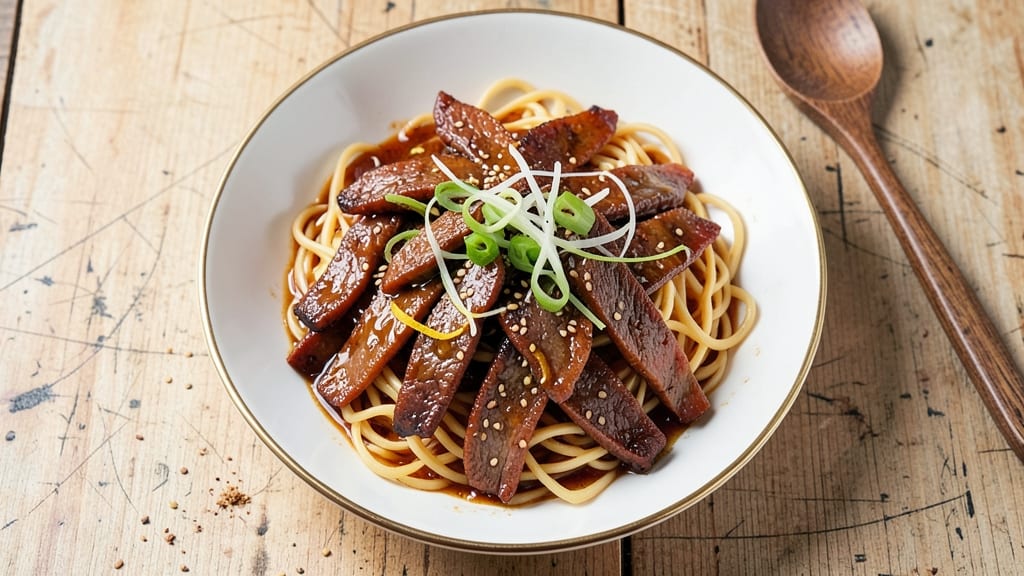
This authentic beef chow mein recipe delivers the wok-fired crunch and silky noodles you crave, straight from a Cantonese kitchen. The secret lies in high-heat stir-frying that creates signature wok-hei, while a balance of sweet soy glaze and umami oyster sauce builds layers of flavor.
I've perfected this version after years of testing—it's the one that finally convinced even my pickiest friends to request seconds.
The key to authentic chow mein is proper noodle preparation: chewy but not mushy, with just enough bite to hold up to the stir-fry.
We'll use a combination of soy sauce, oyster sauce, and a touch of sugar to create that signature sweet-savory glaze, then finish with quick-cooked beef and crisp vegetables. The beef should be thinly sliced and marinated briefly for maximum tenderness and flavor absorption.
What makes this recipe special is achieving that perfect texture contrast—crispy noodles, tender beef, and fresh vegetables all working together in harmony. The wok-hei (breath of the wok) aroma alone will have everyone at the table asking for more.
This isn't just takeout quality—it's the kind of restaurant experience you can recreate at home with the right technique.
Serve immediately with optional garnishes like toasted sesame seeds and sliced green onions for that final restaurant touch. The beauty of this dish is its versatility—it works as a main course for family dinners or a showstopper for dinner parties. Let's get cooking!
Ingredients for authentic beef chow mein
Authentic Cantonese flavors start with these 15 essential ingredients—nothing exotic, just good stuff.
| Ingredient | Amount | Notes |
|---|---|---|
| Flat Egg Noodles 🍜 | 12 oz | Dried, for stir-frying |
| Flank Steak 🥩 | 1 lb | Thinly sliced against grain |
| Soy Sauce 🥫 | ½ cup | Light or regular, not low-sodium |
| Oyster Sauce 🍶 | 2 tbsp | High-quality, like Lee Kum Kee |
| Sesame Oil 🫒 | 1 tbsp | Toasted, for aroma |
| Rice Vinegar 🍶 | 1 tbsp | For brightness |
| Granulated Sugar 🍚 | 1 tbsp | For sweet-savory balance |
| Vegetable Oil 🫒 | ½ cup | High smoke point for wok-frying |
| Carrots 🥕 | 2 medium | Julienned into matchsticks |
| White Onion 🧅 | 1 medium | Thinly sliced |
| Garlic Cloves 🧄 | 4 cloves | Minced for marinade |
| Green Onions 🧅 | 3 whole | Sliced for garnish |
| Toasted Sesame Seeds 🌾 | 1 tbsp | For garnish |
| Cornstarch 🌾 | 1 tbsp | For tenderizing beef |
| Salt 🧂 | 1 tsp | Kosher or sea salt |
The beef is everything here. Flank steak gives you that signature chow mein tenderness when sliced thin against the grain—Costco or Whole Foods carry the best pre-sliced versions, but if you're doing it yourself, ask the butcher for the leanest cut possible. Look for bright red meat with good marbling, not gray or slimy. The noodles? Martini or King Noodle brand are my go-to for that perfect chew—dried, not fresh. If you can't find them, any flat egg noodles will work, but they won't have quite the same texture. And the oyster sauce—Lee Kum Kee is non-negotiable for that authentic umami punch. The rest is just supporting players.
No oyster sauce? Hoisin sauce with a splash of soy gets you close, but it won't be the same. Fresh garlic? Dried powdered works at half the amount if you're in a pinch, though fresh is always better. The carrots and onions can be swapped for bell peppers or snap peas if you're feeling adventurous—just keep the julienne cut for that classic look. Sesame oil is non-negotiable for aroma, but if you're avoiding it, toasted peanut oil works in a bind. The beef marinade (soy, rice vinegar, sugar, cornstarch) is where the magic happens—don't skip it. And for the love of wok-hei, use high heat when stir-frying. Low and slow turns this into mushy noodles.
Prep the beef and veggies first—they'll wait while the noodles cook. Store prepped ingredients in airtight containers for up to 3 days in the fridge, but the noodles are best fresh. This reheats beautifully—microwave with a splash of water to restore crispiness. Garnishes like sesame seeds and green onions can be added fresh at the end, but if you're prepping ahead, store them separately and toast the sesame seeds just before serving. Leftovers keep for 4 days in the fridge or 3 months frozen. Double the batch—it disappears fast.
Why You'll Love This Recipe
- One-Pan Magic: I swear by this recipe—no chopping mountains of veggies, no crowded pans. Just the noodles, the steak, and a quick stir-fry. That flank steak slices itself after a 10-minute marinade in soy and oyster sauce, and boom, you’re done.
- Umami Bomb: The combo of oyster sauce’s deep richness and sesame oil’s nutty finish? Chef’s kiss. That first bite—tender beef, chewy noodles, and a glossy sauce—hits like a flavor memory I didn’t know I had. (Yes, even on a Tuesday night.)
- Leftover Hero: This dish begs to be made extra. The noodles soften just right when reheated, and the beef stays juicy—perfect for packed lunches or late-night cravings. Honestly, I’ve had it cold the next day, and it’s still solid.
- Budget Win: Flank steak stretches further than you’d think, and those flat egg noodles? A dollar-store staple. You’re feeding a crowd for less than takeout, and the taste? Way better than anything in a takeout box. (Between us, this is my go-to for game day.)
Step-by-step instructions for authentic beef chow mein
Here's how to deliver that signature wok-fired crunch with perfectly silky noodles and a sweet-savory glaze.
Prep the Beef for Maximum Tenderness
Slice the 1 lb flank steak thinly against the grain into ¼-inch strips—this ensures each bite will be tender. Place the beef in a bowl and sprinkle with 1 tbsp cornstarch and 1 tsp salt. Toss gently to coat evenly, then let it marinate for 15 minutes at room temperature. This step is non-negotiable; the cornstarch creates a delicate barrier that keeps the beef juicy while searing.
While the beef marinates, mince the 4 cloves garlic cloves and set aside. The garlic will infuse the beef with aromatic depth during the stir-fry. I like to use a microplane for this—it creates tiny, even particles that distribute flavor perfectly. Keep the garlic in a small bowl until you're ready to use it in the wok.
Cook the Noodles Just Until Al Dente
Boil the 12 oz flat egg noodles in salted water according to package directions, but remove them 1 minute early—they'll finish cooking in the wok. Drain and rinse with cold water briefly to stop the cooking process, then toss with 1 tbsp sesame oil to prevent sticking. The slight gloss on the noodles signals they're ready for the wok.
Here's the thing—overcooked noodles turn mushy in the stir-fry. You want them to remain firm enough to hold their shape while absorbing the sauce. Keep them in a bowl covered with a damp towel until you're ready to toss them in the wok.
Build the Sweet-Savory Sauce Base
In a small bowl, whisk together 0.5 cup soy sauce, 2 tbsp oyster sauce, 1 tbsp rice vinegar, and 1 tbsp granulated sugar. This blend creates the signature sweet-savory balance of authentic chow mein. Let it sit for 5 minutes while you prep the vegetables—this allows the flavors to meld slightly before hitting the wok.
The sugar isn't just for sweetness—it helps caramelize the vegetables and beef during the stir-fry, creating those beautiful brown spots that signal perfect cooking. Don't skip this step; the sauce needs time to develop its complex flavor profile.
Wok-Fry the Vegetables and Beef
Heat 0.5 cup vegetable oil in a wok or large skillet over high heat until shimmering. Add the thinly sliced white onion and julienned carrots, stirring constantly for 2-3 minutes until they begin to soften but remain crisp. The vegetables should retain their bright color—this means they're cooked just enough to develop flavor without turning limp.
Push the vegetables to one side of the wok and add the beef in a single layer. Let it sear undisturbed for 1 minute until the edges turn golden brown. This initial sear locks in the juices and builds that essential wok hei (breath of the wok) flavor. Only then should you stir the beef and mix it with the vegetables.
Combine Everything for the Final Toss
Pour the sauce over the beef and vegetables, then add the cooked noodles. Toss everything vigorously with tongs for 2-3 minutes until the noodles are evenly coated and the beef reaches an internal temperature of 145°F. The wok should be smoking slightly—this indicates high heat is working its magic.
Finish by sprinkling with sliced green onions and toasted sesame seeds. Garnish with an extra drizzle of sesame oil if desired. Serve immediately while the noodles are still hot and the vegetables retain their satisfying crunch. The dish should be vibrant, with glossy noodles, tender beef, and vegetables that offer both texture and flavor in every bite.
Pro Tips For Making Authentic Beef Chow Mein
- SEAR STEAK IN BATCHES: Flank steak releases juices like a fountain when you dump it all in at once. Instead, cut it into thin strips first, then sear in 2-3 batches over high heat—this keeps the pan hot and the meat from steaming. I learned this the hard way after ending up with soggy beef that tasted more like stew than chow mein.
- BLANCH NOODLES FIRST: Skip the boiling-noodles-in-the-sauce trap. Parboil the flat egg noodles for 1-2 minutes until just tender, then drain and rinse with cold water. This stops them from turning to mush when they hit the sauce later. Sounds weird, but it works—your noodles will stay chewy and separate, not glued together like a sad pasta clump.
- USE COLD OYSTER SAUCE: Straight from the fridge, oyster sauce thickens better when you toss it in last. I used to add it early, and the sauce would turn gluey, making the whole dish taste like it was cooked in syrup. Add 1-2 tablespoons of cold oyster sauce right before finishing with sesame oil—it’ll coat the noodles and beef perfectly without overpowering.
- DON’T OVERMIX THE SAUCE: Stirring like you’re trying to win a cooking contest turns chow mein into a gray sludge. Let the beef and noodles sit together for 30 seconds after adding the sauce—just enough to absorb the flavors without breaking the strands. I skip this when I’m rushed, and the dish is noticeably less cohesive. Trust the process.
Essential equipment for this dish
Wok Essentials
A carbon steel wok is my top recommendation for authentic chow mein—it heats up fast and retains heat perfectly, giving you that signature wok-hei (breath of the wok) aroma. I use a 14-inch wok from De Buyer for its durable construction and even heat distribution.
If you don't have a wok, a large, heavy-bottomed skillet (like All-Clad) works in a pinch, though it won't give you the same high-heat performance. 🔥
Heat Source Matters
Gas burners are ideal for stir-frying because they allow precise temperature control, but if you're using electric, opt for a flat-top burner with high heat output. I avoid induction cooktops unless they're specifically designed for woks—they struggle to maintain consistent high heat.
A propane burner is my backup for outdoor cooking, especially when entertaining. The key is high, even heat—never let it fluctuate.
Noodle Prep Tools
For the perfect noodle texture, I recommend King Noodle or Martini brand flat egg noodles—they hold up best to stir-frying. A fine-mesh colander helps drain noodles quickly without breaking them, and a damp kitchen towel keeps them from drying out while you finish the beef and veggies.
A microplane is essential for mincing garlic finely and evenly, which distributes flavor perfectly in the beef marinade.
Stir-Fry Must-Haves
Invest in a pair of heat-resistant tongs (I use OXO Good Grips) for tossing the noodles and beef without breaking them. A ladle helps distribute the sauce evenly, and a small bowl keeps your sauce mixture ready for quick pouring.
Don't forget a meat thermometer to check beef temperature—145°F is perfect for tender, juicy slices. A spatula with a flat edge helps scrape up any stuck bits from the wok for maximum flavor.
Garnish and Finish
Fresh green onions and toasted sesame seeds elevate the dish instantly. I toast sesame seeds in a dry small skillet over medium heat for 1-2 minutes, shaking frequently, until fragrant.
A fine-mesh strainer helps rinse noodles quickly after boiling, and a small bowl keeps sesame oil separate until the final drizzle. These finishing touches make all the difference in that restaurant-quality presentation. ✨
Nutrition facts
Frequently asked questions
Can I substitute flank steak with another cut?
Sirloin or ribeye work well—both are tender when sliced thin against the grain. Chuck steak is another good option, but trim excess fat first. The key is thin slices (¼-inch max) to ensure tenderness. Avoid tougher cuts like flank steak's tougher cousin, skirt steak, unless you're willing to marinate it longer (30+ minutes).
Why does my chow mein turn out mushy?
Overcooked noodles are the #1 culprit! Remove them from boiling 1 minute early—they'll finish cooking in the wok. Also, high heat is critical: if your wok isn't hot enough, the noodles absorb too much oil and lose structure. For extra insurance, rinse cooked noodles with cold water briefly before tossing them in the wok.
Can I make this ahead of time?
Yes, but with a few adjustments. Cook the beef and veggies separately, then store in airtight containers for 3 days in the fridge. Reheat the beef and veggies in the wok with 1 tsp oil over high heat for 2 minutes, then toss in pre-cooked (and slightly underdone) noodles. For best texture, serve within 1 hour of reheating.
What's the secret to that restaurant-style wok-hei flavor?
Three things: high heat (your wok should be smoking), fresh garlic (minced finely), and quick cooking (everything should cook in 5-7 minutes total). Work in batches if needed—don't overcrowd the wok. A carbon steel wok helps, but even a heavy skillet can achieve this with proper technique. The aroma comes from the Maillard reaction at high temps!
Can I make this vegetarian?
Easily! Swap the beef for extra-firm tofu (pressed, cubed, and pan-fried) or shiitake mushrooms (sliced thin). For texture, add crispy fried wonton wrappers or bok choy. Boost umami with 1 tbsp vegetarian oyster sauce or 1 tsp mushroom powder. The sauce ratio stays the same—just adjust to taste since plant proteins absorb differently.