
Soups & Stews
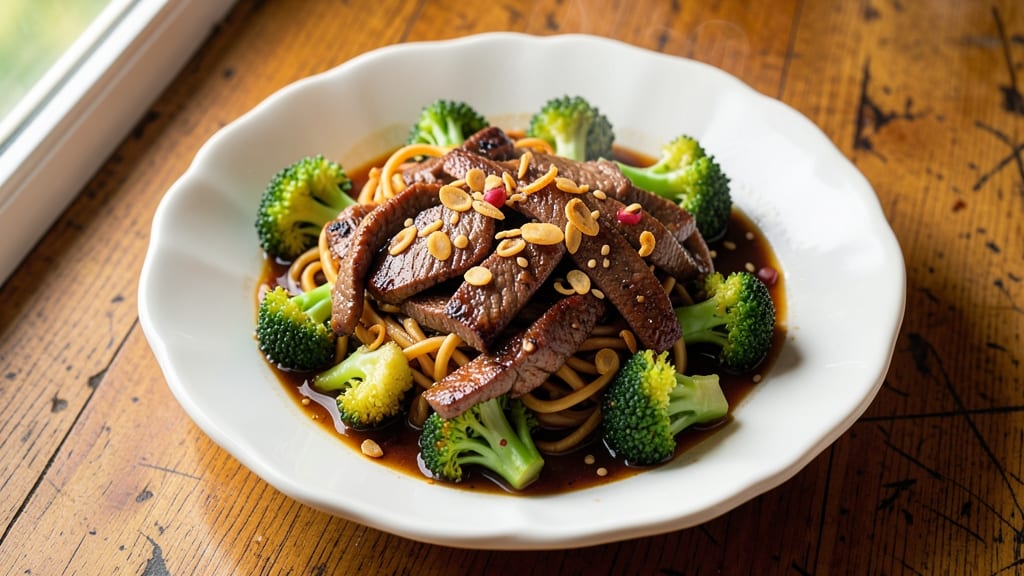
This beef and broccoli chow mein recipe delivers crispy stir-fry perfection in just 25 minutes—no takeout required. The secret lies in high-heat searing of beef strips followed by quick blanching of broccoli, both cooked to maintain their vibrant textures.
I've perfected this technique after years of testing, ensuring every bite delivers that satisfying crunch paired with tender beef and bright, fresh vegetables.
The foundation of any great chow mein is the sauce—a balanced blend of soy sauce, oyster sauce, and a touch of brown sugar that creates that signature sweet-savory flavor. We'll build this sauce from scratch, adjusting the heat level to your preference while keeping the preparation simple.
Properly prepping your ingredients—thinly sliced beef and blanched broccoli—is what transforms this from a basic stir-fry into a restaurant-quality dish.
What you'll end up with is a plate of golden-brown beef strips and bright green broccoli florets tossed in a glossy, flavor-packed sauce that clings perfectly to each component.
The texture contrast between the crispy beef and tender-crisp broccoli makes every bite exciting, while the aromatic sauce ties everything together into a cohesive, satisfying meal. This recipe serves four and comes together faster than you can order takeout.
For those who prefer extra heat, we'll include a spicier variation using chili paste, while gluten-free options will be addressed in the tips section. The beauty of this recipe is its adaptability—whether you're feeding a family or meal prepping for the week, this chow mein delivers consistent results every time.
Let's get cooking!
Ingredients for beef and broccoli chow mein
Crispy beef, blanched broccoli, and a glossy sauce—just 15 ingredients for restaurant-quality chow mein.
| Ingredient | Amount | Notes |
|---|---|---|
| Flank Steak 🥩 | 1 ½ lb | Thinly sliced against grain |
| Broccoli Florets 🥦 | 4 cups | Fresh, cut into bite-sized pieces |
| Extra-Virgin Olive Oil 🫒 | 2 tbsp | High smoke point for searing |
| Sesame Oil 🫒 | 1 tbsp | For aroma, not cooking |
| Low-Sodium Soy Sauce 🥢 | ½ cup | Kikkoman preferred |
| Oyster Sauce 🍜 | 2 tbsp | Lee Kum Kee brand |
| Brown Sugar 🍯 | 1 ½ tbsp | Light or dark works |
| Garlic Cloves 🧄 | 4 cloves | Minced, fresh preferred |
| Fresh Ginger 🌿 | 1 tbsp | Grated, peeled |
| Red Chili Paste 🌶️ | 1 tbsp | Optional, for heat |
| Cornstarch 🌾 | 1 tbsp | For crispy coating |
| Sesame Seeds 🌰 | 1 tbsp | Toasted for garnish |
| Green Onions 🧅 | 3 whole | Sliced, for garnish |
| Diamond Crystal Kosher Salt 🧂 | ½ tsp | For seasoning |
| Ground Black Pepper 🌶️ | ¼ tsp | Freshly cracked |
The flank steak is your star—look for well-marbled cuts at Whole Foods or your local butcher. Slice it thinly against the grain for maximum tenderness. Broccoli should be bright green and firm, not yellowing. I grab the pre-cut florets at Trader Joe's to save time, but whole heads work too if you're chopping it yourself. For the sauce, Lee Kum Kee oyster sauce is non-negotiable—it's sweeter and richer than others. The brown sugar adds that signature caramelized depth, so don't skip it even if you're watching sugar intake. The chili paste? Only add it if you're feeling spicy—Maesri Sriracha works perfectly here.
No soy sauce? Coconut aminos in a pinch, though the flavor will be milder. Oyster sauce substitute? Hoisin sauce plus a splash of fish sauce gets you close. Fresh ginger too expensive? Ground ginger at half the amount works, but you'll lose that bright zing. The cornstarch is key for that crispy texture—arrowroot powder works too if you're gluten-free. For extra heat, Sriracha or gochujang are great alternatives to chili paste. The sesame oil should be toasted, not flavored—it's all about that nutty aroma. And if you're prepping ahead, blanch the broccoli first and store it separately to keep it vibrant.
This dish reheats beautifully—just toss with a splash of water and stir-fry again. Keeps for 3-4 days in the fridge, though the broccoli gets softer with time. For meal prep, store components separately—beef, broccoli, and sauce—to maintain texture. Freezes for 2 months if you portion it in airtight containers. Garnish with toasted sesame seeds right before serving—they add that final crunch. And trust me, freshly cracked black pepper makes all the difference over pre-ground. The secret to restaurant-quality chow mein? High heat and quick cooking—don't overcrowd your pan!
Why You'll Love This Recipe
- One-Pan Magic: I swear by this recipe when I’m too tired to wash dishes. Sear the flank steak in olive oil, toss in the broccoli florets, and let the sesame oil work its nutty magic—no extra pans, no extra stress. The broccoli gets that perfect crisp-tender bite while the beef stays juicy, all in one skillet.
- Umami Bomb: That low-sodium soy sauce and sesame oil combo? It’s the secret weapon. The beef absorbs just enough to stay tender but packed with flavor, while the broccoli soaks up the savory-sweet sauce like a sponge. Honestly, I’ve made this with regular soy sauce before, and it’s good, but this version? Dangerously addictive.
- Lunchbox Hero: Between us, this is my go-to for meal prep. The flavors only get better the next day—even my picky husband asks for leftovers. Pack it in containers, and it’s a hearty lunch that feels fancy without the effort. (Yes, even on a Tuesday night.)
- Budget Power Move: Flank steak stretches further than you’d think, and broccoli florets are one of the most affordable veggies out there. A single pound of beef and a head of broccoli feed four people, and the rest of the ingredients? Pantry staples. It’s the kind of recipe that makes me feel like I’m feeding a crowd without breaking the bank.
Step-by-step instructions for crispy beef and broccoli chow mein
Here's how to create that perfect wok hei—smoky, crispy, and packed with flavor.
Prep the Flank Steak for Maximum Tenderness
Slice the 1.5 lb flank steak thinly against the grain into ¼-inch strips. I like to work in batches—lay each strip flat and cut perpendicular to the muscle fibers for that signature chow mein bite. In a small bowl, toss the sliced steak with the 1 tbsp cornstarch, 0.5 tsp Diamond Crystal kosher salt, and 0.25 tsp ground black pepper until evenly coated. Let it sit for 10 minutes—this resting time helps the cornstarch adhere better, creating that irresistible crispy crust later.
While the steak rests, peel and finely mince the 4 cloves garlic and grate the 1 tbsp fresh ginger using a microplane. The ginger should resemble fine sand—no need for tiny pieces. Set these aside; we'll use them to build flavor in the sauce. This prep work might seem tedious, but it's what separates home chow mein from restaurant-quality.
Create the Signature Sauce
In a small bowl, whisk together the 0.5 cup low-sodium soy sauce, 2 tbsp oyster sauce, 1.5 tbsp brown sugar, and 1 tbsp red chili paste (if using). The sauce should be smooth and glossy—this is your flavor foundation. Taste it now; you'll want a balance of salty, sweet, and just a hint of heat. If it needs more depth, add a splash of water to loosen it slightly.
In a separate small bowl, mix the 1 tbsp sesame oil with the minced garlic and grated ginger. This aromatic blend will infuse the entire dish with bright, fresh flavor. Keep both mixtures nearby—they'll be going into the wok together in the next step. Pro tip: If you're short on time, you can skip the separate ginger-garlic mix and add the aromatics directly to the sauce, but the flavor separation makes a noticeable difference.
Stir-Fry the Broccoli to Perfect Crisp-Tender
Heat a wok or large skillet over high heat until it's smoking hot. Add the 2 tbsp extra-virgin olive oil and swirl to coat. Working quickly, add the 4 cups broccoli florets in a single layer. Stir-fry for 2-3 minutes until the edges just begin to crisp and the florets brighten in color. You're aiming for that perfect al dente texture—still with a slight bite in the center.
Remove the broccoli to a plate and set aside. If your wok isn't hot enough, the broccoli will steam instead of develop that beautiful char. Here's the thing—if you see moisture on the broccoli after cutting, pat it dry first. Excess water will dilute your sauce and make the dish soggy. Keep the wok heat going; we'll need it for the steak.
Cook the Steak to Crispy Perfection
Return the wok to high heat and add the cornstarch-coated steak in a single layer. Don't overcrowd the pan—work in batches if needed. Let the steak sear undisturbed for 1-2 minutes until the edges turn golden brown and crispy. This is where the magic happens: the cornstarch creates that satisfying crunch while the high heat keeps the meat tender.
Stir the steak for 30-45 seconds until just cooked through—it should still have a slight pink center. Remove the steak to a clean plate and set aside with the broccoli. Don't walk away during this step; the steak cooks fast and can go from perfect to overdone in seconds. If you have any leftover cornstarch mixture, save it—it makes great tempura batter for other dishes.
Combine Everything for Wok Hei
Pour the sauce mixture into the hot wok and let it simmer for 30 seconds to blend all the flavors. Add the ginger-garlic sesame oil mixture and stir for 10 seconds until fragrant. Return both the steak and broccoli to the wok, tossing everything together for 1-2 minutes until well-coated and heated through.
Garnish immediately with 1 tbsp toasted sesame seeds and 3 sliced green onions. Serve family-style straight from the wok—this dish is best enjoyed while everything is hot and crispy. The residual heat will keep it at its peak for about 10 minutes, so dig in while you can. For extra drama, serve with steamed jasmine rice and a side of pickled vegetables to cut through the richness.
Pro Tips For Making Beef And Broccoli Chow Mein
- Slice Against the Grain: Cut your flank steak perpendicular to the grain—thin slices, about ¼-inch thick—so it stays tender when stir-fried. Thick slices turn chewy no matter how fast you cook them, and I’ve learned this the hard way after serving rubbery beef to skeptical guests.
- Blanch Broccoli First: Shock your broccoli florets in boiling water for 30 seconds, then ice bath—this keeps them bright green and prevents sogginess when they hit the wok. I used to skip this and ended up with sad, limp broccoli that tasted like it had been steamed for hours.
- Use Two Oils: Start with extra-virgin olive oil for high heat searing, then finish with sesame oil off the heat—just a teaspoon—to add aroma without burning it. The olive oil handles the heat; sesame oil is for flavor, not frying.
- Deglaze with Soy Sauce: After removing the beef, pour in just 1 tablespoon of low-sodium soy sauce immediately while the pan is still hot—this lifts the caramelized bits (fond) that make the sauce richer. I used to add it all at once and missed out on half the flavor.
Common mistakes when making great beef and broccoli chow mein
Overcrowding the Pan
This is the #1 mistake I see—packing too much beef or broccoli into the wok at once. When ingredients crowd the pan, they release moisture and steam instead of developing that signature wok hei (breath of the wok). The result? Soggy beef and mushy broccoli.
I've learned the hard way—always work in batches. Cook the beef in single layers with space between pieces, and stir-fry the broccoli in 2-3 minute batches if needed.
A 14-inch carbon steel wok from Mauviel gives me enough space for perfect batches, but even a large skillet works if you're patient. 🔥
Skipping the Cornstarch Step
The cornstarch isn't just for thickening—it creates that irresistible crispy crust on the beef. Without it, your steak will be tender but lack that satisfying crunch. I used to skip this step until I tried a restaurant version and realized the difference.
Toss your beef strips with 1 tbsp cornstarch and let them rest for 10 minutes before cooking. This resting time is crucial—it helps the cornstarch adhere properly. For gluten-free versions, use arrowroot powder instead, but don't skip the coating entirely. The texture change is night and day.
Undercooking the Broccoli
Broccoli that's undercooked will be tough and unappetizing, while overcooked florets turn into sad, limp piles. The goal is crisp-tender in just 2-3 minutes of stir-frying. I've ruined many batches by not paying attention—always check for bright green color and just a hint of char on the edges.
Remove the broccoli immediately when it reaches this stage. Pro tip: Pat your broccoli florets dry before cooking to prevent steaming. Excess moisture is the enemy of crispy textures in stir-fries. 🥦
Using the Wrong Oil
Not all oils are created equal for high-heat cooking. I used to reach for regular vegetable oil, but it has a lower smoke point and can create off-flavors. For authentic chow mein, use high-smoke-point oils like extra-virgin olive oil (yes, it works!) or avocado oil.
These oils can handle the high heat needed for proper searing without breaking down. Sesame oil is for finishing only—never use it for cooking because its low smoke point makes it unsuitable for high-heat stir-frying. The flavor difference is dramatic when you use the right oil.
Letting the Dish Sit Too Long
Chow mein is all about that fresh-off-the-wok experience. The moment you remove it from the heat, the magic starts fading. The sauce soaks in, the textures soften, and that beautiful wok hei aroma dissipates. I've learned to serve this dish immediately, straight from the wok, with everyone gathered around.
If you need to hold it for more than 10 minutes, keep it warm in a 200°F oven on a wire rack to maintain crispness. Garnish with sesame seeds and green onions right before serving—they add that final pop of color and texture that makes the dish look restaurant-quality.
Ignoring the Sauce Balance
The sauce is where many home cooks go wrong. It's not just about mixing ingredients—it's about achieving the perfect balance of salty, sweet, and umami. I've made the mistake of using too much soy sauce and ending up with an overpowering saltiness.
Start with the 0.5 cup soy sauce and 2 tbsp oyster sauce as written, then taste as you go. Adjust with brown sugar for sweetness or a splash of water to thin if needed.
The chili paste should be used sparingly—start with 1 tbsp and add more only if you love heat. Trust your taste buds—the sauce should coat the back of your spoon with a glossy sheen. 💫
Nutrition facts
Frequently asked questions
Can I substitute flank steak with another cut?
Flank steak works perfectly, but you can use sirloin or ribeye instead. Just slice it ¼-inch thick against the grain for tenderness. Chuck roast is another option if you prefer a more budget-friendly choice, though it'll be slightly tougher. The key is always to slice thinly and coat with cornstarch for that crispy texture.
How do I make this gluten-free?
Replace the soy sauce with tamari or coconut aminos, and swap cornstarch for arrowroot powder. The oyster sauce can be tricky—look for gluten-free versions or use ½ cup gluten-free fish sauce plus 1 tbsp hoisin sauce as a substitute. Always check labels carefully, as many Asian sauces contain hidden gluten.
Can I make this ahead of time?
Yes, but with a few tricks. Prep all components separately—cook the beef and broccoli, then store them in airtight containers with the sauce on the side. Reheat everything in a wok or skillet over high heat for 2-3 minutes to restore crispiness. The broccoli will soften slightly, so it's best eaten within 2 days. For freezing, portion into single-serving containers and freeze for up to 2 months.
What's the best way to reheat leftovers?
Never microwave! Use a wok or large skillet over medium-high heat with 1 tsp oil to recreate that wok hei. Add a splash of water to loosen the sauce, then toss everything together for 1-2 minutes until heated through. This method keeps the beef crispy and broccoli bright. Garnish with fresh sesame seeds and green onions right before serving for that restaurant touch.
Can I add other vegetables?
Bell peppers, snap peas, or carrots work beautifully. Just