
Main Courses
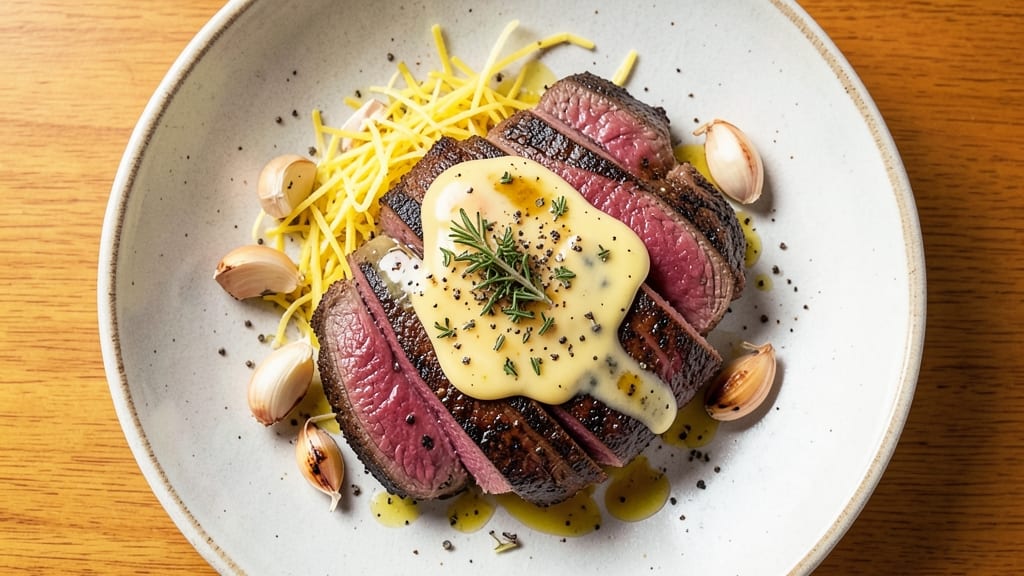
This Australian beef steak recipe delivers restaurant-quality results with a crispy buttery crust and tender interior—just like the steakhouse favorites you crave. The secret lies in high-heat chargrilling over charcoal and a simple yet transformative garlic-herb butter that seals in flavor. I’ve perfected this technique after years of testing, ensuring every bite is juicy, flavorful, and impossible to resist.
The magic begins with a dry-brined ribeye or sirloin, allowing the seasoning to penetrate deeply while keeping the meat tender. Charcoal grilling adds a smoky depth that’s hard to replicate with gas, while the garlic-herb butter creates a golden, crackling crust that melts into every forkful.
This method transforms even the toughest cuts into melt-in-your-mouth perfection.
By the time you’re done, you’ll have a steak that’s crispy on the outside, tender on the inside, and bursting with savory, herby notes. The buttery crust adds a luxurious finish, making this dish feel like a special occasion—even on a weeknight.
Serve with roasted vegetables or a peppercorn sauce for the full Australian experience.
Whether you’re grilling for a crowd or treating yourself, this recipe delivers foolproof results every time. The key is patience—letting the steak rest before slicing ensures it stays juicy, and the charcoal heat gives it that authentic smoky flavor. Let’s get cooking!
Ingredients for australian beef steak
Fourteen ingredients to transform simple beef into restaurant-quality Australian steak magic.
| Ingredient | Amount | Notes |
|---|---|---|
| Ribeye Steak 🥩 | 1 ½ lb | Bone-in, 1-1.5 inches thick |
| Coarse Kosher Salt 🧂 | 2 tbsp | Diamond Crystal preferred |
| Freshly Ground Black Pepper 🌶️ | 1 tbsp | Freshly cracked for best flavor |
| Unsalted Butter 🧈 | ½ cup | Cold, cubed for butter crust |
| Garlic Cloves 🧄 | 6 cloves | Fresh, minced for butter |
| Fresh Rosemary 🌿 | ¼ cup | Chopped, finely minced |
| Fresh Thyme Leaves 🌿 | ⅛ cup | Packed, finely chopped |
| Lemon Zest 🍋 | 1 tbsp | From 1 large lemon |
| Charcoal Briquettes 🔥 | 2 lbs | Lump charcoal preferred |
| Vegetable Oil 🫒 | 2 tbsp | For oiling grill grate |
| Flaky Sea Salt 🧂 | 1 tbsp | For finishing crust |
| Extra-Virgin Olive Oil 🫒 | 1 tbsp | For basting |
The steak cut is everything here—ribeye delivers that perfect marbling for juiciness, but sirloin works too if that's what you've got. Look for cuts that are 1-1.5 inches thick—thinner steaks won't develop that perfect crust. I always buy mine from Costco or Whole Foods where they're properly aged. For the butter, Plugrá is my go-to brand—it stays cold longer when forming the crust. Fresh herbs? Trader Joe's has the best pre-chopped rosemary and thyme, but if you're using whole sprigs, strip the leaves carefully—no woody stems in your butter.
No lump charcoal? Binchotan or hardwood lump charcoal gives the same smoky depth, but regular briquettes work in a pinch. Short on fresh herbs? Dried thyme at half the amount gets you close, but the rosemary is non-negotiable—it's the backbone of that Australian flavor. The lemon zest adds a bright finish, so use a Microplane for maximum surface area. For the salt, I split my batch between Diamond Crystal kosher (for dry brine) and Maldon flaky sea salt (for finishing). Pro tip: if your steak is extra-thick, score the fat cap in a crosshatch pattern before grilling—it renders faster and looks stunning.
Steaks need 20 minutes of rest after grilling—don't skip this. Wrap them loosely in foil and let them sit on a warm plate. The butter crust keeps for 2 days in the fridge if you make extra, but honestly, it's best used fresh. Charcoal coals can be stored in a metal container with a tight lid for up to 2 weeks. For the herbs, store them in damp paper towels in a sealed bag—they'll last 5-7 days. And that lemon zest? Freeze any extra in an ice cube tray with a little olive oil—perfect for future marinades.
Why You'll Love This Recipe
- This steak works for everything: a lazy Friday dinner, a date night where you’re pretending to be fancy, or when your mate drops by unannounced. Serve it with mash, a salad, or just toast—it’s that unfussy.
- Just Salt, Butter, Magic: Honestly, that’s it—coarse salt, pepper, and a knob of butter. No fancy marinades, no stress. The real work happens on the pan while you sip a wine (or coffee) and pretend you’re a chef. That crispy crust? Pure reward for doing almost nothing.
- Butter-Basted Perfection: Between us, the garlic and butter basting turn this steak into something ridiculously tender. The outside gets this golden crackle, while the inside stays juicy—like someone else cooked it for you. (Yes, even on a Tuesday night.)
- Weeknight or Weekend Hero: This steak works for everything: a lazy Friday dinner, a date night where you’re pretending to be fancy, or when your mate drops by unannounced. Serve it with mash, a salad, or just toast—it’s that unfussy.
Step-by-step instructions for charcoal-grilled ribeye with buttery crust
Here's how to transform a simple ribeye into restaurant-quality perfection using charcoal heat and a decadent butter crust.
Prepare the Herb Butter and Season the Steak
In a small bowl, combine the ½ cup cold unsalted butter, 6 minced garlic cloves, ¼ cup finely minced fresh rosemary, ⅛ cup packed chopped fresh thyme leaves, and 1 tablespoon lemon zest. Mix well with a fork until evenly distributed. This aromatic compound butter will create that signature golden crust while infusing deep flavor throughout the steak.
Pat the 1.5 lb ribeye steak completely dry with paper towels—this is absolutely critical for achieving that perfect crust. Season both sides generously with 2 tablespoons coarse kosher salt and 1 tablespoon freshly cracked black pepper. Let the steak sit at room temperature for 30 minutes while you prepare the grill. This resting period ensures even cooking and prevents chilled meat from steaming instead of searing.
Set Up the Charcoal Grill for Perfect Heat
While the steak rests, build two zones of heat in your grill using 2 pounds lump charcoal briquettes. Create a direct heat zone for searing and an indirect heat zone for finishing. Oil the grill grates thoroughly with 2 tablespoons vegetable oil using a folded paper towel—this prevents sticking and ensures that beautiful grill pattern.
Let the charcoal burn until it's covered with a thin layer of white ash, then spread the coals to create your two heat zones. The direct heat should reach 450-500°F while the indirect area maintains 350-375°F. You'll know you've achieved the right temperature when you can hold your hand about 2 inches above the grates for 3-4 seconds before it feels too hot to maintain.
Sear and Build the Buttery Crust
Place the steak on the direct heat zone, away from the charcoal. Sear for 4-5 minutes per side without moving it, until deep brown crust forms. I press down gently on the steak during the first minute to prevent curling and ensure even contact with the grates. After the initial sear, move the steak to the indirect heat zone and continue cooking for 6-8 minutes more, or until the internal temperature reaches 125°F for medium-rare.
Here's the magic moment: remove the steak from the grill and let it rest on a cutting board for 2 minutes. Quickly take the herb butter from the refrigerator and form it into a log. Place the butter log on top of the steak and press it firmly into the crust. Return the steak to the grill, butter-side down, and cook for 2-3 minutes until the butter melts and creates a luscious crust. The butter should bubble and sizzle—this is what you're aiming for.
Finish with Flaky Sea Salt and Rest
Transfer the steak to a warm cutting board and let it rest for 10-15 minutes before slicing. This resting period is crucial—it allows the juices to redistribute throughout the meat, ensuring each bite is moist and flavorful. While it rests, sprinkle the steak generously with 1 tablespoon flaky sea salt and drizzle with 1 tablespoon extra-virgin olive oil for that final touch of elegance.
Slice the steak against the grain into ½-inch thick portions. Each piece should reveal a beautiful pink center with that golden butter crust encasing it. The aroma alone will make your guests anticipate the incredible flavor. Serve immediately with your favorite sides to enjoy the full experience of this Australian-inspired masterpiece.
Pro Tips For Making Australian Beef Steak
- CRANK THE HEAT: Australian-style ribeye demands a screaming-hot pan—no "medium-high" nonsense. I learned this the hard way after serving a steak that was almost perfect but lacked that signature crust. Get your pan smoking hot (3-4 minutes on high) before adding the steak, and resist the urge to move it until you hear that glorious sizzle.
- SALT THE GARLIC: That butter-garlic basting? Toss a pinch of coarse kosher salt into the melted butter before adding the minced garlic. It dissolves instantly, seasoning the sauce while it cooks instead of waiting for you to remember to season the steak after. (Yes, even if you’re impatient like me.)
- SKIP THE PRODDING: Every time I flipped the steak early to check doneness, I lost that perfect crust. Let it cook undisturbed for 2-3 minutes per side—use the touch test (gently press with tongs; it should feel firm but still spring back) instead of cutting into it. Your patience will pay off with a steak that caramelizes properly.
- REST UNDER FOIL: I used to just plop the steak on a plate and let it "rest" while I finished sides. Big mistake—the juices pooled and dripped away. Instead, tent it loosely with foil for 5-10 minutes (yes, even if you’re starving) to keep the heat in and lock in moisture. Your knife will thank you when it slides through like butter.
Wine and beer pairings for this dish
Australian Shiraz
Nothing complements this chargrilled ribeye like a bold, full-bodied Australian Shiraz from the Barossa Valley. I reach for Penfolds Bin 28 or Henschke Hill of Grace—both deliver rich dark fruit flavors of blackberry, plum, and a touch of spice that mirror the steak's smoky, herby notes.
The 14-15% ABV cuts through the butter crust beautifully, while the soft tannins ensure it won’t overpower the dish. Serve slightly chilled (60-65°F) to highlight its complexity without muting the steak’s char. 🍷
Cooler-Climate Syrah
For a lighter but equally stunning pairing, try a cool-climate Australian Syrah like d’Arenberg The Cuvée or Jim Barry Syrah. These wines showcase bright red fruit flavors and a refreshing acidity that cleanses your palate between each buttery bite.
Their lighter tannins make them perfect for those who prefer a more approachable wine with their steak. I like to pair these with a medium-rare finish to let the wine’s vibrancy shine. 🌿
Malbec Fusion
If you’re feeling adventurous, blend a South Australian Malbec like Cullen Malbec with your Shiraz for a modern twist. The dark chocolate and black cherry notes in Malbec add depth, while the smooth finish balances the richness of the butter crust.
This fusion works especially well with a thicker-cut steak (like the ribeye in this recipe) where the wine’s body can stand up to the meat’s intensity. 💫
Beer Pairings
For beer lovers, a hoppy Australian IPA like Little Creatures Original or Stone & Wood Pale Ale brings a refreshing contrast. The citrusy hops cut through the butter’s richness, while the malty backbone complements the steak’s savory depth.
Serve the beer ice-cold (38-42°F) to enhance its crispness. Alternatively, a dark lager like XXXX Gold offers a malt-forward profile that pairs surprisingly well with the charred crust. 🍺
Non-Alcoholic Options
Don’t want alcohol? A sparkling Australian grape juice like Blanc de Blancs or a ginger beer with a twist of lemon works beautifully. The effervescence cleanses the palate, while the ginger’s spice echoes the rosemary in the butter crust.
For a more robust option, try a smoky Australian kombucha—the charred notes mirror the grill’s flavor perfectly. 💡
Wine Serving Tips
Let your wine breathe for 10-15 minutes before pouring to open up its aromas. Use stemware with a slightly narrower bowl (like a Bordeaux glass) to concentrate the wine’s flavors. For beer, serve in a pint glass to preserve its carbonation and aroma.
And here’s a pro tip: Chill your wine glasses in the freezer for 10 minutes before pouring—it keeps the wine cooler longer and enhances the tasting experience. ✨
Nutrition facts
Frequently asked questions
What's the best cut of beef for this Australian-style recipe?
For this recipe, I recommend either a bone-in ribeye or sirloin—both deliver that perfect balance of marbling and tenderness. The ribeye's fat cap creates the most dramatic crust, while sirloin offers leaner flavor with a firmer bite. Aim for cuts that are 1-1.5 inches thick—thinner steaks won't develop the ideal crust.
Can I use gas grill instead of charcoal?
Yes, but you'll miss that authentic Australian smoky depth! For gas grills, preheat to high heat (500°F+) and use a flavorizer bar with wood chips (hickory or applewood work well) to mimic charcoal's flavor. The butter crust technique remains the same—just monitor heat more carefully as gas grills can be less forgiving.
How do I know when the steak is done?
Use a meat thermometer for perfect results: 125°F for medium-rare (recommended), 135°F for medium, or 145°F for well-done. The 3-4 second hand test works too—hold your hand 2 inches above the grill: if you can hold it there for 3-4 seconds, it's ready for searing.
What if my steak is too tough?
Toughness usually means overcooking or under-rested meat. For future attempts, pull the steak off heat 5°F below target temp and let it rest the full 10-15 minutes. If it's already tough, try slicing against the grain and serving with a peppercorn sauce or red wine reduction—the sauce will add moisture and complement the flavors.
Can I make this recipe ahead of time?
While the steak is best served fresh, you can prep components ahead: make the herb butter up to 2 days ahead and store it chilled. Season the steak 1 day ahead and refrigerate uncovered (this helps dry the surface for better crust). For the grill, prep coals 30 minutes before cooking—they'll be ready when you are.