
Main Courses
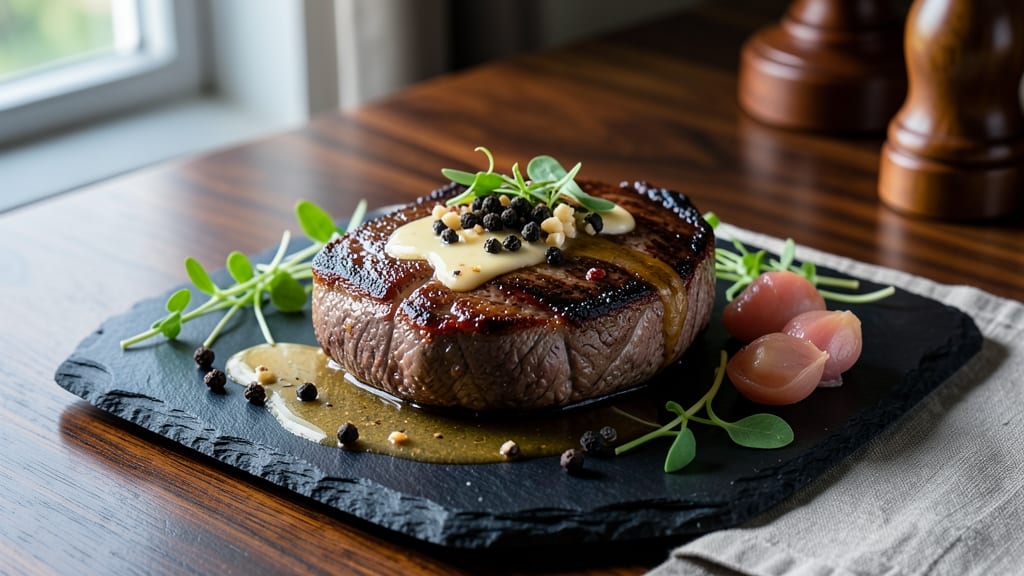
American Wagyu beef transforms every meal into an unforgettable experience with its ultra-marbled fat and melt-in-your-mouth tenderness. This recipe unlocks its full potential through precise cooking techniques that preserve its legendary buttery texture and rich umami flavor.
Most cuts benefit from dry-aging or sous vide methods to enhance tenderness before achieving that perfect crust through searing.
The secret lies in balancing high heat for that coveted crust while keeping the interior tender and moist. A reverse sear—starting with low-temperature cooking followed by a hot pan—ensures even doneness without overcooking.
Pairing with complementary sides like roasted root vegetables or a bold red wine reduction elevates the dish to restaurant-quality status.
What you’ll achieve is a perfectly balanced steak with a caramelized exterior and a core that practically dissolves at the touch of a fork. The marbling releases as you cut, creating pockets of flavor that make each bite luxurious.
This technique works for ribeye, strip, or filet cuts, ensuring consistent results every time.
Serve with a simple side of garlic mashed potatoes or a crisp arugula salad to let the beef shine. The precision in cooking methods transforms a simple steak into a showstopping centerpiece. Let’s create a dish that rivals the finest steakhouses.
Ingredients for american wagyu beef
Four ingredients transform this ultra-marbled beef into a restaurant-worthy masterpiece.
| Ingredient | Amount | Notes |
|---|---|---|
| American Wagyu Ribeye Steak 🥩 | 1 ½ lb | Center-cut, 1.5-inch thick, dry-aged preferred |
| Kosher Salt 🧂 | 1 ½ tbsp | Diamond Crystal preferred, coarse grain |
| Freshly Ground Black Pepper 🌶️ | 1 ½ tsp | Freshly cracked preferred |
| Extra-Virgin Olive Oil 🫒 | 2 tbsp | High-quality, fruity variety |
| Unsalted Butter 🧈 | ½ cup | Cold, cut into 1-inch cubes |
| Garlic Cloves 🧄 | 4 cloves | Smashed, skin-on preferred |
| Fresh Thyme Leaves 🌿 | ¼ cup | Chopped, stems removed |
| Red Wine Reduction 🍷 | ½ cup | Homemade or quality store-bought |
| Garlic Mashed Potatoes 🥔 | 2 cups | Creamy, homemade preferred |
| Arugula 🌱 | 4 oz | Baby leaves, washed and dried |
| Balsamic Glaze 🍯 | 2 tbsp | Reduced, for drizzling |
| Malbec Wine 🍷 | ½ cup | Bold, dry red for deglazing |
| Beef Tallow or Duck Fat 🥄 | 1 tbsp | For high-heat searing |
The American Wagyu ribeye is the star—look for center-cut, 1.5-inch thick pieces with visible marbling. USDA Prime or dry-aged cuts elevate the experience, but even high-quality supermarket Wagyu works. I always buy from Snake River Farms or ButcherBox for guaranteed quality. The steak should feel soft when pressed gently—firmness indicates toughness. If you can't find Wagyu, high-end ribeye with good marbling is the next best thing. Pat it dry with paper towels before seasoning for the best crust.
No red wine reduction? Deglaze the pan with Malbec and reduce—it's basically the same thing. Fresh thyme is ideal, but dried thyme at one-third the amount works in a pinch. The butter needs to be cold and cubed—don't melt it ahead of time. For the arugula, baby leaves hold up better than full-size. The balsamic glaze can be store-bought, but homemade is easier—just reduce balsamic vinegar with a pinch of salt and simmer until syrupy. The beef tallow or duck fat is non-negotiable for that perfect crust—olive oil lacks the high smoke point.
Steaks keep best in the fridge for 3-4 days if vacuum-sealed, but use them within 2 days for peak tenderness. The mashed potatoes reheat beautifully—just add a splash of milk and warm through. Arugula stays crisp for 2 days if wrapped in a damp towel. The red wine reduction freezes well for up to 3 months. I always make extra—it's perfect over eggs or pasta. Store everything in airtight containers to maintain freshness.
Why You'll Love This Recipe
- Four-Ingredient Magic: I swear by this method—just salt, pepper, oil, and butter. That’s it. The wagyu does all the heavy lifting, so I’m not stressing over complicated marinades or sauces.
- Butter-Basted Bliss: The moment that butter melts into the sear? Pure satisfaction. That rich, caramelized crust with the tender interior—it’s the kind of bite that makes people pause mid-conversation.
- Date Night Ready: No last-minute grocery runs or fancy plating. Pull this steak out of the fridge, let it sit, and boom—you’ve got a restaurant-worthy centerpiece that says “I put in effort” without the fuss.
- Leftovers That Don’t Suck: Cold slices the next day? Still better than takeout. The fat stays juicy, the flavor lingers, and honestly? I’d rather eat wagyu sandwiches than sad, dry leftovers any day.
Step-by-step instructions for American Wagyu ribeye steak
Here's how to transform that ultra-marbled American Wagyu into a restaurant-worthy masterpiece with perfect crust and melt-in-your-mouth tenderness.
Season and Sear for Maximum Flavor Development
Take the 1.5 lb American Wagyu Ribeye Steak out of the refrigerator and let it sit at room temperature for 30 minutes—this ensures even cooking. Pat it dry completely with paper towels, then generously coat both sides with the 1.5 tbsp Kosher Salt and 1.5 tsp Freshly Ground Black Pepper. Press the seasoning into the meat so it adheres well, especially around the edges where the crust will form.
Heat a heavy skillet (cast iron works best) over medium-high heat until it's screaming hot. Add 1 tbsp Beef Tallow or Duck Fat and let it melt completely, then add the steak. Press down gently on the fillet during the first minute—this prevents it from curling and ensures even contact with the pan. Let it sear undisturbed for 3-4 minutes per side, until you see deep golden-brown crust forming and the internal temperature reaches 125°F on a meat thermometer.
Build Rich Garlic-Thyme Butter for Finishing
Remove the steak from the pan and set it aside on a warm plate. Reduce the heat to medium, then add the remaining 1 tbsp Beef Tallow or Duck Fat to the pan. Toss in the 4 smashed garlic cloves (skin-on) and cook for 30 seconds until fragrant but not browned. Add the 0.5 cup Unsalted Butter, cut into cubes, and let it melt completely, swirling the pan to coat the bottom.
Stir in the 0.25 cup Fresh Thyme Leaves and cook for 1 minute until the butter turns a pale golden color and smells like a French bistro. Pour in the 0.5 cup Malbec Wine and scrape up all the browned bits from the bottom of the pan—this is where all the flavor lives. Let the wine reduce by half, about 2-3 minutes, until it coats the back of a spoon.
Baste and Rest for Perfect Texture
Return the steak to the pan and spoon the garlic-thyme butter mixture over the top, basting it generously for 1 minute per side. This step is crucial—it locks in moisture and creates that glossy, buttery crust we're after. The steak should now reach an internal temperature of 130-135°F (medium-rare). Transfer it to a cutting board and let it rest for 10-15 minutes, tented loosely with foil. This resting period is non-negotiable—it allows the juices to redistribute throughout the meat.
While the steak rests, warm the 2 cups Garlic Mashed Potatoes in a separate pan or microwave until heated through. The potatoes should be creamy but not runny—just like you'd find in a high-end steakhouse.
Assemble and Serve with Elegant Touches
Slice the steak against the grain into ½-inch thick portions. Arrange 2 oz of arugula on each plate, then place 4 slices of steak over the greens. Spoon the warm garlic mashed potatoes alongside, creating a beautiful contrast of textures. Drizzle everything with the 0.5 cup Red Wine Reduction and finish with 2 tbsp Balsamic Glaze for a touch of sweetness that cuts through the richness.
Serve immediately while the steak is still piping hot. The crust should be deep golden-brown with visible marbling, and each bite should deliver that perfect balance of buttery tenderness and juicy marbling. Pair with a bold red wine to complement the dish's luxurious flavors.
Pro Tips For Making American Wagyu Beef
- CRANK THE HEAT FIRST: The ribeye’s fat cap needs to sizzle hard for that golden crust—start with your pan screaming hot (450°F or higher) before adding oil. I used to ease into it, and the steak just steamed instead of searing. High heat = flavor, not just color.
- SALT THE MEAT 40 MINUTES EARLY: Wagyu’s fat content makes it forgiving, but kosher salt needs time to work its magic. Sprinkle generously before cooking and let it sit uncovered on a wire rack—this guarantees seasoning penetrates the thick cut. (Yes, even if you’re impatient like me.)
- STOP POKING THE STEAK: You’re not checking for doneness—you’re ruining the crust. After flipping, let it ride undisturbed for 3-4 minutes per side. I learned this the hard way when my first attempt turned out with a sad, uneven brown patch. Trust the timer, not your curiosity.
- USE COLD BUTTER FOR FINISHING: Toss in a pat of unsalted butter off the heat in the last 30 seconds—it’ll melt into a silky sauce without burning. I was skeptical until I tried it: the butter coats the steak perfectly, adding richness without overpowering. (Bonus: skip the extra salt if your butter’s high-quality.)
Pro cooking tips for great american wagyu beef
Perfect Crust Secrets
For that legendary American Wagyu crust, use beef tallow or duck fat instead of olive oil—its higher smoke point prevents burning while creating a deeper caramelization. I like to sear over medium-high heat until the steak reaches 125°F internal, then finish with garlic-thyme butter.
A cast iron skillet is non-negotiable—it retains heat better than stainless steel and develops those coveted fond bits. 🔥
Reverse Sear Advantage
Start the steak in a 275°F oven for 10-15 minutes before searing to ensure even cooking. This method prevents overcooking the exterior while the center reaches 130-135°F.
I use an instant-read thermometer to monitor—no guessing! The reverse sear works especially well for thicker cuts like ribeye, preserving that melt-in-your-mouth texture. 🌡️
Butter Basting Mastery
The garlic-thyme butter isn’t just for flavor—it’s a moisture lock. After searing, spoon the melted butter over the steak for 1 minute per side while it rests. This creates a glossy, buttery crust that seals in juices.
I always use cold butter (never melted ahead of time) to prevent it from separating in the pan. 🧈
Resting Like a Pro
Never skip the 10-15 minute rest—this is where the magic happens. Tent the steak loosely with foil to keep it warm while juices redistribute. I like to place it on a warm plate (not cold) to maintain temperature.
Cutting too soon releases all those precious juices, leaving you with a dry steak. Patience pays off! ⏳
Temperature Precision
Use a meat thermometer for foolproof results. 125°F is ideal for medium-rare Wagyu—it’s hot enough to develop flavor but tender enough to melt. If your thermometer doesn’t have a probe, a digital instant-read like ThermoWorks Smoke is a game-changer.
Overcooking ruins the buttery texture, so trust the numbers, not the time. 💡
Fat Cap Handling
The fat cap on Wagyu ribeye is a flavor goldmine—don’t trim it! Let it render naturally during searing for extra richness. If it’s too thick, score it lightly with a knife before seasoning to help it crisp.
The rendered fat adds depth to the crust and keeps the meat juicy. It’s one of the reasons Wagyu tastes so luxurious. 🥩
Nutrition facts
Frequently asked questions
What’s the best cut of American Wagyu for this recipe?
For this recipe, a center-cut ribeye with a 1.5-inch thickness delivers the perfect balance of marbling and tenderness. Filet mignon works too but lacks the bold beefy flavor. Avoid thin cuts—they overcook faster and lose juiciness. Look for USDA Prime or dry-aged labels for the best experience.
Can I substitute regular beef for American Wagyu?
While you can use high-quality USDA Prime ribeye, nothing compares to Wagyu’s ultra-fine marbling and buttery texture. If substituting, choose a cut with visible fat streaks and cook it 5°F lower than Wagyu (e.g., 120°F for medium-rare) since it lacks the same moisture retention. The crust will be less rich but still delicious.
How do I know when the steak is done?
Use a meat thermometer for precision: 125°F for rare, 130°F for medium-rare (ideal for Wagyu), and 135°F for medium. The reverse sear method ensures even cooking—start with 275°F oven until internal temp hits 115°F, then sear. Never rely on time alone; Wagyu cooks faster than regular beef.
What sides pair best with American Wagyu?
Light, fresh sides let the beef shine. Try garlic mashed potatoes (as in the recipe), roasted root vegetables, or a simple arugula salad with balsamic glaze. For contrast, add grilled asparagus or truffle polenta. Avoid heavy sauces—they overpower Wagyu’s natural richness.
Why does my Wagyu steak turn out dry?
Overcooking is the #1 cause. Wagyu’s high fat content means it needs lower heat and shorter searing times than regular beef. Always rest the steak for 10-15 minutes before slicing, and use a thermometer (never guess). If it’s still dry, try the reverse sear method or cook to 120°F internal for extra tenderness.