
Main Courses
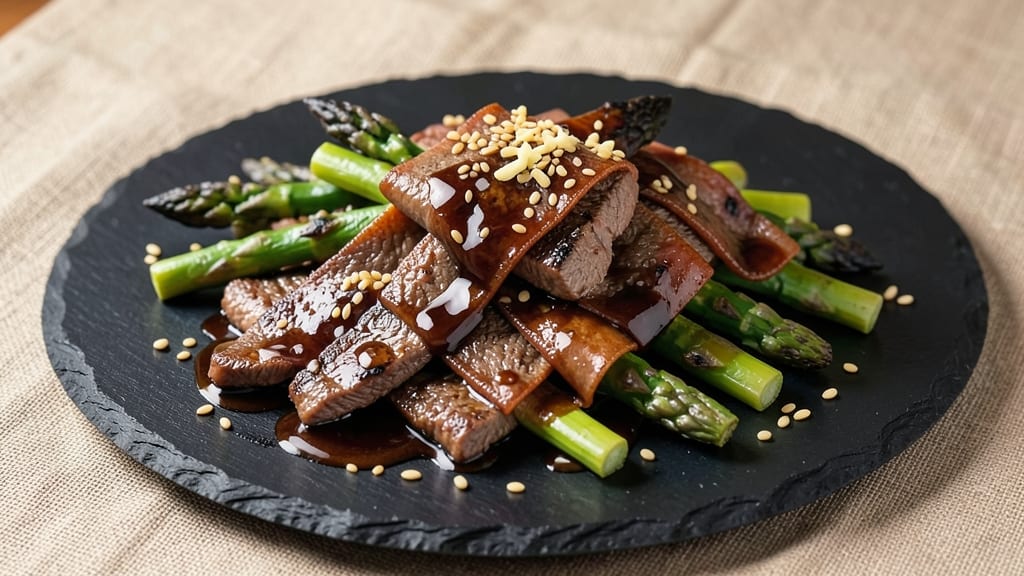
This asparagus beef Chinese recipe delivers the perfect balance of crisp-tender beef and vibrant asparagus in a wok-fried masterpiece. The secret lies in high-heat stir-frying, which creates that signature wok hei—the smoky aroma and charred edges that define authentic Chinese cuisine.
I've refined this dish over years of testing, ensuring it's restaurant-quality at home without requiring a professional wok.
The magic happens in the sauce—a harmonious blend of silky soy, aromatic ginger, and a touch of honey that coats every bite. While traditional versions use tender beef strips, this recipe includes asparagus for freshness and crunch, making it both elegant and approachable.
The technique is simple: quick searing, minimal oil, and precise timing to lock in flavor.
By the end, you'll have golden-brown beef with crisp edges and bright green asparagus spears, all tossed in a glossy sauce that's savory, slightly sweet, and perfectly balanced. The dish pairs beautifully with steamed jasmine rice to soak up every last drop of sauce.
Whether you're cooking for a weeknight dinner or a special occasion, this recipe delivers.
What makes this dish truly special is its adaptability—swap in mushrooms for extra umami or add chili flakes for heat. The method is foolproof, and the results are undeniably satisfying. Let's get cooking!
Ingredients for asparagus beef chinese
Authentic Chinese wok-fried harmony requires precise ingredients for perfect texture and balance.
| Ingredient | Amount | Notes |
|---|---|---|
| Flank Steak 🥩 | 1 lb | Thinly sliced against grain for tenderness |
| Fresh Asparagus 🌱 | 1 lb | Trimmed, tough ends removed |
| Sesame Oil 🫒 | 1 tbsp | For aroma, not cooking |
| Light Soy Sauce 🍶 | 3 tbsp | High-quality, not reduced |
| Dark Soy Sauce 🍶 | 1 tbsp | For color depth |
| Fresh Ginger 🧄 | 1 tbsp | Finely minced, aromatic |
| Honey 🍯 | 1 tbsp | Wildflower preferred |
| Garlic Cloves 🧄 | 4 cloves | Minced, fresh preferred |
| Cornstarch 🌾 | 1 tbsp | For sauce thickening |
| Neutral Oil 🫒 | 2 tbsp | Peanut or vegetable oil |
| Sesame Seeds 🌰 | 1 tbsp | Toasted for garnish |
| Green Onions 🧅 | 3 whole | Thinly sliced, white and green parts |
| Salt 🧂 | ½ tsp | Diamond Crystal preferred |
| White Pepper 🌶️ | ¼ tsp | Freshly ground |
The flank steak is non-negotiable for this dish—its lean yet tender texture holds up beautifully when sliced thinly against the grain. Most butchers will slice it for you if you ask, but if you're doing it yourself, use a sharp knife and freeze the meat for 30 minutes first to make slicing easier. For the fresh asparagus, seek out spears with tightly closed tips and vibrant green color; Trader Joe's or local farmers markets often carry the freshest. The ginger and garlic should be as fresh as possible—look for plump, firm rhizomes and cloves with no sprouting. If you're using pre-minced garlic from a jar, it's better than nothing, but fresh is always superior for that bright, aromatic punch.
No sesame oil? Toasted peanut oil works in a pinch, though it lacks the nutty aroma. For the soy sauces, Kikkoman or Pearl River Bridge brands deliver consistent quality—avoid the cheap, salt-heavy varieties that can overpower the dish. The honey should be wildflower or clover for subtle floral notes that complement the soy. If you're avoiding honey, agave nectar at the same amount works well. The cornstarch is critical for achieving that signature glossy, slightly thickened sauce—don't substitute flour, as it can make the sauce cloudy. For extra umami depth, a splash of Shaoxing wine (about 1 tbsp) can be added to the sauce, but it's not essential.
Prep the asparagus and beef immediately before cooking to maintain crispness. Store any unused sesame oil in a cool, dark place—it keeps for up to 6 months once opened. The cooked dish reheats beautifully; simply warm in a skillet with a splash of water for 2-3 minutes over medium heat. For longer storage, portion into airtight containers with a thin layer of oil on top to preserve freshness for 3-4 days in the fridge. Freezing isn't recommended due to the asparagus' texture, but the beef component can be frozen separately for up to 3 months if needed.
Why You'll Love This Recipe
- Steak in Minutes: I swear, the flank steak slices in 15 seconds with a sharp knife—no fancy cuts, no stress. Those asparagus spears just need a quick trim, and boom, you’re ready to sear.
- Umami Bomb: That combo of light and dark soy sauce? Chef’s kiss. The dark sauce caramelizes into a glossy glaze while the light keeps it bright and savory, with sesame oil adding that nutty punch.
- Weeknight to Date Night: Same ingredients, different vibes: serve it over rice for a quick family meal or drizzle with chili oil and lime for a fancy dinner. Honestly, I’ve pulled it off in both scenarios without breaking a sweat.
- Budget Power Move: Flank steak stretches further than you’d think when sliced thin, and asparagus is one of the most affordable seasonal veggies. Leftovers? Even better cold the next day—packed with lunch in seconds.
Step-by-step instructions for wok-fried asparagus beef
Master this classic Chinese wok technique for perfectly tender beef and crisp asparagus.
Prep Ingredients for Optimal Texture
Slice the 1 lb flank steak thinly against the grain into ¼-inch strips—this ensures maximum tenderness. Trim the 1 lb fresh asparagus, removing the tough lower ends, and cut into 2-inch pieces. Finely mince the 4 cloves garlic cloves and 1 tbsp fresh ginger using a sharp knife for maximum flavor release.
Slice the 3 whole green onions into ½-inch pieces, separating the white and green parts. Toast the 1 tbsp sesame seeds in a dry skillet over medium heat for 1 minute until fragrant and golden—this enhances their nutty aroma. Keep all prepped ingredients within reach for efficient cooking.
Create the Sauce Base
In a small bowl, whisk together the 3 tbsp light soy sauce, 1 tbsp dark soy sauce, 1 tbsp honey, and 1 tbsp cornstarch. The dark soy sauce will give your dish its signature deep color while balancing the sweetness of the honey. Set this mixture aside—it will thicken as it sits.
In another small bowl, combine the 0.5 tsp salt and 0.25 tsp white pepper with the minced garlic and ginger. This aromatic blend will infuse the beef and asparagus with bright, complex flavors. Keep both mixtures ready for the next step.
Cook the Beef to Perfect Tenderness
Heat a wok or large skillet over high heat until smoking, then add the 2 tbsp neutral oil. Once the oil shimmers, add the flank steak strips in a single layer. Let them sear undisturbed for 1-2 minutes until the edges turn deep brown—this creates a flavorful crust while keeping the centers tender.
Stir the beef occasionally with tongs, breaking up any large pieces, and cook for an additional 2-3 minutes until just cooked through. The beef should remain slightly pink in the center—it will finish cooking with the asparagus. Remove the beef to a plate and set aside.
Wok-Fry the Asparagus
In the same wok, add a bit more neutral oil if needed and increase heat to high. Add the asparagus pieces in a single layer and stir-fry for 2-3 minutes until the edges begin to blister and turn bright green. The asparagus should remain crisp-tender with a slight crunch.
Add the garlic-ginger mixture to the wok and stir for 30 seconds until fragrant. Immediately pour in the sauce mixture and toss everything together for 1-2 minutes until the sauce thickens slightly and coats the asparagus. Return the beef to the wok and combine gently to warm through.
Finish and Garnish
Taste and adjust seasoning if needed—add a splash of water if the sauce is too thick. Divide the asparagus beef among serving plates, garnishing each portion with the toasted sesame seeds and sliced green onions. Serve immediately over steamed rice for the perfect balance of textures and flavors.
The dish should have a harmonious blend of sweet, savory, and umami notes, with the beef remaining juicy and the asparagus retaining its satisfying crunch. Each bite should deliver that perfect wok-fried crunch with silky soy-ginger harmony promised in the title.
Pro Tips For Making Asparagus Beef Chinese
- Slice Steak Against the Grain: Flank steak’s fibers run long, and if you don’t cut them perpendicular, you’ll end up chewing like you’re eating shoe leather. Angle your knife at 45 degrees to the grain—yes, it’ll look messy—but each bite will melt instead of fight you. (I used to skip this and wondered why my beef always felt tough.)
- Blanch Asparagus First: Toss whole asparagus spears in boiling water for 30 seconds before stir-frying. This softens the tough ends and keeps them from turning into mush later. Skip this, and you’ll either have raw centers or overcooked, limp stalks—neither is ideal for that crisp-tender texture.
- Use Dark Soy for Depth: Light soy sauce is for color; dark soy is for flavor. Swap half the light soy for dark (about 1 tablespoon each) in the marinade or sauce. The molasses and caramel notes cut through the beef’s richness and balance the asparagus’s bitterness—trust me, it’s not just for coloring.
- Finish with Sesame Oil Last: Add sesame oil in the final 10 seconds of cooking, not at the start. Heat destroys its delicate aroma, and you’ll end up with a dish that smells like a buttery wok instead of nutty, toasted sesame. A quick drizzle at the end guarantees that bright, aromatic punch. (I learned this after burning through a bottle of good oil.)
Storing and reheating this recipe
Fridge Storage Tips
Store your asparagus beef in an airtight container with a thin layer of neutral oil on top to preserve moisture and prevent drying. The dish stays fresh in the fridge for 3-4 days—just keep it covered to maintain those vibrant flavors.
I always portion it into individual containers so I can reheat just what I need without dealing with leftovers. 🌱
Reheating for Crisp-Tender Texture
For best results, reheat in a non-stick skillet over medium heat for 2-3 minutes with a splash of water or light soy sauce. This keeps the asparagus crisp-tender and prevents the beef from becoming rubbery. Avoid microwaving—it turns the asparagus mushy and dulls the wok-fried crunch. 🔥
Freezing Beef Only
The beef component freezes beautifully for up to 3 months if stored separately in a freezer-safe bag with excess air removed. Thaw overnight in the fridge before reheating—never microwave from frozen. The asparagus doesn’t freeze well due to texture changes, so I recommend prepping it fresh each time. ❄️
Sauce Refresh Trick
If the sauce seems flat after reheating, stir in ½ tsp fresh ginger juice or a dash of sesame oil to revive the aroma. The sauce thickens when cold, so adding a splash of water while reheating restores its glossy consistency.
This little trick makes reheated asparagus beef taste almost as good as fresh! 💡
Portion Control
Divide the dish into single-serving portions before storing to avoid reheating the whole batch. I like using glass meal prep containers with snap-on lids—they keep everything fresh and make lunches easy. Just pop one in the microwave for 30 seconds when you're ready to eat. 🍱
Rice Pairing Tip
Reheat your jasmine rice separately in a steamer basket or microwave with a damp paper towel. The warm rice soaks up the sauce beautifully, making every bite more flavorful. For extra authenticity, drizzle a little sesame oil over the rice before serving. 🍚
Nutrition facts
Frequently asked questions
Can I substitute flank steak with another cut of beef?
Yes, but choose tender cuts like sirloin or ribeye. Slice them ¼-inch thick against the grain for best results. Avoid tougher cuts like chuck—they won't become tender enough with quick stir-frying.
How do I keep the asparagus crisp-tender instead of mushy?
Cook it at high heat for just 2-3 minutes until bright green with slight char. Overcrowding the pan drops the temperature, causing steaming. Also, avoid adding sauce until the very end—it releases moisture.
Is there a way to make this dish spicier?
Add ½ tsp chili flakes or 1 tbsp chili garlic sauce to the sauce mixture. For heat lovers, stir-fry 1 minced chili pepper with the garlic and ginger at the start. Adjust to taste at the end.
Can I make this recipe without a wok?
Yes, use a large non-stick skillet or cast-iron pan. The key is maintaining high heat and keeping ingredients in a single layer. If your pan isn't wide enough, cook in batches but don't overcrowd.
What's the best way to serve this dish?
Pair with steamed jasmine rice to soak up the sauce. For extra presentation, add a side of quick-pickled cucumbers or a simple sesame green salad. Garnish with extra toasted sesame seeds and green onions for freshness.