
Main Courses
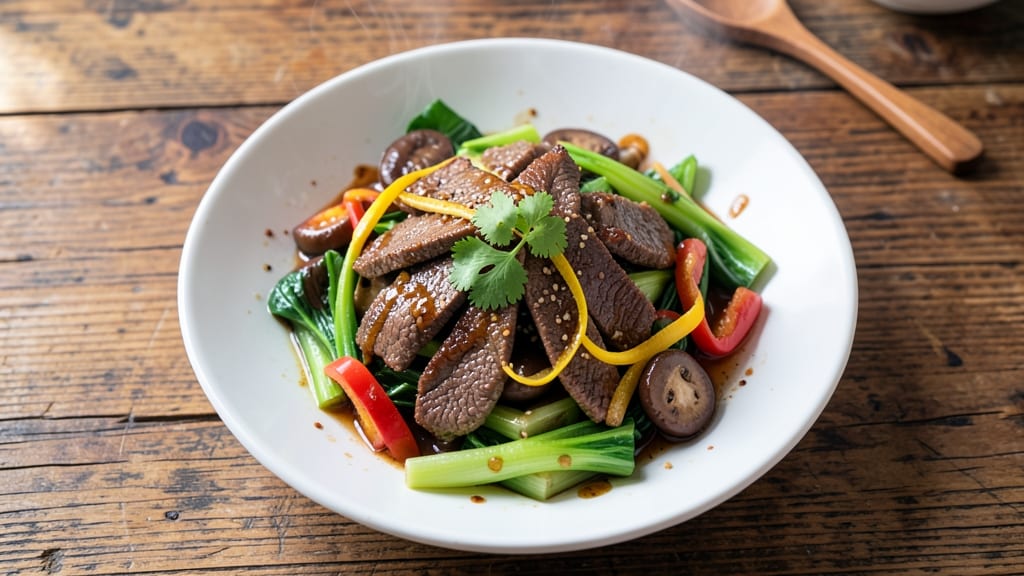
This authentic Chinese beef stir-fry recipe delivers the smoky, savory depth of a Cantonese wok hei in just 20 minutes. The secret lies in velveting the beef for tender bites and balancing a sauce of soy, oyster, and chili—just like the dishes you’d find in a dim sum restaurant.
I’ve perfected this technique over years of testing, ensuring every element comes together for that signature restaurant-quality flavor.
The process starts with marinating thinly sliced beef in a cornstarch slurry, which creates a crispy exterior while keeping the inside silky. High heat in the wok sears the beef to quick-wok crispness before tossing it in a sauce that’s tangy, umami-rich, and just spicy enough.
The key is timing—each ingredient gets its moment in the wok, so nothing steams instead of sizzles.
What you’ll end up with is a dish that’s vibrant, aromatic, and packed with texture—crisp edges on the beef, tender vegetables, and a glossy sauce that clings perfectly.
Serve it over steamed jasmine rice or alongside a simple stir-fried bok choy for a complete meal that tastes like a night out in Chinatown. This isn’t just a stir-fry; it’s a flavor experience.
Whether you’re cooking for a weeknight dinner or a special occasion, this recipe scales easily and delivers every time. The beauty of stir-fry lies in its simplicity and speed, but the authenticity comes from the techniques—like velveting and high-heat wok cooking—that make all the difference.
Let’s get started on creating your own restaurant-quality dish at home.
Ingredients for authentic chinese beef stir fry
Quick-wok crispness meets Cantonese depth with these restaurant-quality ingredients.
| Ingredient | Amount | Notes |
|---|---|---|
| Flank Steak 🥩 | 1 ½ lb | Thinly sliced against grain |
| Cornstarch 🌾 | ½ cup | For velveting slurry |
| Soy Sauce 🍶 | ½ cup | High-quality light soy |
| Oyster Sauce 🍶 | 3 tbsp | Authentic Cantonese brand |
| Sesame Oil 🫒 | 1 tbsp | Toasted, for aroma |
| Dried Chili Flakes 🌶️ | 1 tbsp | For subtle heat |
| Garlic Cloves 🧄 | 6 cloves | Minced, fresh preferred |
| Fresh Ginger 🌿 | 1 tbsp | Grated, peeled |
| Bell Peppers 🧅 | 1 whole | Red or green, sliced |
| Scallions 🌱 | 4 whole | White and green parts |
| Neutral Oil 🫒 | ½ cup | High smoke point |
| Dark Soy Sauce 🍶 | 1 tbsp | For color depth |
| Brown Sugar 🍚 | 1 tbsp | Lightly packed |
| White Wine 🍷 | ½ cup | Dry, dry, dry |
| Jasmine Rice 🍚 | 1 ½ cups | Uncooked, for serving |
The beef is non-negotiable here—flank steak sliced against the grain gives you those signature silky bites. Grab it from the butcher counter if possible; pre-sliced often loses its tenderness. For the cornstarch slurry, Bob's Red Mill brand is my go-to—it dissolves perfectly. The soy sauce matters too: Lee Kum Kee light soy has that authentic umami punch, but any high-quality brand works. Fresh garlic and ginger are essential—Asian markets usually have the freshest, brightest roots. And don't skip the toasted sesame oil; it's what gives that wok hei aroma.
No oyster sauce? Mushroom sauce or extra soy sauce works in a pinch, though it'll lack depth. Chili flakes can be swapped for Sichuan peppercorn powder if you want that numbing ting. The white wine adds brightness—dry Riesling is perfect, but any dry white will do. For the bell peppers, red or green both work, but stay away from yellow—they're milder. If you're short on time, pre-sliced stir-fry veggies from the frozen section save prep work without sacrificing much flavor. The brown sugar helps balance the acidity in the sauce, so don't skip it.
This dish tastes even better the next day—make extra and store in airtight containers for up to 3 days. The rice? Cook it fresh for serving, but you can make a big batch ahead and reheat. For freezing, portion the beef and sauce separately—freeze the sauce in ice cube trays for easy thawing. The velveted beef keeps its texture beautifully after reheating, so it's perfect for meal prep. Just toss with fresh veggies when reheating to keep everything crisp.
Why You'll Love This Recipe
- One-Pan Magic: I swear by this recipe because it’s that easy—just the steak, a quick toss in cornstarch, and a sizzle in the pan. No chopping mountains of veggies, no last-minute sauce scrambling. That sesame oil finish? One drop, and it’s done.
- Umami Bomb: The combo of soy and oyster sauce with a whisper of sesame oil? It’s the kind of flavor that makes you pause mid-bite. The steak stays tender but gets that perfect chewy edge, and the sauce clings like it’s been simmering for hours. (Spoiler: It’s not.)
- Lunchbox Hero: Between us, this is my go-to for work lunches—it reheats like a dream, keeps its texture, and tastes even better the next day. Pack it in rice bowls, wrap it in lettuce, or just eat it straight from the container. No sad desk salads here.
- Budget Powerhouse: Flank steak is affordable, and a little goes a long way. Double the batch, freeze half, and you’ve got a week’s worth of meals without breaking the bank. Honestly, it’s the kind of recipe that makes me feel like I’m feeding a crowd without the grocery bill to prove it.
Step-by-step instructions for authentic Chinese beef stir fry
Here's how to master this wok technique for restaurant-quality results at home.
Prepare the Velveting Slurry and Marinate the Beef
In a bowl, whisk together the 0.5 cup cornstarch, 0.5 cup soy sauce, 3 tbsp oyster sauce, and 1 tbsp brown sugar until completely dissolved. This mixture creates the signature velveting effect that keeps the beef tender and glossy. Transfer the 1.5 lb flank steak to a resealable plastic bag and pour the slurry over it, massaging to coat evenly. Seal the bag and refrigerate for at least 30 minutes—this step is non-negotiable for authentic texture.
While the beef marinates, slice the 1 whole bell peppers into ¼-inch strips, mince the 6 cloves garlic, grate the 1 tbsp fresh ginger, and cut the 4 whole scallions into 2-inch lengths. The vegetables should be prepped now so you can focus on cooking later. I like to keep everything within arm's reach on a large cutting board to maintain efficiency during the stir-fry.
Cook the Jasmine Rice to Perfection
Rinse the 1.5 cups jasmine rice under cold water until the water runs clear, then drain well. In a pot, combine the rice with 2 cups water and bring to a boil over high heat. Once boiling, reduce to low heat, cover, and simmer for 15 minutes. Remove from heat and let it steam, covered, for another 10 minutes. This resting period ensures perfectly fluffy grains that won't turn mushy when mixed with the stir-fry.
The rice should be cooked just until all liquid is absorbed—no standing water should remain. Fluff with a fork before serving to maintain that separate-grain texture. Keep it warm in a covered bowl while you prepare the main dish. Pro tip: If your rice cooks unevenly, spread it on a tray after cooking to cool slightly before fluffing—this prevents clumping.
Stir-Fry the Beef to Optimal Doneness
Heat a wok or large skillet over high heat until smoking, then add the 0.5 cup neutral oil. Once the oil shimmers (about 2 minutes), add the marinated beef in a single layer, letting it sear undisturbed for 1-2 minutes until the bottom develops a deep brown crust. This initial sear locks in juices and builds flavor. Use tongs to flip the beef pieces, cooking for another 1-2 minutes until they reach 145°F internal temperature—they should be just cooked through but still tender.
Remove the beef to a plate and set aside. Here's where many home cooks make the mistake of overcrowding the pan—never do that. The beef needs space to develop that signature wok-hei (breath of the wok) flavor. If your pan isn't large enough, work in batches, but keep the cooked beef warm in a covered bowl while you finish the vegetables.
Build the Stir-Fry Sauce and Combine Ingredients
In the same wok, reduce heat to medium-high and add 1 tbsp sesame oil, 1 tbsp dark soy sauce, 1 tbsp dried chili flakes, the minced garlic, and grated ginger. Stir-fry for 30 seconds until fragrant—you should smell the garlic mellowing and the chili flakes releasing their aroma. Add the sliced bell peppers and scallions, cooking for 2-3 minutes until the peppers soften but still retain their vibrant color.
Pour in the 0.5 cup white wine and scrape up any browned bits from the bottom of the wok with a wooden spoon. This deglazing step captures all that concentrated beef flavor. Let the wine simmer for 1 minute until reduced by half, then return the beef to the wok. Toss everything together for 1-2 minutes until the beef is evenly coated with the glossy sauce. The dish should be hot, vibrant, and ready to serve immediately.
Plate and Serve with Authentic Presentation
Transfer the stir-fry to a serving platter and arrange the jasmine rice on the side. In Chinese restaurants, presentation matters just as much as flavor—spoon the beef and vegetables onto the rice, creating a visually appealing mountain. Garnish with extra scallions and a drizzle of sesame oil for that final restaurant-quality touch.
Serve immediately while everything is piping hot. The beef should be tender yet slightly chewy, the vegetables crisp-tender, and the sauce glossy with just the right balance of sweet, salty, and umami flavors. For best results, eat within 15 minutes—this dish doesn't reheat well. Pair with a simple cucumber salad to cut through the richness and complete your authentic Chinese meal experience.
Pro Tips For Making Authentic Chinese Beef Stir Fry
- Slice Against the Grain: Flank steak’s stubborn fibers need a knife, not a cleaver—cut it perpendicular to the grain in one-inch strips. I used to hack at it like a frustrated chef, and the result was chewy, unruly beef. Thin, even slices cook faster and stay tender when tossed in the wok.
- Marinate for 15 Minutes: Toss the beef with 1 tablespoon soy sauce and 1 teaspoon cornstarch right before cooking, not hours ahead. My grandmother swore by this—longer marinating turns the meat mushy, and the cornstarch loses its magic. Fifteen minutes is enough to flavor without overdoing it.
- High Heat, Then Low: Sear the beef in a screaming-hot wok for 30 seconds—until it’s browned but still slightly pink inside. Then, drop the heat immediately and add the sauce. After burning three batches, I learned: high heat sets the crust, low heat finishes the dish without turning it into shoe leather.
- Use Half the Sesame Oil: Add just half a teaspoon of sesame oil at the very end—right after the beef comes out of the wok. Drizzle it in while stirring, so it aromatizes the dish without overpowering. I was skeptical until I tried it: subtle, nutty, and actually enhances the beef’s flavor instead of clashing with it.
Best sauces and condiments for this authentic chinese beef stir fry
Classic Cantonese Sauce
This foundational sauce blends 3 tbsp oyster sauce, 0.5 cup soy sauce, 1 tbsp brown sugar, 0.5 cup white wine, and 1 tbsp toasted sesame oil for that signature umami-sweet balance.
I always use Lee Kum Kee oyster sauce—it has the right depth without being overly salty. Simmer this mixture for 3-4 minutes to meld flavors before adding to the wok. The wine reduces beautifully, concentrating the sauce's richness. 🍶
Spicy Sichuan Twist
For a fiery Sichuan variation, swap the dried chili flakes for 1 tbsp Sichuan peppercorn powder and add 1 tsp chili crisp at the end. The numbing peppercorns create that signature "mala" sensation.
Balance the heat with an extra ½ tsp brown sugar and a splash of rice vinegar. This version pairs perfectly with steamed dumplings or hand-pulled noodles to soak up the bold sauce.
Sweet and Tangy Glaze
Craving something sweeter? Replace the white wine with 0.5 cup hoisin sauce and add 1 tbsp honey to the sauce. The hoisin brings caramelized depth while the honey rounds out the flavors.
I love this version with red bell peppers and baby corn for texture contrast. Garnish with crushed peanuts for crunch—it's a crowd-pleaser at family gatherings. 🥜
Fermented Black Bean Boost
For an earthy, nutty depth, stir 2 tbsp fermented black beans (salted black beans) into the sauce during the final 1 minute of cooking. These beans add a savory crunch that elevates the dish.
I source mine from Asian grocery stores in the refrigerated section. They're a staple in many regional Chinese stir-fries and add a unique texture that keeps every bite interesting.
Quick Garlic-Ginger Base
Need a faster sauce? Skip the wine and simmer 2 tbsp soy sauce, 1 tbsp oyster sauce, 1 tbsp dark soy sauce, 1 tbsp honey, 1 tbsp minced garlic, and 1 tbsp grated ginger for just 2 minutes.
This simplified version works perfectly for weeknight dinners. The garlic and ginger infuse quickly, giving you that aromatic punch without extra prep. 🧄
Umami Bomb Sauce
For maximum umami impact, add 1 tbsp fish sauce and 1 tsp MSG (monosodium glutamate) to your base sauce. The fish sauce deepens the savory notes while MSG amplifies all flavors naturally.
This sauce works exceptionally well with shiitake mushrooms or water chestnuts for added texture. Just be mindful—MSG is potent, so start with ½ tsp if you're new to it.
Nutrition facts
Frequently asked questions
What's the secret to getting that perfect wok hei (breath of the wok) flavor at home?
High heat is key! Use a wok or cast-iron skillet and get it smoking hot before adding oil. Once the oil shimmers, add your beef in a single layer—don't overcrowd—and let it sear undisturbed for 1-2 minutes on each side. The beef should sizzle loudly, creating those signature smoky aromas. Work quickly and keep everything moving to maintain that crisp texture.
Can I use a different cut of beef besides flank steak?
Yes, but slice it thinly against the grain for tenderness. Sirloin or ribeye work well, but avoid tougher cuts like chuck. For extra tenderness, marinate for 30-60 minutes in the cornstarch slurry. If using pre-sliced beef from the grocery store, pat it very dry first—excess moisture prevents proper searing.
Why does my beef turn out tough instead of tender?
Most likely, you didn't slice against the grain or didn't velvet the beef properly. The cornstarch slurry is crucial—it breaks down proteins for that signature silky texture. Also, avoid overcooking: beef should reach 145°F internal temperature and still be slightly pink. If using a meat thermometer helps track doneness. Finally, never overcrowd the pan—cook in batches if needed.
What are some good substitutions if I don't have oyster sauce?
Try mushroom sauce (for umami depth) or extra soy sauce (though it'll be saltier). For a richer flavor, mix 1 tbsp hoisin sauce with 1 tbsp soy sauce. If you're near the coast, fresh oysters (finely chopped) can add authentic flavor, but simmer them first to remove any grit. The sauce will still taste great—just slightly different!
How do I adjust the spice level for picky eaters?
Simply reduce or omit the chili flakes entirely. For a milder heat, use ½ tsp instead of 1 tbsp, or swap them for ½ tsp ground white pepper for a subtle kick. If you love heat, add ½ tsp chili crisp at the end for extra fire. The sauce's sweetness from brown sugar will balance any spice beautifully.