
Main Courses
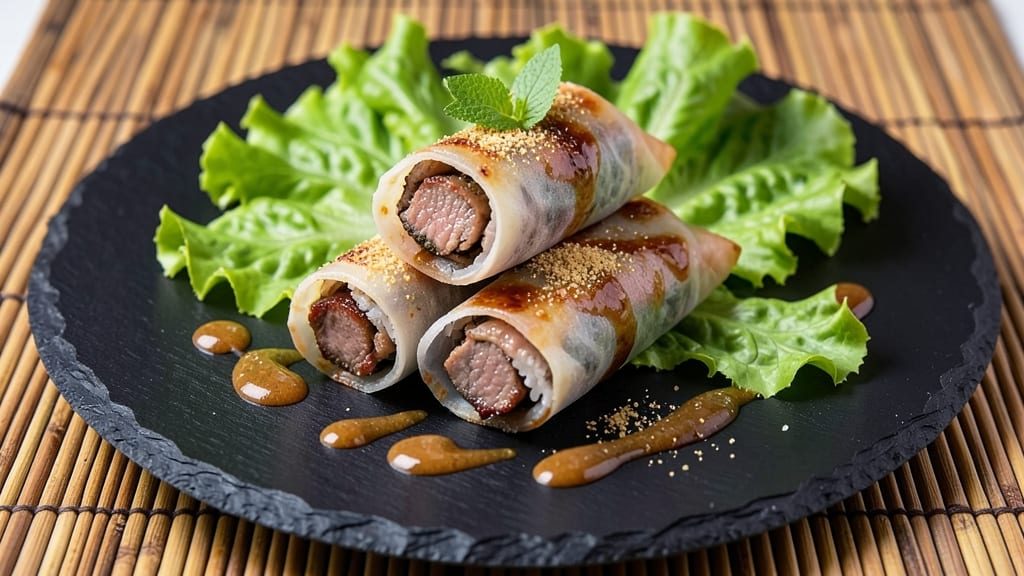
This Asian beef roll recipe delivers the perfect balance of crispy, golden wrappers and tender beef—packed with bold flavors that transport you straight to a bustling street market. 🌟 The secret lies in thinly sliced beef marinated just long enough to absorb aromatic spices, then seared to juicy perfection before being wrapped in delicate rice paper or fresh lettuce.
Whether you're making Vietnamese-style spring rolls or Korean lettuce wraps, this method ensures every bite is crisp, flavorful, and irresistibly satisfying.
What sets this recipe apart is the silky soy-lime dipping sauce, a tangy-sweet contrast that cuts through the richness of the beef and wrapper. The sauce is quick to make with just a few pantry staples, and its bright acidity elevates the dish from ordinary to extraordinary.
The beef itself can be prepared in multiple ways—pan-seared for quick weeknight meals or slow-cooked for deeper flavor—giving you flexibility depending on your schedule.
By the time you're done, you'll have crispy, golden rolls that stay fresh even when cut into, thanks to a light coating of cornstarch. The filling stays tender and flavorful, while the sauce ties everything together with its smooth, creamy texture.
These rolls are perfect for sharing, meal prepping, or enjoying as a satisfying solo dinner. The best part? They’re foolproof—no advanced techniques required, just a few simple steps and a little patience.
Pair your beef rolls with pickled vegetables for a tangy crunch, extra hoisin sauce for dipping, or a sprinkle of fresh herbs to brighten the plate. The possibilities are endless, but the result is always the same: a dish that’s as impressive as it is delicious. Let’s get cooking!
Ingredients for asian beef roll
Crispy, golden wrappers and tender beef—just 16 ingredients for market-fresh flavor.
| Ingredient | Amount | Notes |
|---|---|---|
| Flank Steak 🥩 | 1 lb | Thinly sliced against grain |
| Rice Paper Wrappers 🍱 | 12 whole | 6-inch size preferred |
| Fresh Lettuce Leaves 🥬 | 8 whole | Butter lettuce or romaine |
| Cornstarch 🌾 | ½ cup | For crispy coating |
| Vegetable Oil 🫒 | ¼ cup | For frying |
| Soy Sauce 🍶 | 2 tbsp | High-quality, light soy |
| Sesame Oil 🌿 | 1 tbsp | Toasted for aroma |
| Garlic Cloves 🧄 | 4 cloves | Minced finely |
| Fresh Ginger 🌿 | 1 tbsp | Grated finely |
| Lime Zest 🍋 | 1 tbsp | From 1 lime |
| Carrots 🥕 | 2 medium | Julienned thinly |
| Cucumber 🥒 | 1 medium | Julienned thinly |
| Green Onions 🧅 | 3 whole | Thinly sliced |
| Fresh Cilantro 🌿 | ¼ cup | Chopped finely |
| Salt 🧂 | 1 tsp | Kosher or sea salt |
| Black Pepper 🌶️ | ½ tsp | Freshly ground |
The beef is everything here. Flank steak gives you that perfect chew, but sirloin or ribeye work too—just slice it thin against the grain. I grab mine from the butcher counter at Whole Foods or Trader Joe's, where they'll slice it for you. For the rice paper, Kizuna brand is my go-to—they're sturdy enough to hold filling but still delicate. Store them in a sealed bag in the fridge, and let them sit at room temp for 10 minutes before using. The lettuce? Butter lettuce or romaine stays crisp longer than iceberg, which gets soggy fast.
No flank steak? Chicken breast or shrimp works for a lighter version—just marinate them the same way. Running out of carrots? Daikon radish or bell peppers add a nice crunch. The soy sauce matters here—Kikkoman or Pearl River Bridge are solid choices. For the sauce, if you can't find toasted sesame oil, regular sesame oil plus a pinch of smoked paprika mimics the flavor. The lime zest is non-negotiable though—fresh is a must, and don't skip the zest! The grated ginger should smell bright and zesty, not dusty. If it does, buy a new root.
These rolls keep for 2 days in the fridge, but they're best eaten fresh. For meal prep, fry half and store them in an airtight container with a paper towel to keep them crispy. The sauce? Make it fresh and store it in a jar for 1 week. The beef marinade can be prepped ahead and kept for 2 days in the fridge. Pro tip: If you're making a big batch, freeze the uncooked rolls in a single layer before wrapping—cook straight from frozen for crispy results.
Why You'll Love This Recipe
- No-Fuss Assembly: I swear by the rice paper wrappers—so thin, they soften in seconds when dipped. No rolling pins, no stress; just a quick soak and fold. The lettuce leaves add that perfect crunch without needing a single knife skill.
- Umami Bomb: That cornstarch crust on the flank steak? Chef’s kiss. It sears into a caramelized edge while staying juicy inside, and the garlic-oil glaze ties everything together like a flavor hug. Honestly, I’ve had takeout that didn’t hit this hard.
- Lunchbox Hero: Between us, these are my go-to for packed lunches—hard to squish, easy to eat, and zero soggy wrappers. Toss a few in a container with a side of peanut sauce, and you’ve got a meal that’ll hold up for days. (Yes, even on a Tuesday night.)
- Budget Flex: Flank steak stretches farther than you’d think when sliced thin, and rice paper wrappers cost pennies. I’ve fed four people for under $15, and the leftovers? Just as good cold the next day. Practical, delicious, and guilt-free.
Step-by-step instructions for Asian beef rolls
Here's how to make restaurant-quality beef spring rolls with that perfect crispy crunch!
👨🍳 Step 1: Marinate and Slice the Flank Steak
In a medium bowl, combine the 1 lb flank steak, 2 tbsp soy sauce, 1 tbsp sesame oil, 1 tbsp lime zest, 1 tbsp grated fresh ginger, 4 minced garlic cloves, 1 tsp salt, and 0.5 tsp black pepper. Mix well with your hands, making sure the marinade coats every inch of the meat. Let it marinate for at least 30 minutes in the refrigerator - this ensures maximum flavor penetration.
While it marinates, slice the flank steak thinly against the grain into ¼-inch thick strips. This is crucial for tender bites - you'll see the muscle fibers running lengthwise, so cut perpendicular to them. The thinner you slice, the more tender the finished rolls will be. Keep the sliced steak in the marinade until ready to use.
🥘 Step 2: Prepare the Fresh Vegetable Filling
Using a mandoline or sharp knife, julienne the 2 medium carrots and 1 medium cucumber into thin matchsticks. I like to cut them on the bias for extra length. Place them in a large bowl and add the 8 whole fresh lettuce leaves, 3 thinly sliced green onions, and 0.25 cup chopped fresh cilantro. Toss everything together gently - you want to keep the lettuce leaves intact for structure.
Here's the thing - don't overmix or the lettuce will turn to mush. Just combine everything until evenly distributed. The vegetables should look vibrant and fresh, ready to be wrapped in crispy perfection. This is where the freshness comes from, so don't skip this step!
🔥 Step 3: Create the Crispy Cornstarch Coating
In a shallow dish, combine the 0.5 cup cornstarch with 1 tsp salt and 0.25 tsp black pepper. This will be your crispy coating for the beef rolls. The cornstarch creates that perfect golden crust when fried. Give it a good stir to break up any lumps in the cornstarch.
In a separate bowl, prepare a simple dipping sauce by mixing 1 tbsp soy sauce with 1 tsp sesame oil and 1 tsp lime zest. This will be your silky dipping sauce - set it aside for later. The cornstarch mixture should be fine and dry, ready to coat your beef and vegetables perfectly.
🍳 Step 4: Assemble and Fry the Beef Rolls
Heat 0.25 cup vegetable oil in a large skillet over medium-high heat until it shimmers but doesn't smoke. Dip each rice paper wrapper briefly in warm water for 5-10 seconds until pliable, then lay it flat on a clean surface. Place 2 tbsp of the beef mixture near the bottom, then add 1 tbsp of the vegetable filling in a line.
Fold the bottom corner over the filling, then fold in the sides, and finally roll up tightly like a burrito. You'll have about 4 inches of wrapper left at the top - dip this in water again to seal. Place the completed roll seam-side down in the hot oil. Fry for 2-3 minutes per side until golden brown and crispy. Transfer to a paper towel-lined plate to drain excess oil.
🍽️ Step 5: Serve with Fresh Dipping Sauce
Arrange the crispy beef rolls on a serving platter while still warm. The outside should be deep golden brown with a satisfying crunch, while the inside remains juicy and flavorful. Serve immediately with the silky soy-lime dipping sauce on the side - it should be smooth and glossy, with bright citrus notes cutting through the richness.
For maximum enjoyment, serve these rolls while they're still hot and crispy. The contrast between the crispy exterior and tender beef filling is what makes these rolls so special. Don't forget to cut them diagonally for that classic spring roll presentation!
Pro Tips For Making Asian Beef Roll
- Slice Against the Grain: Flank steak’s fibers run long—if you cut it with the grain, you’ll end up with chewy, tough strips instead of tender ones. After cooking, slice at a 45-degree angle against the grain, and use a sharp knife to make clean, thin strips. I used to waste good meat by rushing this step, but taking 30 seconds extra makes all the difference when rolling.
- Soak Rice Paper Right: Cold water is your enemy here—use warm water (about 100°F/38°C) to soften rice paper wrappers in 10-15 seconds. Too cold, and they’ll tear; too hot, and they’ll dissolve. Dip one wrapper at a time, lay it flat, and work fast—these things dry out fast once out of water. (Yes, even if you’re impatient like me.)
- Cornstarch Crust, Not Glue: Tossing flank steak in cornstarch before searing isn’t just for flavor—it creates a light, crisp crust that won’t turn to mush when rolling. Use about 2 tablespoons per pound, but don’t overcrowd the pan. I learned this the hard way when my first batch stuck like glue and turned into a sad, greasy mess.
- Prep Lettuce Like a Pro: Skip the whole lettuce leaves—buy pre-washed butter lettuce or romaine and separate the leaves yourself. They’re cleaner, more uniform, and won’t wilt under the beef like store-bought leaves often do. If you’re short on time, use larger leaves and tear them into rough rectangles; they’ll still hold up in the roll. (Your future self will thank you.)
Wine and beer pairings for asian beef roll
Vietnamese-Inspired Pairings
For a true Vietnamese-inspired experience, pair your beef rolls with a crisp Saigon lager—its light, refreshing profile complements the rich beef flavors beautifully. I love 333 Beer or Bia Saigon, both available at most Asian grocery stores.
The slight bitterness balances the sweetness of the soy-lime sauce while keeping the crispy texture front and center. 🍺
For a non-alcoholic option, yuzu soda (a Japanese citrus soda) adds a bright, effervescent contrast. The tartness cuts through the richness of the beef and wrapper, making each bite feel fresh.
Look for it in the international beverage aisle or make your own by mixing sparkling water with yuzu juice and a touch of honey.
Korean-Inspired Pairings
If you're leaning into Korean flavors, serve your beef rolls with a soju cocktail—mix 1 oz soju with 2 oz grapefruit juice and a splash of soda water.
The citrusy, slightly sweet profile mirrors the lime in your sauce while adding a sophisticated kick. Chum Churum or Jinro soju work perfectly. 🍹
For a beer option, try a Korean hoppy lager like Hite or Cass. The light maltiness won’t overpower the beef but enhances the umami notes in the marinade. Serve it ice-cold to keep the rolls’ crispiness intact.
Umami-Boosting Sauces
Elevate your rolls with a hoisin-sriracha drizzle—mix 1 tbsp hoisin sauce with ½ tsp sriracha and a pinch of sesame seeds. The sweet-spicy contrast adds depth, especially if you’re serving with pickled vegetables like carrots or daikon.
This sauce pairs perfectly with a dry Riesling from Germany, where the acidity mirrors the lime in your dipping sauce. 🍷
For a lighter option, whip up a mint-lime dressing by blending ¼ cup fresh mint, 2 tbsp lime juice, 1 tbsp honey, and 1 tsp rice vinegar.
Drizzle this over the rolls before serving—it brightens the plate and balances the richness of the beef. This dressing also works as a palate cleanser between bites.
Regional Wine Pairings
For a French-inspired twist, pair your rolls with a dry rosé from Provence, like Whispering Angel or Miraval. The crisp acidity and red fruit notes echo the lime and ginger in your marinade, while the floral undertones complement the fresh herbs in the filling. 🍷
If you prefer red wine, a light Pinot Noir from Oregon or New Zealand—such as La Crema or Oyster Bay—adds earthy notes that harmonize with the beef’s umami. Avoid heavy cabernets, as they’ll overpower the delicate flavors of the rolls.
Nutrition facts
Frequently asked questions
Can I use chicken or shrimp instead of beef?
This recipe works perfectly with chicken breast or shrimp for a lighter version. For chicken, slice it into thin strips and marinate for 20-30 minutes—no need for longer marinating. With shrimp, pat them dry first and marinate for just 15 minutes to avoid overcooking. The cornstarch coating and frying method stay the same, so you'll still get that crispy texture.
How do I keep the rolls crispy after frying?
Store them in an airtight container with a paper towel on top to absorb moisture. Reheat in a 350°F oven for 5-7 minutes or air fry at 375°F for 3-4 minutes to restore crispiness. For best results, fry fresh and serve immediately—these rolls are at their crispy best when hot.
What if I don't have rice paper wrappers?
No problem! Use lettuce leaves (like romaine or butter lettuce) for Korean-style lettuce wraps, or try spring roll wrappers (found in the Asian aisle) for a more traditional Vietnamese-style roll. If you're making lettuce wraps, skip the frying step and serve the beef and veggie mixture wrapped in lettuce with the dipping sauce.
Can I make the dipping sauce ahead of time?
Yes, but store it separately from the cornstarch mixture. The sauce keeps well in an airtight jar in the fridge for up to 1 week. Just stir before using—it thickens slightly when chilled. For extra freshness, add a splash of lime juice before serving. The cornstarch should be used fresh for best texture.
Why is my beef tough after cooking?
This usually happens if you didn't slice against the grain or overcook the beef. Always cut perpendicular to the muscle fibers for tender bites. For extra tenderness, marinate the beef for at least 1 hour (or overnight for deeper flavor). When frying, cook the beef just until it reaches 145°F internally—overcooking makes it tough.