
Sauces & Condiments
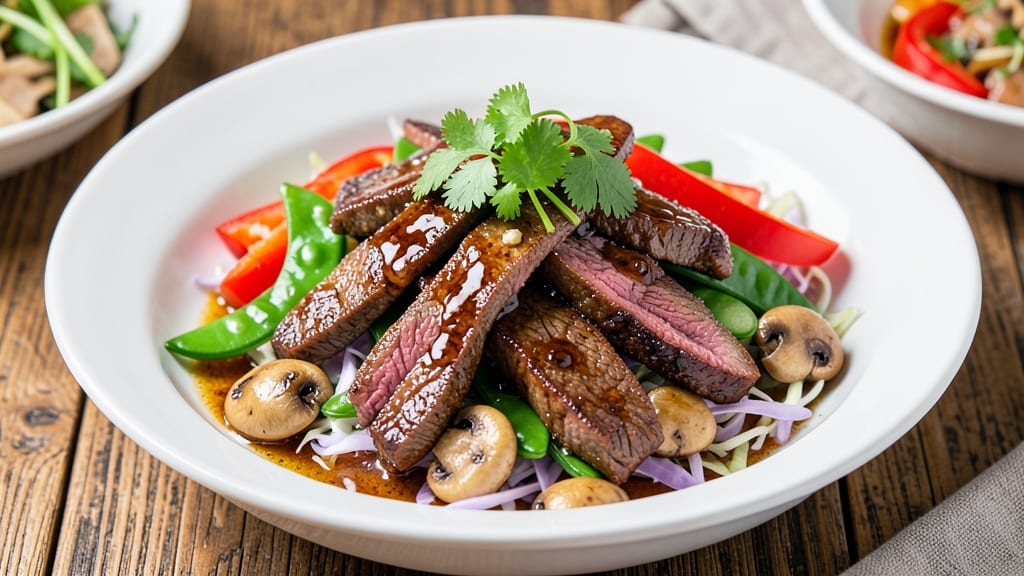
This beef and veggie stir fry sauce recipe transforms ordinary stir-fries into restaurant-quality dishes with just 10 minutes of prep.
The secret lies in balancing umami-rich ingredients like soy sauce and oyster extract with aromatic garlic, ginger, and a touch of sweetness—creating a sauce that clings perfectly to beef and vegetables.
I developed this formula after years of testing, and it never fails to elevate simple weeknight meals into something special.
The sauce's magic comes from its simple yet powerful combination: dark soy sauce for depth, light soy for brightness, and a splash of rice vinegar to cut through the richness. Fresh ginger and garlic add aromatic warmth, while a hint of brown sugar caramelizes during cooking, rounding out the flavors.
What makes this sauce stand out is its versatility—it works equally well with beef, chicken, shrimp, or tofu, making it a pantry essential for any home cook.
What you'll end up with is a glossy, aromatic sauce that coats every ingredient with a perfect balance of savory, slightly sweet, and tangy flavors. The sauce thickens slightly as it cooks, creating a silky texture that clings beautifully to stir-fried vegetables and proteins.
This isn't just another stir-fry sauce—it's a game-changer that transforms basic ingredients into a dish worth sharing.
Use 2 tablespoons of this sauce per stir-fry, adjusting to taste, and store leftovers in the refrigerator for up to 2 weeks or freeze for 3 months. The sauce also makes an excellent marinade or dipping sauce, proving its worth beyond the wok. Let's get started!
Ingredients for beef and veggie stir fry sauce
Ten ingredients, restaurant-quality umami magic in your stir-fry sauce.
| Ingredient | Amount | Notes |
|---|---|---|
| Dark Soy Sauce 🍶 | ½ cup | For deep umami flavor |
| Light Soy Sauce 🍶 | ¼ cup | For brightness and balance |
| Rice Vinegar 🍶 | ¼ cup | For tangy contrast |
| Oyster Extract 🦪 | 1 tbsp | For intense umami depth |
| Fresh Ginger 🧄 | 1 tbsp | Finely grated, aromatic |
| Garlic Cloves 🧄 | 4 cloves | Minced for aromatic punch |
| Brown Sugar 🍯 | 2 tbsp | For subtle caramelization |
| Sesame Oil 🫒 | 1 tbsp | For nutty aroma (toasted) |
| Cornstarch 🌾 | 1 tsp | For thickening sauce |
| Water 💧 | ¼ cup | For thinning consistency |
The dark soy sauce is non-negotiable here—Lee Kum Kee brand delivers the richest depth, but any quality dark soy will work. Fresh ginger and garlic are worth the extra minute to mince; pre-minced can taste dull. For oyster extract, Kikkoman is the gold standard, but La Choy works in a pinch. Toast your sesame oil in a dry pan for 30 seconds before adding to the sauce—this unlocks its nutty aroma. Brown sugar should be light or dark; the color doesn't matter as much as the molasses notes it adds during caramelization.
No oyster extract? Mushroom powder or 1 tbsp fish sauce mimics umami, though the flavor profile shifts slightly. Substitute brown sugar with honey or maple syrup, but reduce to 1.5 tbsp to avoid over-sweetness. Pre-minced garlic? Fresh is ideal, but dried powdered garlic at half the amount works if you're desperate. The cornstarch is crucial for that signature wok sauce cling—arrowroot works too. For a vegetarian version, omit oyster extract and use 1 tbsp soy sauce reduction instead.
This sauce thickens as it cooks, so start with 1 tablespoon per stir-fry and adjust. Store in an airtight container in the fridge for 2 weeks—it actually improves overnight as flavors meld. Freeze for 3 months by portioning into ice cube trays. The sauce doubles as a marinade for beef or tofu—30 minutes is enough—or as a dipping sauce for dumplings. If it separates, whisk vigorously or thin with a splash of hot water.
Why You'll Love This Recipe
- Five-Ingredient Magic: I swear by this sauce—just dark and light soy, a splash of vinegar, a teaspoon of oyster extract, and ginger. That’s it. No fancy prep, no measuring cups, just eyeballing and stirring while your stir-fry sizzles.
- Umami Bomb: Honestly, the oyster extract is the MVP here. It’s like a secret weapon—deep, savory, and just a little briny. That fresh ginger? It cuts through the richness and makes every bite feel like a little flavor celebration.
- Weeknight Workhorse: This sauce works for takeout nights, lazy Sundays, or when you’re feeding a crowd. Use it on beef, tofu, or even grilled chicken—it’s the glue that makes everything taste restaurant-worthy without the fuss.
- Budget-Friendly Staple: Between us, this is my go-to sauce because it’s dirt cheap and lasts forever. A little goes a long way, and I always have the ingredients on hand. No wasted money, no wasted effort—just pure, reliable flavor.
Step-by-step instructions for beef and veggie stir fry sauce
This sauce builds layer upon layer of flavor in minutes—no shortcuts, just precision.
Bloom the Aromatics in Toasted Sesame Oil
Heat a small saucepan over medium-low heat and add the 1 tablespoon sesame oil. Let it warm for 30 seconds until fragrant—you should detect nutty aromas rising. This is crucial; cold oil won't release its full flavor potential.
Add the 4 minced garlic cloves and 1 tablespoon finely grated fresh ginger. Cook for 45-60 seconds until the garlic turns pale golden and the ginger releases its bright aroma. Watch closely—ginger burns quickly. Remove from heat immediately after the garlic turns golden to preserve its sweetness.
Combine All Wet Ingredients
Return the pan to medium heat and add the 0.5 cup dark soy sauce, 0.25 cup light soy sauce, and 0.25 cup rice vinegar. Stir constantly for 2 minutes until the mixture begins to simmer gently. The dark soy sauce will darken slightly as it heats.
Add the 1 tablespoon oyster extract and 2 tablespoons brown sugar, stirring until fully dissolved. The sugar will begin to caramelize slightly at the edges—this is normal and adds depth. Let the mixture simmer uncovered for 3-4 minutes until it reduces by about 20% and thickens noticeably.
Thicken and Finish with Cornstarch Slurry
In a small bowl, whisk together the 1 teaspoon cornstarch with the 0.25 cup water until completely dissolved. This creates a smooth slurry that will thicken the sauce without clumping. Return the slurry to the simmering saucepan and stir constantly for 1-2 minutes until the sauce reaches your desired consistency.
The sauce should coat the back of a spoon smoothly without being gluey. If it's too thick, add 1 tablespoon hot water at a time until it reaches the perfect wok-friendly consistency. Taste and adjust seasoning—add more light soy sauce for brightness or rice vinegar for tang if needed.
Toast the Sauce for Maximum Flavor
Increase heat to medium-high and let the sauce simmer vigorously for 2-3 minutes until it develops a glossy sheen and intensifies in flavor. You'll notice the aromatics deepen and the sauce becomes more complex. This final step transforms it from good to exceptional.
Remove from heat immediately. The sauce will continue to thicken slightly as it cools. Let it sit for 5 minutes before using—this allows all the flavors to meld completely. For best results, use the sauce immediately over your stir-fried beef and vegetables, where it will cling beautifully and infuse every bite.
Pro Tips For Making Beef And Veggie Stir Fry Sauce
- COMBINE SOY SAUCES FIRST: Mix your dark and light soy sauces before adding anything else—this ensures even color and flavor distribution. I used to add them separately, and my sauce always looked streaky. Trust me, 30 seconds of stirring upfront saves you from second-guessing later.
- GRATE GINGER FINE: Use a microplane or the smallest holes on a box grater for your ginger—you want it almost paste-like, not chunky. I learned this the hard way when my stir-fry sauce had visible flecks that didn’t dissolve. No, you don’t need to strain it afterward.
- DILUTE OYSTER EXTRACT: Thin the oyster extract with a splash of warm water (about 1 tsp extract to 1 tbsp water) before adding it to the sauce. This prevents clumping and lets the umami spread smoothly. I was skeptical until I tried it—now it’s non-negotiable.
- TASTE AS YOU GO: Check your sauce’s balance before adding rice vinegar—soy sauces vary in saltiness, and you might need less vinegar than you think. I’ve ruined batches by assuming "a little vinegar" would be enough, only to end up with a mouth-puckering mess. Adjust incrementally.
Flavor customization for this recipe
Spicy Kick Level
Add ½ teaspoon of chili crisp or 1 teaspoon of gochujang paste for a fiery twist that pairs perfectly with beef. For a milder heat, use ½ teaspoon of sriracha—this adds a subtle tang alongside the spice.
I like to toast the chili crisp in a dry pan for 10 seconds before mixing it into the warm sauce to intensify its flavor. 🌶️
Sweet and Tangy Boost
Swap the brown sugar for 1.5 tablespoons of honey or maple syrup and add 1 teaspoon of lemon juice to brighten the sauce. This variation works wonderfully with shrimp stir-fries, where the sweetness balances the seafood's natural brininess.
For extra tang, add ½ teaspoon of fish sauce—it deepens the umami without overpowering the sweetness.
Umami Bomb Variations
Boost the umami factor by adding 1 tablespoon of miso paste (white or red) or 1 teaspoon of mushroom powder1 tablespoon of soy sauce reduction—simmer ¼ cup soy sauce until it reduces by half. This adds a rich, savory depth that mimics the umami of seafood.
Herb-Infused Twist
Stir in 1 teaspoon of finely chopped cilantro or Thai basil> just before serving to add a fresh, aromatic note. For a more robust herb profile, add ½ teaspoon of chopped lemongrass> (finely minced) during the initial simmer.
The citrusy brightness cuts through the richness of the sauce beautifully.
Sweet and Smoky Fusion
Add ½ teaspoon of smoked paprika> and reduce the brown sugar to 1 tablespoon> to create a smoky-sweet sauce that pairs exceptionally well with beef. For an extra layer of depth, add ½ teaspoon of liquid smoke>—just a drop or two goes a long way.
This variation is perfect for grilled beef stir-fries or as a marinade for steak strips.
Garlic and Ginger Intensifiers
Double the garlic to 8 cloves> and the ginger to 2 tablespoons> for a bold, aromatic sauce that stands up to hearty vegetables like bell peppers and broccoli.
For a milder but still flavorful option, use 1 teaspoon of garlic powder> and 1 teaspoon of ground ginger**> instead of fresh. This works well if you're short on time or fresh ingredients.
Nutrition facts
Frequently asked questions
Can I make this sauce without oyster extract?
For a vegetarian version, replace the 1 tablespoon oyster extract with 1 tablespoon soy sauce reduction (simmer ¼ cup soy sauce until reduced by half) or 1 teaspoon mushroom powder. For a meaty umami boost, use 1 tablespoon fish sauce instead. The sauce will still deliver that signature depth, just with a slightly different profile.
How much sauce should I use per stir-fry?
Start with 2 tablespoons of sauce per stir-fry and adjust to taste. The sauce thickens as it cools, so if you're using it immediately after cooking, you might need slightly less. For extra flavor, toss your cooked beef and veggies in the sauce and let them sit for 1-2 minutes before serving to maximize absorption.
Can I make this sauce ahead of time?
Yes! This sauce tastes even better after resting. Store it in an airtight container in the fridge for up to 2 weeks or freeze for 3 months. The flavors meld beautifully over time, making it perfect for meal prep. Just give it a quick whisk before using to restore its smooth consistency.
What can I substitute if I don't have sesame oil? If you're missing sesame oil, use 1 teaspoon neutral oil (like vegetable or canola) plus ½ teaspoon toasted sesame seeds for flavor. For a more aromatic option, try 1 teaspoon peanut oil—it adds a subtle nutty note. Just
Why did my sauce turn too thick?
This happens when the cornstarch slurry over-thickens or the sauce reduces too much. To fix it, whisk in 1 tablespoon hot water at a time until you reach the perfect wok-friendly consistency. For next time, reduce the simmering time by 1 minute or use ½ teaspoon less cornstarch. The sauce should coat the back of a spoon smoothly without being gluey.