
Main Courses
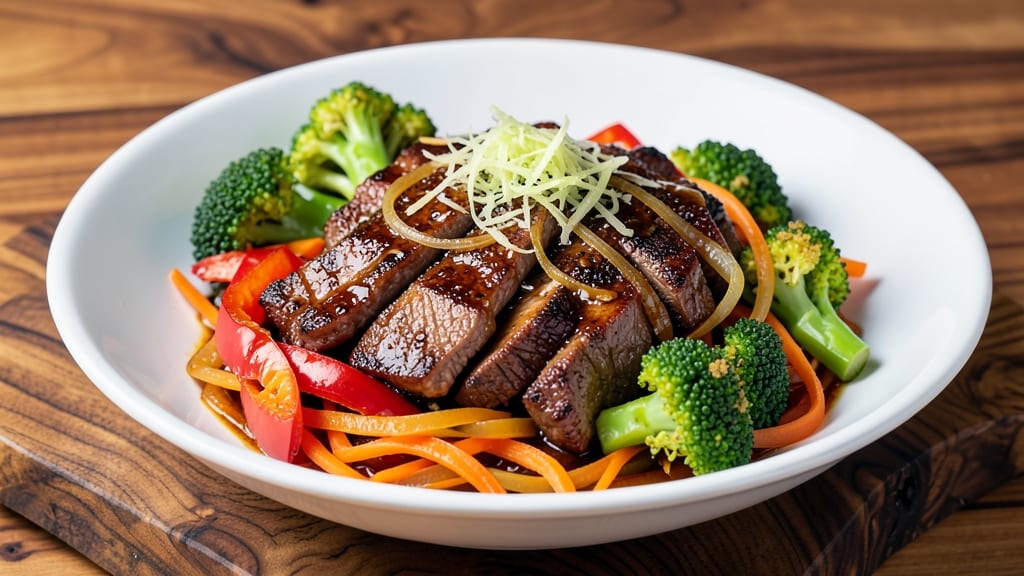
This Asian beef and vegetable stir fry delivers restaurant-quality wok heat in just 15 minutes, balancing sweet, savory, and umami flavors with perfect texture.
The secret lies in high-heat cooking and a sauce that caramelizes into a glossy, flavorful glaze—transforming simple ingredients into a dish that tastes like it came from a bustling street market.
I've perfected this technique to ensure tender beef, crisp-tender vegetables, and a sauce that clings beautifully without overpowering the natural flavors.
What sets this stir fry apart is the adaptability—whether you're leaning toward a classic Chinese soy-based sauce or a lighter coconut aminos version, the method remains the same. The beef, sliced thin against the grain, cooks quickly while the vegetables develop a satisfying crunch.
Aromatics like garlic and ginger form the flavor base, while a touch of sesame oil adds depth and aroma that elevates every bite.
By the time you serve it, you'll have a dish that's vibrant, aromatic, and packed with layers of flavor—ready to pair with steamed jasmine rice or noodles. The sauce, slightly sticky and glossy, coats every ingredient perfectly, creating a harmonious balance of textures and tastes.
This is the kind of meal that brings the energy of an Asian street food stall to your kitchen, with minimal effort and maximum impact.
Whether you're feeding a family or cooking for one, this stir fry scales beautifully while maintaining its bold flavors. The technique is simple but essential for achieving that signature wok hei—smoky, aromatic heat that defines authentic stir-fry. Let's get cooking!
Ingredients for asian beef and vegetable stir fry
Quick grocery run for these vibrant ingredients—transforming simple cuts into restaurant-quality stir fry magic.
| Ingredient | Amount | Notes |
|---|---|---|
| Flank Steak 🥩 | 1 ¼ lb | Thinly sliced against grain |
| Yellow Onion 🧅 | 1 whole | Thinly sliced, white part only |
| Red Bell Pepper 🍆 | 1 piece | Cut into thin strips |
| Carrot 🥕 | 2 medium | Julienned into matchsticks |
| Broccoli Florets 🥦 | 2 cups | Small florets, cut into bite-size |
| Fresh Ginger 🌿 | 1 inch | Peeled, finely minced |
| Garlic Cloves 🧄 | 4 cloves | Minced, fresh preferred |
| Soy Sauce 🍶 | ½ cup | High-quality, light soy |
| Sesame Oil 🫒 | 1 tbsp | Toasted, for aroma |
| Honey 🍯 | 1 tbsp | Pure, for balance |
| Rice Vinegar 🍶 | 1 ½ tbsp | For tangy brightness |
| Vegetable Oil 🫒 | 2 tbsp | High smoke point |
| Green Onion 🧅 | 2 whole | Thinly sliced, for garnish |
| Toasted Sesame Seeds 🌾 | 1 tbsp | For crunchy finish |
| Salt 🧂 | 1 tsp | Kosher, for seasoning |
The beef is non-negotiable here—flank steak slices thin against the grain for that signature tender bite. Costco or local butchers often have pre-sliced options, but if you're slicing yourself, freeze the meat for 30 minutes first to make it easier. For the aromatics, fresh ginger and garlic are essential—none of that jarred stuff. Look for bright, plump ginger roots and firm garlic bulbs at Asian markets if you're feeling adventurous, but the regular grocery store works too. The bell pepper and carrot should be crisp—avoid any that feel soft or rubbery.
No flank steak? Sirloin or ribeye work in a pinch, but slice them thinner. Running low on soy sauce? Coconut aminos gives a lighter profile, or mix hoisin sauce with a splash of water for depth. Fresh ginger too fibrous? Ground ginger at half the amount saves the day. The broccoli can be any color—purple or green both work, but cut it small so it cooks fast. Need to stretch this? Add snap peas, mushrooms, or baby corn—whatever you've got in the fridge. The sesame oil is a must for aroma, but if you're sensitive to its flavor, reduce to 0.5 tbsp and add an extra 0.5 tbsp of regular vegetable oil.
Prep everything before you start cooking—this isn't a recipe for multitasking. The sauce keeps for up to 1 week in the fridge, so make extra if you're serving a crowd. Store leftovers in airtight containers for 3-4 days, but honestly, it reheats beautifully and tastes even better the next day. For freezing, portion into single servings—3 months max in the freezer. The green onions and sesame seeds? Add them fresh at the end so they stay vibrant. This dish is all about that wok hei—high heat, quick cooking, and a little smoke. Don't rush it, but don't linger either.
Why You'll Love This Recipe
- One-Pan Magic: I swear by this recipe after burning three stir-fries in a row—just toss everything on one hot pan, and the onions caramelize while the beef slices into tender strips. No flipping pans, no stress.
- Umami Bomb: That quick marinade of soy, ginger, and sesame oil? It turns tough flank steak into something dangerously tender, while the bell peppers add just enough sweetness to balance the savory punch. Honestly, the first bite makes me question why I don’t eat this every week.
- Lunchbox Hero: Between us, this is my go-to for meal prep—double the batch, and I’ve got three lunches ready. The broccoli stays crisp, the beef holds its shape, and even my picky coworker asks for seconds. (Yes, even on a Tuesday night.)
- Budget Power Move: Flank steak stretches across two meals without breaking the bank, and the veggies? You name it, it works. Swap in whatever’s on sale—extra carrots, frozen peas, even leftover cabbage—and it’s still a winner. My wallet and my freezer thank me.
Step-by-step instructions for Asian beef and vegetable stir fry
Here's how to deliver restaurant-quality stir fry with perfect wok hei and tender beef every time.
🍳 Step 1: Marinate and Prep the Flank Steak
Slice the 1.25 lb flank steak thinly against the grain into ¼-inch thick strips. Place them in a bowl and mix with 0.5 cup soy sauce, 1 tbsp honey, and 1.5 tbsp rice vinegar. Let this marinate for at least 20 minutes (I usually do 30 minutes in the fridge for deeper flavor). The acid in the vinegar will tenderize the meat while the soy sauce infuses it with umami.
While the steak marinates, prep all vegetables. Thinly slice the white part of the 1 whole yellow onion and cut the red bell pepper into ¼-inch strips. Julienne the 2 medium carrots into matchsticks, and cut the 2 cups broccoli florets into bite-sized pieces. Finely mince the 1 inch fresh ginger and 4 cloves garlic. Having everything prepped ensures nothing burns while you cook.
🍳 Step 2: Sear the Beef for Maximum Flavor
Heat a wok or large skillet over high heat until it's screaming hot. Add 2 tbsp vegetable oil and swirl to coat. Working in batches (don't overcrowd), add the marinated beef and sear for 1-2 minutes per side until deep brown and just cooked through. Remove the beef and set aside—it'll finish cooking with the vegetables.
Here's the thing—high heat is crucial. You want that wok hei (breath of the wok) flavor, which comes from the Maillard reaction. If your pan isn't hot enough, the beef will steam instead of sear. Keep the heat cranked up and don't walk away during this step.
🍳 Step 3: Stir-Fry Vegetables in Stages
In the same wok, add 1 tbsp sesame oil and let it shimmer for 10 seconds. Add the onion and carrots first—they take longer to cook. Stir-fry for 2-3 minutes until the onions turn translucent and the carrots begin to soften. Push them to one side of the wok and add the garlic and ginger, cooking for 30 seconds until fragrant (don't let them burn!).
Add the bell pepper and broccoli, stirring constantly for 2-3 minutes until the vegetables are bright green and crisp-tender (not mushy). The key here is constant movement—keep everything stirring so nothing sticks to the bottom. If your wok gets too crowded, work in batches and combine at the end.
🥘 Step 4: Combine and Finish with Umami Bomb
Return the seared beef to the wok along with any accumulated juices. Add 1 tsp salt and toss everything together for 1-2 minutes until the beef is heated through and the vegetables are bright and vibrant. The residual heat from the wok will finish cooking the beef perfectly.
For that final umami kick, drizzle in 1 tbsp sesame oil and toss everything together. The oil adds richness and helps distribute the flavors evenly. Taste and adjust seasoning—you might want to add a splash more soy sauce or a touch of rice vinegar if needed. The dish should be savory, slightly sweet, and tangy with a hint of heat from the ginger.
🍽️ Step 5: Garnish and Serve Immediately
Transfer the stir fry to serving plates and garnish with thinly sliced green onion and 1 tbsp toasted sesame seeds. The seeds add a delightful crunch and visual contrast. Serve immediately over steamed jasmine rice—the hot rice will soak up any extra sauce, creating the perfect bite.
This stir fry is best enjoyed right away when the vegetables are still crisp and the flavors are vibrant. If you're serving a crowd, keep the rice warm in a rice cooker and assemble plates as you go. The combination of tender beef, crisp vegetables, and that perfect umami sauce makes this dish a weeknight favorite that always impresses.
Pro Tips For Making Asian Beef And Vegetable Stir Fry
- Slice Steak Thinly: Grab a sharp knife and cut the flank steak against the grain—thin slices (¼-inch or less) cook faster and stay tender. I used to eyeball it, but measuring with a ruler guarantees even cooking. (Yes, even if you’re impatient like me.)
- Prep Veggies Uniformly: Chop onions into ½-inch pieces, bell peppers into ½-inch strips, and carrots into matchsticks—same size as broccoli florets. Uneven cuts mean some veggies turn mushy while others stay crunchy. (Your future self will thank you.)
- Don’t Overcrowd the Pan: Stir-fry in batches if needed—packing too many veggies steams them instead of searing. Start with onions and hardest veggies (carrots, bell peppers), then add broccoli last. (I learned this the hard way after a soggy disaster.)
- Use High Heat, Then Lower: Crank the burner to max for the first 2 minutes to blister the beef, then drop to medium-high to finish. Low heat = rubbery steak and sad veggies. (This isn’t the prettiest method, but it’s the tastiest.)
Best sauces and condiments for this asian beef and vegetable stir fry
Classic Soy-Ginger Sauce
The foundation of this stir fry is a simple yet powerful sauce made with 0.5 cup soy sauce, 1 tbsp honey, and 1.5 tbsp rice vinegar. This combination creates the perfect balance of umami, sweetness, and tang that clings beautifully to the beef and vegetables.
I like to use Kikkoman soy sauce for its clean, salty profile, but Lee Kum Kee adds a slightly sweeter depth that works well too. For extra richness, add 1 tsp oyster sauce or 1 tsp fish sauce—just a touch enhances the savory notes without overpowering. 🍶
Sesame Oil Finishing
Sesame oil isn’t just for flavor—it’s the secret to that signature nutty aroma and glossy finish. Use toasted sesame oil (not the lighter, refined kind) and add it at the very end. Start with 1 tbsp and adjust to taste—too much can make the dish taste bitter.
I drizzle it in while tossing everything together, letting it sizzle for just 10 seconds to release its aroma. For a lighter touch, reduce to 0.5 tbsp and add an extra splash of vegetable oil to maintain moisture. 🌾
Spicy Chili Oil Twist
For a kick of heat, stir in 1 tsp chili oil (like Lao Gan Ma) or a pinch of red pepper flakes at the end. This adds a smoky, spicy depth that cuts through the richness of the beef.
I like to toast ½ tsp Sichuan peppercorns in the wok for 30 seconds before adding the vegetables—this infuses the oil with a subtle tingling heat. If you’re sensitive to spice, start with ¼ tsp and adjust to taste. 🌶️
Sweet and Tangy Variations
Craving something sweeter? Swap the honey for 1 tbsp hoisin sauce and add ½ tsp five-spice powder for warmth. For a tangier profile, increase the rice vinegar to 2 tbsp and add 1 tsp lime juice at the end.
If you’re using coconut aminos instead of soy sauce, balance the flavor with ½ tsp sugar or 1 tsp maple syrup. These tweaks keep the dish vibrant while adapting to your taste. 🍯
Umami Boosters
Want to take the sauce to the next level? Stir in 1 tsp miso paste (white or red) for a deeper, fermented umami. A splash of Mirin (just ½ tsp) adds a subtle sweetness and glossiness.
For a smoky touch, add ½ tsp smoked paprika or a dash of liquid smoke—just a hint enhances the wok hei flavor. These additions are optional but elevate the dish from good to restaurant-quality**. ✨
Nutrition facts
Frequently asked questions
Can I use a different cut of beef besides flank steak?
For this stir fry, sirloin or ribeye work well—just slice them thinner (¼-inch) against the grain. Skirt steak is another great option, but trim excess fat first. The key is thin slicing to ensure tender results in just 1-2 minutes of cooking.
How do I get the best wok hei (smoky flavor) without a wok?
Use a carbon steel or cast iron skillet on high heat—they retain heat like a wok. For extra smokiness, add ½ tsp smoked paprika or 1 tsp chili oil at the end. A gas stove works better than electric for high heat control.
Can I make this stir fry ahead of time?
Yes, but serve it fresh for best texture! Cook the beef and vegetables separately, then refrigerate in airtight containers for up to 2 days. Reheat gently in a pan with 1 tsp sesame oil for 2-3 minutes—just until warmed through. The vegetables will soften slightly, but the flavors stay vibrant.
What if I don’t have fresh ginger or garlic?
Use ground ginger (½ tsp) or jarred minced garlic, but reduce by half since they’re more concentrated. For extra flavor, add ½ tsp garlic powder or ¼ tsp ground ginger to compensate. Fresh is ideal, but these work in a pinch!
How do I adjust the sauce for a gluten-free diet?
Replace soy sauce with coconut aminos or tamari (gluten-free soy sauce). For extra umami, add 1 tsp fish sauce or ½ tsp mushroom powder. The honey and rice vinegar stay the same—just ensure all ingredients are certified gluten-free.