
Sauces & Condiments
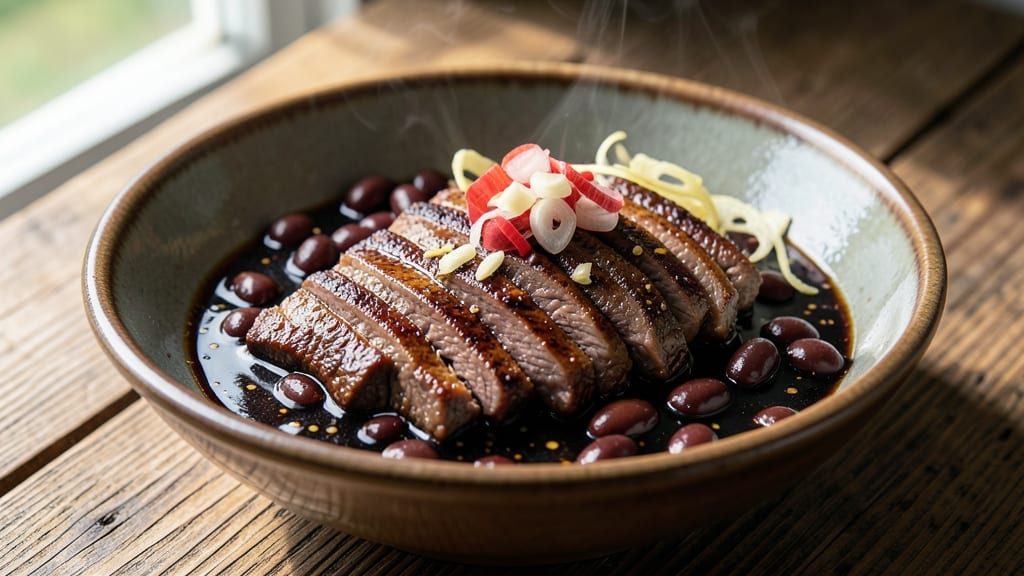
This beef and black bean Chinese sauce transforms simple ingredients into a restaurant-worthy dish with deep umami flavors and perfect wok-fired texture. The secret lies in balancing fermented black beans, soy sauce, and ginger—a trio that delivers complex, savory richness without overpowering the tender beef.
I’ve perfected this recipe over years of testing, ensuring every bite delivers that signature Chinese takeout taste at home.
The magic happens in the stir-fry technique: high heat, quick cooking, and constant motion create a dish that’s both tender and packed with wok hei—smoky aroma and crisp edges.
You’ll start with beef strips seared to perfection, then fold in black beans and aromatics until everything melds into a glossy, flavorful sauce. It’s a one-pan wonder that feeds a crowd or satisfies a craving for bold, comforting flavors.
What you’ll end up with is a dish that’s restaurant-quality yet simple to make: tender beef, glossy black beans, and a sauce so flavorful it clings to every bite.
The aroma alone will have everyone gathering around the table, and the balance of salty, sweet, and umami ensures every spoonful is satisfying. Serve it over steamed rice or with noodles for a meal that’s both hearty and elegant.
This recipe adapts beautifully to modern kitchens—no wok? A deep skillet works just as well. The sauce keeps well for up to a week, making it perfect for meal prep or leftovers.
Whether you’re cooking for family or hosting dinner guests, this beef and black bean sauce delivers the kind of flavor that turns a simple meal into a memorable experience.
Ingredients for beef and black bean sauce chinese
Restaurant-worthy flavors start with these 14 essential ingredients for bold, umami-rich Chinese beef sauce.
| Ingredient | Amount | Notes |
|---|---|---|
| Flank Steak 🥩 | 1 ½ lb | Thinly sliced against grain |
| Fermented Black Beans 🫘 | 1 cup | Rinsed, patted dry |
| Light Soy Sauce 🥄 | ½ cup | Kikkoman preferred |
| Dark Soy Sauce 🥄 | 1 tbsp | For color depth |
| Ginger Root 🌿 | 2 tbsp | Freshly grated |
| Garlic Cloves 🧄 | 6 cloves | Minced, not pressed |
| Sesame Oil 🫒 | 1 tbsp | Toasted, not flavored |
| Cornstarch 🌾 | 1 tbsp | For thickening |
| Green Onions 🧅 | 4 whole | White and green parts |
| Vegetable Oil 🫒 | 3 tbsp | High smoke point |
| White Rice Vinegar 🍶 | 1 tbsp | Balances flavors |
| Brown Sugar 🍚 | 1 tbsp | Lightly packed |
| Salt 🧂 | ½ tsp | Adjust to taste |
| Black Pepper 🌶️ | ¼ tsp | Freshly cracked |
The flank steak is non-negotiable—its lean texture sears perfectly and stays tender. Slice it thinly against the grain for bite-sized pieces. I always grab mine from Costco or the butcher counter at Whole Foods—look for well-marbled cuts. Fermented black beans are the umami powerhouse; Asian markets carry them in jars or cans, but rinse well to remove excess salt. The ginger and garlic? Fresh only—dried spices won’t deliver that bright, zesty punch. For ginger, peel it first, then grate it fresh; no shortcuts here.
No light soy sauce? Tamari works in a pinch, but the flavor won’t be identical. Dark soy sauce can be swapped for an extra ½ tbsp of molasses if you’re out. Sesame oil is key—toasted, not flavored—so don’t use the cheap stuff from the middle aisle. Cornstarch is your thickening secret weapon, but if you’re gluten-free, arrowroot powder does the job too. Green onions add freshness; use the white parts for cooking and chop the greens separately for garnish. The brown sugar might seem odd, but it balances the saltiness beautifully—coconut sugar works too.
This sauce tastes even better the next day as flavors meld. Store leftovers in an airtight container in the fridge for up to 5 days, or freeze for 3 months in portion-sized containers. The high heat from stir-frying kills bacteria, so it reheats perfectly—just add a splash of water to loosen the sauce. For meal prep, double the batch and freeze half; thaw overnight in the fridge before reheating. The sauce thickens when chilled, so stir in a little water when reheating if needed.
Why You'll Love This Recipe
- Here’s what sold me: this tastes just as good cold the next day. Pack it in containers for work lunches, or serve it over rice at a potluck—no one will guess it’s a 20-minute meal. (Yes, even on a Tuesday night.)
- One-Pan Magic: I swear by this—just slice the flank steak thin, toss it in the pan with the fermented black beans (no soaking, no fuss), and let the dark soy sauce caramelize while you prep the rest. That’s it. No extra dishes, no stress.
- Umami Bomb: Between the funky, salty fermented black beans and the ginger’s sharp kick, this sauce is ridiculously flavorful. The light soy brightens it just enough to make every bite addictive—like a deep, savory hug in a bowl.
- Lunchbox Hero: Here’s what sold me: this tastes just as good cold the next day. Pack it in containers for work lunches, or serve it over rice at a potluck—no one will guess it’s a 20-minute meal. (Yes, even on a Tuesday night.)
Step-by-step instructions for beef and black bean Chinese sauce
Master this wok-fired sauce with perfect texture and balanced flavors through precise technique.
Prepare the Flank Steak for Optimal Texture
Slice the 1.5 lb flank steak thinly against the grain into ¼-inch thick strips. This is crucial—thin slices cook quickly and remain tender. Pat the sliced steak dry with paper towels to remove excess moisture, which helps achieve a proper sear. I like to work in batches if needed, keeping the sliced meat in a single layer on a plate until ready to cook.
Season immediately with 0.5 tsp salt and 0.25 tsp black pepper, tossing gently to coat evenly. Let the seasoned steak sit at room temperature for 15 minutes before cooking. This step ensures even cooking and maximum flavor penetration. Don't skip this—cold meat can lead to uneven doneness.
Build the Flavor Base with Aromatics
Heat 3 tbsp vegetable oil in a wok or large skillet over medium-high heat until shimmering. Add the 6 cloves minced garlic and 2 tbsp freshly grated ginger root, stirring constantly for 30 seconds until fragrant but not browned. Watch carefully—ginger burns quickly, and you want to preserve its fresh, bright flavor.
Add the 1 cup rinsed fermented black beans and stir-fry for 2 minutes until they begin to sizzle and take on color. The beans will release their deep umami essence as they warm. Here's the thing—don't overcrowd the pan. If needed, work in batches to maintain proper heat and prevent steaming instead of searing.
Sear the Beef and Develop the Sauce
Push the black beans to one side of the wok, add the seasoned steak in a single layer, and sear undisturbed for 1-2 minutes until the edges turn deep golden brown. This initial sear locks in juices and builds flavor. Once the steak releases easily from the pan, stir it into the black beans and cook for another 1 minute to distribute the flavors.
Pour in the 0.5 cup light soy sauce, 1 tbsp dark soy sauce, and 1 tbsp brown sugar, stirring constantly. The dark soy sauce will give your dish that signature glossy finish while adding depth. Let the mixture simmer for 3 minutes until the sauce begins to thicken slightly and cling to the beef and beans.
Thicken and Balance the Sauce
In a small bowl, whisk together 1 tbsp cornstarch with 2 tablespoons water to create a slurry. Slowly pour this into the wok while stirring continuously. The sauce should thicken noticeably within 1-2 minutes of simmering—this is your signal that the cornstarch has activated properly.
Add the 1 tbsp white rice vinegar and 1 tbsp toasted sesame oil, stirring well to incorporate. Taste and adjust seasoning if needed, adding a splash more light soy sauce if the flavors need balancing. The vinegar brightens the dish while the sesame oil adds nutty depth. Remove from heat once the sauce reaches your desired consistency—it will continue thickening slightly as it rests.
Finish and Serve with Fresh Herbs
Slice the 4 whole green onions into ½-inch pieces, separating the white and green parts. Stir these into the sauce just before serving to maintain their freshness and vibrant color. The white parts add subtle sharpness while the greens provide a visual pop and fresh contrast.
Serve the beef and black bean sauce immediately over steamed rice or noodles. The dish should have a glossy sheen from the dark soy sauce, with tender beef strips coated in a thick, flavorful sauce that balances sweet, salty, and umami notes. Each bite should deliver the perfect harmony of textures—tender beef, chewy beans, and a silky sauce.
Pro Tips For Making Beef And Black Bean Sauce Chinese
- Sear the Steak First: Get your wok or pan screaming hot before adding the flank steak—no need to wait for it to heat up. I learned this the hard way when my first batch turned out chewy instead of tender; a proper sear locks in flavor and helps break down the meat faster later.
- Rinse the Black Beans: Fermented black beans often come packed in brine or soy sauce—rinse them well before using. The extra salt can throw off your sauce’s balance, and you’ll taste the difference when the flavors sing instead of fight.
- Blend the Sauce Smooth: Skip the chunky texture and mash the fermented black beans with a spoon or fork before cooking. This ensures the sauce thickens evenly and coats the beef, giving you that silky, restaurant-style finish instead of a grainy mess.
- Deglaze with Dark Soy: After searing the beef, splash in a splash of dark soy sauce right away—it caramelizes faster and sticks to the pan. This builds the sauce’s depth before adding the rest, so you’re not scrambling to salvage a thin, pale sauce later.
Essential equipment for great beef and black bean sauce chinese
Wok Essentials
A carbon steel wok (like the De Buyer 14-inch) is my go-to for this recipe—it heats up fast and retains heat perfectly for that signature wok hei (breath of the wok) aroma.
If you don’t own one, a heavy-bottomed cast iron skillet (such as Lodge 12-inch) works just as well. The key is getting your pan ripping hot before adding oil—this creates the perfect sear for the beef. 🔥
High-Heat Oil
Use a high-smoke-point oil like avocado oil or refined peanut oil (both reach 450°F+). I avoid olive oil here—it burns too easily at the high heat needed for stir-frying. A wire whisk (like OXO Good Grips) is perfect for quickly stirring the sauce and preventing scorching.
Keep your oil in a small bowl while prepping ingredients to avoid cross-contamination.
Precision Tools
A sharp chef’s knife (I use Wüsthof 8-inch) is mandatory for slicing the flank steak against the grain—this ensures tender bites. For mincing garlic and ginger, a microplane (like Bamix) saves time and gives finer results than a knife.
A fine-mesh strainer (for rinsing black beans) and measuring spoons (for cornstarch slurry) are small but critical for consistency.
Sauce Thickener Kit
Your cornstarch slurry (1 tbsp cornstarch + 2 tbsp water) is the secret to that glossy, clingy sauce. Whisk it in a small bowl with a fork or chopsticks for smooth results. A small ladle (like OXO Stainless Steel) helps transfer the sauce to bowls without spills.
For extra shine, keep a pastry brush handy to lightly coat the wok with oil before cooking.
Garnish & Serve
Fresh green onions need a sharp knife—slice the whites into ¼-inch pieces and leave the greens whole for garnish. A tongs set (like Mercer Culinary) helps toss everything together at the end.
For serving, steamed jasmine rice (cooked in a rice cooker or Instant Pot) is ideal—its light texture contrasts perfectly with the rich sauce. 🍚
Optional Upgrades
For extra smokiness, add a small piece of lit charcoal to your wok (if it’s charcoal-burning) for 5 minutes before cooking—this infuses authentic wok hei flavor. A digital thermometer (like ThermoWorks Thermapen) ensures your oil reaches 400°F+ before searing.
If you love crispy edges, a mandoline slicer (set to ¼-inch) gives perfectly even beef strips every time.
Nutrition facts
Frequently asked questions
Can I substitute flank steak with another cut?
Yes! Use sirloin or ribeye for similar tenderness, but slice against the grain to ¼-inch thickness. Avoid tougher cuts like chuck—they won’t stay tender during stir-frying. For budget-friendly options, chuck roast works if braised first (simmer for 1 hour before stir-frying).
What if I can't find fermented black beans?
Try black soybeans (soaked overnight) or dried black beans (cooked until tender). For umami depth, add 1 tbsp soy sauce + ½ tsp MSG to compensate. Avoid canned black beans—they’re too soft and lack the fermented flavor. Rinse any substitute thoroughly to remove excess salt.
How do I fix a sauce that's too thin?
Stir in ½ tbsp cornstarch + 1 tbsp water mixture while simmering for 1-2 minutes. If the sauce is already off the heat, whisk in 1 tsp cold water + ½ tsp cornstarch directly. For extra richness, add 1 tsp sesame paste or a splash of oyster sauce. Never add raw cornstarch—it won’t dissolve properly!
Can I make this vegetarian?
Swap beef for extra-firm tofu (pressed, cubed, and pan-fried) or shiitake mushrooms (sliced). Use ½ cup TVP (textured vegetable protein) for a meaty texture. Boost umami with 1 tbsp mushroom powder or ½ tsp smoked paprika. The sauce ratios stay the same—just adjust cooking time for tofu (3-4 minutes per side).
Why does my beef turn tough?
Overcooking or thick slices are the culprits! Keep beef in the pan for no more than 3 minutes total—it should be slightly pink inside. Always slice against the grain and use room-temperature meat. For extra tenderness, marinate in 1 tbsp soy sauce + 1 tsp cornstarch for 20 minutes before cooking.