
Soups & Stews
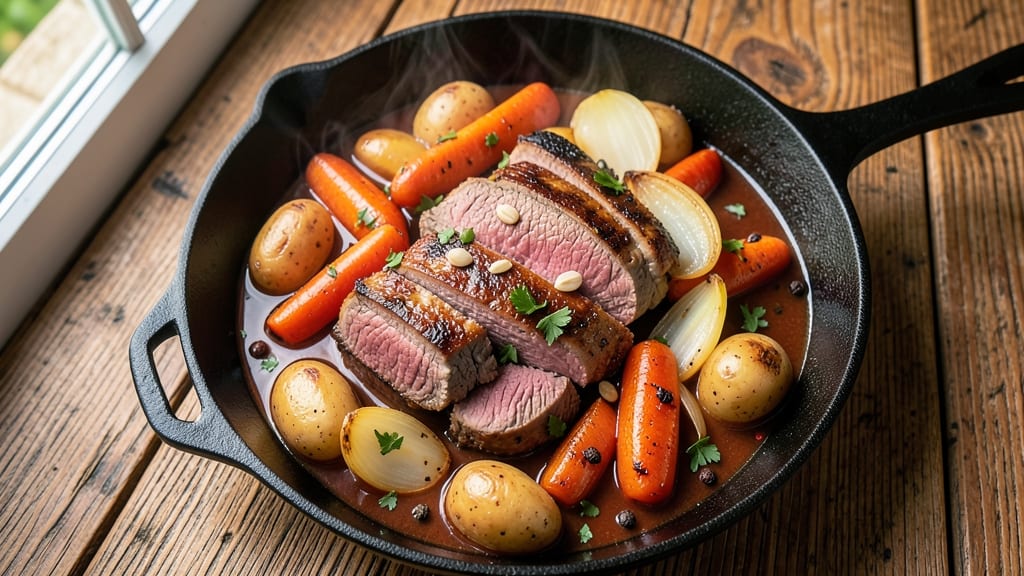
This allspice beef stew recipe transforms tough cuts into fork-tender meat with layers of warm, aromatic depth that linger long after the last bite.
The secret lies in slow-cooked allspice—its earthy, slightly peppery notes melding with beef until every spoonful delivers rich, complex flavor without overpowering the natural richness of the meat.
I developed this recipe after years of testing, refining the balance between spice intensity and meat tenderness for a stew that feels both rustic and refined.
The process begins with a deeply flavorful browned beef base, where allspice berries toast in hot oil to release their aromatic oils before joining the pot. This technique unlocks the spice's full potential, creating a fragrant foundation that infuses the broth as it simmers.
Unlike quick stews, this one rewards patience—8 hours of gentle cooking at low heat breaks down collagen, turning connective tissue into velvety texture while developing deep, caramelized flavors in the sauce.
By the time you serve this stew, you'll have meltingly tender beef swimming in a glossy, spice-infused broth that clings to every bite. The allspice's warmth pairs perfectly with traditional stew vegetables like carrots and potatoes, creating a harmonious balance where each ingredient shines.
This is the kind of dish that transforms a simple weeknight into a cozy, flavorful experience—perfect for feeding a family or impressing guests without sacrificing ease.
The beauty of this recipe lies in its versatility—serve it with crusty bread to soak up every last drop, or pair it with buttery mashed potatoes for a heartier meal. The allspice's lingering warmth makes it especially comforting during cooler months, though its rich depth works year-round.
Here's how to make it—step by step—for stew that tastes like a labor of love, even if it's just one pot on the stove.
Ingredients for allspice beef stew
Sixteen ingredients transform tough beef into rich, aromatic allspice-infused stew perfection.
| Ingredient | Amount | Notes |
|---|---|---|
| Chuck Roast 🥩 | 3 lb | Well-marbled for tenderness |
| Allspice Berries 🌶️ | 2 tsp | Whole berries for toasting |
| Yellow Onions 🧅 | 2 whole | Diced for even cooking |
| Carrots 🥕 | 1 ½ lb | Whole, peeled, cut into chunks |
| Russet Potatoes 🥔 | 2 lb | Cut into even 2-inch pieces |
| Garlic Cloves 🧄 | 6 cloves | Minced for aromatic depth |
| Tomato Paste 🍅 | ½ cup | High-quality for richness |
| Beef Broth 💧 | 4 cups | Homemade or quality store-bought |
| Red Wine 🍷 | 1 cup | Bold dry variety preferred |
| Olive Oil 🫒 | 2 tbsp | Extra-virgin for toasting spices |
| Bay Leaves 🍃 | 2 whole | For subtle earthy flavor |
| Salt 🧂 | 1 ½ tsp | Kosher or sea salt |
| Black Peppercorns 🌶️ | 1 tsp | Freshly cracked for texture |
| Thyme 🌿 | 1 tbsp | Fresh sprigs preferred |
The chuck roast is non-negotiable here—its marbling ensures tender results. Costco or local butchers often carry well-marbled cuts; if buying pre-cut, check for visible fat streaks. Allspice berries are the heart of this recipe: Penzeys or bulk spice shops sell whole berries that toast beautifully. For the potatoes, Russets hold their shape best when cut into uniform pieces. The carrots should be firm and bright—avoid any with soft spots. Garlic cloves should be plump and fresh; Italian markets often sell them in bulk for better flavor.
No allspice berries? Ground allspice at half the amount works in a pinch, though toasting whole berries unlocks deeper flavor. Substitute red wine with extra beef broth plus 1 tbsp balsamic vinegar for acidity. Fresh thyme unavailable? Dried thyme at one-third the quantity suffices. For tomato paste, San Marzano is ideal, but any quality brand works. The beef broth should be rich—homemade or high-end store-bought makes all the difference. If using pre-cut chuck, trim excess fat to prevent greasy broth.
This stew tastes even better the next day as flavors meld. Store in an airtight container in the fridge for up to 5 days, or freeze for 3 months. For make-ahead convenience, freeze the broth and vegetables separately, then add the beef fresh when reheating. The allspice berries can be toasted and stored in a dark glass jar for up to 6 months—perfect for future stews. Portion into individual containers for easy lunches, or keep it whole for hearty family dinners.
Why You'll Love This Recipe
- One-Pot Magic: I swear by this—just dump everything into a single pot, and let the slow cooker or oven do the work. No fancy techniques, no constant stirring. The chuck roast practically melts into tender perfection while you sip wine and pretend you’re not cooking.
- Warm Spice Hug: That allspice berry? It’s the secret weapon—earthy, slightly sweet, with a whisper of cinnamon and clove. The onions caramelize into a rich base, and the carrots and potatoes soak up all the deep, savory goodness. Honestly, it tastes like a hug in a bowl.
- Leftovers That Win: Between us, this stew only gets better the next day. The flavors meld into something even richer, and reheating takes two minutes. I make a double batch on Sundays because my kids (and my lazy self) demand it all week.
- Budget-Friendly Feast: Chuck roast is cheap, potatoes stretch it further, and allspice is a pantry staple. You’re feeding a crowd for less than takeout, and the leftovers keep giving. My college budget would’ve wept happy tears over this.
Step-by-step instructions for allspice beef stew
Transform tough chuck roast into melt-in-your-mouth tenderness with this aromatic spice blend.
Sear the Chuck Roast for Deep Flavor
Pat the 3 lb chuck roast completely dry with paper towels—this ensures a proper sear. Heat 1 tablespoon of the olive oil in a heavy Dutch oven over medium-high heat until shimmering. Place the roast in the pot, fat-side down, and sear undisturbed for 5 minutes until a deep golden-brown crust forms. Flip and repeat on the second side.
Real talk: Don't rush this step. The caramelization from the sear builds the stew's foundation. After searing, remove the roast and set it aside on a plate. You'll notice the pot has browned bits—those are flavor gold. Don't scrape them out; they'll dissolve into the sauce later.
Toast Spices and Build the Aromatic Base
In the same Dutch oven, add the remaining 1 tablespoon olive oil over medium heat. Add the 2 whole yellow onions and cook for 5 minutes until softened. Stir in the 2 tsp allspice berries, 1 tbsp thyme sprigs, and 2 whole bay leaves. Toast for 1 minute until fragrant—you'll smell that warm spice aroma filling your kitchen.
Add the 1.5 lb carrots cut into chunks and cook for 3 minutes. Stir in the 6 cloves minced garlic and cook for another 30 seconds until golden. This step develops the stew's complex flavor profile. The allspice and thyme will infuse the oil, creating layers of warmth that complement the beef.
Develop the Sauce with Wine and Tomato
Pour in the 1 cup red wine and scrape up any browned bits from the bottom of the pot. Let it simmer for 2 minutes until reduced by half. Add the 0.5 cup tomato paste and stir well to combine. Cook for 1 minute until the tomato paste darkens slightly—this deepens the sauce's richness.
Here's where it gets good: Add the 4 cups beef broth and 1.5 tsp salt. Bring to a gentle simmer, then return the seared chuck roast to the pot. The liquid should come about halfway up the sides of the roast. Cover and let it cook for 1 hour 15 minutes, or until the meat is fork-tender when pierced with a knife.
Add Potatoes and Finish Cooking
After the initial cooking time, add the 2 lb russet potatoes cut into even 2-inch pieces and the 1 tsp cracked black peppercorns. Stir gently to distribute the potatoes evenly throughout the stew. Return to a simmer, cover, and cook for another 30-40 minutes, until the potatoes are tender and the stew has thickened slightly.
The potatoes should absorb the flavors while remaining firm enough to hold their shape. Taste and adjust seasoning if needed—you might need a pinch more salt to balance the acidity from the wine. The stew should have a rich, aromatic depth with visible allspice berries floating throughout.
Rest and Serve for Maximum Tenderness
Remove the stew from heat and let it rest for 10 minutes. This resting period allows the meat to reabsorb its juices, ensuring each bite is meltingly tender. Skim off any excess fat that has risen to the surface if you prefer a lighter stew.
Serve the stew hot, with each bowl featuring tender chunks of beef, hearty vegetables, and that signature allspice warmth. The potatoes should be fork-tender, absorbing the rich, spiced broth. Garnish with fresh thyme sprigs if desired, adding a pop of color and subtle aroma to each serving.
Pro Tips For Making Allspice Beef Stew
- Brown the Meat Hard: Chuck roast needs that deep, caramelized crust to hold up through hours of simmering. Don’t rush—take your time searing it over medium-high heat until it’s dark in spots, about 5-7 minutes per side. I used to skip this, and the stew always tasted underwhelming afterward.
- Toast the Allspice: Crush whole allspice berries in a dry pan for 30 seconds until fragrant—this releases their oils and makes the flavor pop. Skip the toasting, and you’ll just get a subtle hint instead of that warm, clove-like punch that defines the dish. (Yes, even if you’re impatient like me.)
- Add Potatoes Late: Tossing potatoes in early turns them to mush. Instead, let the beef and veggies cook together for 1.5 hours first, then add the potatoes with the last 30 minutes of simmering. They’ll absorb flavor without falling apart—your future self will thank you.
- Deglaze with Beer: After browning the meat, splash in ½ cup of dark beer (stout or porter) instead of just broth. The alcohol burns off, but the maltiness deepens the stew’s richness. I was skeptical until I tried it—now it’s non-negotiable for me.
Troubleshooting perfect results
Meat Too Tough
If your beef ends up chewy rather than tender, the issue is likely insufficient cooking time or starting with a leaner cut. Chuck roast should cook until it reaches an internal temperature of 200-205°F—this breaks down collagen into gelatin, creating that signature stew texture.
I recommend using a meat thermometer like the Thermoworks Smoke to monitor progress. For extra insurance, add 1 cup extra beef broth when you notice the stew thickening too quickly, which helps tenderize the meat further. 🌡️
Broth Too Thin
A watery stew often means the broth wasn't reduced enough or the potatoes absorbed too much liquid. To fix this, simmer the stew uncovered for 10-15 minutes after adding potatoes to evaporate excess moisture.
For future batches, I suggest adding potatoes 30 minutes before serving rather than cooking them through—this keeps them firm and prevents the broth from thinning out. If needed, thicken with a 1 tbsp cornstarch slurry mixed with 2 tbsp cold water, stirred in at the end.
Allspice Overpowering
Too much allspice can make your stew taste medicinal rather than warmly aromatic. The key is toasting the whole berries first—this releases their oils gradually. If your stew tastes too strong, balance it with 1 tbsp lemon juice or 1 tsp brown sugar to mellow the heat.
For future attempts, reduce the allspice to 1 tsp whole berries and toast them for just 30 seconds instead of a full minute. Ground allspice is more potent, so use half the amount if substituting.
Vegetables Mushy
Overcooked vegetables lose their texture and become mushy. Potatoes and carrots should be tender but still hold their shape. To prevent this, add potatoes 30-40 minutes before serving (not at the start) and use waxy varieties like Yukon Golds instead of Russets for better texture retention.
For carrots, cut them into slightly larger chunks—this reduces their surface area and slows cooking. If they still turn out too soft, try adding them 20 minutes before the end of cooking.
Fat Floating on Top
Excess fat can make your stew look greasy, but it's actually flavorful! If you prefer a lighter stew, skim off the hardened fat after resting by placing a paper towel over the surface and pressing gently with a spoon.
For a more rustic approach, leave it in—fat adds richness and helps keep the stew moist. If your stew seems too fatty, reduce the broth uncovered for 5 minutes before serving to evaporate some of the excess. I often save the rendered fat for future cooking—it's pure flavor gold. 💡
Stew Too Acidic
If the red wine makes your stew taste overly tart, balance it with 1 tsp sugar or ½ tsp baking soda (just a pinch!). The baking soda neutralizes acidity without altering flavor.
For future batches, use a drier red wine like Cabernet Sauvignon or Zinfandel instead of Pinot Noir, which has higher acidity. If you're using beef broth, opt for a lower-sodium version to avoid compounding the acidity.
Taste as you go—adding a splash of heavy cream at the end can also round out sharp flavors beautifully.
Nutrition facts
Frequently asked questions
Can I substitute ground allspice for whole berries?
Yes, but use only ½ teaspoon ground allspice instead of 2 teaspoons whole berries. Whole berries toast better and release flavor more gradually. If substituting, toast the ground allspice in the oil for just 30 seconds to avoid bitterness.
How do I make this stew in a slow cooker?
Brown the beef and toast the spices in a skillet first, then transfer everything to the slow cooker. Add all ingredients except potatoes, cook on low for 7-8 hours, then stir in potatoes and cook 1 more hour on high. The slow cooker method is perfect for busy days!
What's the best wine to use if I don't have red?
Use 1 cup beef broth plus 1 tablespoon balsamic vinegar to replace the wine. For depth, add ½ teaspoon smoked paprika to mimic red wine's complexity. A dry white wine like Sauvignon Blanc works too, but the flavor profile will be lighter.
Can I prep this stew ahead of time?
Assemble the stew (except potatoes) up to 2 days ahead and refrigerate. Add potatoes and cook 30 minutes before serving. For freezing, cook the stew completely, cool, then freeze in portions for up to 3 months. Thaw overnight in the fridge.
What's the secret to extra-tender beef?
The key is cooking until the beef reaches 200-205°F internal temperature. Use a meat thermometer to check—this breaks down collagen perfectly. Also, don't overcrowd the pot when searing. If needed, cook the beef separately until tender, then add it back to the finished stew.