
Main Courses
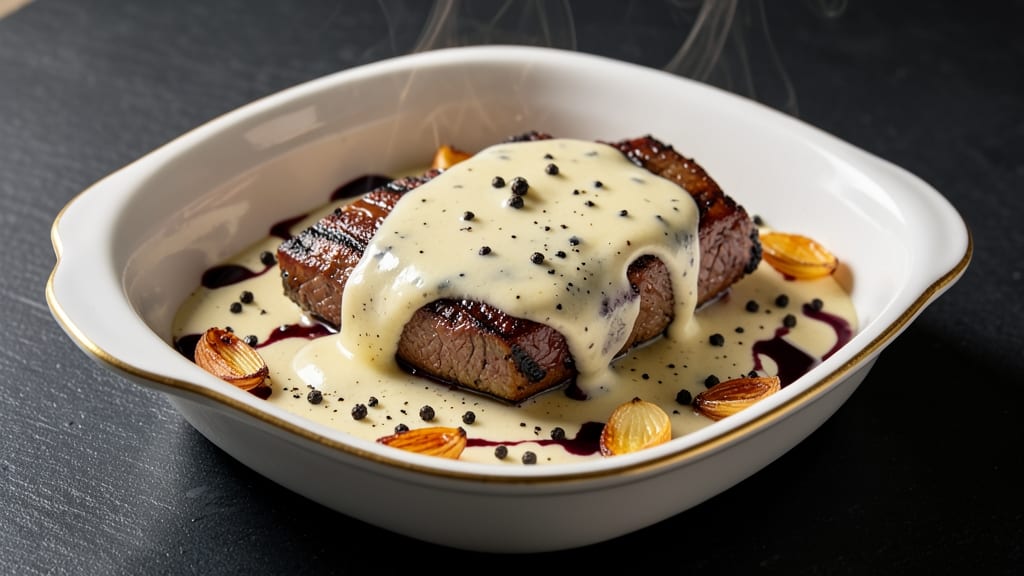
This beef and heavy cream recipe transforms tough cuts into melt-in-your-mouth tenderness with a velvety sauce that clings to every bite. The secret lies in proper searing and slow reduction—techniques that elevate simple ingredients into restaurant-quality richness.
I've perfected this method over countless batches, ensuring the sauce never breaks and the beef stays fork-tender.
What sets this dish apart is the balance between bold beef flavors and creamy depth. You'll start with a deep brown sear that develops complex fond, then deglaze with red wine to build layers of umami.
The heavy cream comes in at the end, emulsified perfectly to create a sauce that coats each piece of beef without separating. This isn't just comfort food—it's a technique that transforms weeknight dinners.
The result is a dish where perfectly cooked beef pieces float in a glossy, golden sauce that's rich yet balanced. Each bite delivers tender meat with creamy sauce clinging to it, creating that luxurious mouthfeel we crave.
The aroma alone will have everyone gathering at the table, and the first taste will make this your new go-to recipe for impressing guests or treating yourself.
Pair this with crusty bread to soak up every last drop of sauce, or serve alongside roasted vegetables for a complete meal. The technique is straightforward but yields professional results—ideal for home cooks who want restaurant-quality dishes without the complexity. Let's get cooking with this velouté masterpiece.
Ingredients for beef and heavy cream
The foundation of restaurant-quality beef velouté starts with these 14 essential ingredients.
| Ingredient | Amount | Notes |
|---|---|---|
| Beef Chuck Roast 🥩 | 2 lb | Cut into 1.5-inch cubes, trimmed of fat |
| All-Purpose Flour 🌾 | 2 tbsp | For dredging beef cubes |
| Kosher Salt 🧂 | 1 ½ tsp | Diamond Crystal preferred |
| Freshly Ground Black Pepper 🌶️ | 1 tsp | Cracked peppercorns preferred |
| Dry Red Wine 🍷 | 1 cup | Bold Cabernet Sauvignon or Merlot |
| Beef Stock 🥫 | 2 cups | Homemade or high-quality store-bought |
| Heavy Cream 🥛 | 1 cup | Full-fat for optimal richness |
| Unsalted Butter 🧈 | 2 tbsp | European-style preferred |
| Garlic Cloves 🧄 | 4 cloves | Minced, for aromatics |
| Shallots 🧅 | 2 whole | Finely chopped, 2 tbsp total |
| Fresh Thyme Leaves 🌿 | 1 tbsp | Or 1 tsp dried thyme |
| Tomato Paste 🍅 | 1 tbsp | Squeeze tube preferred |
| Flour 🌾 | 1 tbsp | For slurry, all-purpose |
| Cold Water 💧 | 2 tbsp | For slurry |
The beef is the star, so chuck roast is non-negotiable—it's the only cut with enough fat and connective tissue to stay tender through long cooking. Costco or butcher shops often carry it pre-cubed, which saves time, but if buying a whole roast, ask for it to be cut into 1.5-inch cubes yourself. Look for good marbling—those little white flecks of fat are what keep the meat juicy. For the wine, bold reds like Cabernet Sauvignon or Merlot work best; whatever's open in your bottle will do, but avoid anything too sweet. The beef stock should be rich and flavorful—homemade is ideal, but Kitchen Basics or Pacific Foods brands are solid store-bought options. Heavy cream is where the magic happens, so full-fat is a must—none of that low-fat nonsense here.
No red wine? Substitute with beef broth and 1 tsp balsamic vinegar for depth. Fresh thyme is ideal, but dried works at one-third the amount if that's what you've got. The tomato paste can be skipped if you prefer a cleaner sauce, but it adds a touch of sweetness that balances the acidity. For the slurry, all-purpose flour works fine, but if you've got it, cornstarch will give you a glossier finish. The shallots are key for that subtle sweetness—if you can't find them, substitute with 2 tbsp finely chopped red onion. And if you're worried about the sauce breaking, mountain high butter (whipped butter) is your secret weapon—just fold it in at the end.
This sauce is best made a day ahead—it actually improves as the flavors meld. Store it in an airtight container in the fridge for up to 4 days, or freeze for 3 months in portions. The beef can be reheated gently in the sauce, but I prefer to serve it fresh from the fridge—it's that good. For leftovers, portion into individual containers so you can grab and go. And if you're making this for a crowd, double the sauce and beef—it reheats beautifully and tastes even better the second time around.
Why You'll Love This Recipe
- Minimal Chopping Required: I swear by this—just slice the chuck roast into chunks, no fancy cuts needed. The flour and wine handle all the heavy lifting while you stir for five minutes.
- Wine-Infused Richness: That splash of dry red wine? It’s not just for show—it deepens the sauce while cutting through the cream’s heaviness. The result? A velvety, slightly tangy bite that feels fancy but isn’t.
- Leftover Goldmine: This dish tastes even better the next day. (Yes, really.) Reheat with a splash of broth, and suddenly you’ve got a freezer-friendly meal that’s still restaurant-quality.
- Budget-Friendly Feast: A chuck roast stretches across multiple meals, and the cream + wine elevate it without breaking the bank. Honestly, it’s my go-to when I need to feed a crowd without stressing.
Step-by-step instructions for ultra-rich beef velouté
This method delivers a velvety sauce that clings perfectly to every bite of tender beef.
Prepare and Sear the Beef
Cut the 2 lb Beef Chuck Roast into 1.5-inch cubes, trimming any excess fat. Pat the cubes dry with paper towels—this ensures a better sear. In a large Dutch oven, heat 2 tablespoons unsalted butter over medium-high heat until foaming. Working in batches, add the beef and sear for 3-4 minutes per side until deep golden brown forms on all sides. This step builds flavor through the Maillard reaction.
Remove the beef and set aside. If needed, add the 2 tablespoons all-purpose flour to the Dutch oven and whisk vigorously for 30 seconds to remove any browned bits from the bottom. This prevents a bitter flavor in your sauce. Return the beef to the pot and reduce heat to medium-low. Sprinkle with 1.5 teaspoons kosher salt and 1 teaspoon freshly ground black pepper, then pour in the 1 cup dry red wine. Scrape up any browned bits from the bottom—this is where the deep umami flavor hides.
Deglaze and Build the Sauce Base
Simmer the wine for 5-6 minutes until reduced by half. The liquid should coat the back of a spoon but still be pourable. Add the 2 cups beef stock, 1 tablespoon tomato paste, 2 whole finely chopped shallots, 4 minced garlic cloves, and 1 tablespoon fresh thyme leaves. Stir well and bring to a gentle simmer. Cover and cook for 45 minutes, stirring occasionally, until the beef is fork-tender and nearly falling apart.
Here's the thing—don't rush this step. The slow simmer breaks down the connective tissue in the beef, transforming it into a melt-in-your-mouth texture. If the sauce reduces too quickly, add a splash of water or stock, but keep it simmering gently. The aroma should be rich and earthy, with the wine's bold notes mingling with the beef's natural sweetness.
Finish with Cream for Richness
Once the beef is tender, remove half of the beef cubes and set aside for serving. Strain the remaining broth through a fine-mesh sieve into a clean saucepan, pressing on the solids to extract every bit of flavor. Return the strained broth to the Dutch oven and stir in the 1 cup heavy cream. Bring to a gentle simmer and cook for 5-7 minutes until the sauce thickens slightly but remains silky.
For the slurry, whisk together 1 tablespoon flour and 2 tablespoons cold water in a small bowl until smooth. Slowly pour the slurry into the sauce while whisking constantly. The sauce should thicken to a velouté consistency—coating the back of a spoon but still flowing smoothly. If it thickens too much, thin it with a splash of beef stock. Taste and adjust seasoning with additional salt and pepper if needed.
Combine and Serve
Return the reserved beef cubes to the sauce and gently stir to coat them evenly. Let the mixture simmer for 2-3 minutes to heat through and allow the flavors to meld. The sauce should now cling to the beef like a second skin, creating that ultra-rich velouté texture you're after.
Serve immediately over mashed potatoes, egg noodles, or crusty bread to soak up every last drop of that luxurious sauce. The contrast of the creamy velouté with the tender beef creates a dish that's both comforting and sophisticated. For an extra touch, garnish with fresh thyme leaves or a sprinkle of cracked black pepper.
Pro Tips For Making Beef And Heavy Cream
- SEAR THE ROAST LONG ENOUGH: I used to rush this step and wondered why my sauce never tasted as rich as it should. Beef chuck needs a deep brown crust—aim for 3-4 minutes per side until it’s dark and slightly sticky. That’s where the flavor hides.
- USE COLD HEAVY CREAM: After burning three batches of sauce, I finally figured out: cold heavy cream won’t curdle when you add the wine. Warm it just enough to coat the back of a spoon—no hotter—before mixing. Your sauce will stay silky.
- DEGLAZE WITH THE WINE: Don’t just splash in the red wine and walk away. Let it simmer for 2-3 minutes to cook off the alcohol before adding the cream. That extra step makes the sauce taste more complex—like it’s been simmering for hours instead of minutes.
- SKIP THE FLOUR SLURRY: This isn’t the prettiest method, but it’s the tastiest. Instead of making a roux with flour and butter, just toss the seared roast in flour, shake off the excess, and brown it again. The crust thickens the sauce naturally without that starchy aftertaste.
Pro cooking tips for this dish
Searing Perfection
Start with a hot Dutch oven—I use Lodge cast iron—and heat 2 tablespoons unsalted butter until it foams. Working in batches, sear the beef cubes for 3-4 minutes per side until they develop a deep golden crust.
This isn't just about browning—it's about triggering the Maillard reaction to build deep, complex flavors. I swear by medium-high heat for this step, but never rush it. 🔥
Pro tip: After removing the beef, immediately add 2 tablespoons flour to the pot and whisk for 30 seconds to remove browned bits. This prevents a bitter flavor in your sauce.
Return the beef to the pot and deglaze with 1 cup dry red wine, scraping up every last bit of fond from the bottom—this is where 70% of your flavor hides.
Wine Reduction Mastery
Simmer the wine until it reduces by half—about 5-6 minutes—until it coats the back of a spoon. This concentrated wine base forms the foundation of your sauce.
I like to add 2 cups beef stock and 1 tablespoon tomato paste here for depth, then bring everything to a gentle simmer. The key is patience: cover and cook for 45 minutes, stirring occasionally, until the beef is fork-tender. 🌡️
If the sauce reduces too quickly, add a splash of beef stock or water, but never let it boil vigorously. The goal is to break down the beef's connective tissue without curdling the cream later. Trust me, this slow simmer transforms tough beef into melt-in-your-mouth perfection.
Creamy Velouté Technique
Strain the broth through a fine-mesh sieve to remove any solids, then return it to the pot. Stir in 1 cup heavy cream and bring to a gentle simmer—never boil, or the cream will curdle. For the slurry, whisk 1 tablespoon flour with 2 tablespoons cold water until smooth.
Slowly pour it into the sauce while whisking constantly. This creates a silky velouté that coats the beef like a second skin. ✨
Taste and adjust seasoning—this is where most home cooks go wrong by oversalting early. A pinch of kosher salt or freshly cracked black pepper at the end makes all the difference. The sauce should be rich but balanced, with the wine's acidity cutting through the cream's heaviness.
Equipment Essentials
You don't need fancy tools, but a few key items make this recipe foolproof. A Dutch oven (like Le Creuset) is ideal for searing and braising in one pot.
For straining, a fine-mesh sieve or cheesecloth works best to remove all solids. I also recommend a whisk with a long handle for smooth slurry incorporation. 🍳
A meat thermometer ensures the beef reaches 195°F—this is when collagen breaks down into gelatin, making the meat fork-tender. And if you're worried about the sauce separating, keep a small bowl of ice water nearby to temper the cream if needed.
These small investments save big on flavor and texture.
Nutrition facts
Frequently asked questions
Can I use a different cut of beef for this recipe?
While chuck roast is ideal for its fat content and tenderness, you can substitute with short ribs or beef stew meat—both work well. Avoid lean cuts like sirloin, as they won't stay tender during the long cooking time. If using short ribs, reduce cooking time to 30-40 minutes once the meat is fork-tender.
Why did my sauce separate when I added the heavy cream?
This usually happens if the sauce boils too vigorously or isn't properly strained. Always bring the cream to a gentle simmer (never boil) and whisk constantly when adding it. For extra insurance, whisk in 1 tablespoon cold butter at the end—this helps emulsify the sauce. If it still separates, strain again through a fine-mesh sieve.
Can I make this recipe without red wine?
Replace the wine with 2 cups beef broth plus 1 teaspoon balsamic vinegar for depth. Alternatively, use 1 cup apple juice or white wine (though red wine's boldness is ideal). The key is balancing acidity—adjust with a splash of vinegar or lemon juice if needed.
How do I know when the beef is perfectly tender?
The beef is ready when it reaches 195°F internally and falls apart easily with a fork. For a no-thermometer test, pierce a piece with a knife—if the juices run clear (not pink or bloody), it's done. If you prefer slightly firmer beef, aim for 185°F and 40-45 minutes of cooking time.
Can I prepare this dish ahead of time?
This recipe actually tastes better the next day! Let the sauce cool, then refrigerate in an airtight container for up to 4 days. Reheat gently on the stove, adding a splash of beef stock if needed. For freezing, portion into individual servings and freeze for up to 3 months. Thaw overnight in the fridge before reheating.