
Main Courses
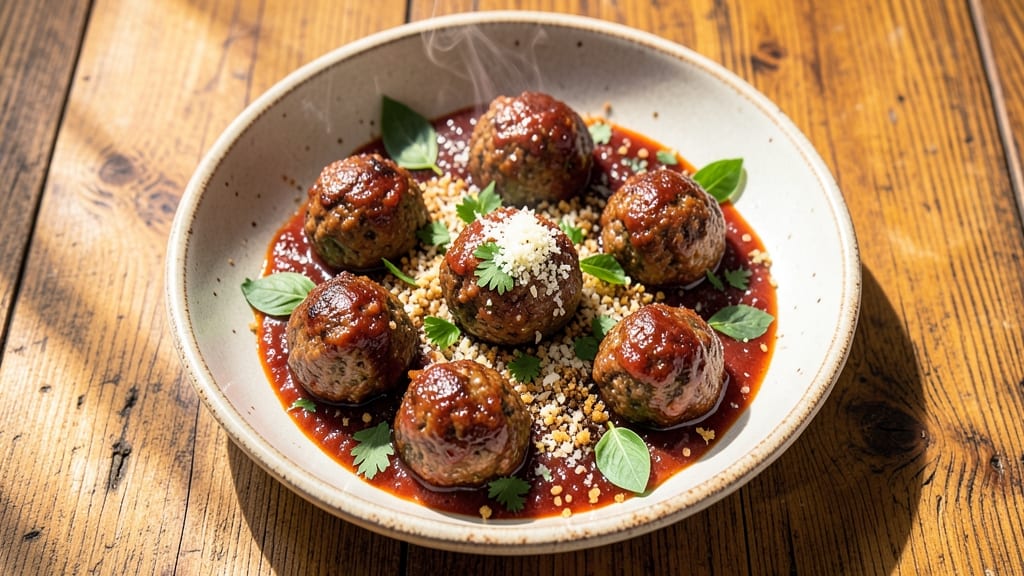
This all-beef Italian meatball recipe delivers restaurant-quality results with tender, juicy meatballs packed with herby flavor and a rich wine-braised sauce.
The secret lies in balancing ground beef, breadcrumbs, and egg for perfect texture, while a slow simmer in red wine and tomato creates depth that transforms simple ingredients into something extraordinary.
After years of perfecting this technique, I've finally cracked the code for meatballs that stay moist and flavorful every time.
The foundation starts with a simple yet effective mix of ground beef, breadcrumbs, Parmesan cheese, and fresh herbs like parsley and basil—no fillers or shortcuts here. What sets these apart is the handcrafted shaping and proper browning before simmering in a sauce infused with red wine, garlic, and crushed tomatoes.
This isn't just another meatball recipe; it's a method that builds layers of flavor through slow cooking, resulting in meatballs that are tender on the inside and perfectly seared on the outside.
By the time you're done, you'll have a herby wine-braised sauce that's rich enough to coat every bite while maintaining balance with the meatballs' savory depth.
The aroma alone will have everyone gathering around the table, and the first taste will confirm why this has become my go-to recipe for family dinners and special occasions. These meatballs pair beautifully with pasta, crusty bread, or even mashed potatoes—each bite delivers that perfect combination of texture and flavor.
What makes this recipe truly special is its versatility. Use it as a standalone dish with garlic bread or serve it over your favorite pasta for a complete Italian meal. The sauce can be made ahead and reheated, making this an excellent choice for meal prepping or entertaining.
With just a few simple ingredients and some patience, you'll achieve results that taste like they came from a trattoria in Rome.
Ingredients for all beef italian meatball
Restaurant-quality meatballs start with these carefully balanced ingredients for perfect texture and depth.
| Ingredient | Amount | Notes |
|---|---|---|
| Ground Beef (80/20) 🥩 | 1 ½ lb | Chilled for better handling |
| Fresh Parsley 🌿 | ½ cup | Finely chopped, stems removed |
| Fresh Basil 🌿 | ¼ cup | Finely chopped, packed |
| Parmesan Cheese 🧀 | ½ cup | Freshly grated, fine texture |
| Large Eggs 🥚 | 1 whole | Room temperature for best mix |
| Italian Breadcrumbs 🍞 | ½ cup | Panko works for extra crunch |
| Garlic Cloves 🧄 | 4 cloves | Minced, fresh preferred |
| Red Wine 🍷 | ½ cup | Bold dry variety like Cabernet |
| Crushed Tomatoes 🍅 | 14 ½ oz | San Marzano preferred |
| Olive Oil 🫒 | 2 tbsp | Extra-virgin for richness |
| Dried Oregano 🍃 | 1 tsp | Italian variety preferred |
| Kosher Salt 🧂 | 1 ½ tsp | Diamond Crystal preferred |
| Ground Black Pepper 🌶️ | ½ tsp | Freshly ground preferred |
| Vegetable Oil 🫒 | ¼ cup | For shallow frying |
The ground beef is non-negotiable—80/20 fat ratio ensures juiciness without excess grease. Look for chilled beef at the meat counter, not pre-packaged, as it handles better when shaping. Whole Foods or local butchers often carry the best quality; avoid anything with fillers. Fresh herbs are essential for authentic flavor—parsley and basil should be bright green with no wilting. The Parmesan should be freshly grated from a block; pre-grated contains anti-caking agents that ruin texture. For the wine, Cabernet Sauvignon or Chianti work best—they're bold enough to stand up to the tomatoes.
No fresh basil? Dried oregano at half the amount works in a pinch, though texture will differ. Substituting red wine? Beef broth with 1 tbsp balsamic vinegar mimics the depth. For the tomatoes, San Marzano cans are ideal, but any quality crushed tomatoes will do. The breadcrumbs can be swapped for crushed cornflakes for a lighter texture. If you're making a large batch, portion the meatball mixture into 1-ounce balls for consistency. The olive oil should be extra-virgin—cheaper varieties lack the fruity notes that complement the herbs.
Store shaped meatballs in an airtight container in the fridge for 2 days maximum before cooking. The sauce keeps for 5 days refrigerated or 3 months frozen. For best results, freeze meatballs on a tray first to prevent clumping, then transfer to a bag. The sauce reheats beautifully—simmer gently to restore texture. These meatballs freeze exceptionally well; cook directly from frozen by adding 5-10 extra minutes to the browning time. Portion sauce into 1-cup servings for easy meal prep.
Why You'll Love This Recipe
- No Fuss Mixing: I swear by the 80/20 beef here—it’s juicy without being greasy, and the parsley and basil brighten it up instantly. Just toss everything in a bowl, wet your hands, and roll. That’s it. No food processor, no stress.
- Herb-Packed Punch: Fresh basil and parsley chopped right in? Big mistake if you skip it. The bright, fresh notes cut through the richness of the beef and Parmesan, giving you that real Italian bistro taste—not the powdered shortcut stuff.
- Meal Prep MVP: These keep for days in the fridge, reheat beautifully, and freeze like a dream. I make a double batch on Sundays, toss half in marinara for spaghetti night, and the rest go in wraps for lazy weekdays. Zero waste, all flavor.
- Budget-Friendly Luxury: Ground beef is cheap, but the 80/20 fat ratio makes it feel special. A little Parmesan and herbs stretch it into something restaurant-worthy, and eggs bind it all without breaking the bank. My kids don’t even notice it’s not the "fancy" meatballs.
Step-by-step instructions for all-beef Italian meatballs
Here's how to craft perfectly balanced meatballs with a rich herby wine braise—no shortcuts, just technique.
Prepare the Meatball Mixture
In a large mixing bowl, combine the 1.5 lb ground beef (80/20) with the 0.5 cup finely chopped fresh parsley, 0.25 cup chopped fresh basil, 0.5 cup freshly grated Parmesan cheese, 1 whole room-temperature egg, 0.5 cup Italian breadcrumbs, 4 minced garlic cloves, 1.5 tsp kosher salt, and 0.5 tsp freshly ground black pepper. Using your hands, gently mix until just combined—avoid overworking the meat or the meatballs will become dense.
Here's the thing—chilled beef handles better. If your meat isn't cold, let it sit in the fridge for 15 minutes before mixing. The fat should be cold but not frozen, ensuring it renders properly during cooking. Shape the mixture into 1.5-inch diameter balls (about 16 meatballs total) and place them on a parchment-lined plate. Cover and refrigerate for 30 minutes to firm up.
Brown the Meatballs for Depth of Flavor
Heat 2 tbsp extra-virgin olive oil in a large skillet over medium-high heat until shimmering. Working in batches to avoid crowding, add the meatballs and cook for 3-4 minutes per side until deep golden brown and slightly crisp on the outside. The internal temperature should reach 145°F—use an instant-read thermometer to check the thickest meatball.
Don't rush this step. Proper browning develops the Maillard reaction, creating that deep, savory flavor that separates good meatballs from great ones. If the oil smokes excessively, reduce heat slightly—you want a steady sizzle, not a fire. Transfer browned meatballs to a plate and set aside, reserving any rendered fat in the pan.
Build the Herby Wine-Tomato Braise
Reduce heat to medium and add 0.5 cup red wine to the skillet, scraping up any browned bits from the bottom with a wooden spoon. Let it simmer for 2-3 minutes until reduced by half. Add 14.5 oz crushed tomatoes, 1 tsp dried oregano, and 1 tbsp reserved meatball fat (if needed for moisture). Stir well and bring to a gentle simmer.
Return the meatballs to the skillet, spooning the sauce over them completely. Cover and simmer on low heat for 20-25 minutes, stirring occasionally, until the meatballs are tender throughout and the sauce has thickened slightly. The sauce should coat the back of a spoon with a velvety consistency—add a splash of water if needed to prevent drying.
Finish with Fresh Herbs and Rest
Remove the skillet from heat and let the meatballs rest in the sauce for 5 minutes. This allows the flavors to meld and the meat to reabsorb any juices. Garnish each serving with an additional sprinkle of fresh parsley and basil for brightness. Serve immediately over al dente pasta or crusty bread, ensuring each bite delivers that perfect balance of herby, wine-infused richness.
The key to these meatballs lies in the technique: proper browning, gentle simmering, and that final rest. Each component—from the 80/20 fat ratio in the beef to the fresh herbs—plays a role in creating meatballs that are tender yet robust, with a sauce that clings perfectly. Adjust seasoning to taste, but remember: the wine and tomatoes already contribute acidity and depth.
Pro Tips For Making All Beef Italian Meatball
- Chill the Beef First: Take the ground beef out of the fridge 15 minutes before mixing—it’ll warm up enough to handle but stay cooler, so your meatballs won’t turn greasy when you form them. I used to skip this and ended up with sticky, uneven balls that fell apart when browning.
- Pulse Herbs, Don’t Chop: Use a food processor to finely pulse fresh parsley and basil (1-2 seconds max) instead of chopping by hand—it distributes flavor more evenly and saves your knuckles. Just don’t overdo it or you’ll end up with pesto.
- Brown in Batches: Cook meatballs in a single layer over medium-high heat for 2-3 minutes per side before adding more—crowding steams them instead of searing, and you’ll end up with soggy centers. A hot skillet is your friend here, but patience is your secret weapon.
- Grate the Parmesan Fine: Use a microplane or fine grater for the Parmesan—it melts better and adds richness without clumping. Pre-shredded cheese has anti-caking agents that turn your meatballs into dry, crumbly bricks. Trust me, your sauce will thank you.
Make-ahead tips for this dish
Pre-Shaping Prep
Shape your meatballs up to 24 hours ahead and store them in an airtight container lined with parchment paper. I use 1.5-inch diameter as my standard size—this ensures even cooking and perfect portion control.
The cold fridge helps them hold their shape while developing deeper flavor overnight. Just let them sit at room temperature for 10 minutes before cooking to prevent cracking. 🥩
Sauce Prep Ahead
Make the herby wine-tomato sauce 1-2 days in advance—it actually tastes better after flavors meld. Store it in a quart-sized glass container with a tight lid. When reheating, simmer gently on the stove for 10-15 minutes until hot, stirring occasionally.
If it thickens too much, add 1-2 tablespoons of water or beef broth to restore consistency. This is my favorite time-saver for weeknight dinners. 🍷
Freezing Meatballs
For long-term storage, freeze shaped meatballs on a parchment-lined tray for 1 hour to prevent sticking, then transfer to a freezer bag with all air removed. They'll keep for 3 months without quality loss.
Cook directly from frozen by adding 5-10 extra minutes to the browning time—just make sure your pan is hot enough to seal them properly. I like to freeze them in single layers for easy portioning. ❄️
Sauce Freezing
Freeze the completed sauce in 1-cup portions for perfect meal prep servings. Thaw overnight in the fridge or reheat directly in a saucepan over low heat for 15-20 minutes. The sauce reheats beautifully and maintains its velvety texture.
For extra insurance, add 1 tablespoon of olive oil when reheating to prevent drying. I always make double batches—one for freezer and one for fridge. 📅
Combined Freezing
For ultimate convenience, freeze meatballs and sauce together in a single quart-sized freezer bag. When ready to cook, thaw overnight in the fridge, then brown the meatballs in the sauce (no need to pre-cook separately).
This method saves 30 minutes of prep time while delivering the same restaurant-quality results. Just add 5 extra minutes to the simmering time to ensure everything reaches 165°F internal temperature. 💫
Reheating Leftovers
Reheat meatballs and sauce together in a skillet over medium-low heat for 8-10 minutes, stirring occasionally. For microwave reheating, cover with a damp paper towel and heat in 1-minute intervals on 70% power until steaming hot.
The sauce may thicken slightly—just add a splash of water or broth if needed. I always reheat leftovers with a sprinkle of fresh basil to revive the flavors. 🔥
Nutrition facts
Frequently asked questions
Why does your recipe use 80/20 ground beef instead of leaner cuts?
The 80/20 fat ratio is essential for juicy meatballs that stay tender. The fat renders during cooking, creating flavor and moisture that leaner cuts simply can't match. Try substituting with 90/10 and you'll notice dry, crumbly results—this ratio is a non-negotiable secret for authentic Italian texture.
Can I make these meatballs ahead of time?
Shape the meatballs 24 hours ahead and refrigerate them covered. For extra flavor, freeze them on a tray for 1 hour before transferring to a bag. Cook directly from frozen by adding 5-10 extra minutes to browning time. The sauce also freezes beautifully—just thaw overnight in the fridge.
What's the best way to reheat leftovers?
Reheat in a skillet over medium-low heat for 8-10 minutes, stirring occasionally. For microwave reheating, use 1-minute intervals on 70% power covered with a damp paper towel. Add a splash of water or beef broth if the sauce thickens too much. Always finish with fresh herbs to revive flavors.
How do I prevent meatballs from falling apart when cooking?
Overmixing is the #1 cause of crumbly meatballs—handle the mixture gently and avoid pressing too hard when shaping. Chill the shaped meatballs for 30 minutes before cooking to firm them up. Also, don't overcrowd the pan during browning—this steams them instead of searing.
Can I substitute red wine in the sauce?
Yes! Use beef broth with 1 tbsp balsamic vinegar for depth, or dry white wine with 1/2 tsp red wine reduction**. For a non-alcoholic option, try cranberry juice with a pinch of salt. The acidity is what balances the richness—just ensure you maintain the same volume as the original recipe.